Develop sequencing skills Worksheets for Ages 6-8
3 filtered results
-
From - To
Enhance your child's cognitive development with our Sequencing Skills Worksheets designed for ages 6-8. These engaging resources provide fun and interactive activities that help children understand the logical order of events, enhance their storytelling abilities, and improve their critical thinking skills. Each worksheet features vibrant illustrations and age-appropriate challenges, making learning enjoyable and effective. Perfect for home or classroom use, our worksheets cover various themes, ensuring that your child stays motivated while mastering sequencing. Help your little one build a strong foundation for future learning with our carefully crafted worksheets. Explore our collection today and watch their skills flourish!
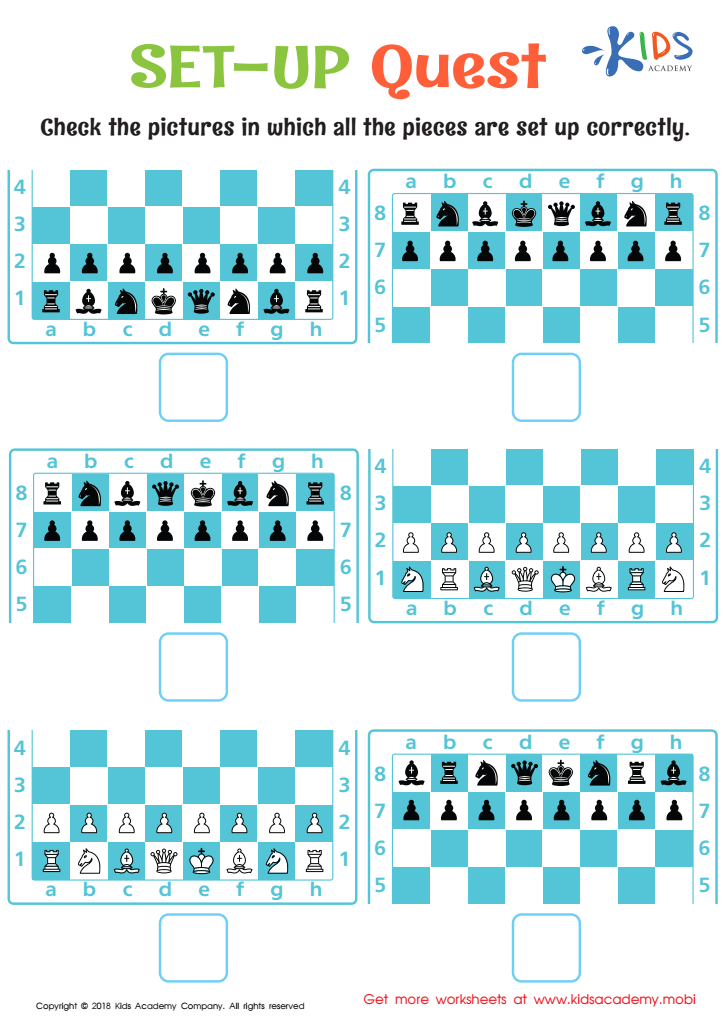
Set-up Quest Worksheet
 Assign to My Students
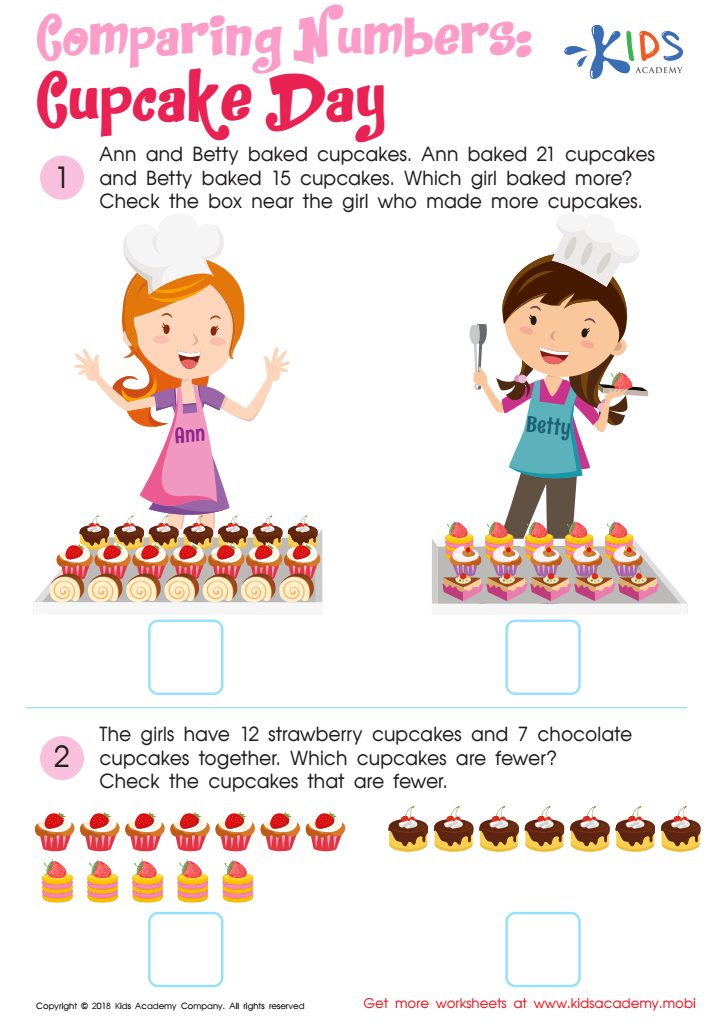
Cupcake Day Worksheet
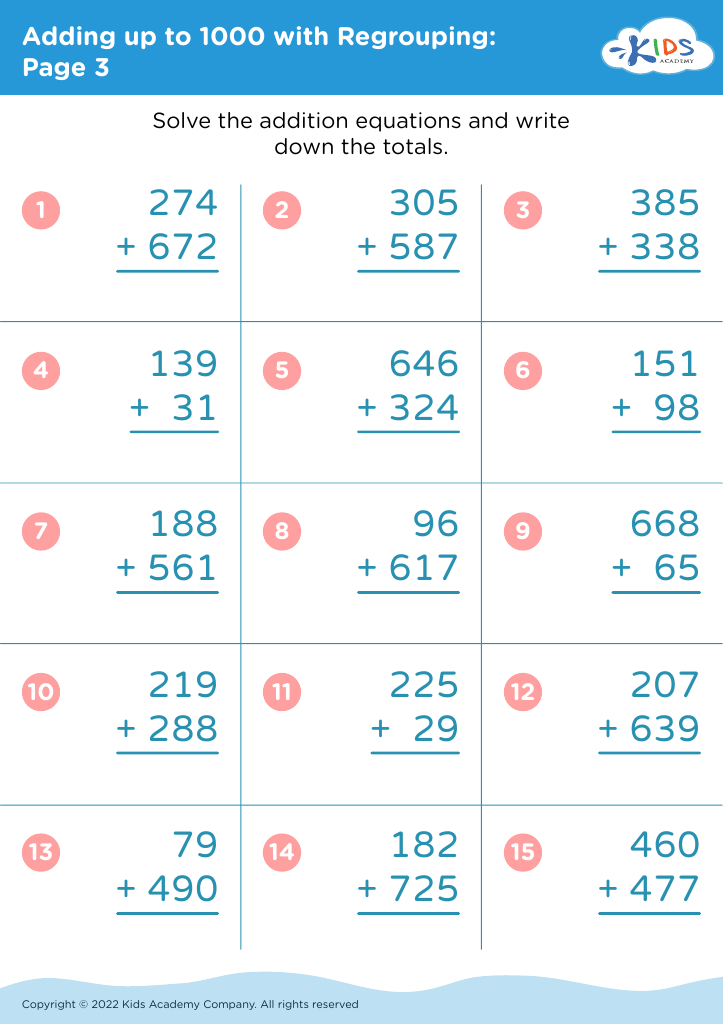






Developing sequencing skills in children ages 6-8 is crucial for their overall cognitive and academic growth. Sequencing involves understanding the order of events, which is foundational for various learning activities, including reading comprehension, math problem-solving, and following directions. When children can sequence information, they enhance their ability to make predictions, recognize patterns, and draw logical conclusions, skills that are essential in both academic settings and daily life.
Parents and teachers should care about cultivating these skills as they directly affect a child’s ability to communicate effectively and create coherent narratives. Understanding sequencing aids in reading and retelling stories, fostering stronger connections between events that enhance comprehension. Additionally, many subjects, particularly math and science, rely on sequencing for problem-solving, such as following steps in a calculation or the stages of an experiment.
Moreover, strong sequencing skills contribute to a child's organizational capabilities, helping them plan tasks, manage time, and prioritize effectively. Ultimately, by encouraging asynchronous development through activities like storytelling, daily routines, and games, parents and teachers can equip children with essential life skills that will benefit them academically and personally for years to come.








