Developing observational skills Worksheets for Ages 6-8
3 filtered results
-
From - To
Explore our engaging "Developing Observational Skills Worksheets" for children ages 6-8. These thoughtfully crafted worksheets help young learners enhance their observational skills through fun and interactive activities. Designed to stimulate critical thinking, students will identify differences, complete patterns, and engage in exciting puzzles that foster attention to detail. Our resources support cognitive development while making learning enjoyable. Perfect for both classroom use and at-home learning, these worksheets encourage curiosity and keen observation in everyday situations. Empower your students with essential skills that lay the groundwork for future academic success. Dive into our collection today and watch them thrive!
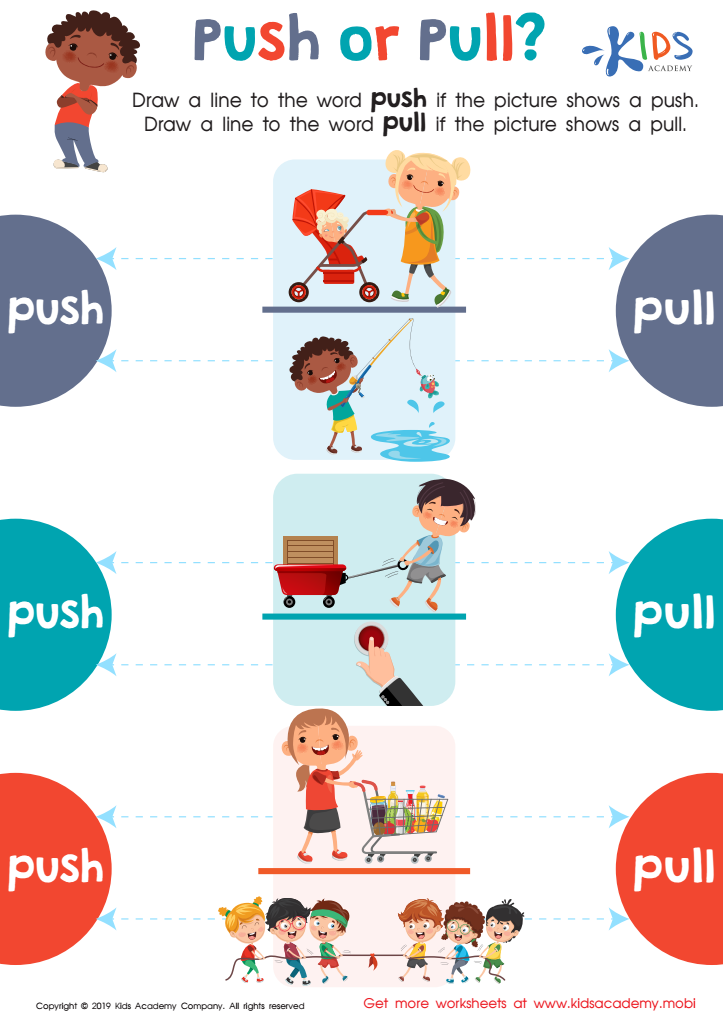
Push or Pull? Worksheet
 Assign to My Students
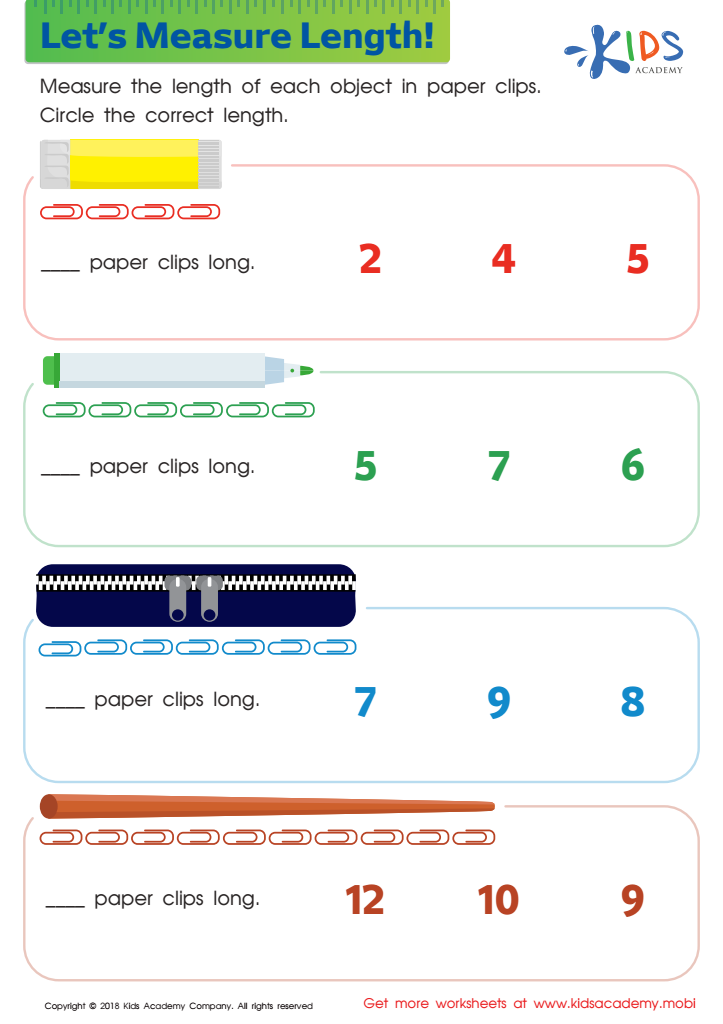
Lets Measure Length Worksheet
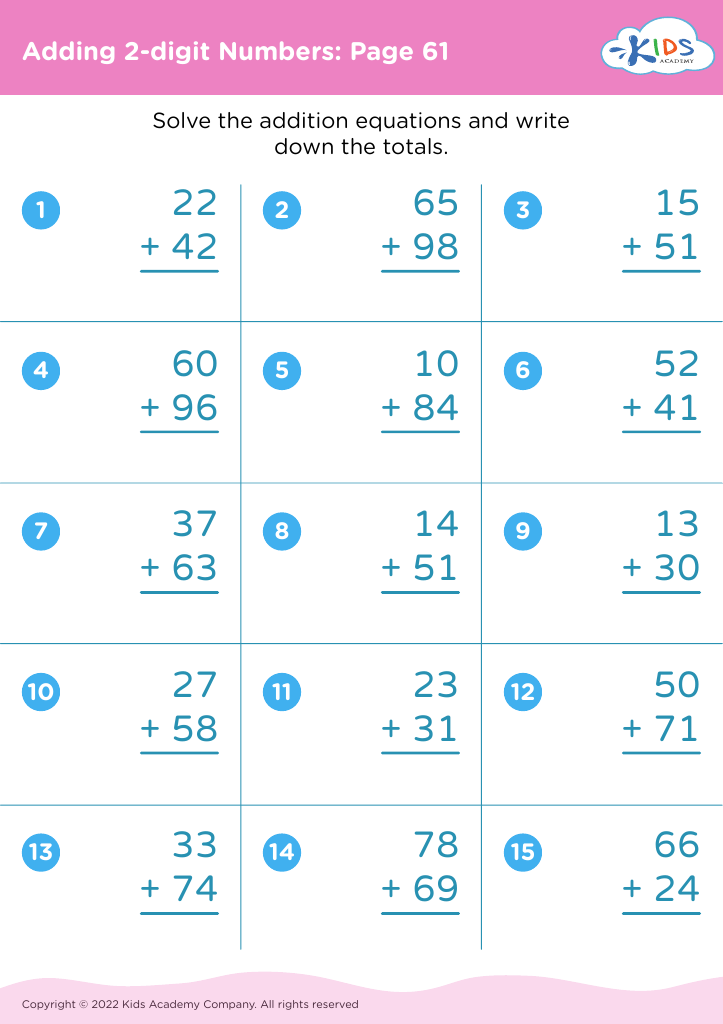





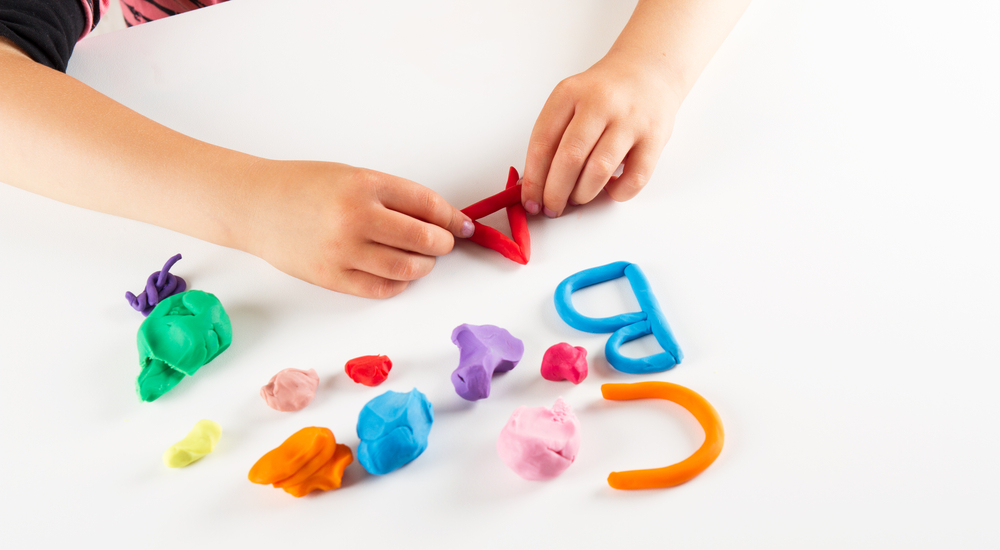


Developing observational skills in children aged 6-8 is crucial for their overall cognitive and social-emotional development. At this age, children are naturally curious and eager to explore their surroundings. By nurturing these observational skills, parents and teachers can help children enhance their ability to notice details, ask questions, and make connections between concepts, which is essential for critical thinking.
Strong observational skills empower children to engage actively with their environment, fostering a love for learning. As they learn to observe phenomena, they become better at interpreting information, whether in science, art, or daily life. These skills also encourage children to observe social cues, which aids in developing empathy and improving communication skills, as they learn to interpret the feelings and intentions of others.
Additionally, observational skills serve as a foundation for academic success. Children who can observe patterns and details effectively are more likely to excel in subjects like math and reading, laying the groundwork for lifelong learning. Ultimately, by prioritizing the development of observational skills, parents and teachers can support children in becoming well-rounded, inquisitive, and socially adept individuals, enhancing their readiness for future challenges both academically and in life.








