Directional skills Worksheets for Ages 6-8
6 filtered results
-
From - To
Discover our engaging Directional Skills Worksheets specially designed for kids ages 6-8! Tailored to enhance their understanding of directions, these printable activities make learning fun and interactive. Children will master concepts of left, right, up, down, and more through vibrant exercises, puzzles, and games. Perfect for classroom or at-home learning, our worksheets help foster important navigation skills critical for daily life. Let your child explore pathways, maps, and spatial awareness, building confidence with each step. Visit Kids Academy to download and start your child’s journey to directional proficiency today!
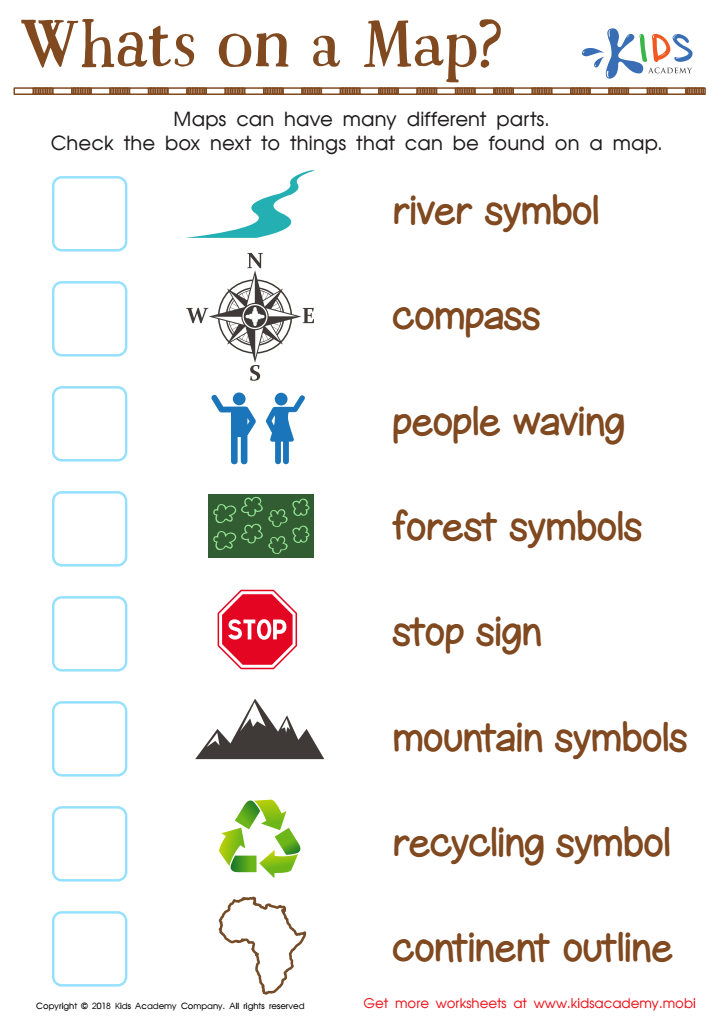
Whats on a Map? Worksheet
 Assign to My Students
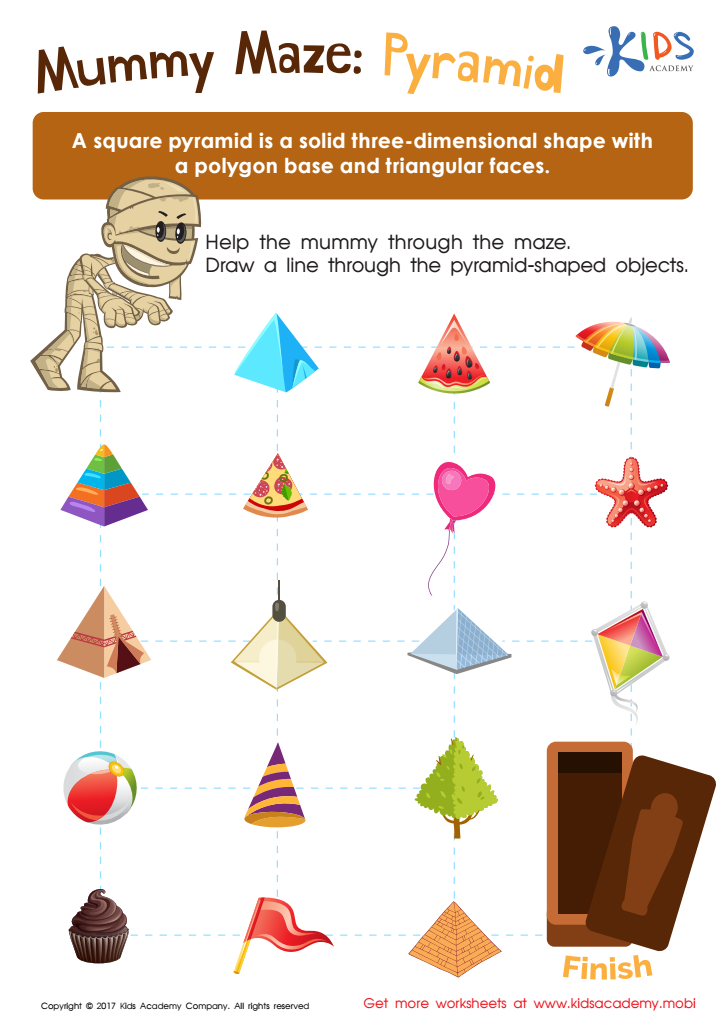
Mummy Maze: Pyramid Printable
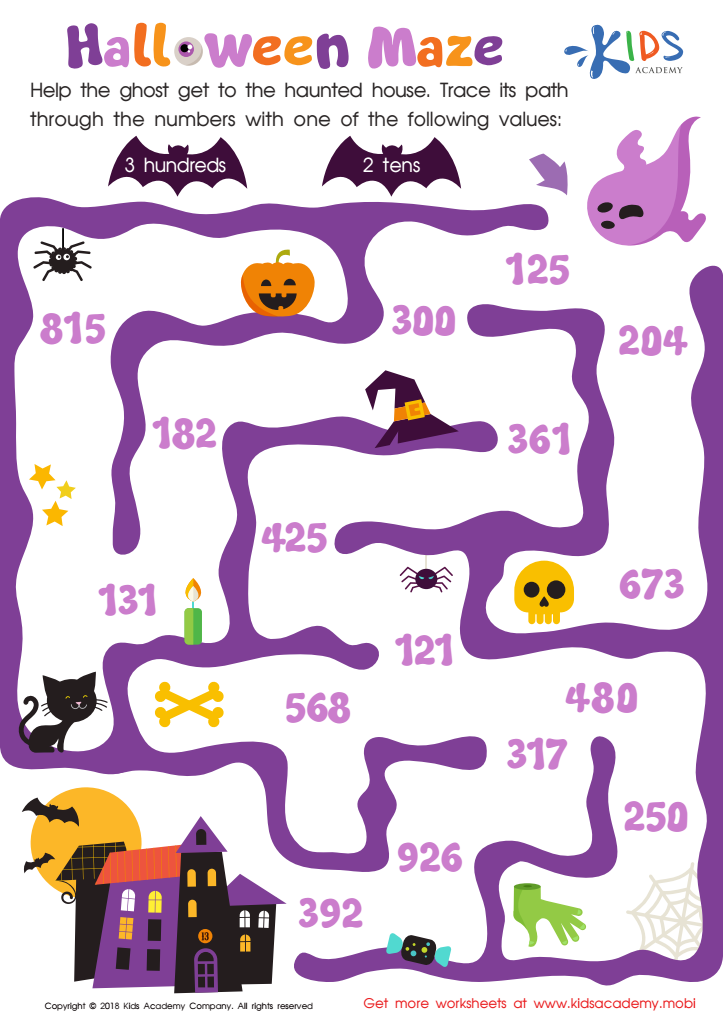
Place Value: Halloween Maze Worksheet
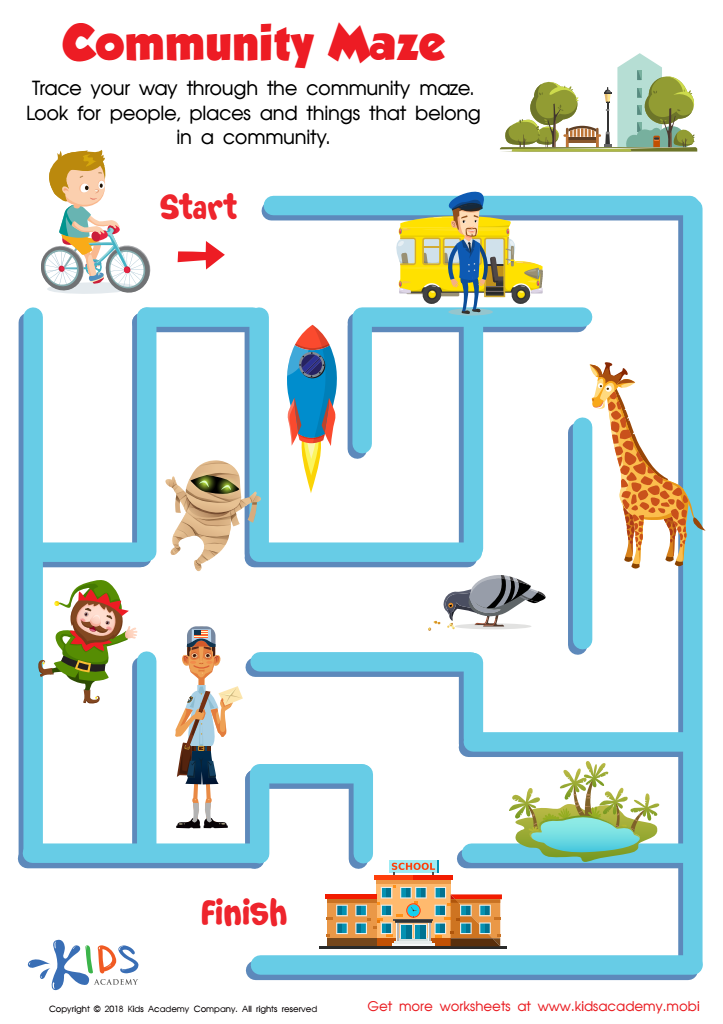
Community Maze Worksheet
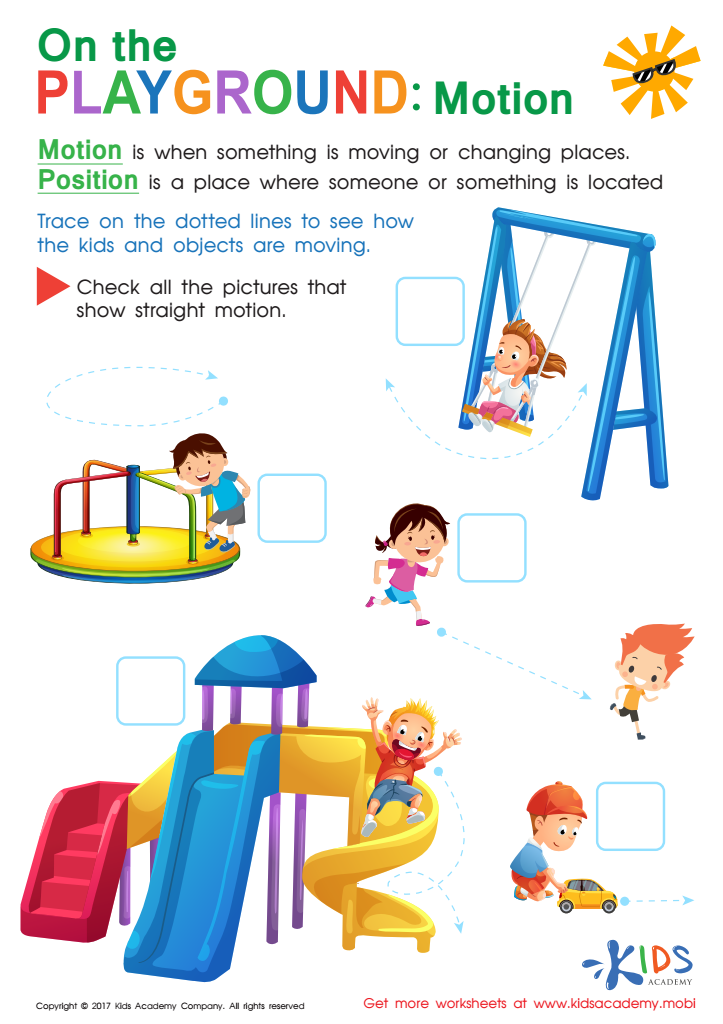
Position and Motion Worksheet
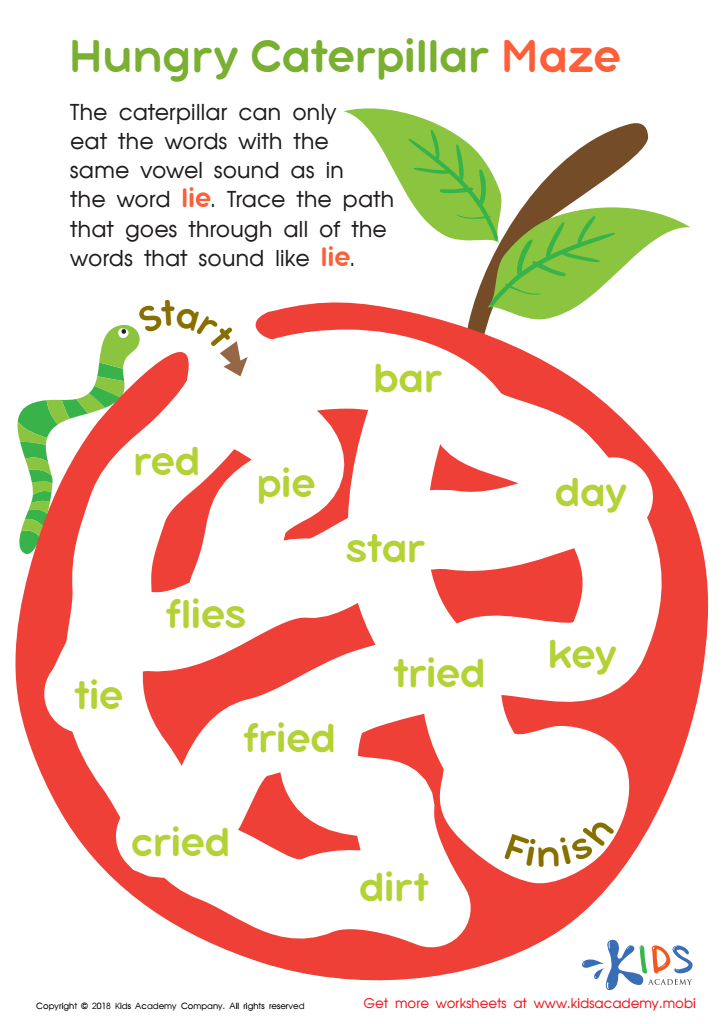
Hungry Caterpillar Maze Worksheet







Directional skills are foundational for children ages 6-8, as they play a vital role in various aspects of their development. Parents and teachers should prioritize these skills because they are essential for spatial awareness, coordination, and cognitive growth.
Firstly, directional skills help children understand and navigate their environment. Identifying left, right, up, and down directions is crucial for following instructions, whether it’s crossing a street safely or organizing their desks at school. These skills bolster their independence and confidence in daily tasks.
Moreover, strong directional skills enhance academic performance. Many subjects, including reading and math, require spatial understanding. For instance, reading left to right is a directional task essential for literacy. In math, concepts like geometry and graph reading depend on spatial orientation.
Physical activities and sports also benefit greatly from well-developed directional skills. Coordination in actions such as catching a ball, participating in team sports, or even playing on the playground, hinges on understanding and reacting to different directions. This not only improves physical health but also encourages teamwork and social interaction.
Finally, teaching these skills early improves problem-solving and critical thinking. When children comprehend directions and spatial relationships, they can visualize solutions and understand the world better, preparing them for more complex tasks in the future. Thus, focusing on directional skills is key to a child’s overall development and lifelong success.








