Drawing conclusions Worksheets for Ages 6-8
3 filtered results
-
From - To
Explore our engaging "Drawing Conclusions Worksheets for Ages 6-8," designed to enhance critical thinking and comprehension skills in young learners. These worksheets feature fun scenarios, vibrant illustrations, and relatable content to encourage children to infer meanings, make predictions, and understand implied information. Perfect for home or classroom use, they promote independent learning and boost confidence in reading and reasoning abilities. With a variety of activities that challenge kids to draw conclusions from texts and images, our worksheets foster essential skills vital for academic success. Start your child's journey in mastering this key skill today! Discover the joy of learning with Kids Academy.
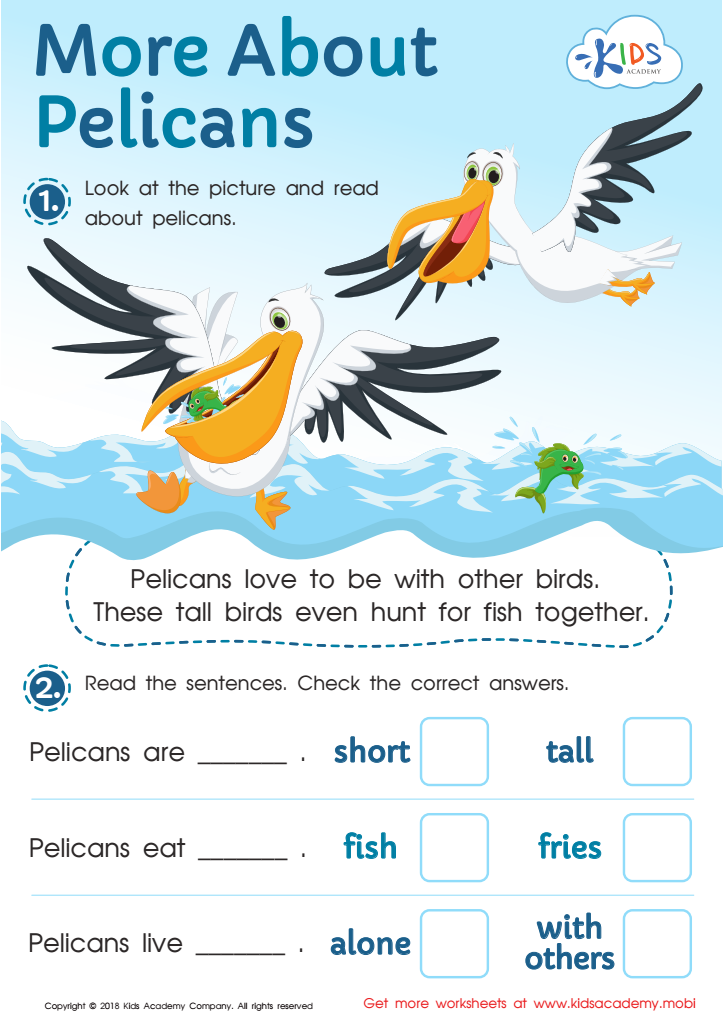
More About Pelicans Worksheet
 Assign to My Students
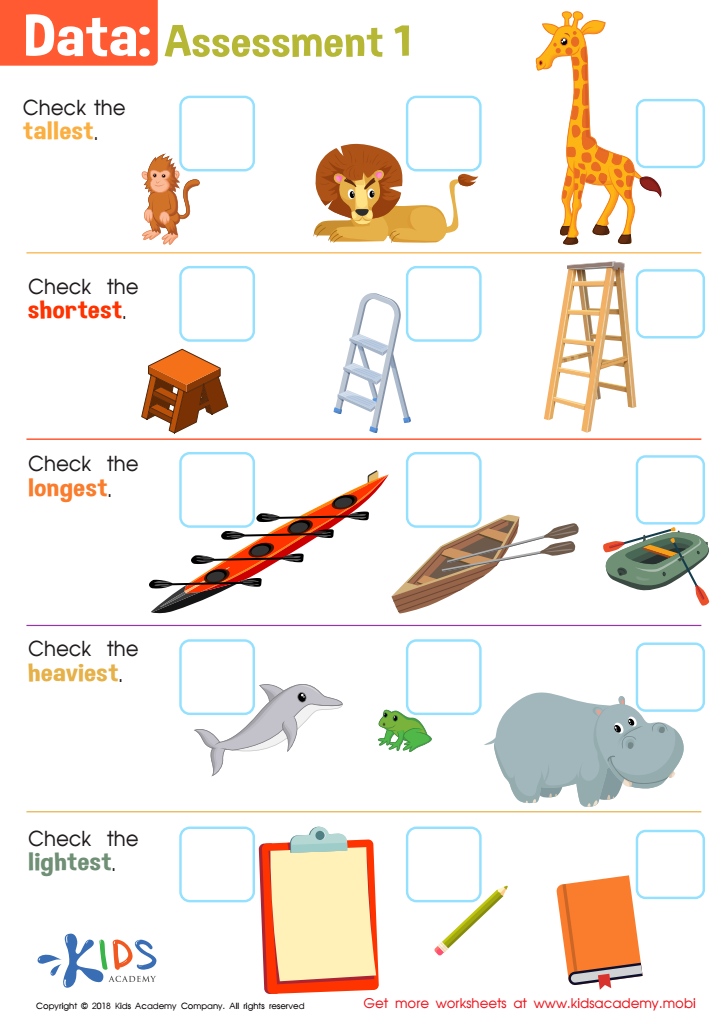
Data: Assessment 1 Worksheet
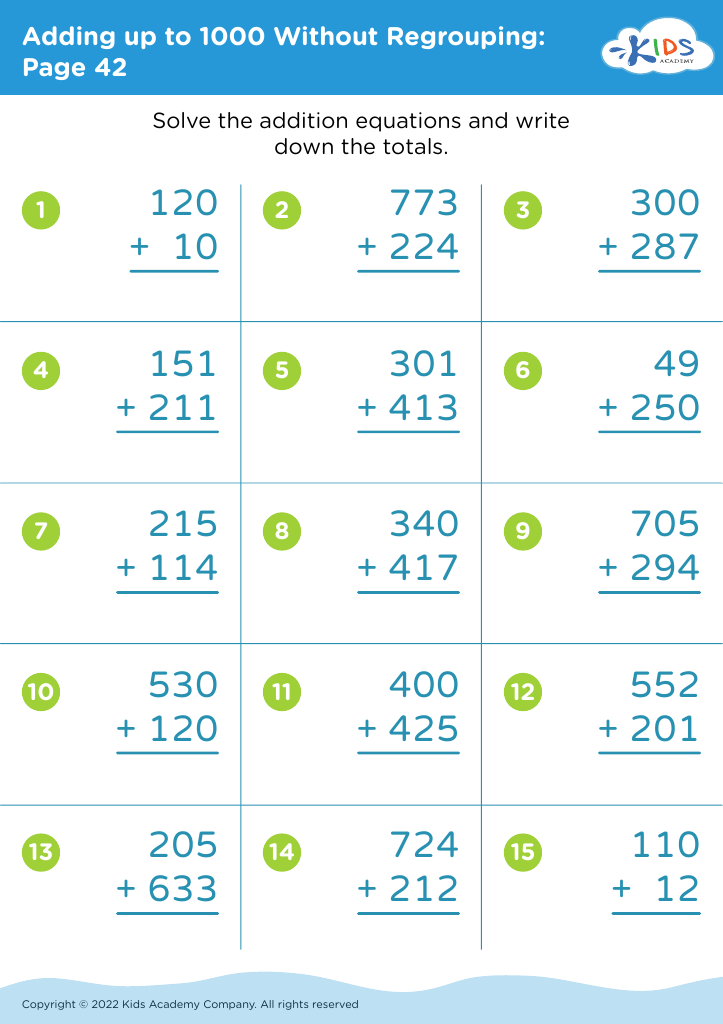







.jpg)
Drawing conclusions is a vital skill for children ages 6-8 as it lays the foundation for critical thinking and comprehension. During this developmental stage, children begin to process information beyond literal interpretation, which aids their understanding of stories, conversations, and everyday situations. By learning to draw conclusions, children can connect the dots between ideas, characters' actions, and underlying themes. This fosters deeper engagement with texts, enhancing their reading skills and overall academic performance.
Parents and teachers should prioritize this skill because it encourages children to be inquiry-driven learners. For instance, when children learn to infer the motives behind a character's behavior or predict outcomes based on evidence from the story, they become active participants in their learning journey. It nurtures curiosity and encourages them to ask questions, which are essential traits for lifelong learning.
Moreover, drawing conclusions supports emotional intelligence by helping children interpret social cues and navigate relationships. It empowers them to understand perspectives different from their own, fostering empathy and collaboration. Thus, investing time in teaching and encouraging this skill equips children with essential tools that will serve them across all subjects and throughout life. Promoting these abilities in young learners ultimately builds a more thoughtful, analytical future generation.








