
Emotional expression Worksheets for Ages 6-8
4 filtered results
Difficulty Level
Grade
Age
-
From - To
Subject
Activity
Standards
Introducing our Emotional Expression Worksheets for Ages 6-8, designed to help young learners recognize and manage their emotions in a constructive way. These engaging printable worksheets foster emotional intelligence by encouraging children to identify their feelings, understand the emotions of others, and develop healthy coping strategies. Each activity is tailored to be age-appropriate, combining fun exercises with valuable lessons on empathy, self-awareness, and communication. Support your child's emotional growth and equip them with essential life skills through interactive and meaningful content crafted by education experts. Explore our collection to nurture balanced and emotionally intelligent kids.
Favorites
With answer key
Interactive
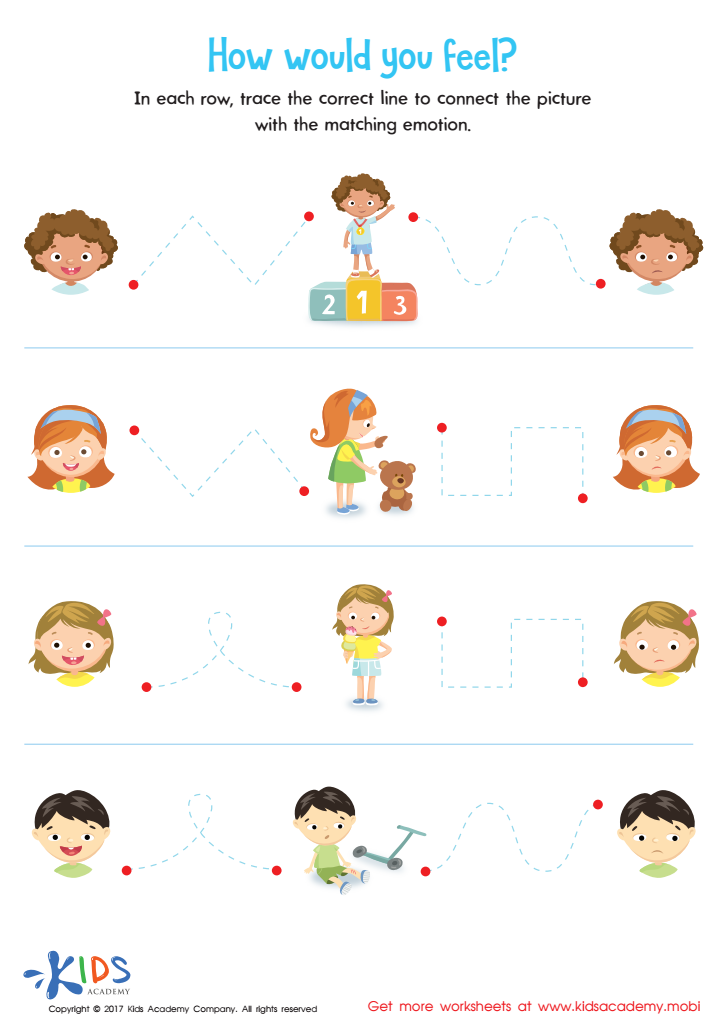
Feelings and Emotions Worksheet
Kids must learn how to deal with situations and handle their own emotions. This worksheet helps them practice empathy and resilience, making them more self-aware and confident. It also helps them to relate their life experiences to common disappointments and develop coping mechanisms.
Feelings and Emotions Worksheet
Worksheet
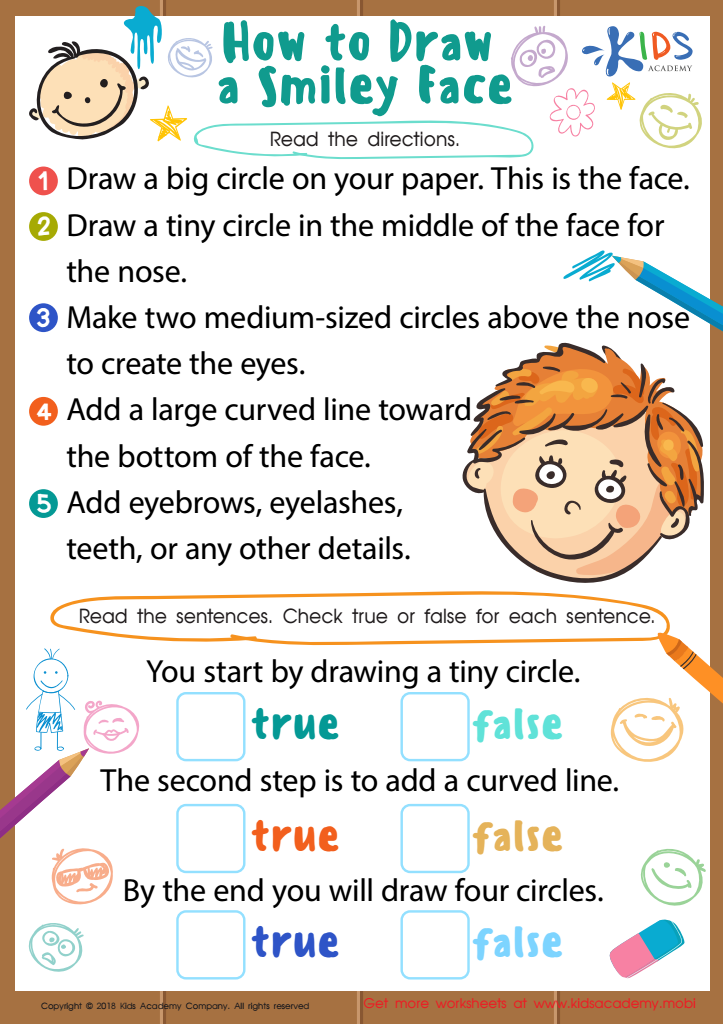
How to Draw a Smiley Face Worksheet
Can your students draw a smiley face? Simplify the process with this worksheet, which provides step-by-step instructions. Ask them to follow the directions, then check True or False for each sentence at the bottom of the page. A great way to teach kids how to easily draw a smiley face!
How to Draw a Smiley Face Worksheet
Worksheet
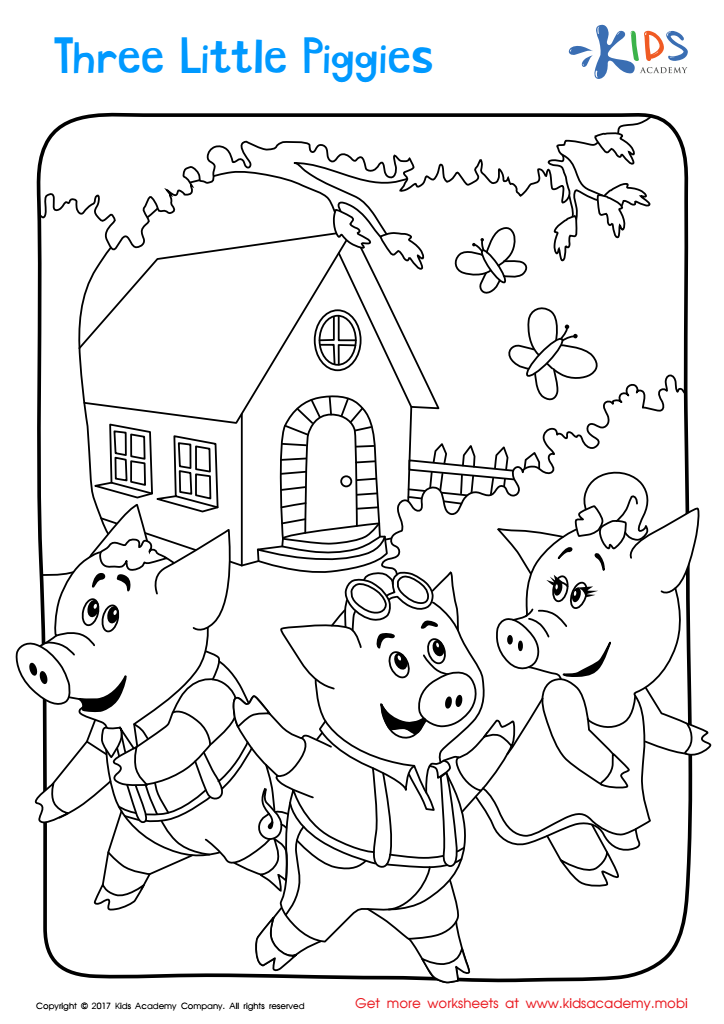
Three Little Piggies Printable Coloring Page
Recall a childhood favorite with your child and color in the Three Little Piggies printable. It's a great way to excite them for reading, as it helps them learn about characters and plot.
Download (PDF)
 Assign to My Students
Assign to My Students
Three Little Piggies Printable Coloring Page
Worksheet
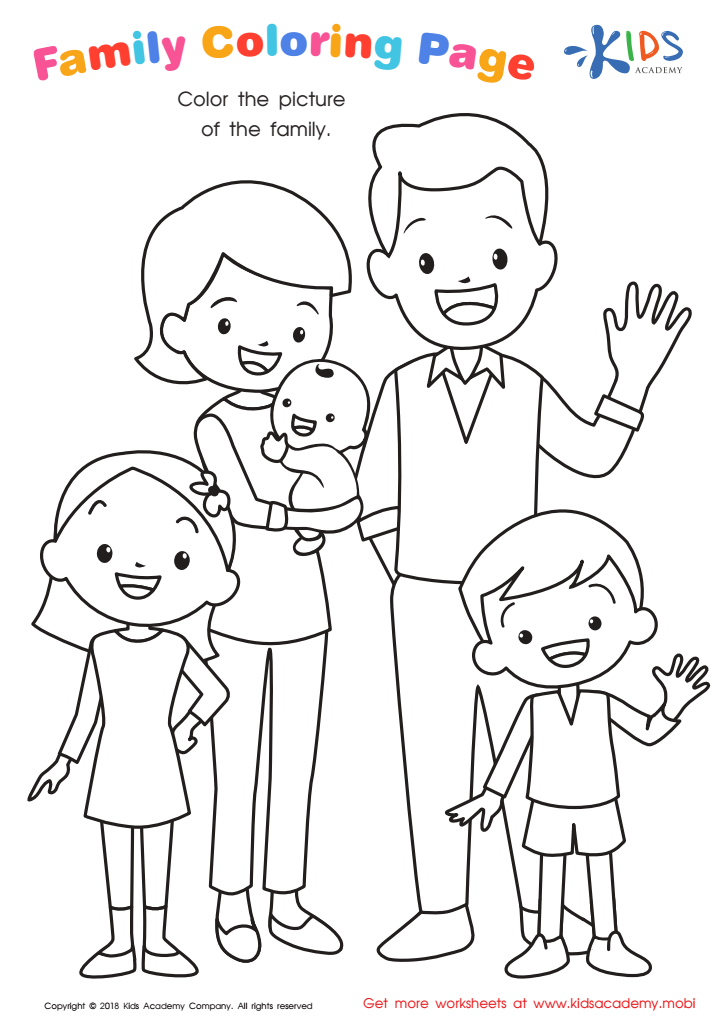
Family Coloring Page
Have fun coloring and naming each family member with this family worksheet! It's a great enrichment activity for those teaching social studies and community activities. Young students will practice fine motor skills and discuss family members on the printable. It's an excellent opportunity to talk about families!
Download (PDF)
Assign to My Students
Assign to My Students
Family Coloring Page
Worksheet
Join Kids Academy for Free
Who is primarily going to use this learning content?






Supporting emotional expression in children aged 6-8 is crucial for many reasons. First, it fosters emotional intelligence, which helps kids understand and manage their own feelings and empathize with others. This skill is foundational for building healthy relationships, both in and out of school. When children can express their emotions constructively, they are less likely to resort to negative behaviors like aggression or withdrawal. This leads to a more harmonious classroom and home environment.
Additionally, emotional expression impacts academic success. Children who feel understood and supported emotionally are more engaged, motivated, and ready to learn. Stress and unprocessed emotions can create barriers to concentration and memory, hindering academic performance. By teaching kids to express their feelings, parents and teachers help them develop resilience and coping strategies that can last a lifetime.
Moreover, open emotional climates promote trust. When children know they can share their feelings without judgment, they are more likely to seek help and communicate openly with adults, reducing risks associated with anxiety and depression.
In summary, by prioritizing emotional expression, parents and teachers equip children with essential life skills that influence their emotional well-being, academic success, and social development. The benefits are far-reaching, impacting the child’s future and overall happiness.








