
Improve handwriting Worksheets for Ages 6-8
3 filtered results
Difficulty Level
Grade
Age
-
From - To
Subject
Activity
Standards
Enhance your child’s handwriting skills with our educational "Improve Handwriting Worksheets" designed specifically for ages 6-8. Our collection includes engaging and interactive activities that make learning fun and effective. These worksheets focus on essential handwriting techniques, letter formation, and fine motor skills, helping young learners develop legible and fluid writing styles. Filled with a variety of exercises that cater to different learning levels, our resources promote confidence and skill mastery. Perfect for home or classroom use, these worksheets set the foundation for successful writing habits. Discover the joy of writing with our captivating and enjoyable handwriting materials!
Favorites
With answer key
Interactive
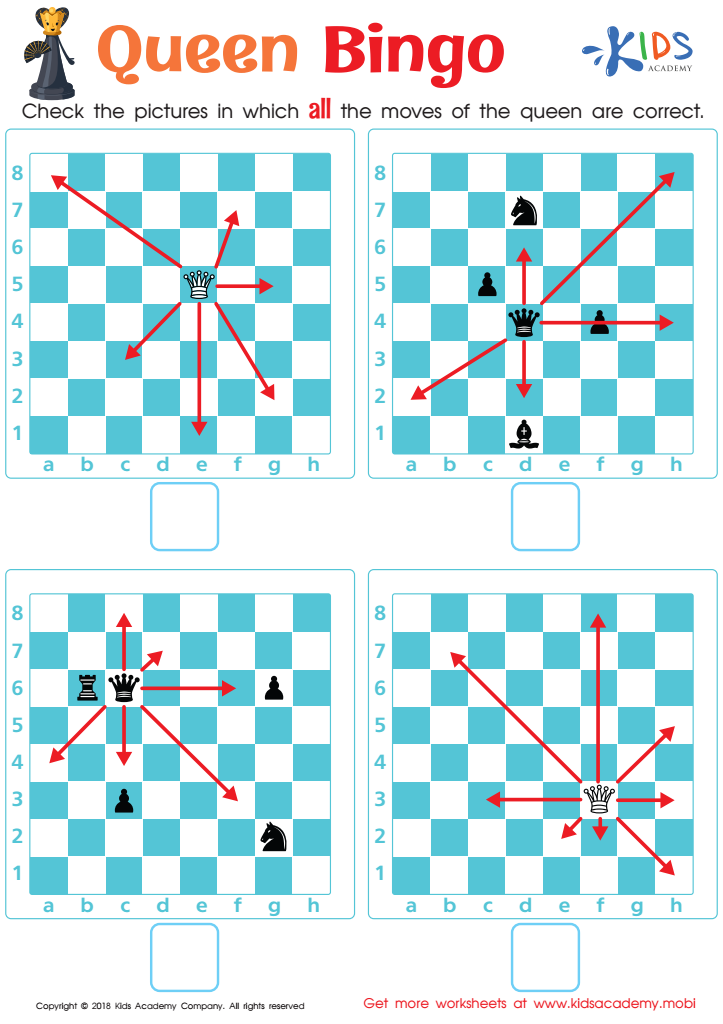
Queen Bingo Worksheet
Test your child's knowledge of chess rules and moves with this free worksheet! Kids look at four pictures and must decide if the queen moves are correct. This exercise helps hone your little one's chess skills!
Queen Bingo Worksheet
Worksheet
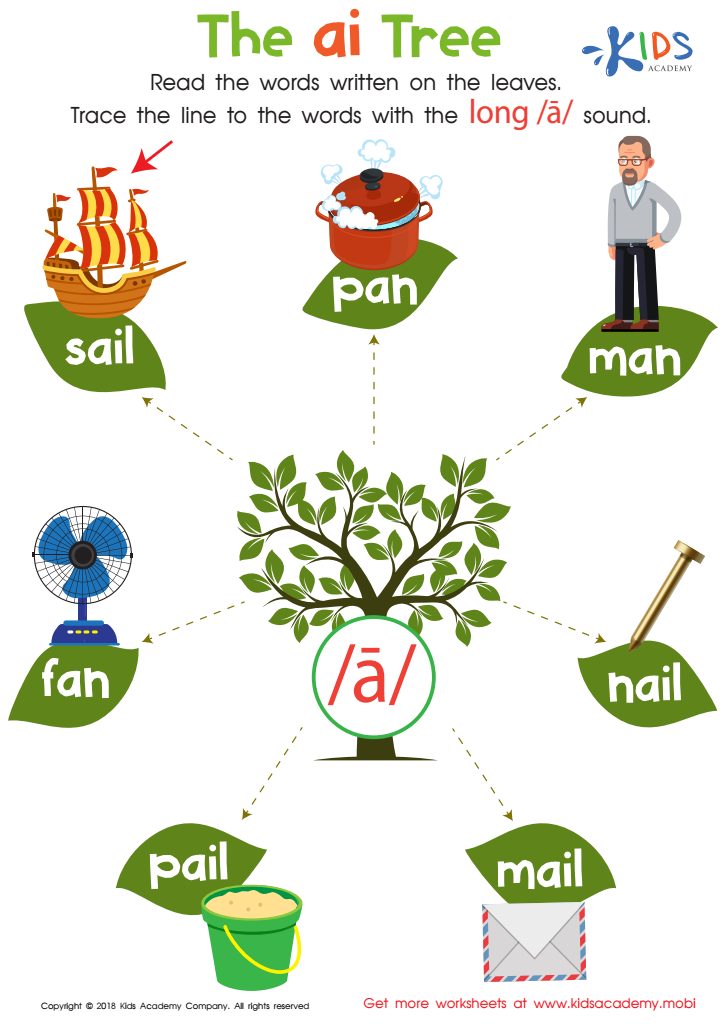
The AI Tree Worksheet
Help your kids learn to read better with this worksheet! Introduce the vowel pair 'ai' and give them familiar examples. Ask them to give you some in return. Then, have them read the words on the leaves and help them trace the ones with the long /a/ sound.
 Assign to My Students
The AI Tree Worksheet
Worksheet
Join Kids Academy for Free
Who is primarily going to use this learning content?







Improving handwriting for children aged 6-8 is crucial for several reasons. First, during this developmental stage, children are transitioning from learning letters to forming words and sentences. Fluent handwriting allows for more effective communication of their thoughts and ideas, which can boost their confidence.
Furthermore, neat handwriting is essential in school settings, as it can affect how teachers perceive students’ work. Clear, legible writing makes it easier for educators to evaluate a child's understanding of subject matter. Handwriting can also impact Grades, as assignments that are difficult to read might not receive the credit they deserve.
Moreover, handwriting is linked to fine motor skill development. As children practice their writing, they enhance their hand-eye coordination and dexterity, which are crucial for other tasks, such as drawing or using scissors.
Additionally, handwriting can influence self-esteem. Poor handwriting can lead to frustration and embarrassment for young learners, potentially discouraging them from expressing themselves. By focusing on improving handwriting, parents and teachers can foster a positive attitude toward writing, helping children enjoy the process of learning. Overall, enhancing handwriting is fundamental for academic success and personal growth during these formative years.








