Filters

28 filtered results

Clear all filters
Favorites
With answer key
Interactive

28 filtered results

Difficulty Level

Grade


Check out this FREE "Matching skills" Trial Lesson for age 6-8!

Match Digital to Analog Clocks

Favorites
With answer key
Interactive
  • 6-8
  • Matching skills
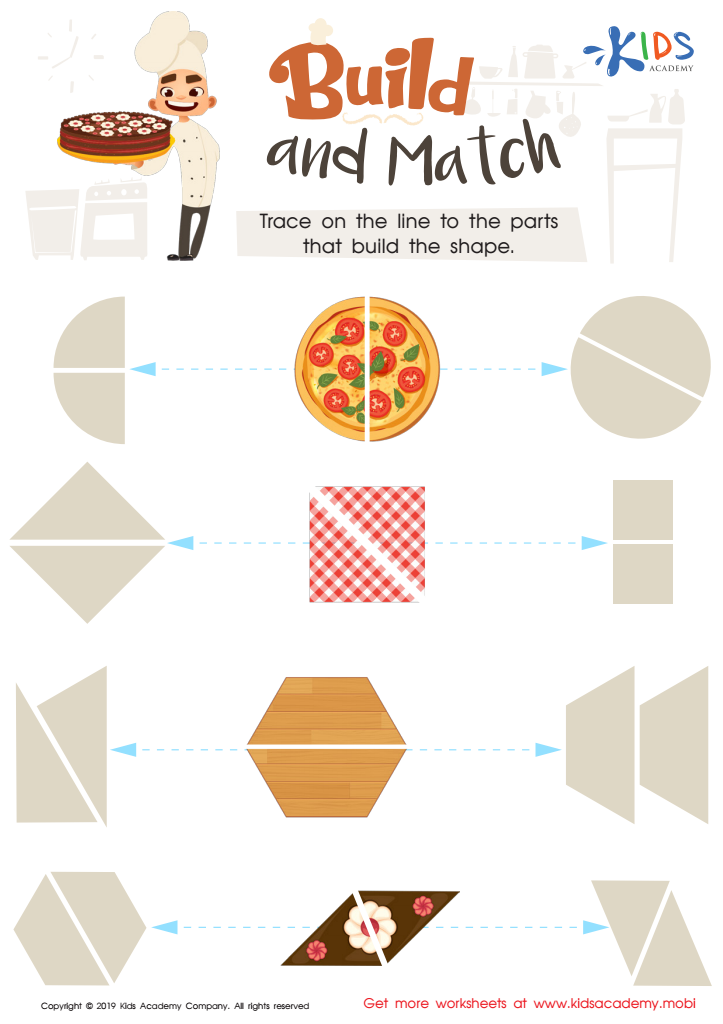
Build and Match Worksheet

Build and Match Worksheet

This bright worksheet will get your kids excited to learn more! Use the colorful images and shapes to engage them and have them trace the parts to build the shape. This fun exercise will help them retain the lessons and make it an enjoyable experience.
Build and Match Worksheet
Worksheet
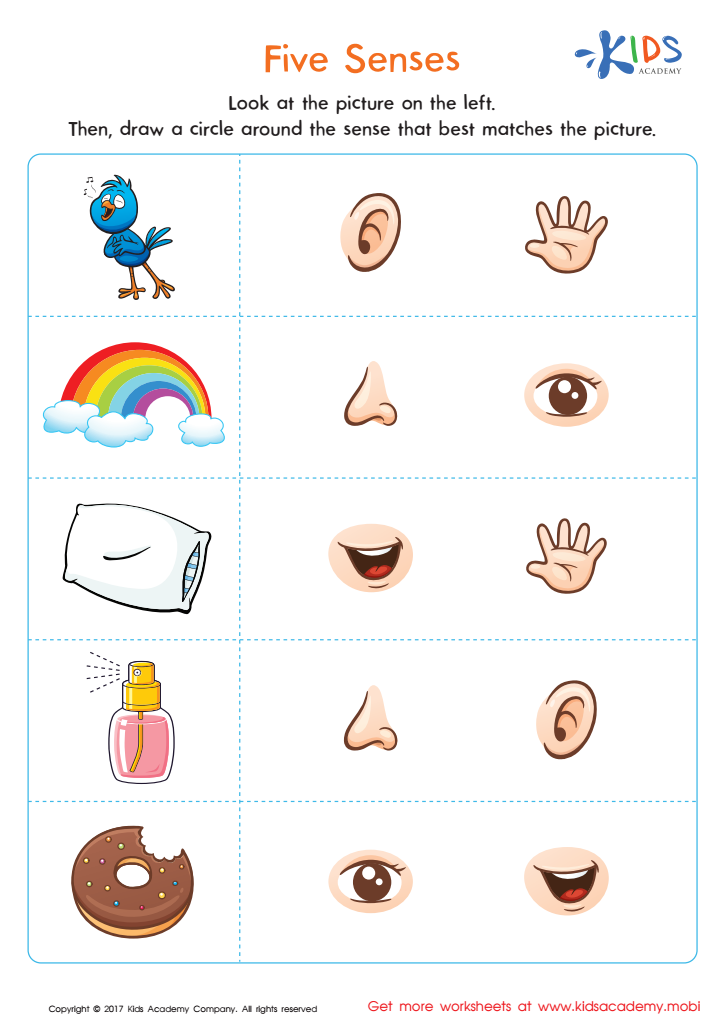
Free Printable Five Senses Worksheets

Five Senses Printable

For an easy way to jumpstart your child's critical thinking and introduce the five senses, print our free worksheets! These are great for reviewing each sense and practicing critical thinking skills. Work with your child and discuss each image. After completing the worksheet, find objects around the house so they can quiz themselves!
Five Senses Printable
Worksheet
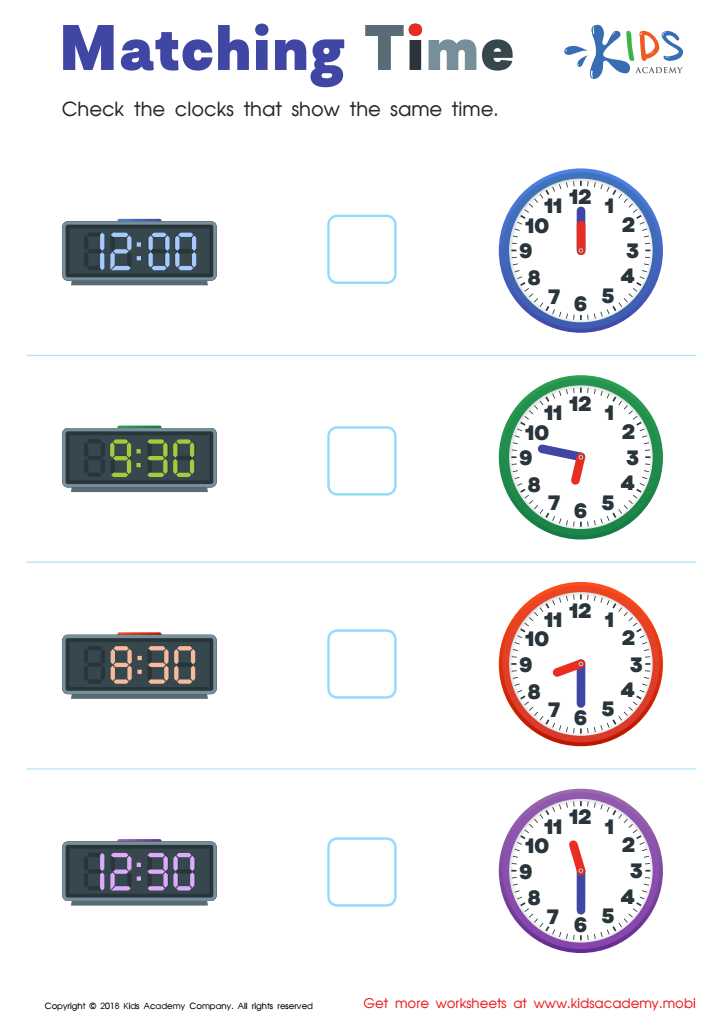
Matching Time Worksheet

Matching Time Worksheet

Teach your child to read time in both digital and analog formats with this helpful printout. They'll identify clocks that match in both formats and check them off. Colorful and engaging, it's a great way to help your child understand the concept of time-telling.
Matching Time Worksheet
Worksheet
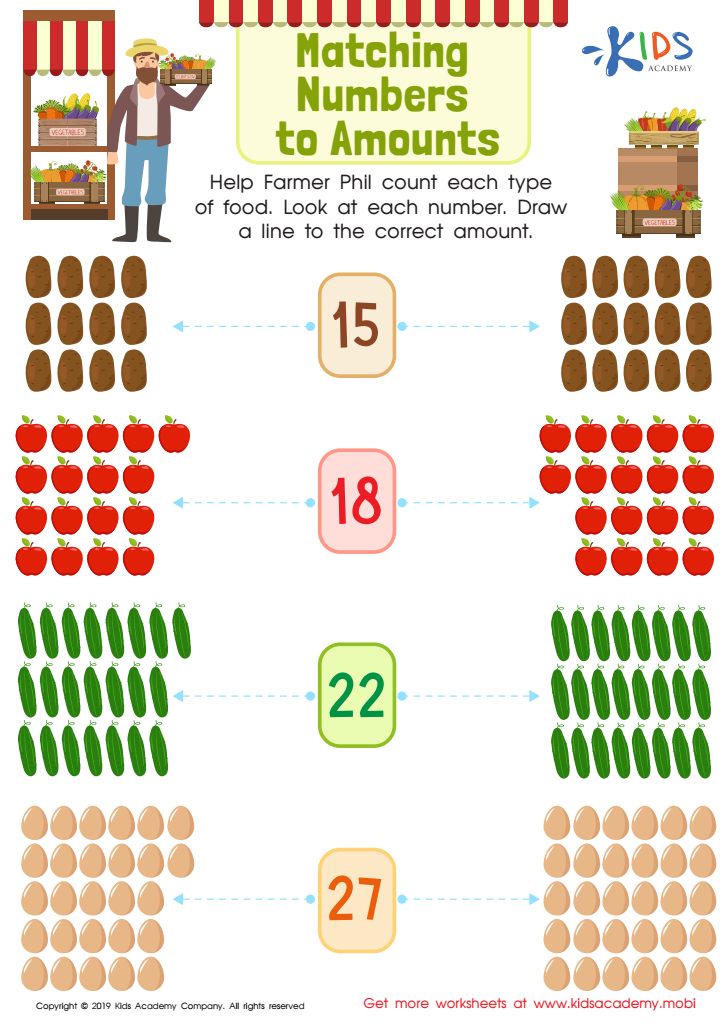
Matching Numbers to Amounts Worksheet


Matching Numbers to Amounts Worksheet
Farmer Phil needs your kid's help! Ensure they know the basics of math such as counting, adding and subtracting. Before beginning, help your child identify and count the different foods in the picture. Then, draw a line to the correct amount.
Matching Numbers to Amounts Worksheet

Worksheet


Matching skills are crucial for children aged 6-8, as they serve as a foundation for cognitive and academic development. At this age, children are beginning to refine their critical thinking abilities, and matching activities engage their memory, attention, and visual discrimination. By connecting items, whether they are pictures, words, or shapes, children enhance their understanding of relationships and categories, which fosters logical reasoning.

Parents and teachers should prioritize matching skills, as they support literacy and numeracy development. For instance, matching words to corresponding images helps with vocabulary acquisition, while sorting numbers or shapes hones mathematical concepts. Furthermore, these skills promote early problem-solving and analytical thinking, important competencies for future learning.

Additionally, matching games provide opportunities for social interaction and cooperative play, helping children develop communication skills and emotional intelligence. Engaging children in matching activities cultivates their focus and patience, encouraging them to stay on task and handle challenges constructively.

In summary, fostering matching skills in children aged 6-8 paves the way for academic success and essential life skills, making it an invaluable focus for parents and educators alike.