Mathematics skills Worksheets for Ages 6-8
3 filtered results
-
From - To
Enhance your child’s math proficiency with our engaging Mathematics Skills Worksheets for Ages 6-8. Designed to align with educational standards, these worksheets make learning math fun and effective. Each worksheet focuses on foundational skills such as addition, subtraction, counting, and more complex concepts including simple multiplication and division. Perfect for reinforcing classroom learning or providing extra practice at home, our printable activities help young learners build confidence and achieve math success. With colorful illustrations and interactive problems, these worksheets turn math practice into an enjoyable adventure. Foster your child's mathematical abilities today with Kids Academy's expertly crafted resources.
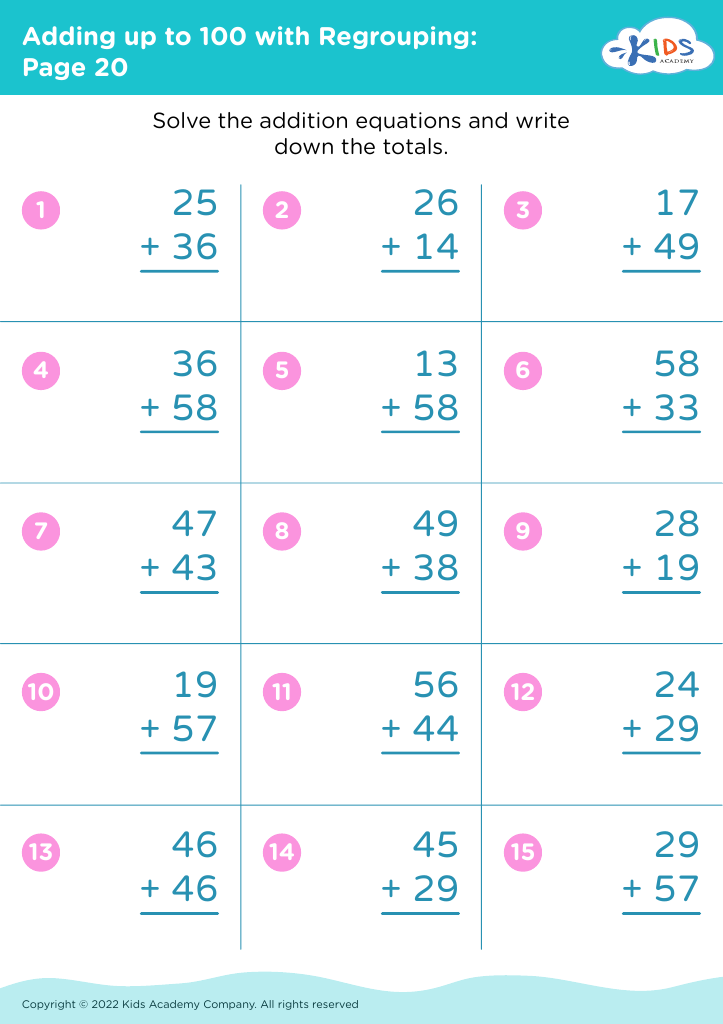
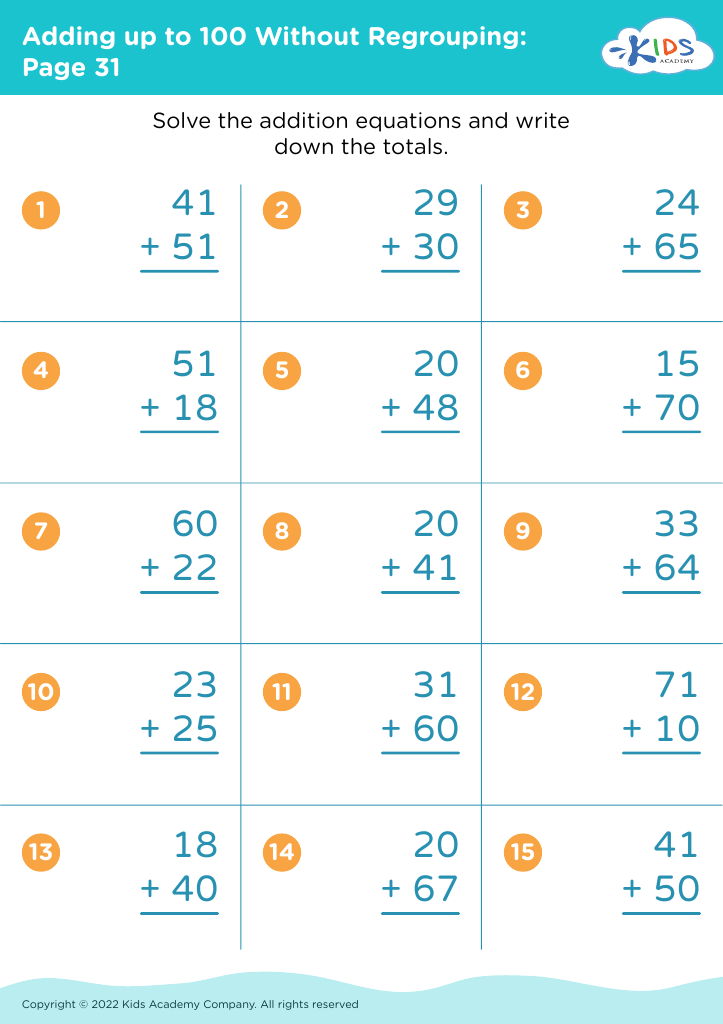
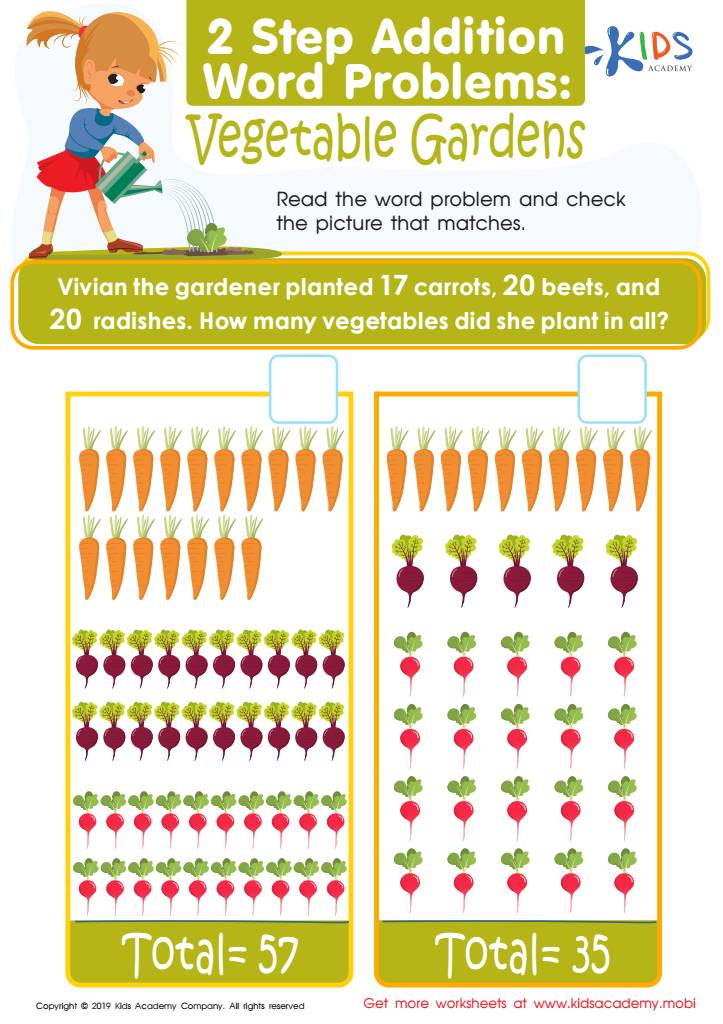
Vegetable Gardens Worksheet
 Assign to My Students







.jpg)
Mathematics is a fundamental skill that forms the building blocks for children’s academic and real-life problem-solving abilities. For ages 6-8, developing strong math skills is crucial because these are the formative years where children build the foundation for future learning. Early proficiency in math boosts logical thinking, analytical abilities, and critical problem-solving skills. It helps children grasp concepts related to numbers, patterns, shapes, and measurements, which are applicable in everyday situations.
Moreover, understanding math enhances children’s ability to engage in structured thinking. By learning to follow steps and processes in math, kids develop discipline and the capability to approach challenges methodically. This, in turn, fosters a positive attitude towards learning and reduces math anxiety later in life.
Mathematics also supports other learning areas. Good numerical skills can improve a child's understanding in sciences, help in artistic designs (e.g., recognizing patterns and spatial concepts), and even aid in literacy by recognizing sequences in stories.
Furthermore, studies show that early math skills are a significant predictor of later academic success, not just in mathematics but across all subjects. Therefore, reinforcing math learning for children aged 6-8 equips them with essential skills for both their current educational journey and future endeavors. Parents and teachers should prioritize fostering a love and competency for math at these early stages.








