Practice writing numbers Worksheets for Ages 6-8
7 filtered results
-
From - To
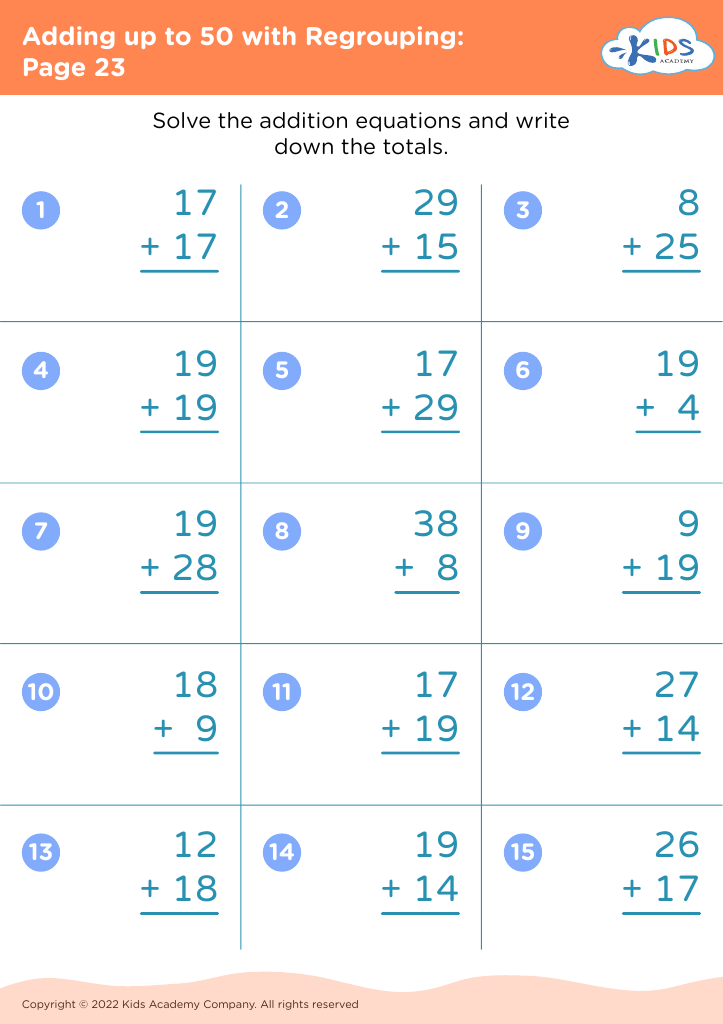
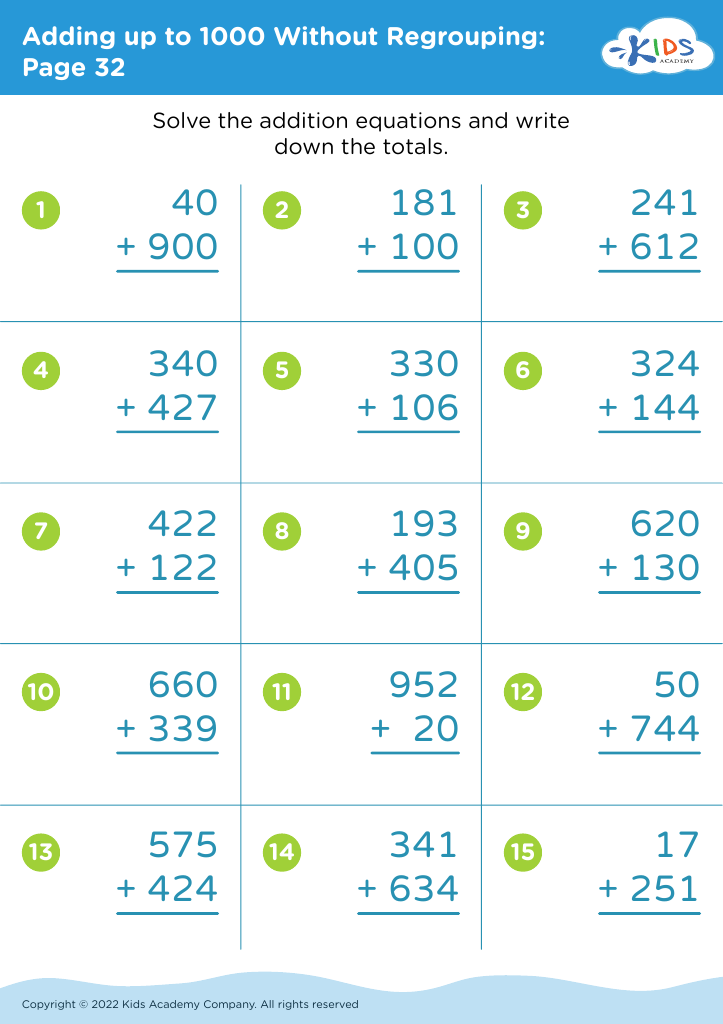
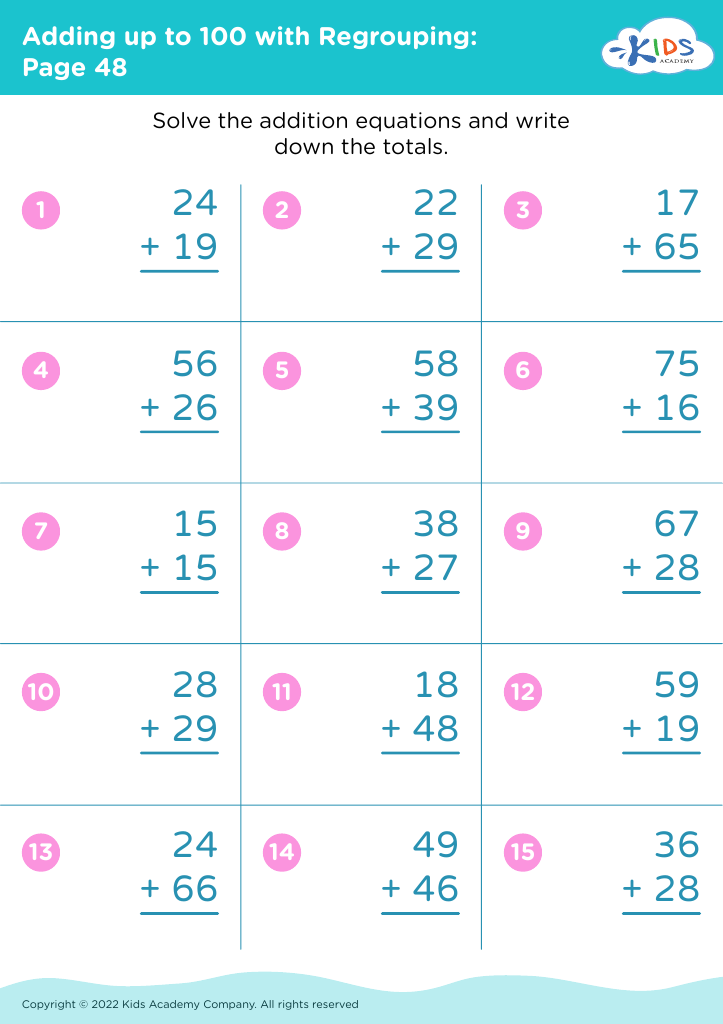
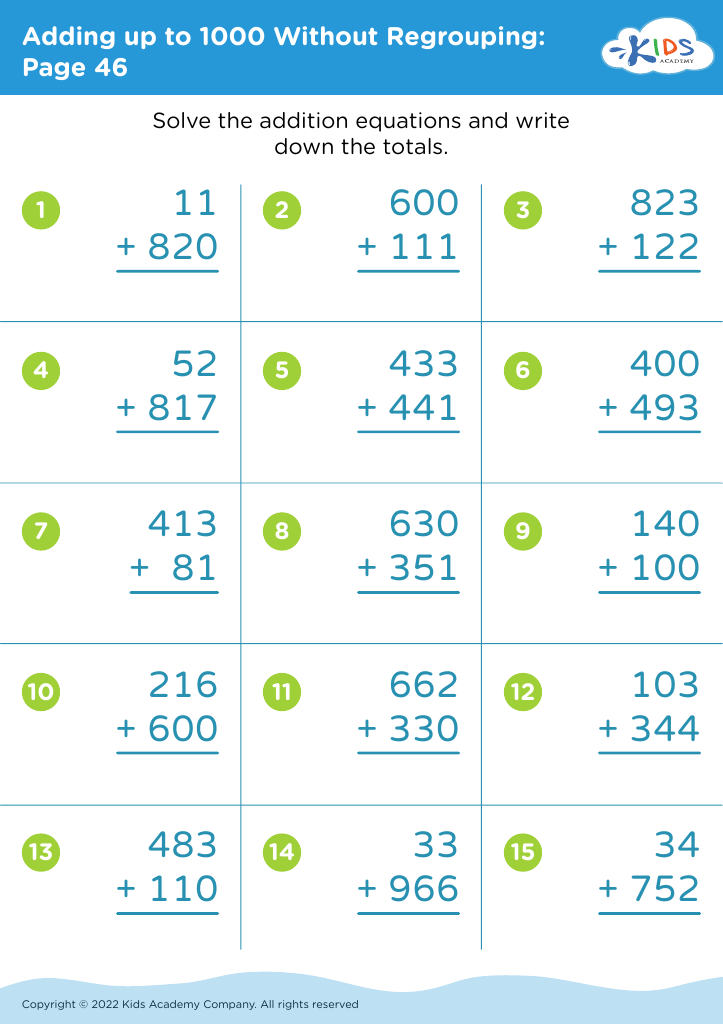
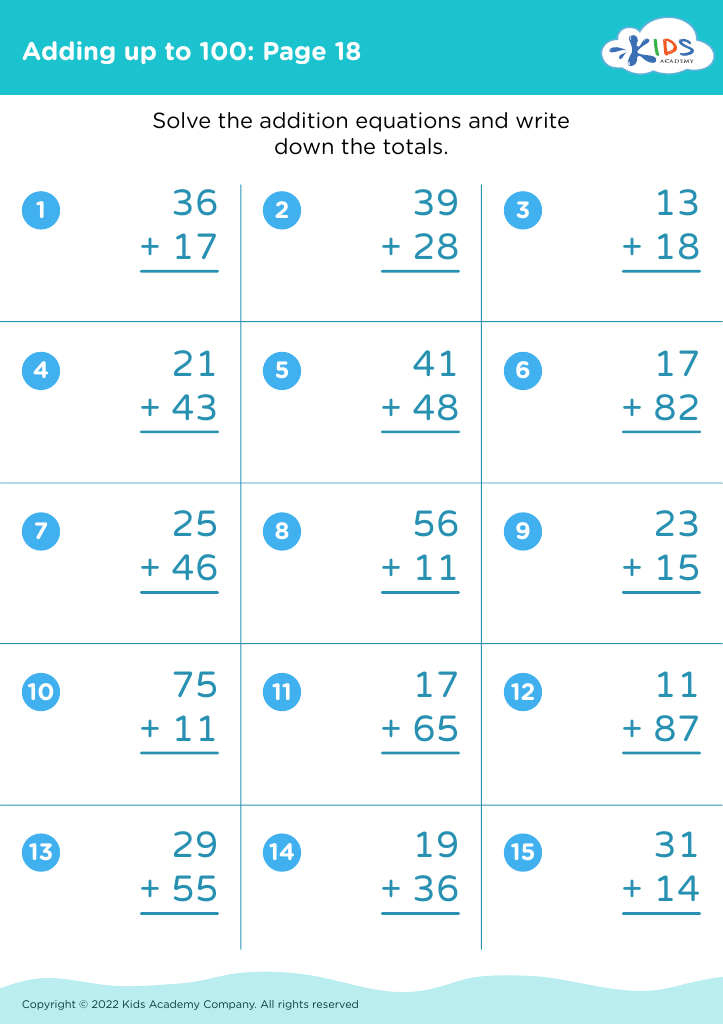
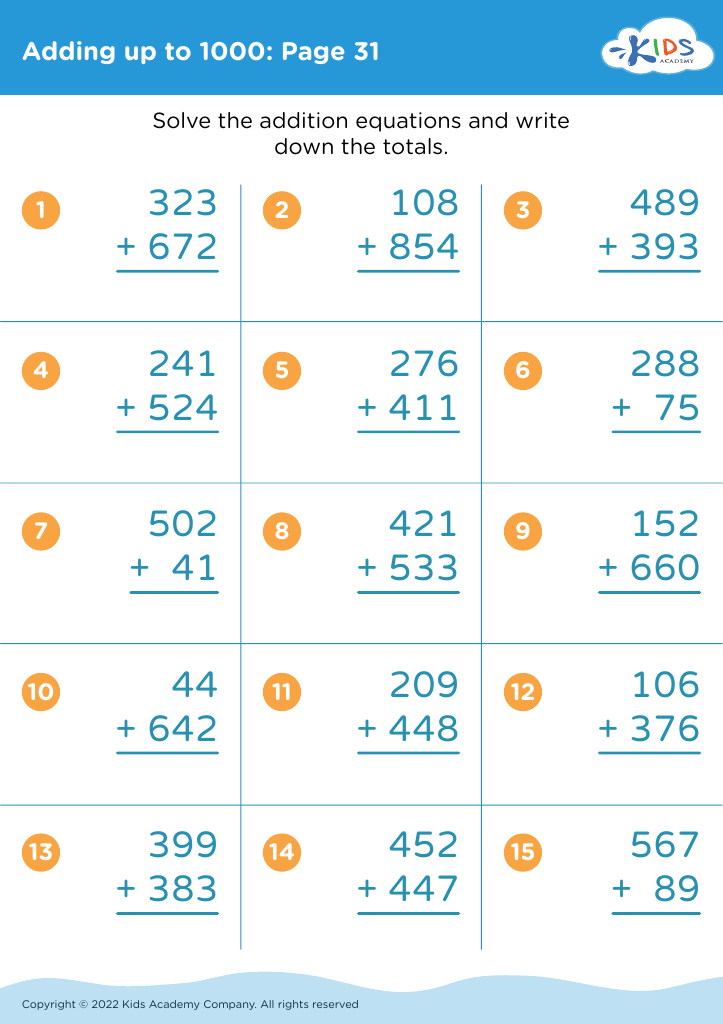
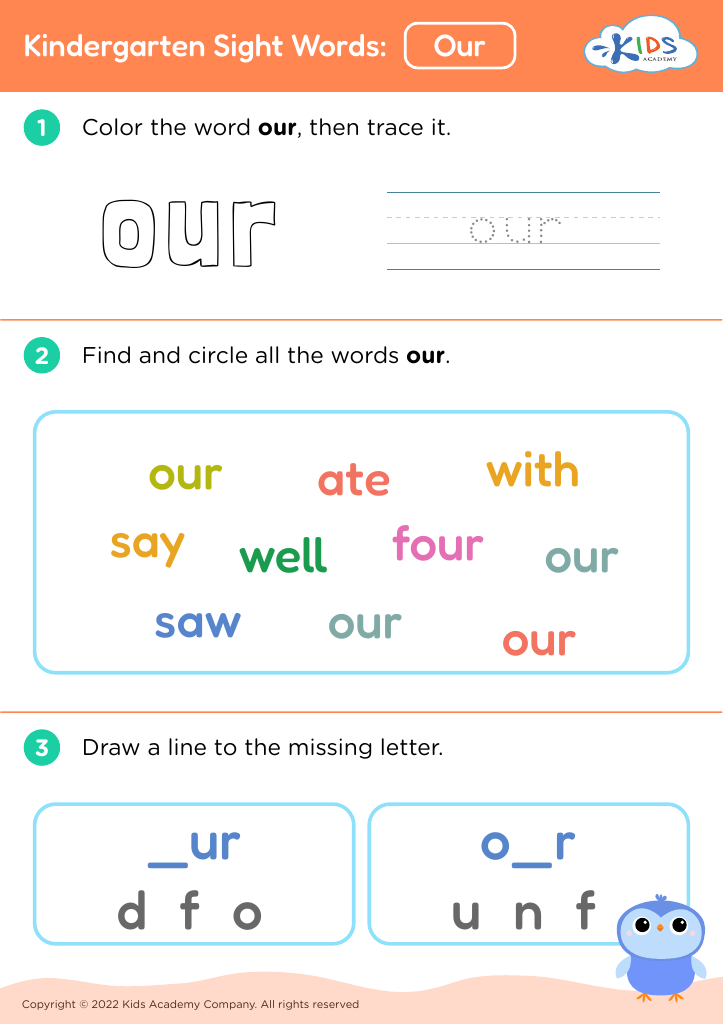
Explore our engaging "Practice Writing Numbers Worksheets" designed specifically for children aged 6-8. These worksheets provide a fun and interactive way for young learners to enhance their number writing skills. Each worksheet features guided practice, allowing kids to trace, write, and master their numerals from 1 to 100. With a variety of exercises, including identifying numbers and completing sequences, children will gain confidence in their abilities. Tailored to meet educational standards while keeping learning enjoyable, our resources are perfect for homeschooling, extra practice, or classroom activities. Start fostering your child's mathematics foundation today with our thoughtfully designed worksheets!







Practicing writing numbers is crucial for children aged 6 to 8, as it lays the foundation for their future mathematical skills. At this age, children transition from simple number recognition to more complex numerical concepts. When adults encourage practice, they contribute to the development of fine motor skills, enhancing hand-eye coordination, dexterity, and control. This physical engagement is essential as children learn to form numbers correctly, which in turn builds their confidence in their writing abilities.
Moreover, writing numbers helps reinforce the understanding of their values and relationships, aiding in mastering basic arithmetic operations such as addition and subtraction. Familiarity with number formation is a stepping stone to more advanced math concepts like multiplication and division, making it imperative for parents and teachers to prioritize this skill.
Additionally, practicing writing numbers provides a sense of accomplishment, motivating children to engage further with math. It encourages discipline and patience, essential qualities in academic success. By emphasizing number writing practice, adults not only support children's immediate learning but also offer strategic skills for lifelong learning, making it a pivotal aspect of early education that should not be overlooked.








