Problem-solving ability Worksheets for Ages 6-8
5 filtered results
-
From - To
Enhance your child's critical thinking and problem-solving skills with our engaging worksheets designed for ages 6-8! Our carefully crafted activities foster creativity and logical reasoning through fun, interactive exercises. From puzzles and riddles to real-life problem scenarios, these worksheets develop key cognitive abilities while keeping kids entertained. Ideal for use at home or in the classroom, each worksheet aligns with educational standards to support academic growth. Help your child build a strong foundation in problem-solving that will benefit them throughout their education journey. Discover a world of learning with our trusted and highly effective resources.
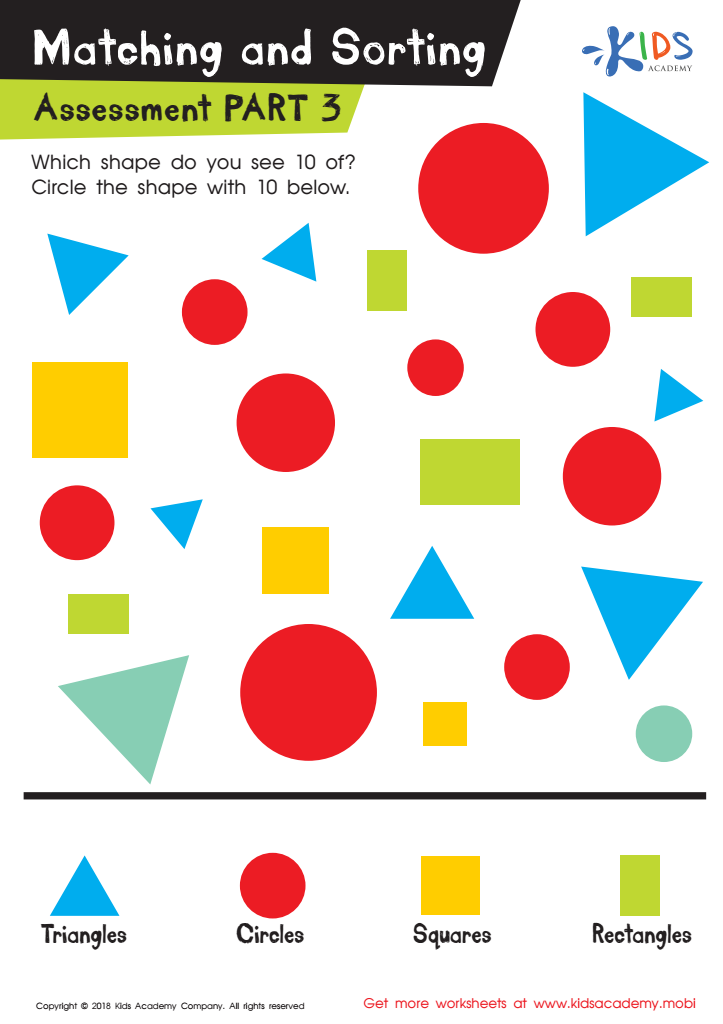
Matching and Sorting for Kindergarten: Assessment 3 Worksheet
 Assign to My Students
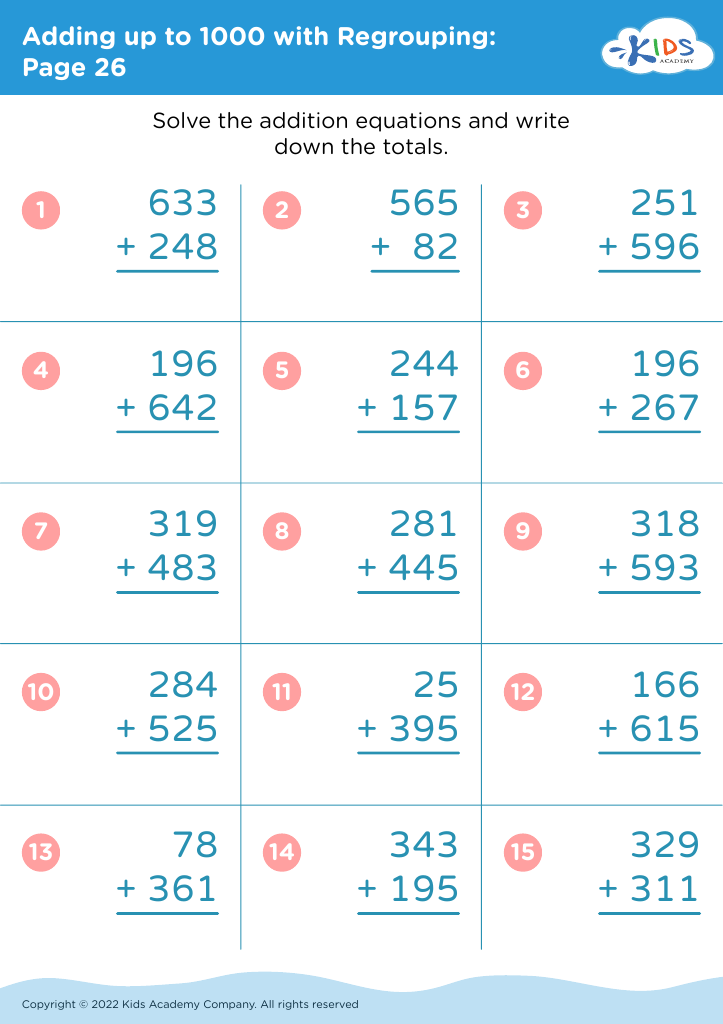
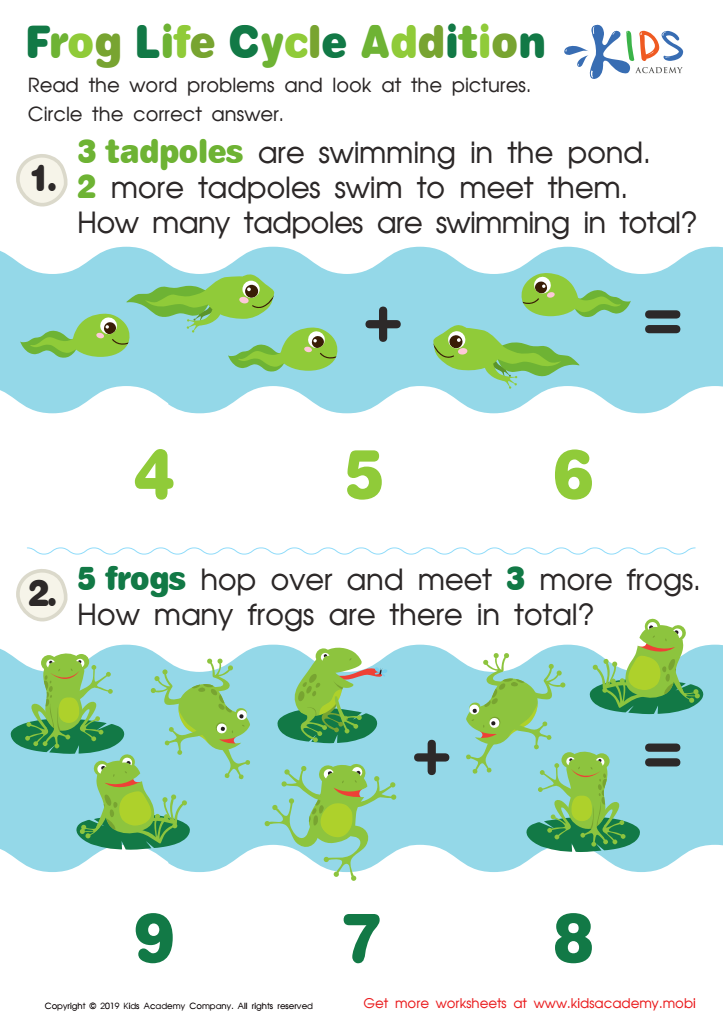
Frog Life Cycle Addition Worksheet
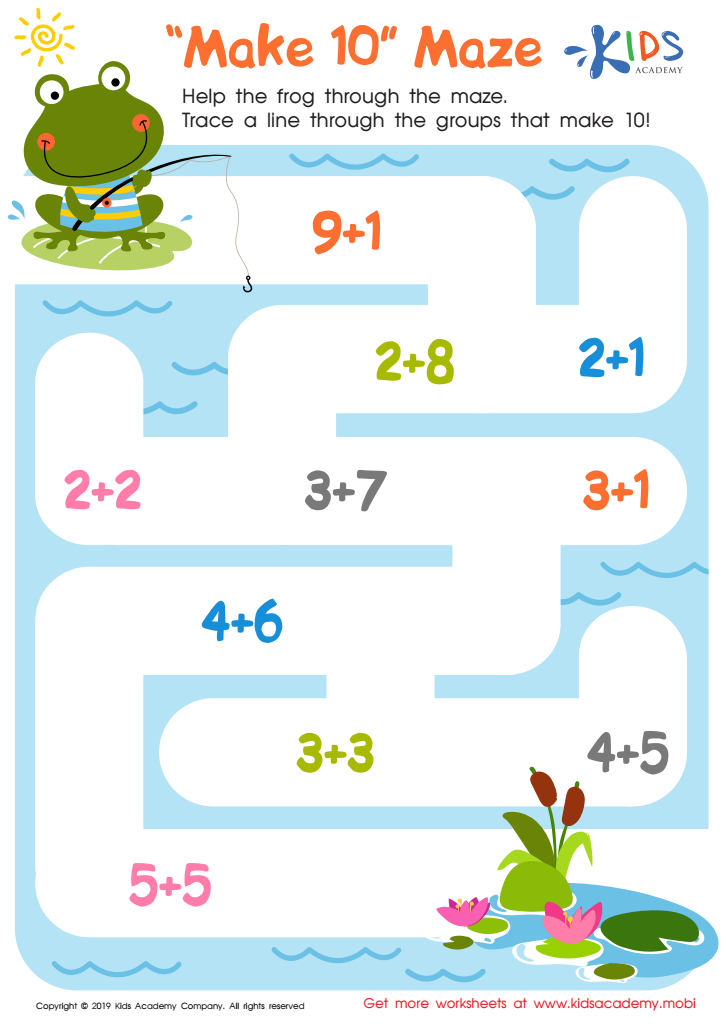
Make 10 Maze Worksheet

Animal Hide and Seek Worksheet







.jpg)
Problem-solving ability is a crucial skill for children ages 6-8, as it lays the foundation for their future cognitive, social, and emotional development. At this formative stage, children encounter various challenges that require independent thought, creativity, and resilience. By nurturing problem-solving skills, parents and teachers empower children to navigate these situations more effectively.
Developing problem-solving skills enhances critical thinking and decision-making abilities. When children learn to approach problems systematically, considering different solutions and predicting outcomes, they become more adept at handling complex tasks both academically and in everyday life. This cognitive development contributes to better performance in subjects like math and science, where problem-solving is integral.
Moreover, problem-solving skills foster social and emotional intelligence. Children learn to communicate their ideas, negotiate with peers, and collaborate on group tasks. These interactions build empathy, patience, and the ability to persevere in the face of difficulties, all of which are essential for healthy relationships.
Additionally, fostering a strong problem-solving foundation now contributes to long-term self-confidence and independence. Children who believe they can tackle challenges are more likely to take on new opportunities, set goals, and enjoy learning.
In summary, prioritizing problem-solving skills for young children helps build a well-rounded, resilient individual capable of thriving in various facets of life.








