Understand sequences Worksheets for Ages 6-8
5 filtered results
-
From - To
Unlock your child’s potential in early math with our 'Understand Sequences' worksheets designed for ages 6-8! These engaging activities will help young learners grasp the concept of sequences through fun and interactive exercises. Your child will explore essential skills such as ordering numbers, identifying patterns, and predicting outcomes, all while honing their critical thinking abilities. With colorful illustrations and age-appropriate challenges, our worksheets offer a perfect blend of education and enjoyment. They’re ideal for both classroom settings and home learning, ensuring your child builds a strong foundation in math. Start your child's journey to mastery today with our easy-to-use resources!
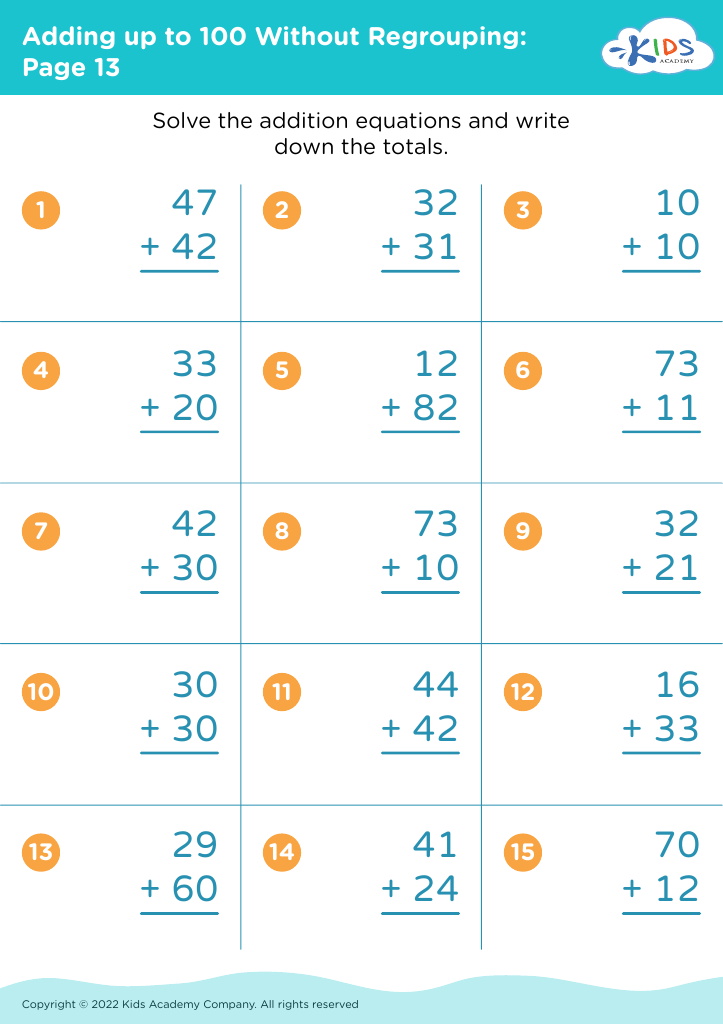
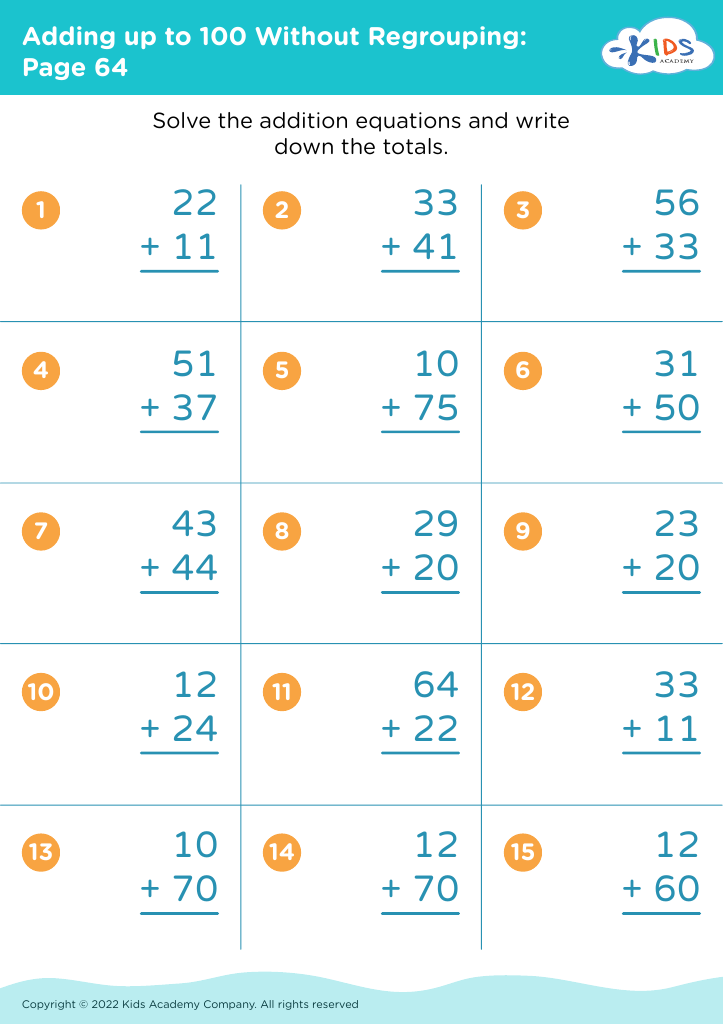
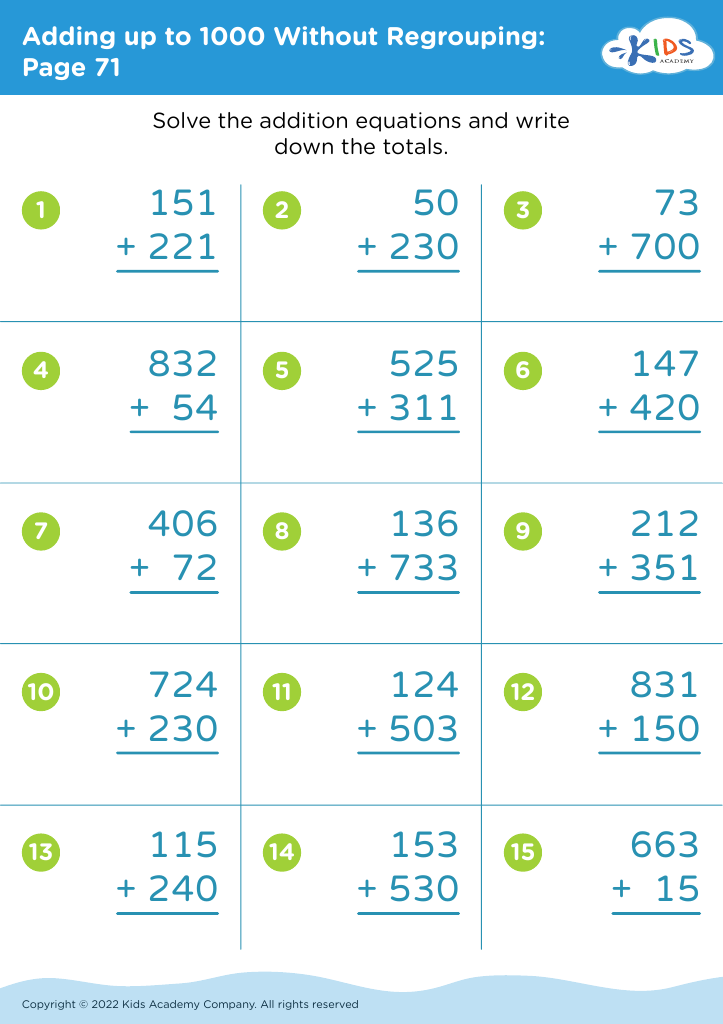
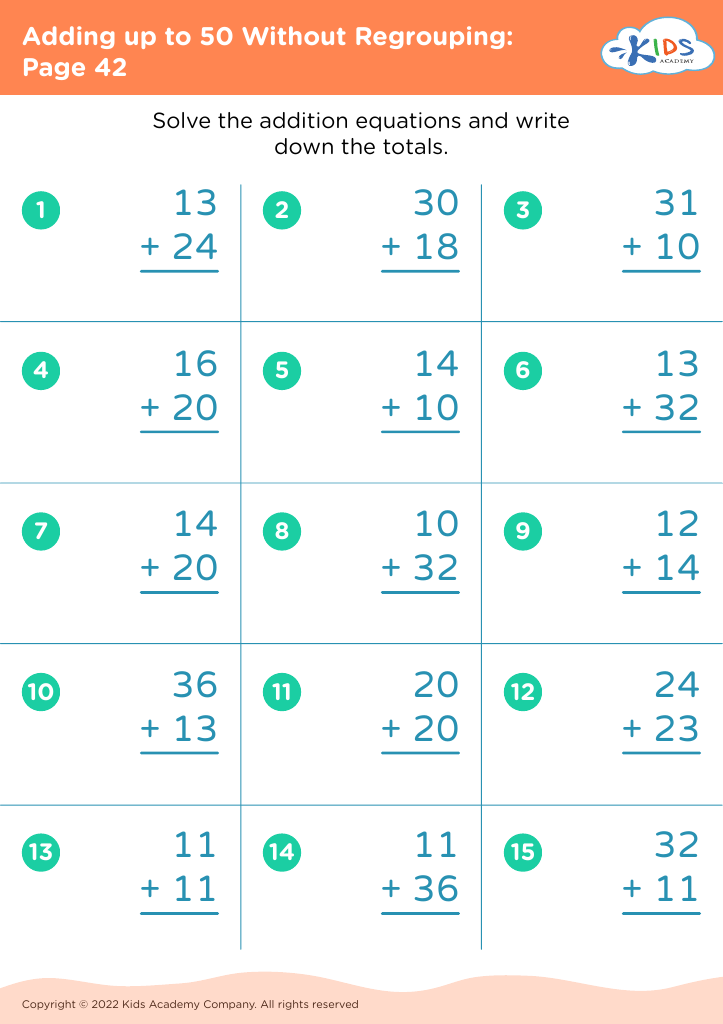






Understanding sequences is a fundamental skill for children aged 6-8, as it lays the groundwork for cognitive development and academic success. At this stage, children begin to explore numerical patterns and language structures, which are essential in both math and literacy. Sequencing helps them make sense of the world around them, as it promotes logical thinking, critical problem-solving abilities, and organizational skills.
When children grasp the concept of sequences, they can better comprehend narratives in stories, follow instructions in various tasks, and understand the order of operations in math. This skill fosters improved reading comprehension, as they analyze storylines and draw conclusions based on events' progression.
Furthermore, sequences are integral to broader learning concepts. For instance, they support early math skills like counting, addition, and pattern recognition, which are crucial for future concepts in algebra and mathematics. In literacy, recognizing the sequential structure enhances writing skills, enabling students to express their ideas clearly and coherently.
Ultimately, when parents and teachers prioritize sequencing, they equip children with tools for successful learning, guiding them on a path to academic achievement and critical life skills needed beyond the classroom.








