Understanding measurement Worksheets for Ages 6-8
3 filtered results
-
From - To
Explore our engaging "Understanding Measurement Worksheets" designed for children ages 6-8! These worksheets provide a fun and interactive way for young learners to grasp essential measurement concepts. Through various activities, kids will learn to identify and compare different units of measurement, including length, weight, and volume. Each worksheet encourages hands-on practice, helping to build confidence in using measurement tools. Suitable for home or classroom use, our resources are crafted to enhance critical thinking skills while making learning enjoyable. Dive into our collection today to support your child’s educational journey in mastering measurement fundamentals!
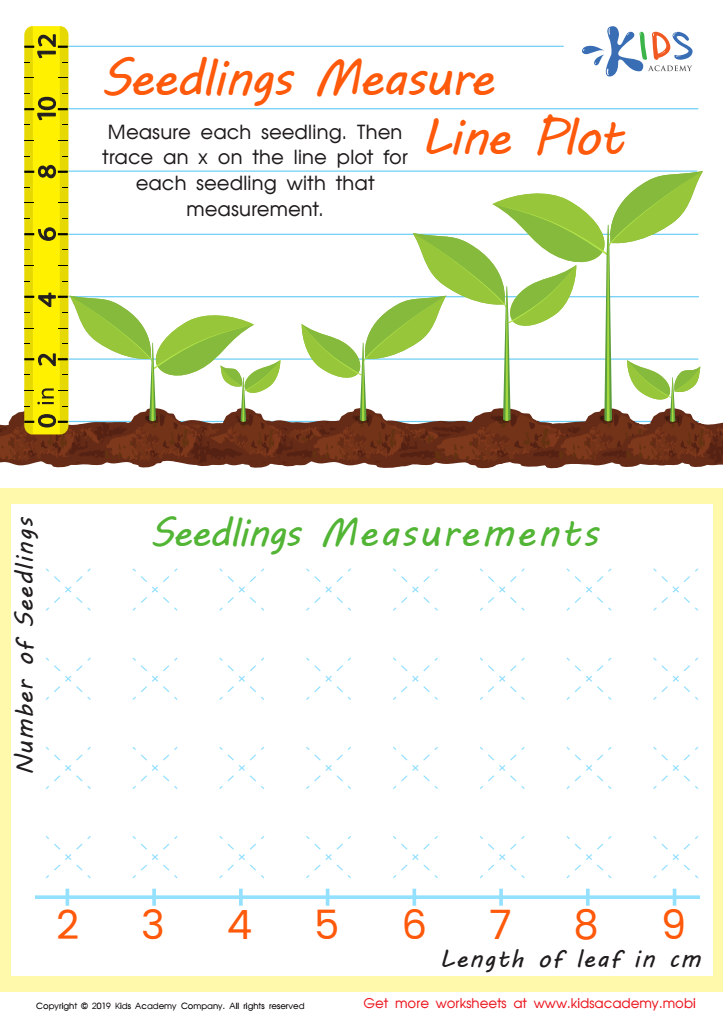
Seedling Measure Line Plot Worksheet
 Assign to My Students
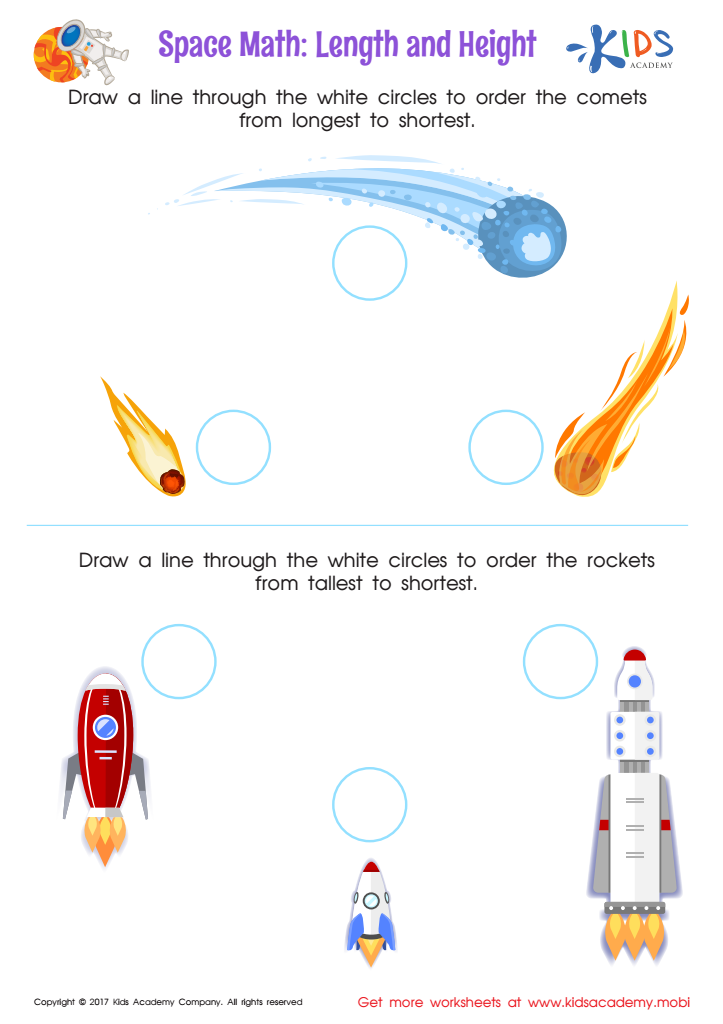
Space Math Worksheet
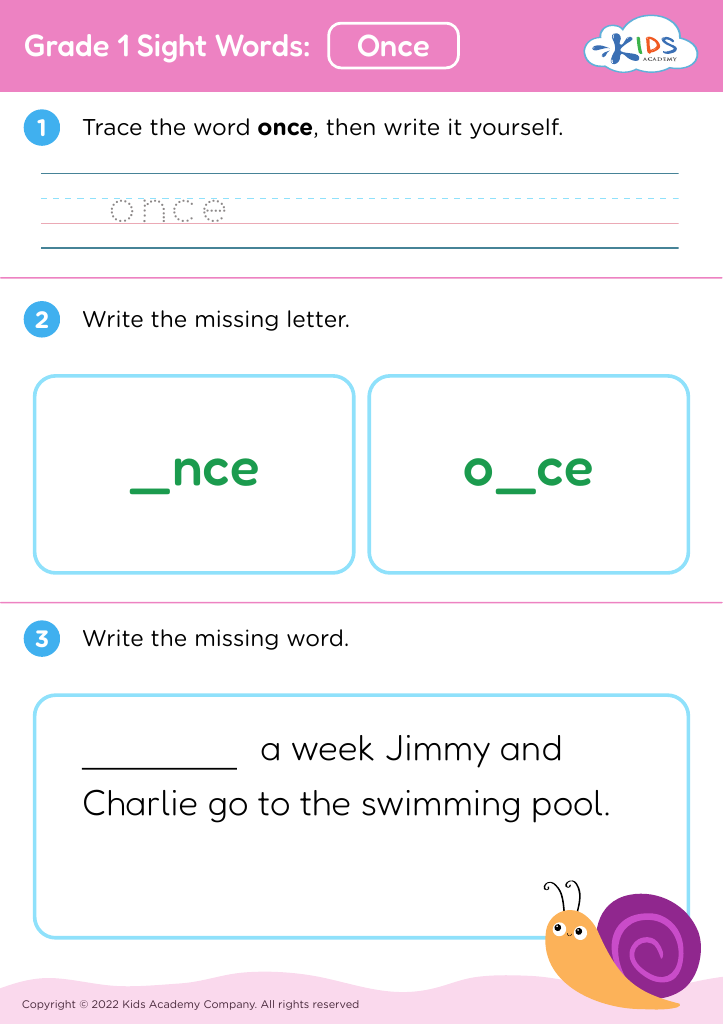





Understanding measurement is crucial for children aged 6-8 as it lays the foundation for essential mathematical skills and real-world applications. At this developmental stage, children are naturally curious, and incorporating measurement into their learning helps nurture this curiosity. Engaging with concepts such as length, weight, and volume through hands-on activities makes abstract ideas tangible and promotes problem-solving skills.
Measurement skills are not just important in math; they are essential in everyday life. Parents and teachers should care because these skills enable children to understand how to compare and contrast objects, estimate quantities, and apply reasoning. Whether cooking, crafting, or engaging in sports, understanding measurement empowers children with the ability to participate confidently in activities that involve spatial awareness and calculations.
Furthermore, early exposure to measurement fosters critical thinking and boosts overall cognitive development. By incorporating measurement into play and everyday tasks, parents and teachers can help children develop a positive attitude toward math, making future learning more accessible. Ultimately, instilling a strong grasp of measurement concepts cultivates lifelong skills that offer children greater independence and self-sufficiency as they grow older.








