Shape Recognition Adding up to 1000 Worksheets for Ages 6-8
11 filtered results
-
From - To
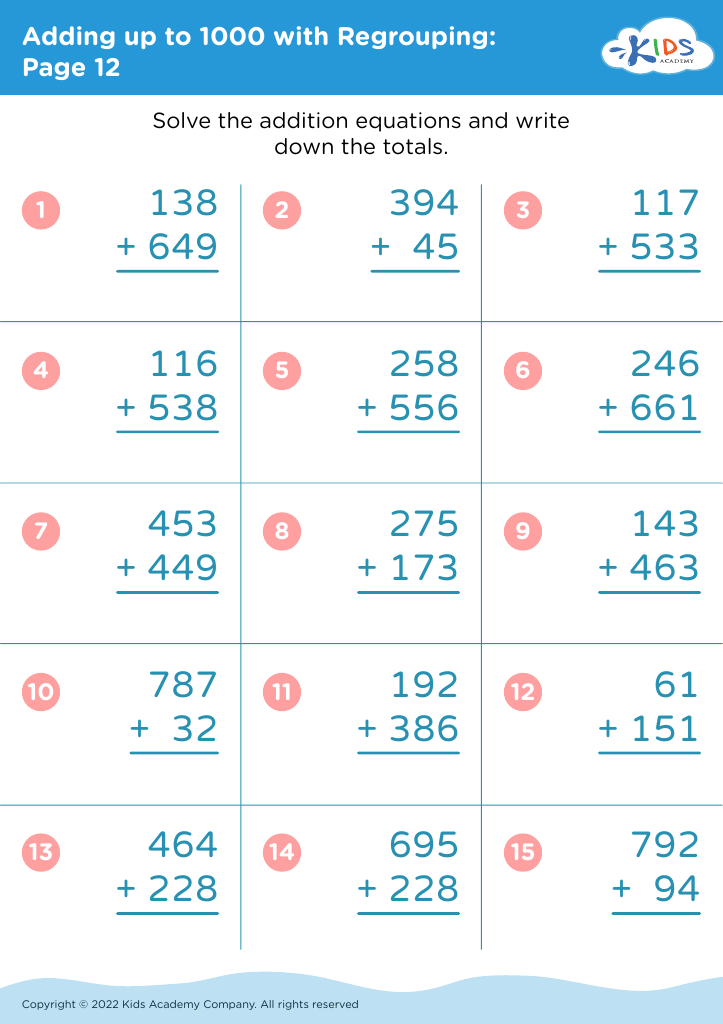
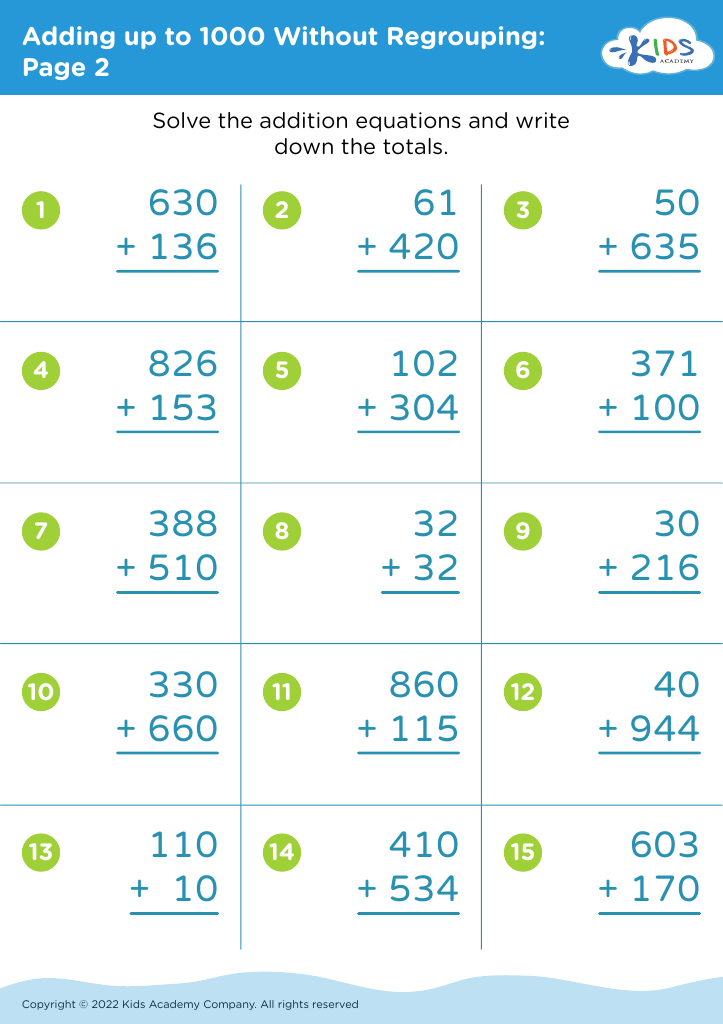
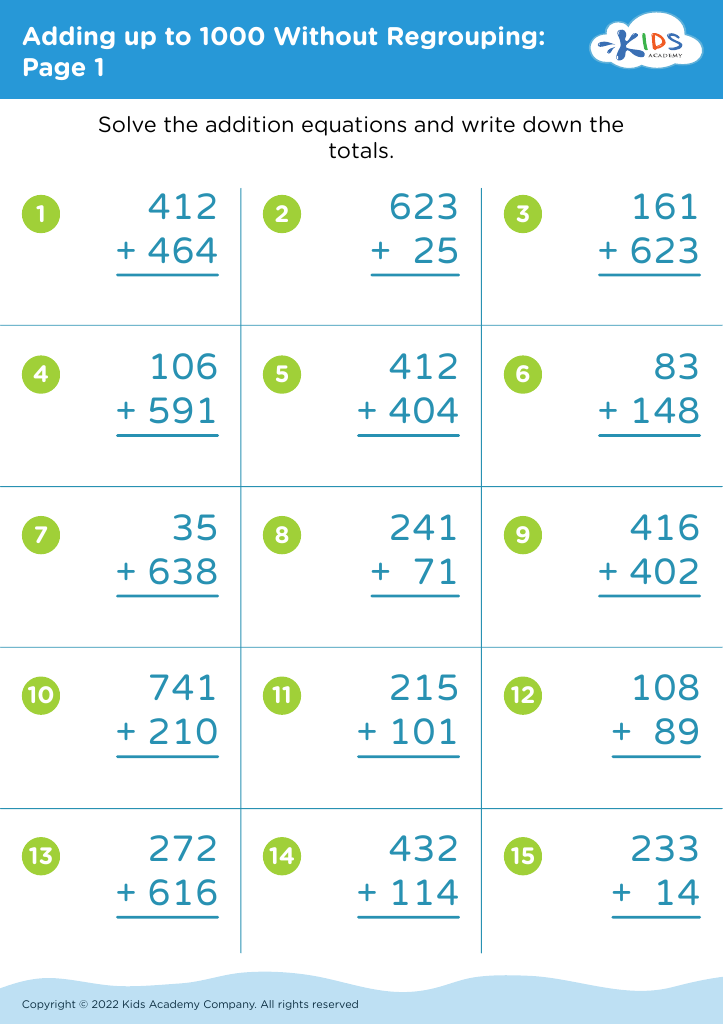
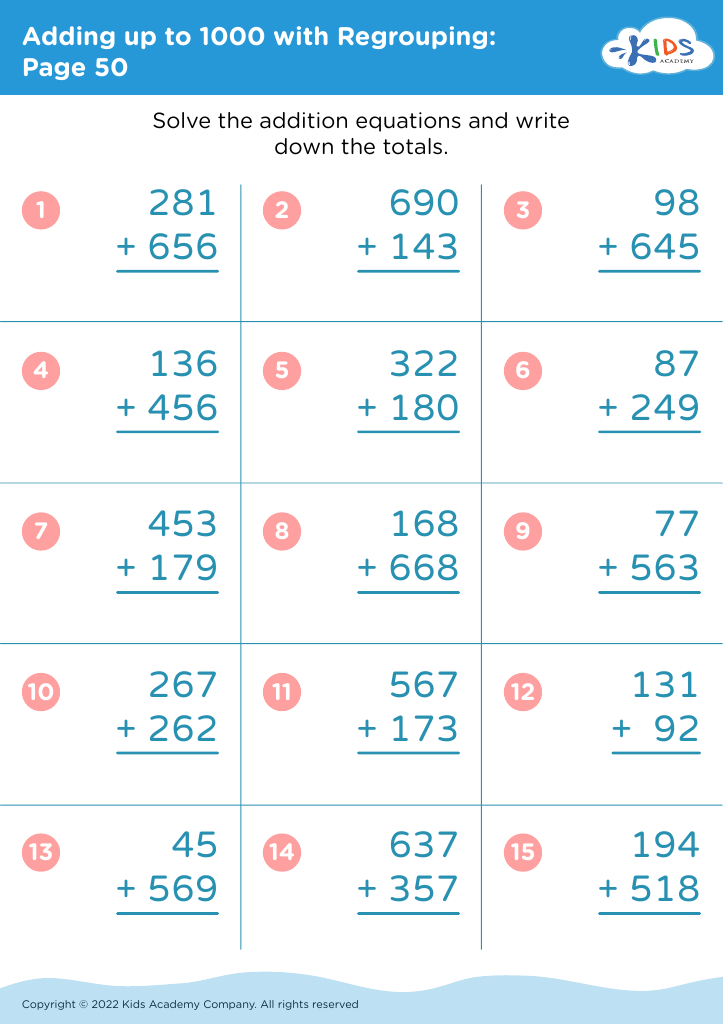
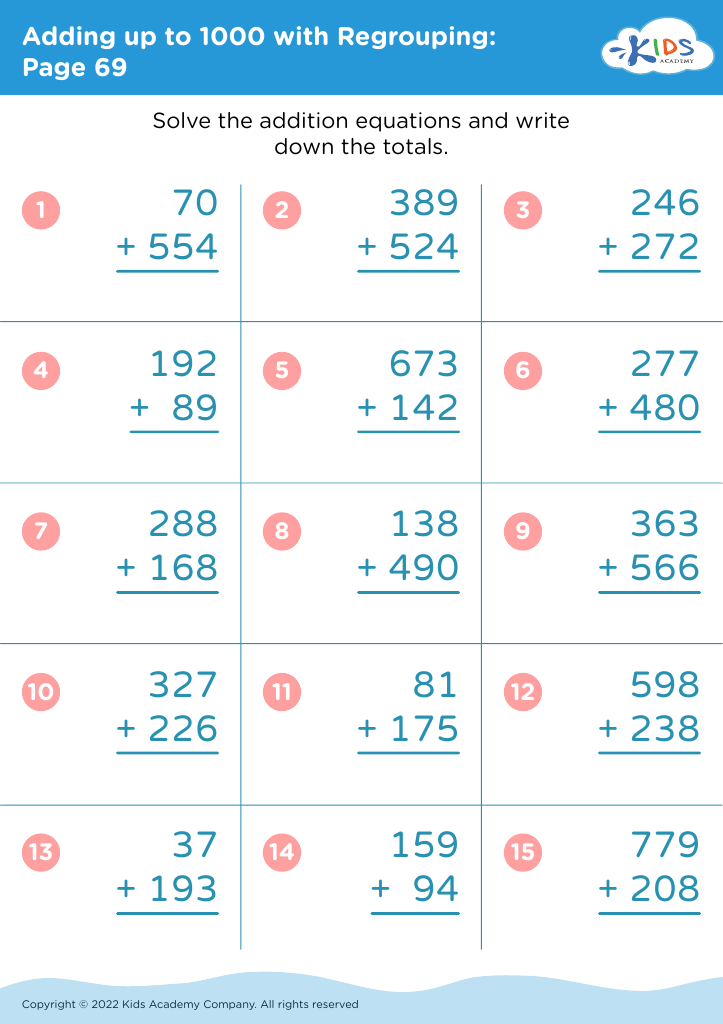
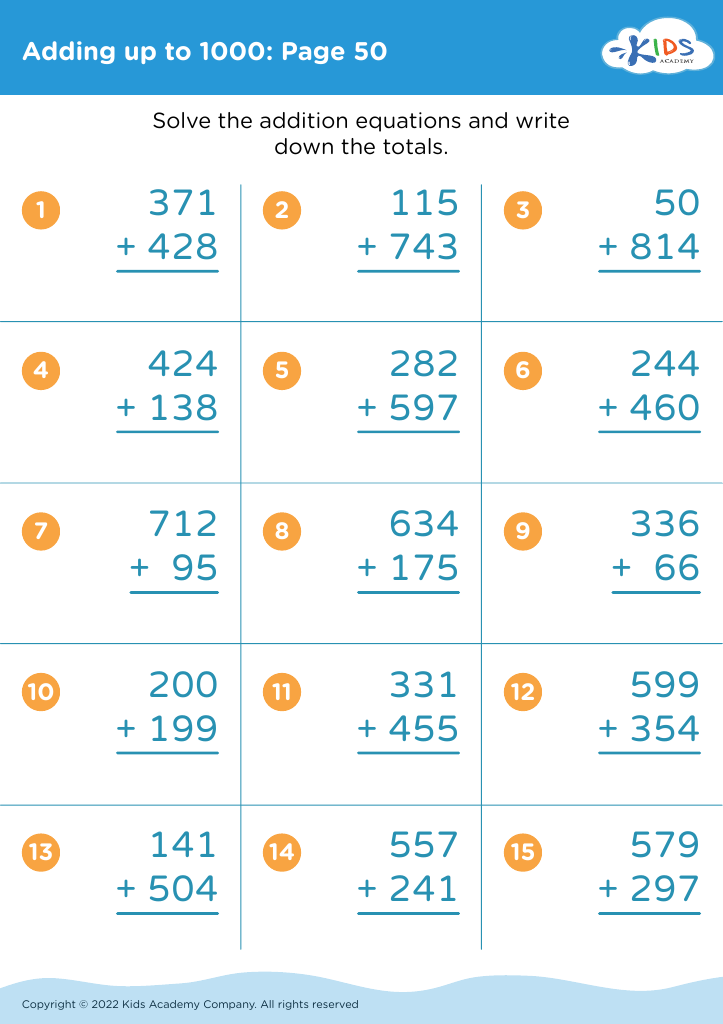
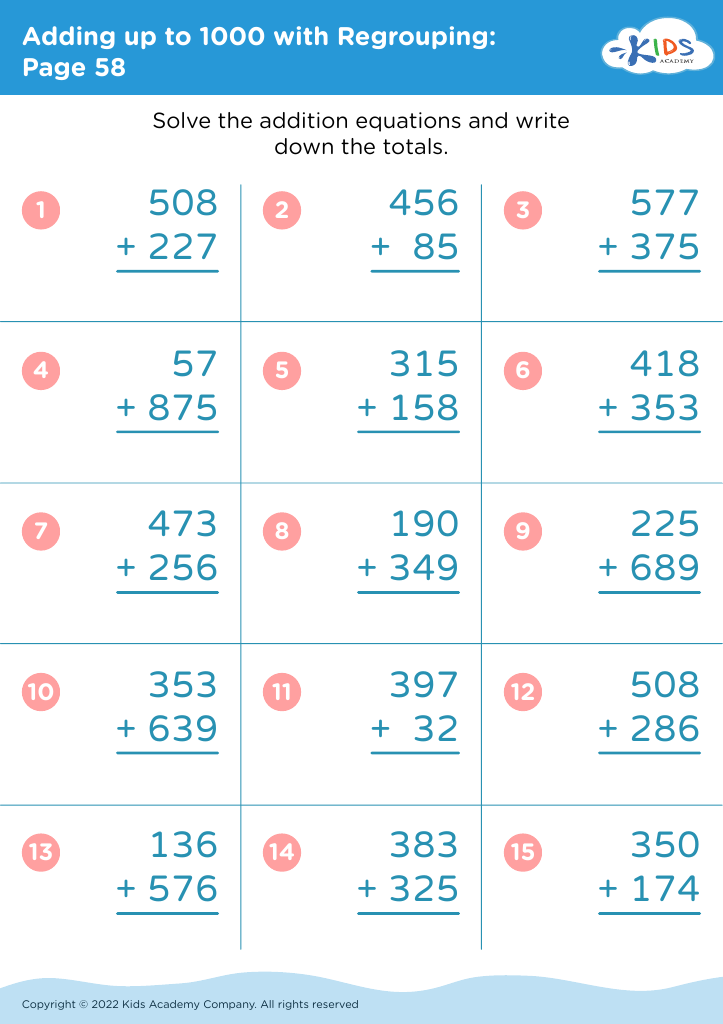
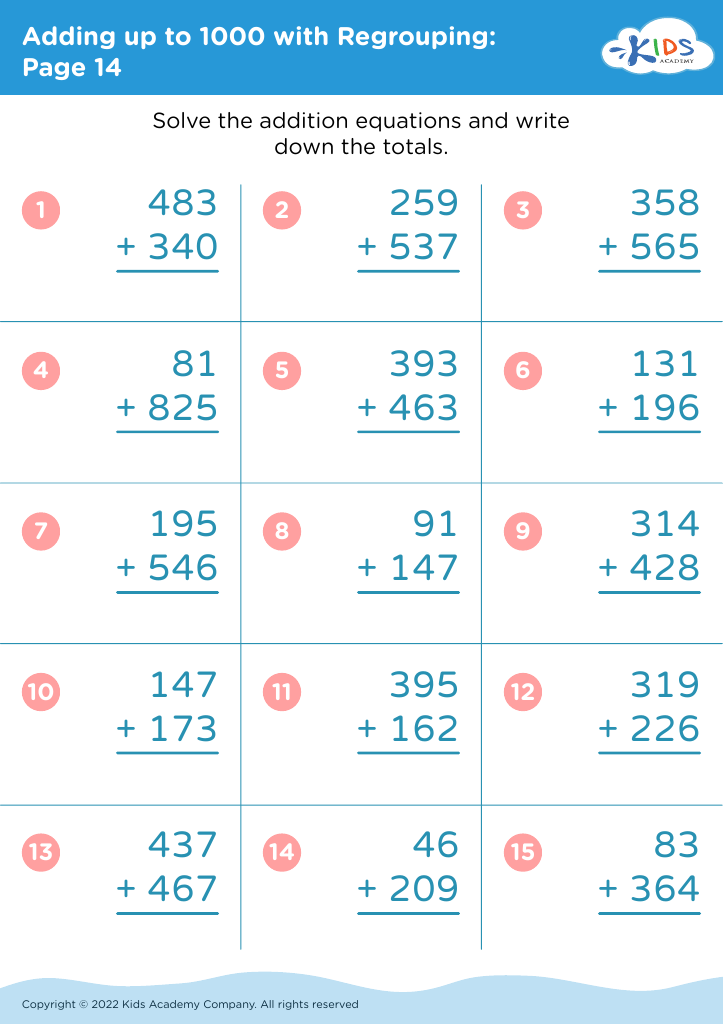
Discover our extensive collection of 1000 worksheets focused on shape recognition, specially designed for children aged 6 to 8. These engaging activities help young learners identify and differentiate various shapes while reinforcing essential math skills. Perfect for enhancing spatial awareness, our worksheets feature vibrant visuals, interactive tasks, and clear instructions to captivate students' attention. Ideal for both classroom and home learning environments, these resources also promote critical thinking and problem-solving abilities. Give your child the tools to succeed in math while having fun exploring shapes with our carefully crafted worksheets that cater to varied learning styles. Start the journey to math mastery today!



Shape recognition and spatial awareness development are critical cognitive skills for children aged 6 to 8. Parents and teachers should care about enhancing these skills for several compelling reasons. Firstly, shape recognition is foundational in early mathematics. Understanding basic shapes enables children to categorize, analyze, and engage with their environment—skills essential for problem-solving and advanced math concepts such as geometry.
Additionally, shape recognition indirectly boosts literacy skills, as recognizing shapes and their properties builds visualization skills, essential for reading comprehension. Children who can identify shapes are often better equipped to see and understand relationships in stories, diagrams, graphs, and other pictorial representations encountered in texts.
Moreover, early exposure to shape and form enhances fine motor skills through activities like drawing, cutting, and crafting. These activities promote hand-eye coordination, crucial for writing and other manual tasks.
In summary, prioritizing shape recognition not only prepares children for complex academic pursuits but also supports their emotional and social development as they learn to work collaboratively in activities like building and problem-solving. Thus, fostering shape recognition can lead to broader learning outcomes, making it a vital focus for educators and parents alike.








