Mathematical reasoning Addition Facts Worksheets for Ages 6-8
4 filtered results
-
From - To
Unlock the world of mathematical reasoning with our engaging Addition Facts Worksheets designed specifically for ages 6-8! These worksheets provide young learners with fun, interactive exercises that enhance their understanding of addition. By practicing essential skills, children develop critical thinking and problem-solving abilities while building a strong foundation in math. Each worksheet is crafted to cater to different learning styles, encouraging kids to explore various strategies in addition. With colorful designs and age-appropriate challenges, kids will feel motivated and excited to master their addition facts. Dive into our worksheets today and watch your child's confidence in mathematics soar!
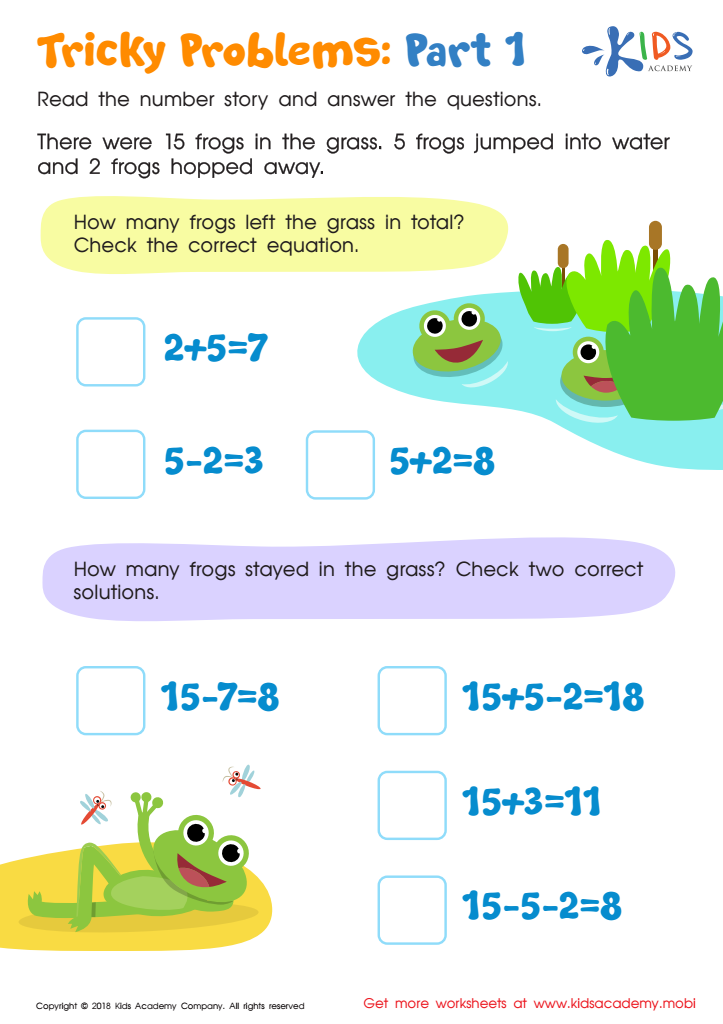
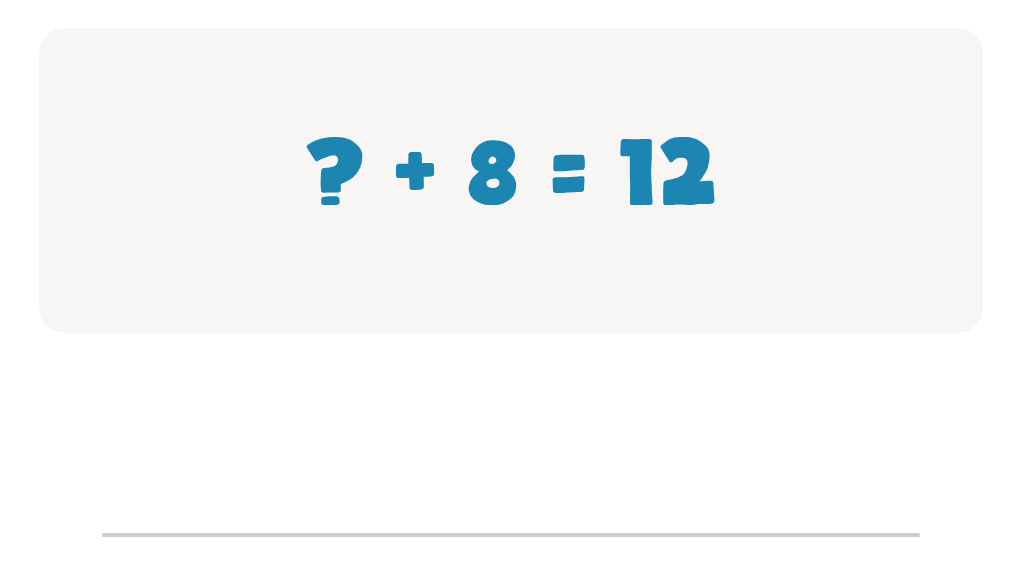
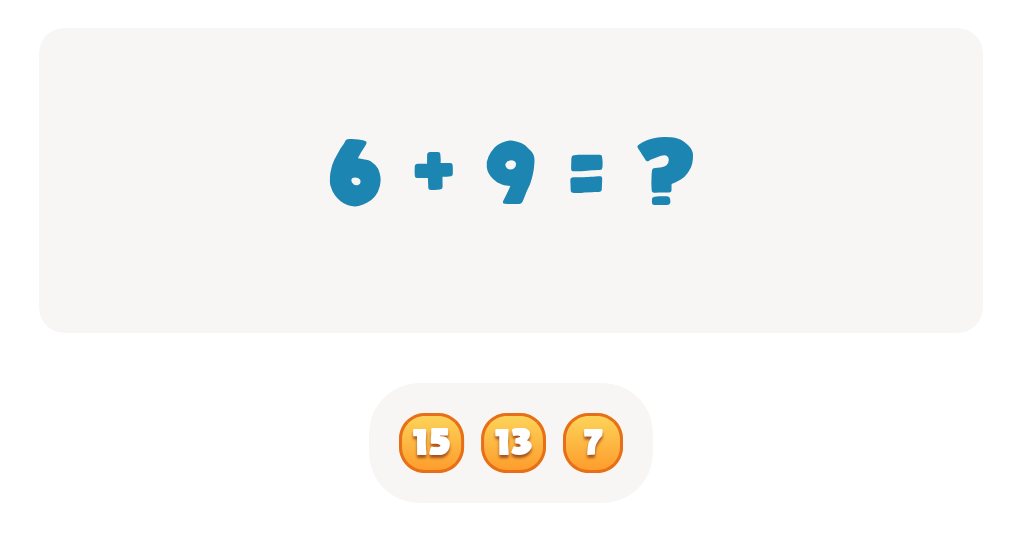
Tricky Problems Worksheet: Part 1
 Assign to My Students
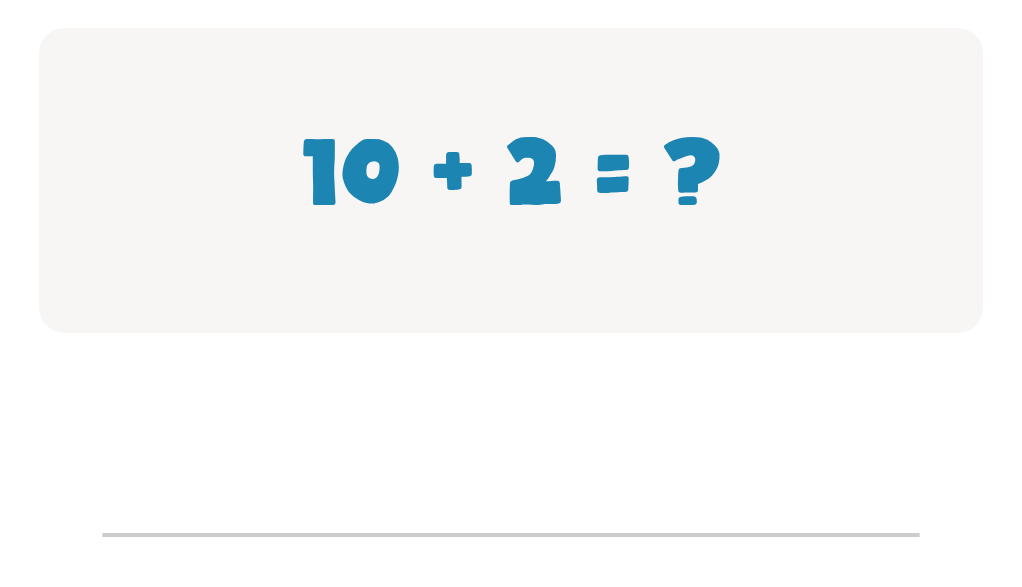

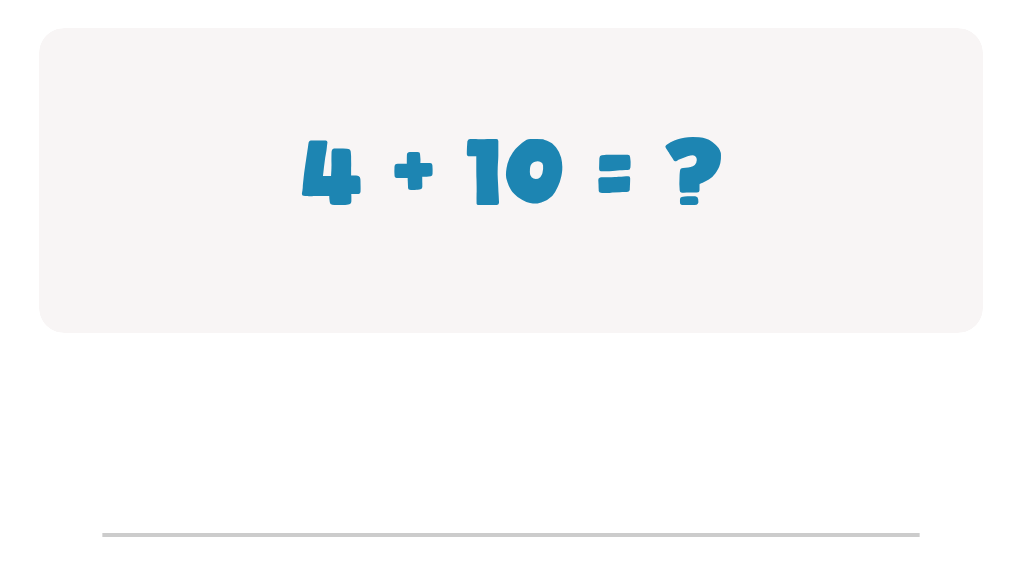
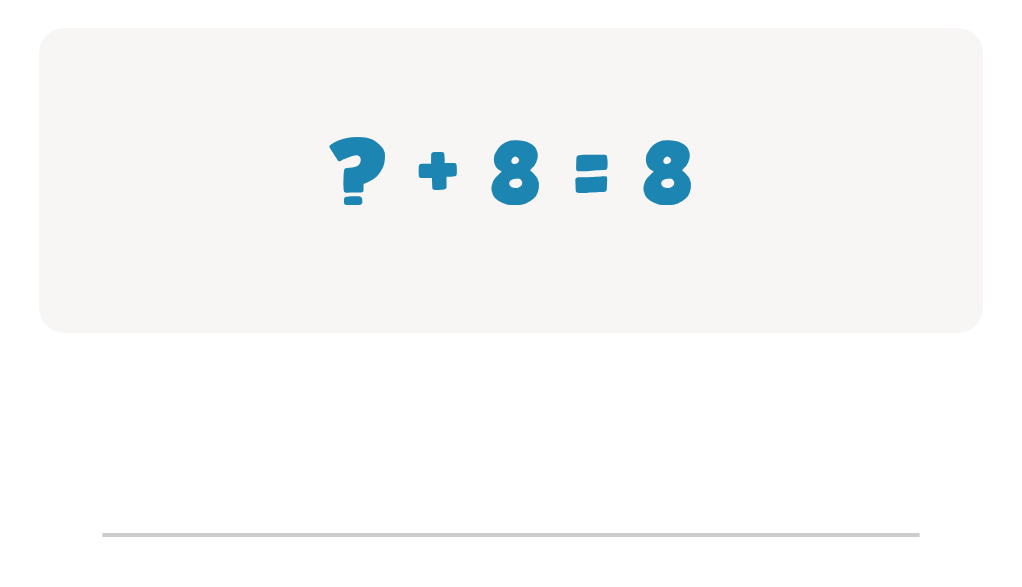

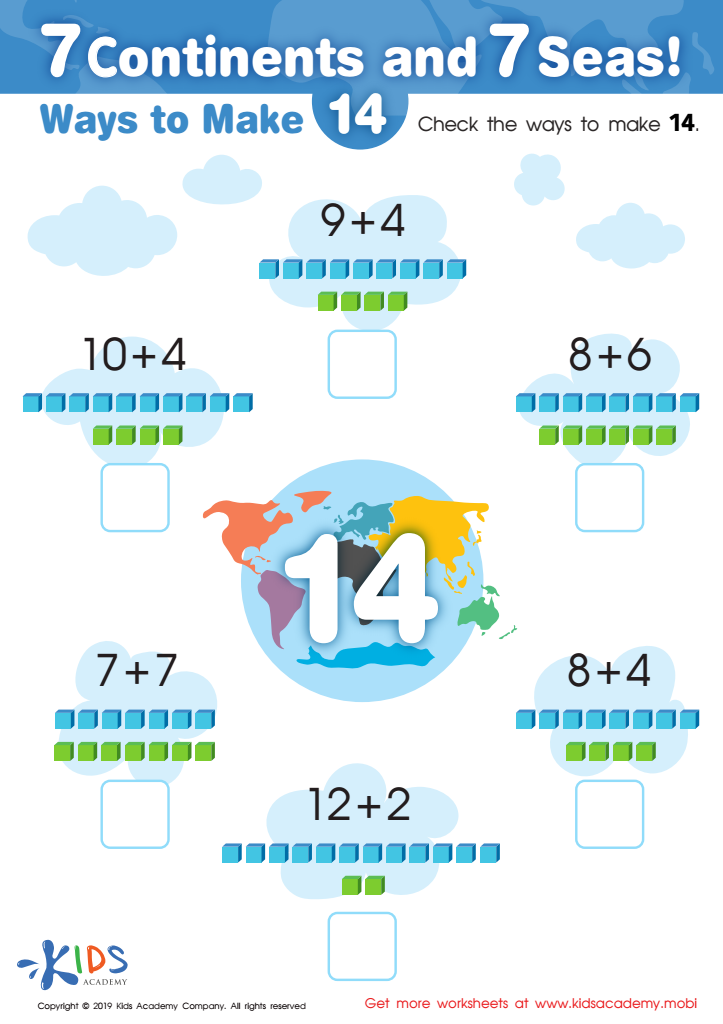
7 Continents and 7 Seas Worksheet
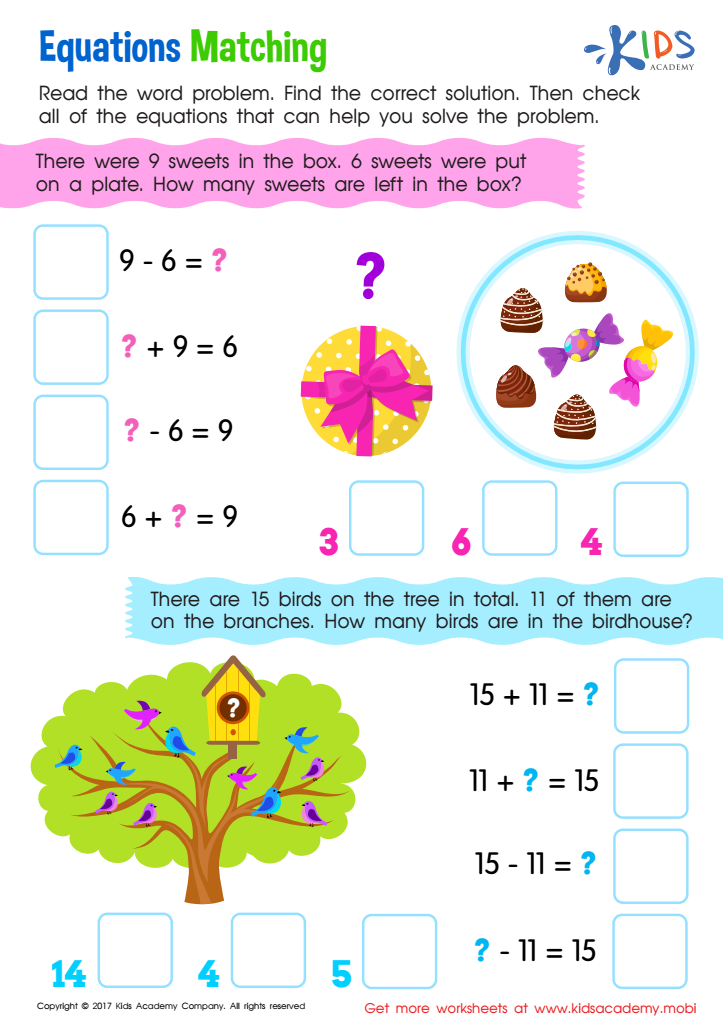
Equations Matching Word Problems Worksheet
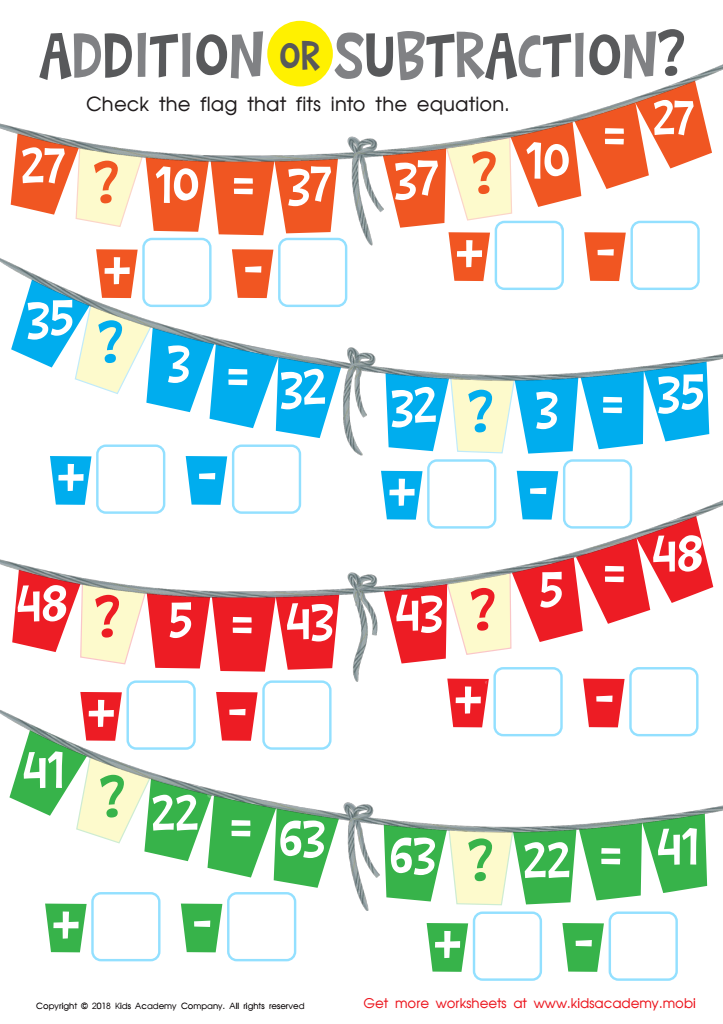
Addition or Subtraction? Worksheet








Parents and teachers should prioritize mathematical reasoning, specifically addition facts, for children ages 6-8, because this foundational skill is crucial for their overall cognitive development and academic success. At this age, children are not only learning to add but are also developing critical thinking and problem-solving skills. Mastering addition facts helps children gain confidence in their mathematical abilities, allowing them to engage more fully in classroom activities.
Reasoning in math enables children to understand the relationships between numbers, enhancing their ability to think logically and make connections. This understanding reduces dependence on rote memorization, fostering a deeper comprehension of mathematical principles. Furthermore, strong addition skills are essential for future mathematical learning, such as subtraction, multiplication, and division, creating a solid base necessary for more complex concepts.
Additionally, effective reasoning skills in math are linked to broader academic outcomes, improving performance in reading and science due to enhanced analytical abilities. By supporting children in mastering these addition facts, parents and teachers help cultivate a positive attitude towards math, encouraging lifelong learning and resilience in facing challenges. Fostering these skills early on sets the stage for future proficiency and enjoyment in mathematics.








