
Visual discrimination Addition & Subtraction Worksheets for Ages 6-8
4 filtered results
Difficulty Level
Grade
Age
-
From - To
Subject
Activity
Standards
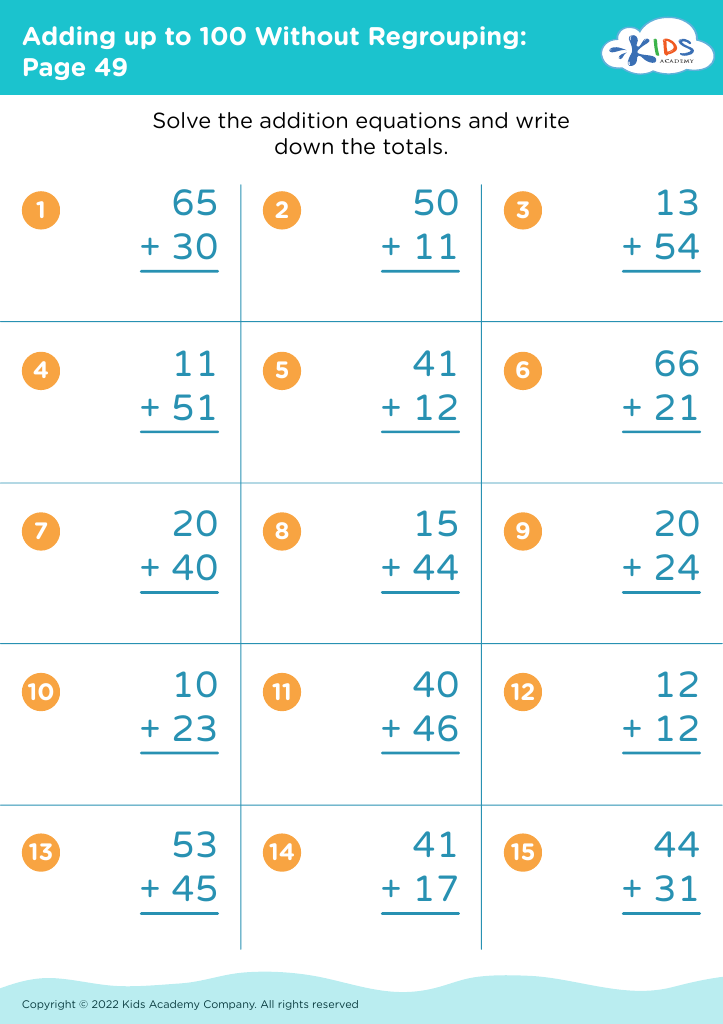
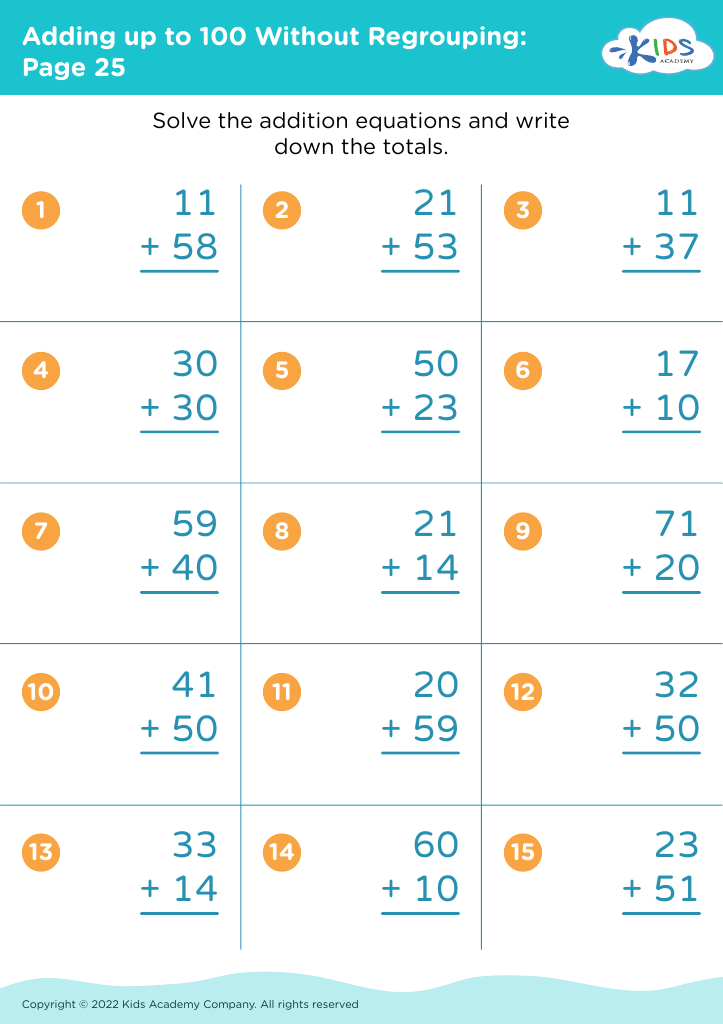
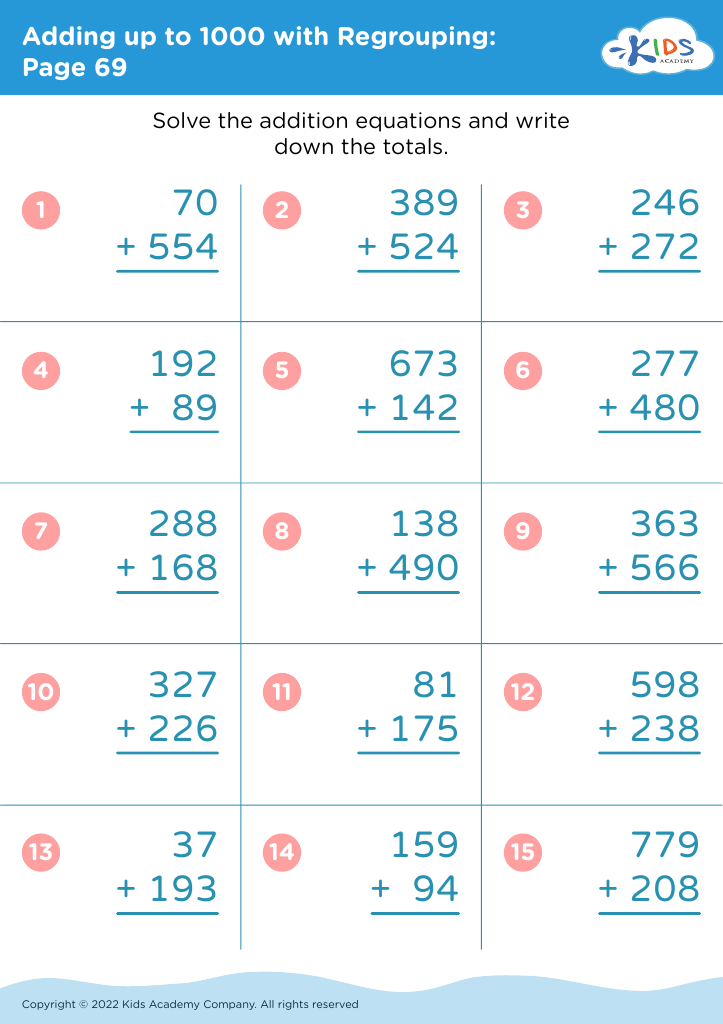
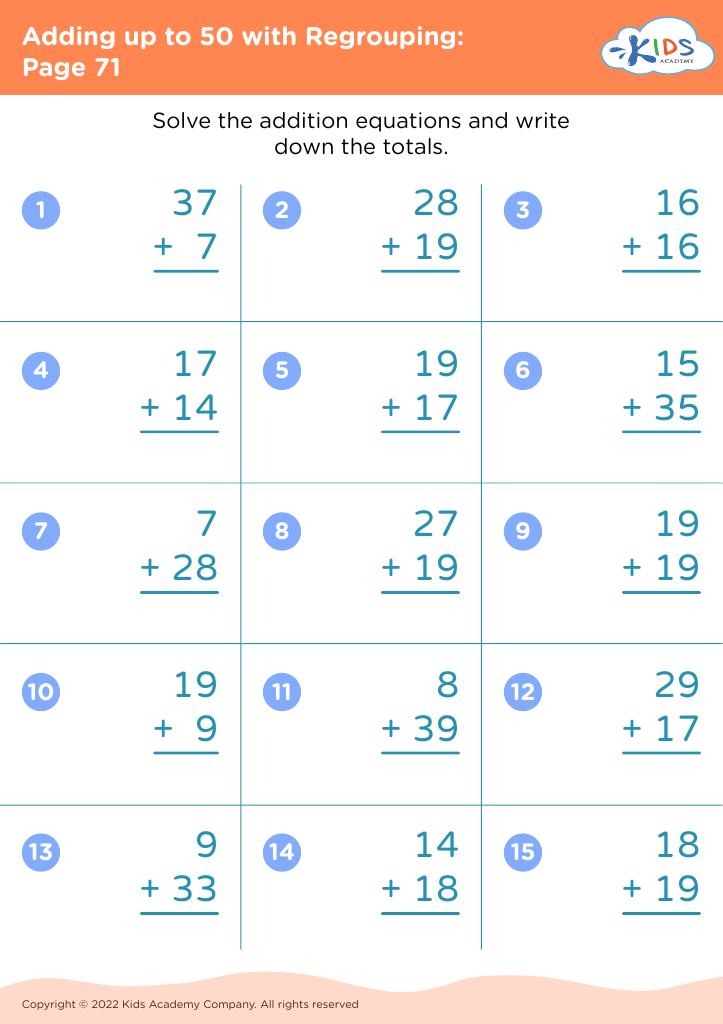
Enhance your child’s math abilities with our Visual Discrimination Addition & Subtraction Worksheets designed for ages 6-8. These expertly crafted worksheets from Kids Academy help young learners sharpen their visual discrimination skills while mastering basic addition and subtraction. Engaging visuals and playful activities make learning fun and effective, promoting critical thinking and problem-solving. Ideal for classroom use or at-home practice, our worksheets support a variety of learning styles to ensure every child can succeed in math. Start building a strong foundation in mathematics while enhancing your child’s ability to focus and differentiate, setting them up for academic success.
Favorites
With answer key
Interactive
Join Kids Academy for Free
Who is primarily going to use this learning content?








Visual discrimination plays a vital role in early childhood education, particularly when learning crucial mathematical skills such as addition and subtraction. For children aged 6-8, this ability enables them to accurately perceive and differentiate various numbers, symbols, and shapes. Here’s why it’s essential for parents and teachers to prioritize this skill:
-
Fundamental Math Skills: Visual discrimination is the foundation for recognizing and understanding numbers and mathematical symbols. Children who can effectively discriminate between different visual stimuli are more likely to excel in identifying numbers and symbols, a core component of addition and subtraction.
-
Problem-Solving Abilities: When children develop strong visual discrimination skills, they are better able to process and analyze information. This ability enhances their problem-solving skills since they can quickly recognize patterns, similarities, and differences in mathematical problems, leading to more efficient and accurate solutions.
-
Reading and Writing Enhancement: Visual discrimination is not limited to mathematics. It is also crucial for reading and writing development. The capability to distinguish between different letters, numbers, and punctuation marks aids in fluent reading and precise writing, further bolstering a child’s overall academic performance.
-
Confidence Building: Mastery of basic math concepts through improved visual discrimination helps build a child's confidence.








