Understanding sequence Math Worksheets for Ages 6-8
6 filtered results
-
From - To
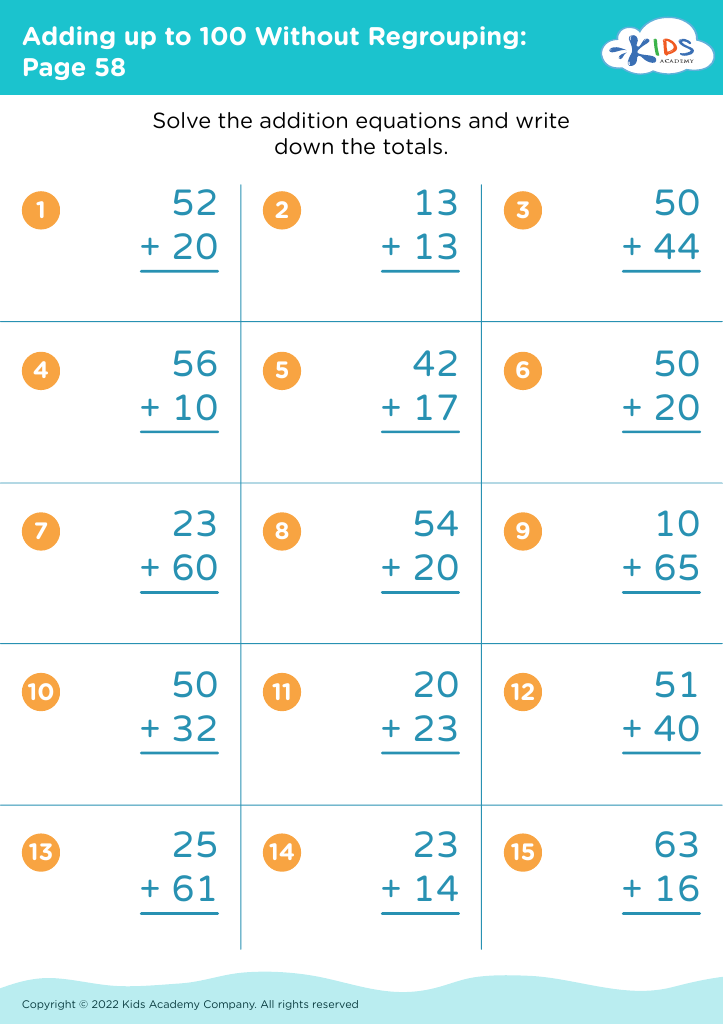
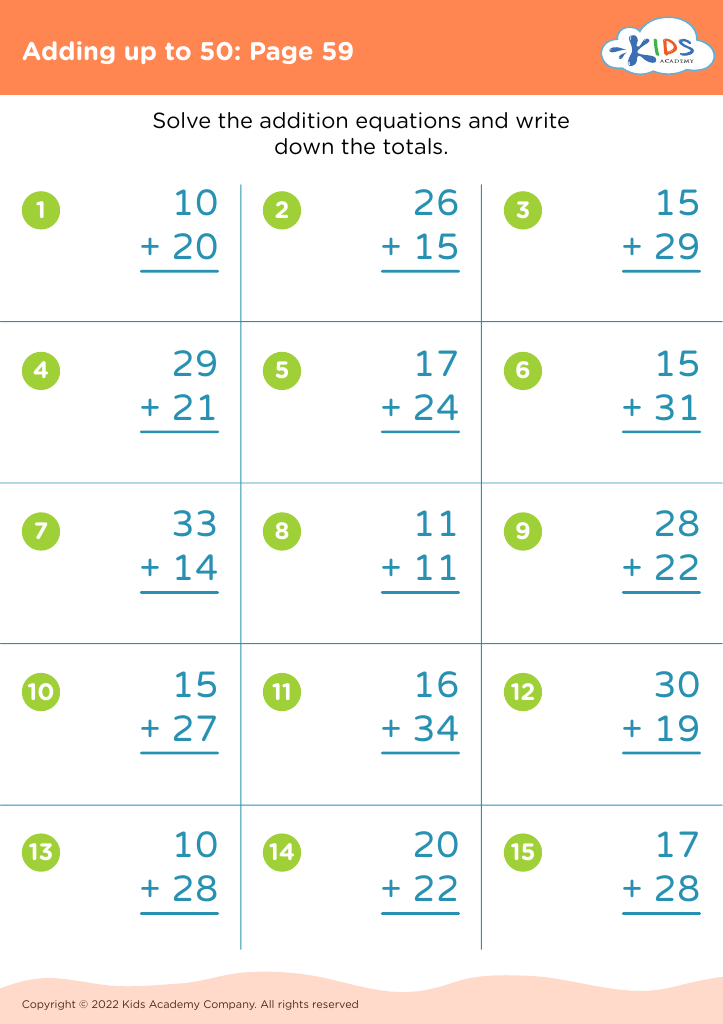
Nurture your child’s mathematical prowess with our "Understanding Sequence Math Worksheets for Ages 6-8!" Developed to advance critical sequencing skills, these worksheets offer engaging challenges that enhance number sense and logical thinking. Tailored for first and second graders, our activities include fun exercises like ordering numbers, identifying patterns, and predicting sequences. Each printable worksheet is designed to keep young minds stimulated and interested, transforming learning into an enjoyable experience. Perfect for both classroom and home use, our sequencing worksheets aim to build a strong foundation in math, encouraging confidence and mastery in young learners. Download and start today!
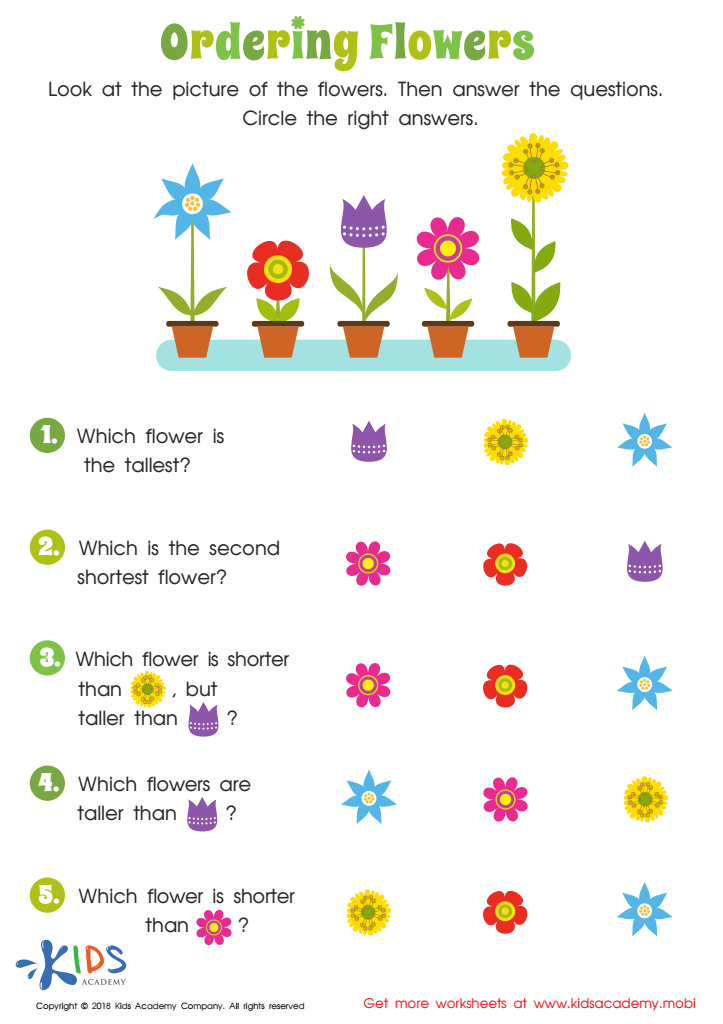
Ordering Flowers Worksheet
 Assign to My Students
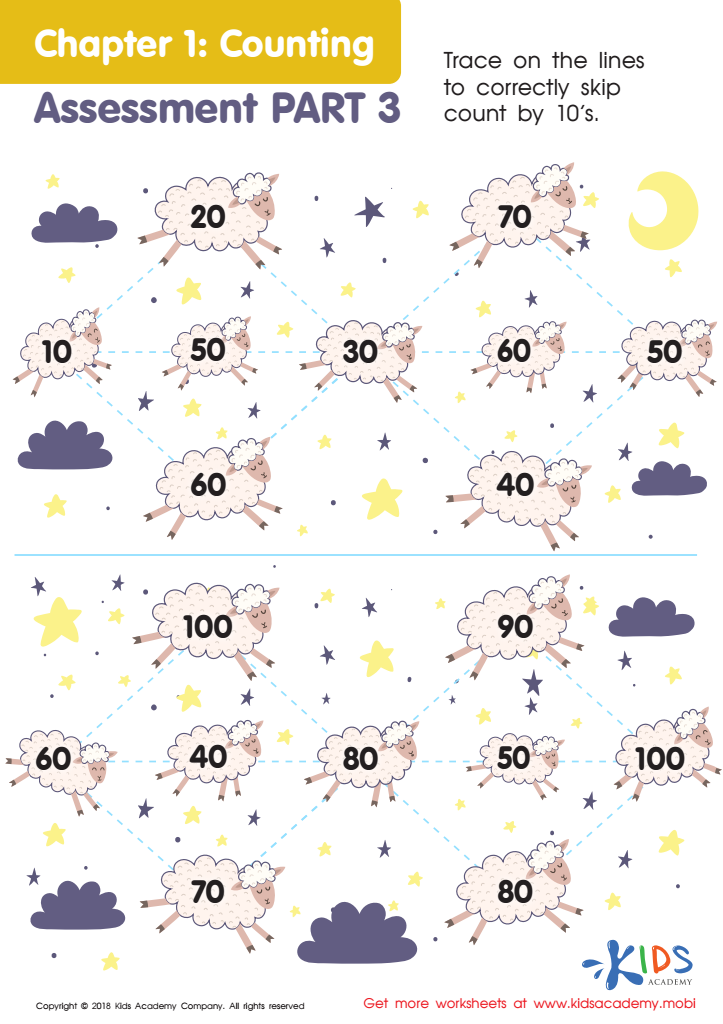
Counting: Assessment 3 Worksheet






Understanding sequence in math is crucial for children aged 6-8 as it lays the foundation for more advanced mathematical concepts. At this developmental stage, kids are just beginning to grasp the idea of order and patterns, which are essential building blocks for arithmetic operations and problem-solving skills. By recognizing patterns and learning to count both forwards and backwards, children develop a sense of numbers that extends beyond simple counting; they start to understand relationships between numbers.
Encouraging a solid grasp of sequencing helps improve logical thinking and organizational skills. It enhances a child's ability to predict outcomes, follow instructions, and understand time sequences—all vital for everyday tasks and learning processes. Sequencing is not just important for math; it also plays a significant role in reading (understanding the order of events in a story), writing (organizing thoughts in a coherent manner), and science (following steps in an experiment).
Parents and teachers who focus on teaching sequence help children develop confidence and competence in their academic journey. Activities such as sorting objects, number games, or even routine tasks like arranging events of the day in order help reinforce these skills in an engaging way, setting a solid groundwork for future academic success.








