
Improving math skills Place Value Worksheets for Ages 6-8
3 filtered results
Difficulty Level
Grade
Age
-
From - To
Subject
Activity
Standards
Boost your child's math abilities with our engaging Place Value Worksheets designed for ages 6-8. These meticulously crafted resources from Kids Academy help young learners grasp essential place value concepts, including units, tens, and hundreds. Through interactive and age-appropriate activities, kids develop confidence and proficiency in math, laying a solid foundation for future learning. Ideal for both classroom and home use, our worksheets transform challenging topics into fun, educational experiences that encourage independent thinking and problem-solving skills. Equip your child with the tools they need to excel in math and enjoy learning with Kids Academy’s Place Value Worksheets!
Favorites
With answer key
Interactive
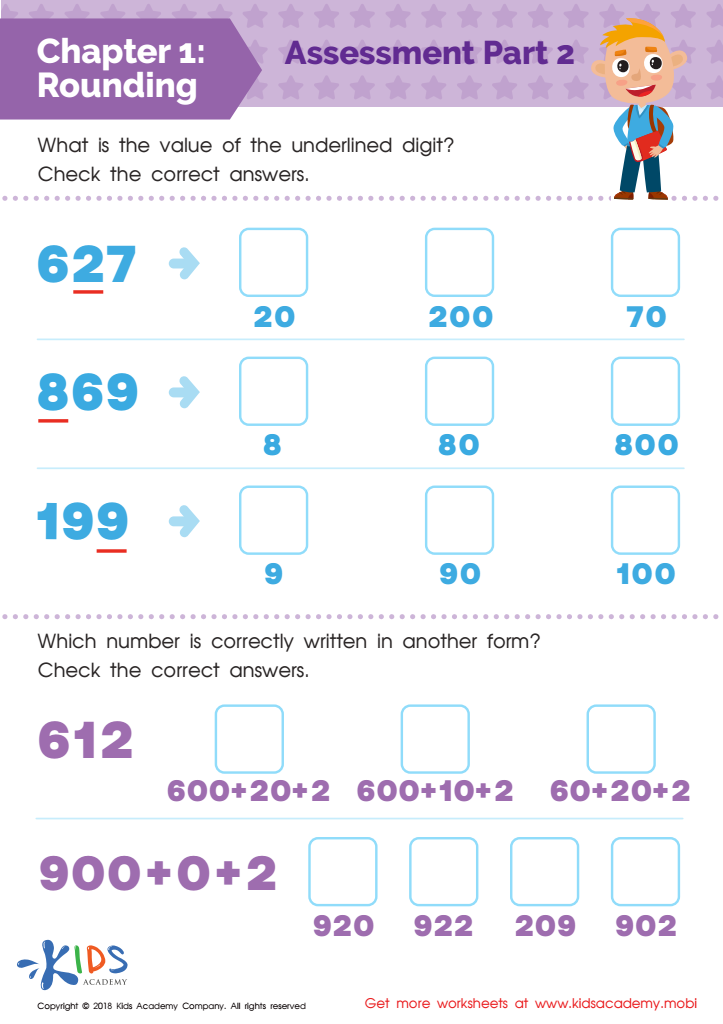
Rounding 3 Digit Numbers Worksheet
Kids need to understand place value to grasp rounding. This worksheet tests their knowledge and helps them review. Look at each 3-digit number and figure out the value of the underlined one. Then identify different forms of large numbers!
 Assign to My Students
Rounding 3 Digit Numbers Worksheet
Worksheet
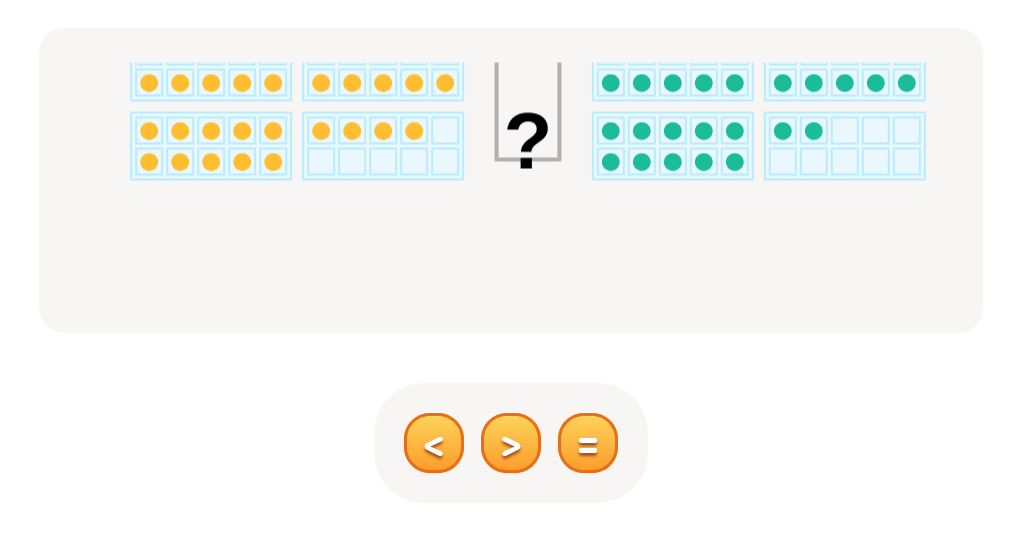

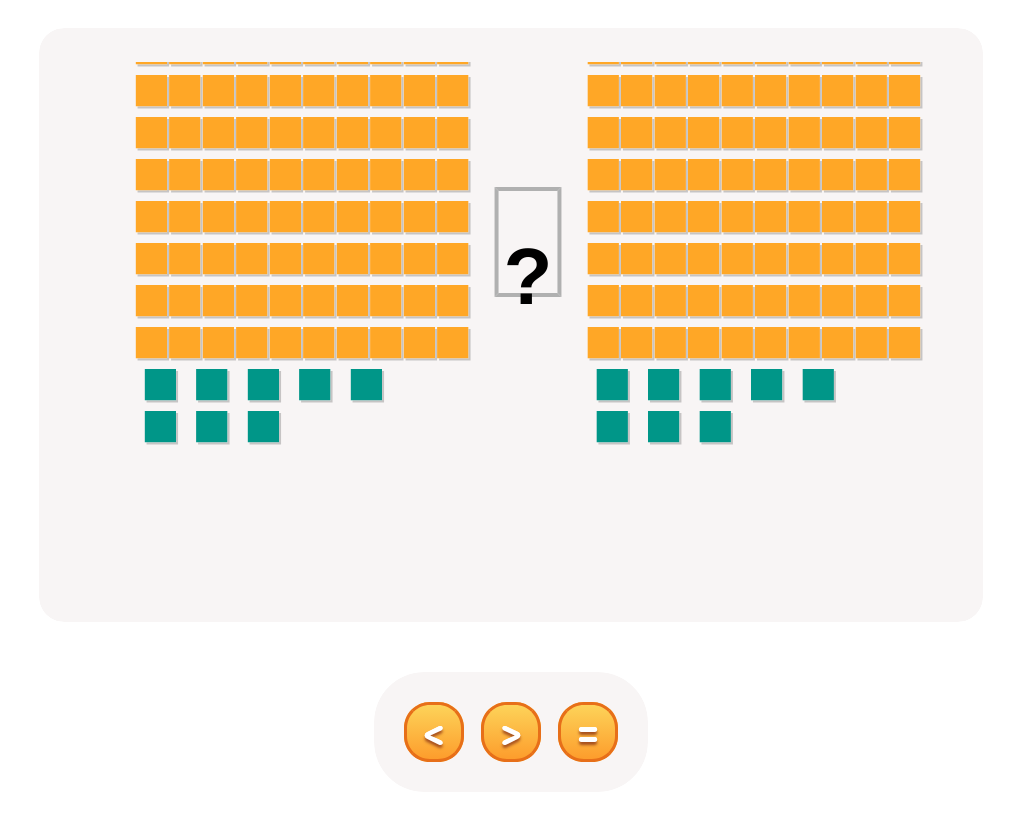
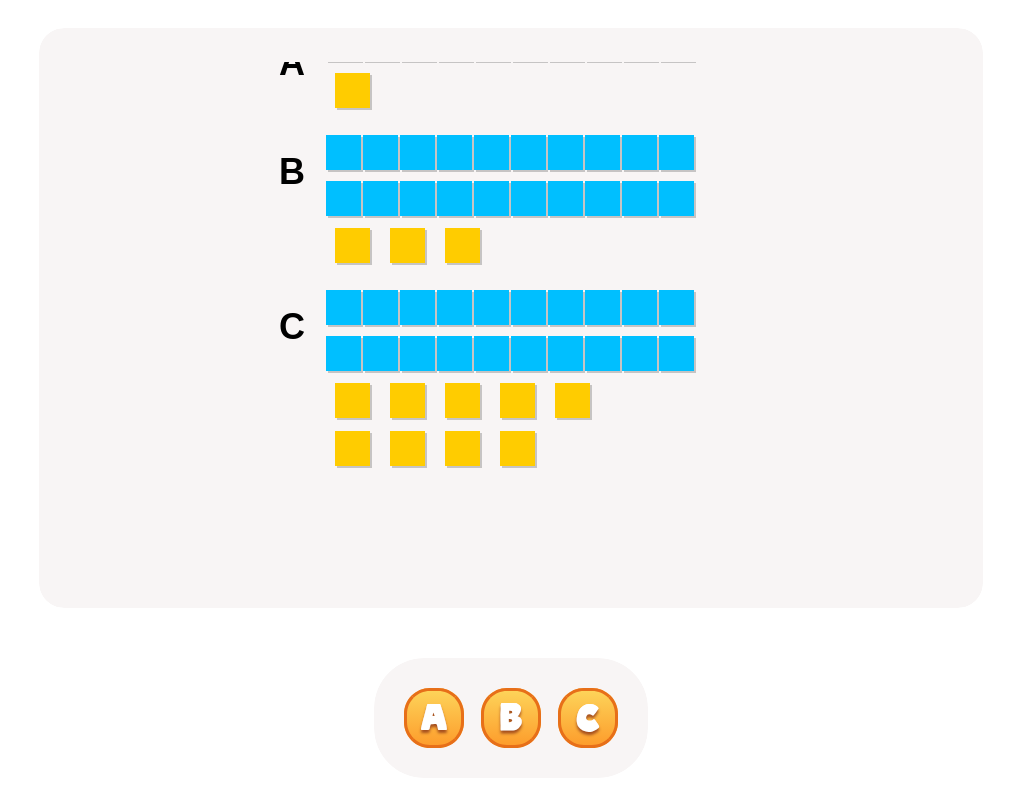
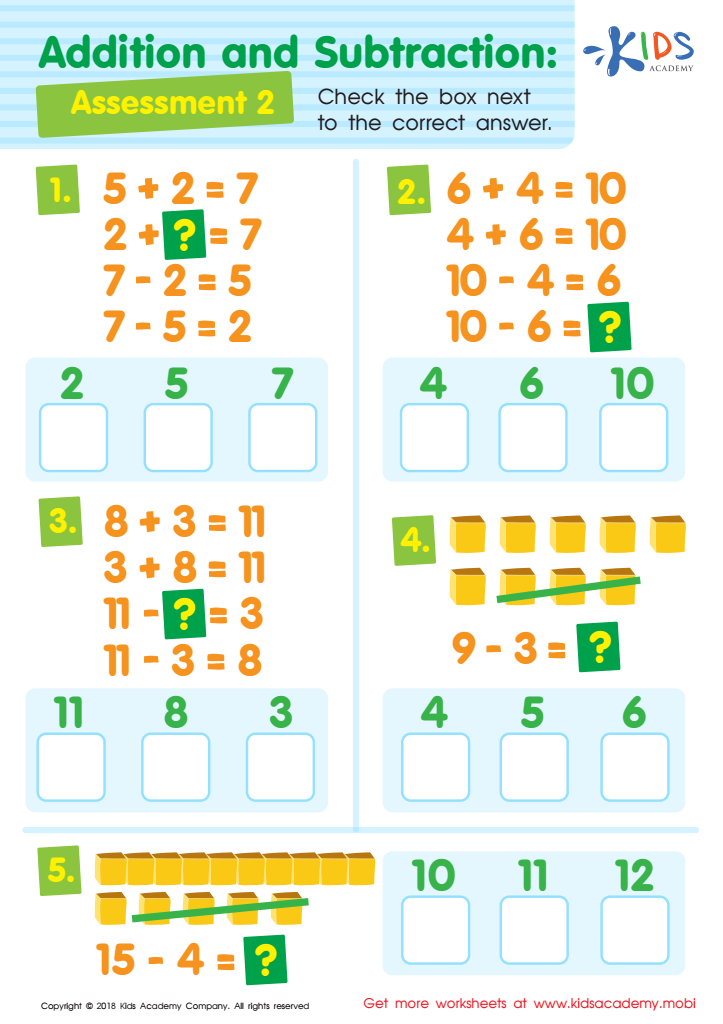
Addition and Subtraction Assessment 2 Worksheet
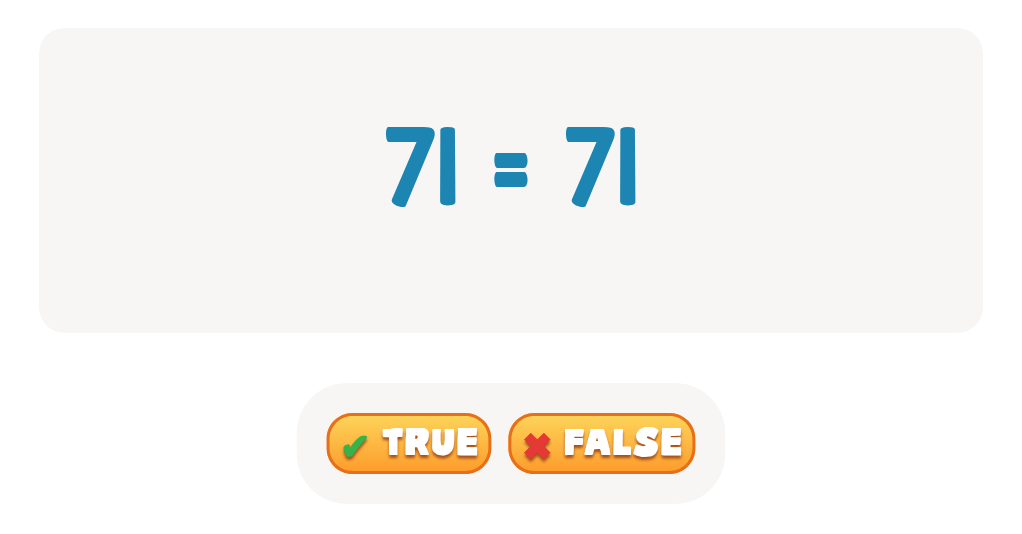
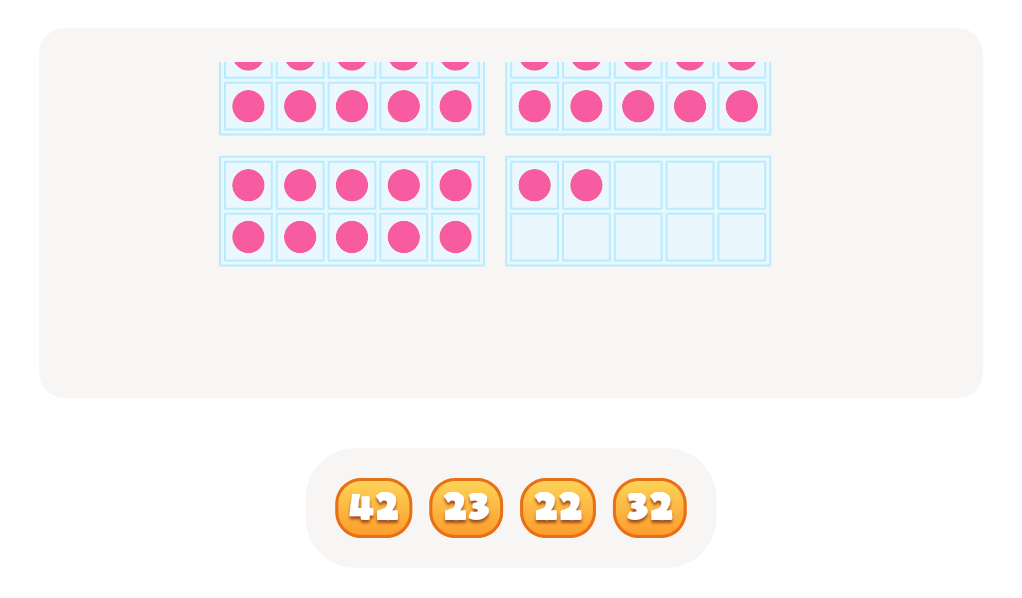
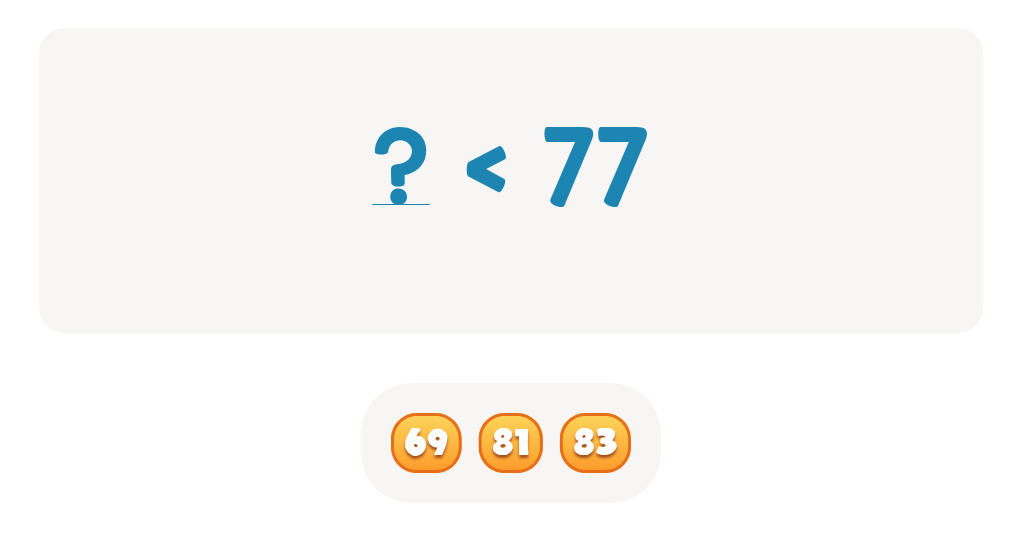
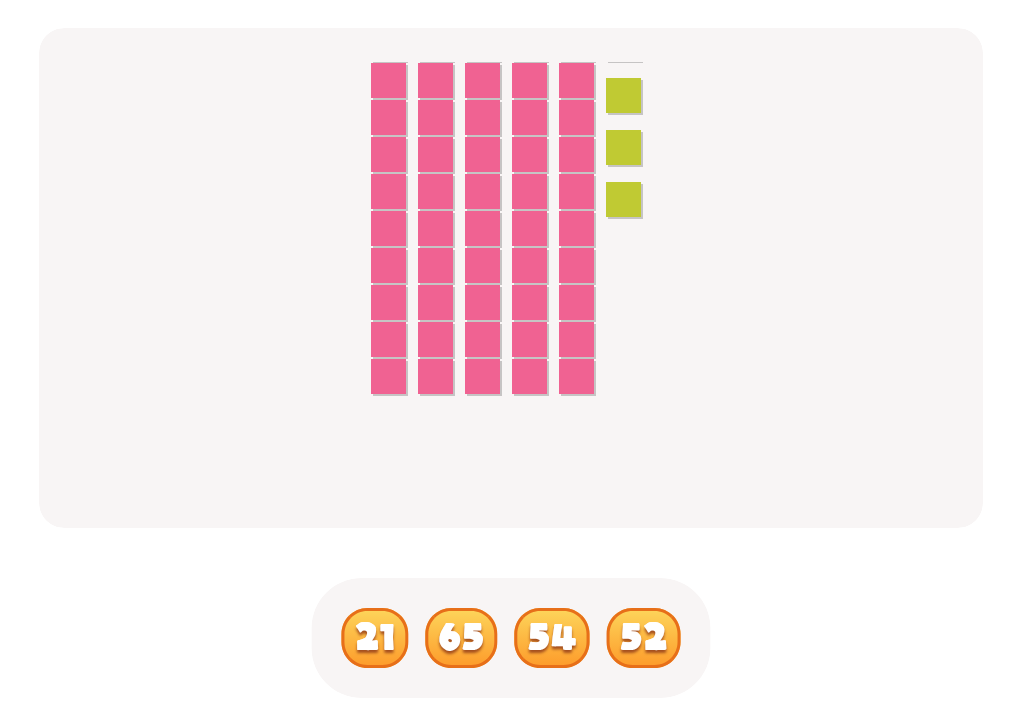
As your child grows, math problems become harder. To keep their brains active and provide extra help if needed, use this math worksheet. It'll help them become more familiar with equations. Go through each one carefully with your child and have them check the box next to the right answer.
Addition and Subtraction Assessment 2 Worksheet
Worksheet
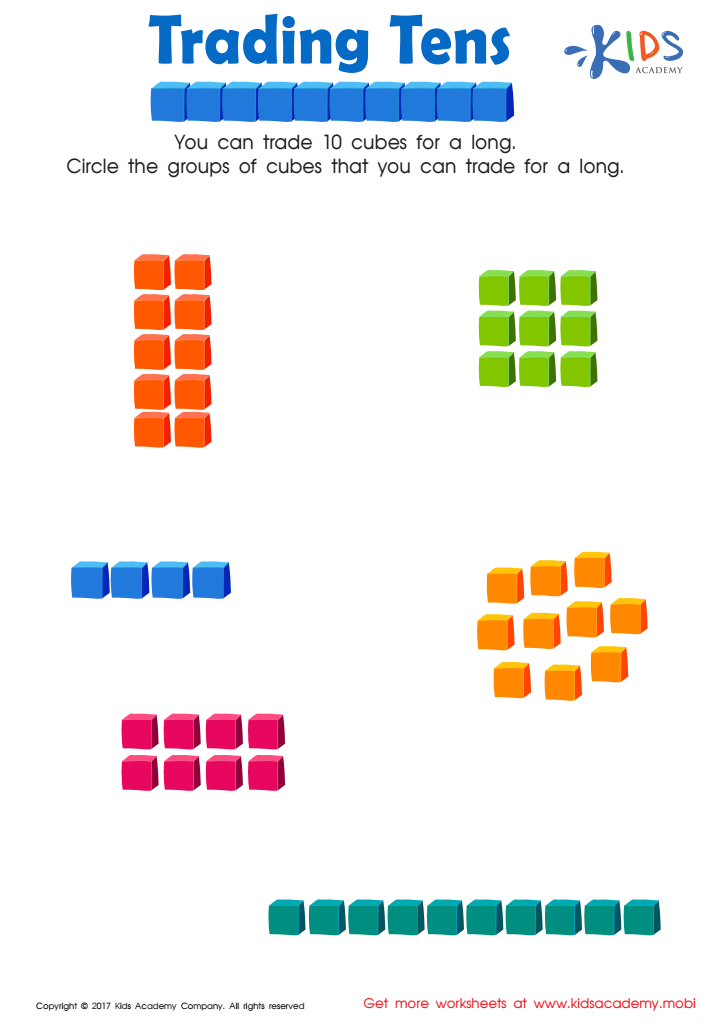
Trading Tens Worksheet
Students will hone their counting skills with this worksheet. They must identify groups of 10 cubes to trade for a long. The cubes are arranged in different ways, so students must rely on individual counting. Completing this printable pdf will help 1st graders develop problem-solving abilities and a better understanding of counting.
Trading Tens Worksheet
Worksheet
Join Kids Academy for Free
Who is primarily going to use this learning content?








Improving place value comprehension in children ages 6-8 is foundational for their overall mathematical proficiency and future academic success. Place value is the cornerstone upon which all other mathematical concepts are built, including addition, subtraction, multiplication, and division. Understanding it instills a sense of structure and order in numbers, allowing children to recognize the value of digits based on their position.
When children grasp place value, they develop critical thinking skills and conceptual understanding . This understanding aids in performing arithmetic operations more accurately and efficiently. For instance, a solid understanding of place value allows children to grasp why 20 + 5 equals 25 or why 100 - 10 equals 90, rather than merely relying on memorization.
Moreover, place value comprehension is directly linked to improved problem-solving skills. It enables children to break down complex problems into more manageable parts, fostering logical thinking. Without this skill, children might struggle with advanced math topics as they progress through their education, potentially leading to frustration and a lack of confidence in their abilities.
Parents and teachers should prioritize place value instruction to ensure that children are well-prepared for future learning. By providing engaging, hands-on activities that illustrate these concepts, educators can create a strong mathematical foundation, setting children up for long-term academic success and a positive attitude towards math.








