Improve reading comprehension Reading Non-Fiction Worksheets for Ages 6-8
5 filtered results
-
From - To
Enhance your child's reading skills with our specially designed Improve Reading Comprehension Reading Non-Fiction Worksheets for ages 6-8. These engaging and informative worksheets help young readers understand key concepts, recognize important facts, and enhance their ability to interpret and analyze non-fiction texts. Perfect for developing critical thinking and comprehension, these worksheets offer a variety of topics that align with school curricula. Whether for classroom use or at-home practice, our non-fiction reading comprehension worksheets are a valuable resource for fostering a lifelong love of reading and learning. Discover the joy of reading with Kids Academy today!
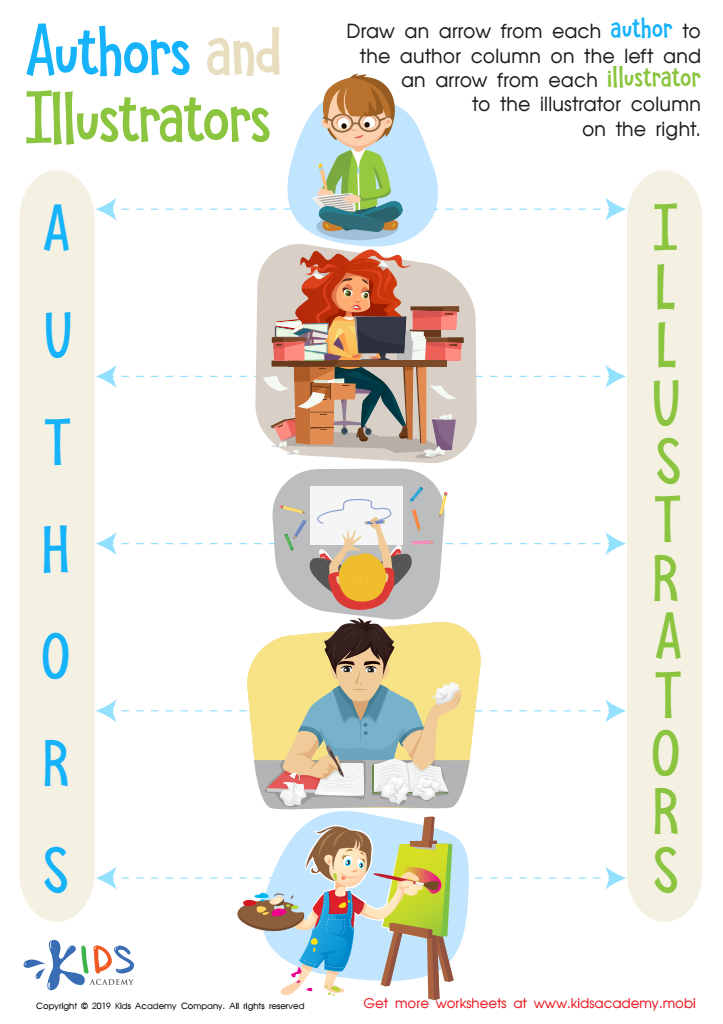
Authors and Illustrators Worksheet
 Assign to My Students
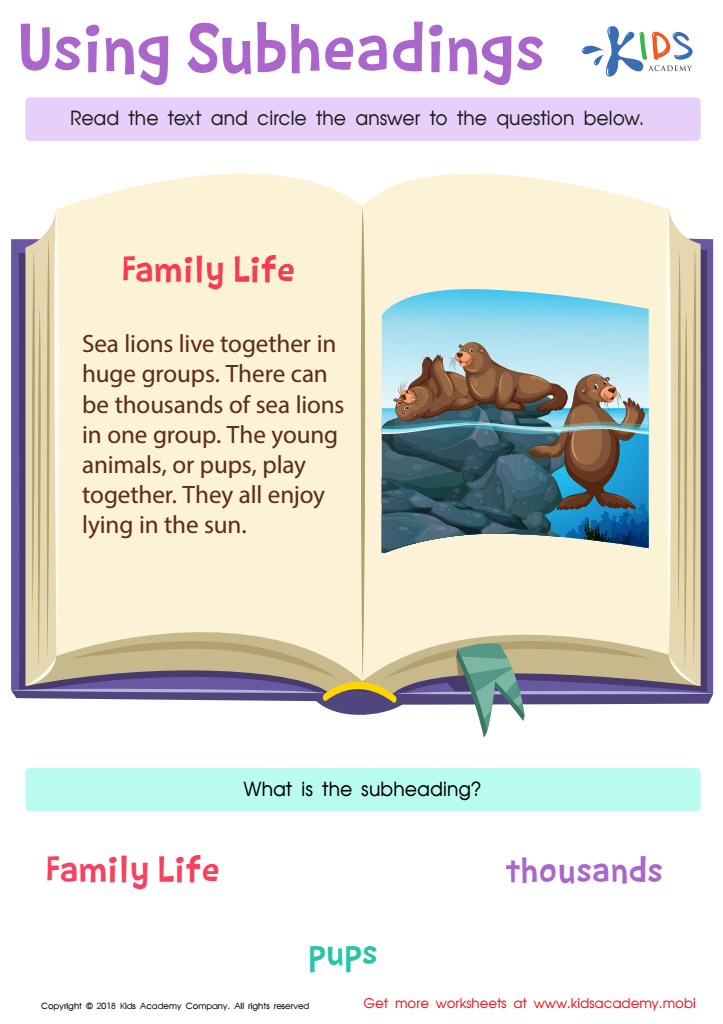
Using Subheadings Worksheet
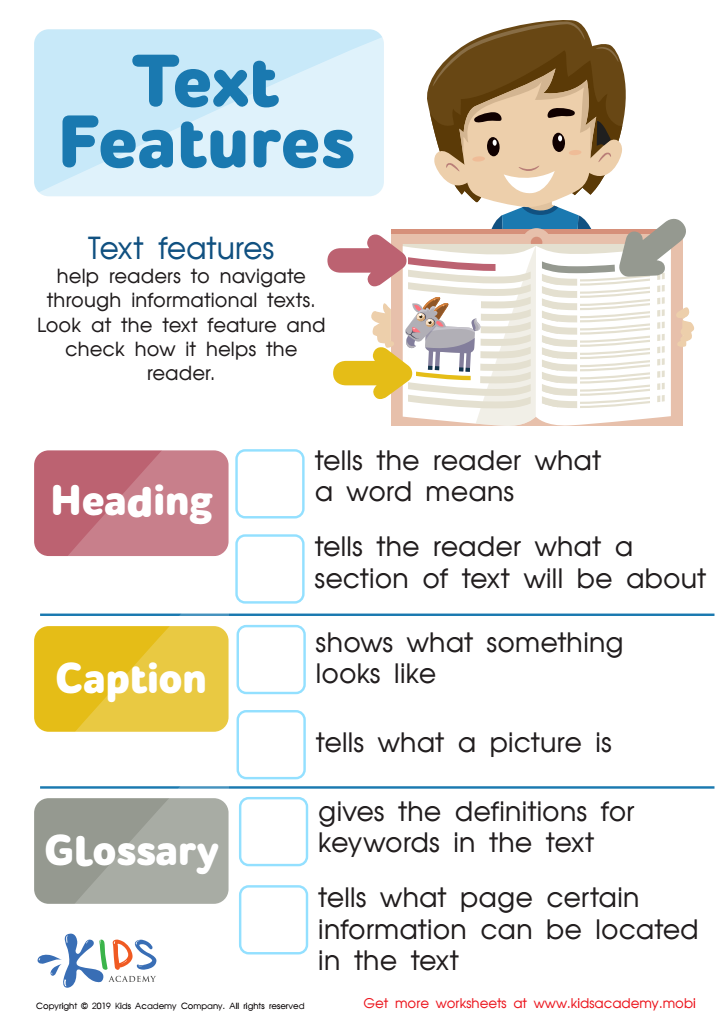
Text Features Worksheet
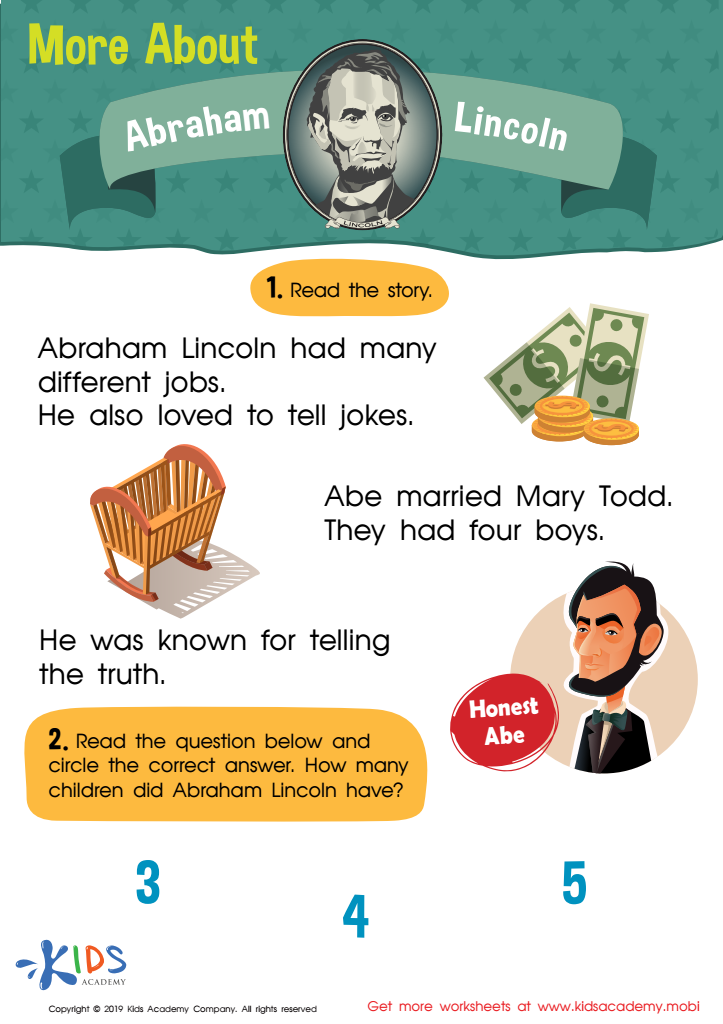
More About Abraham Lincoln Worksheet
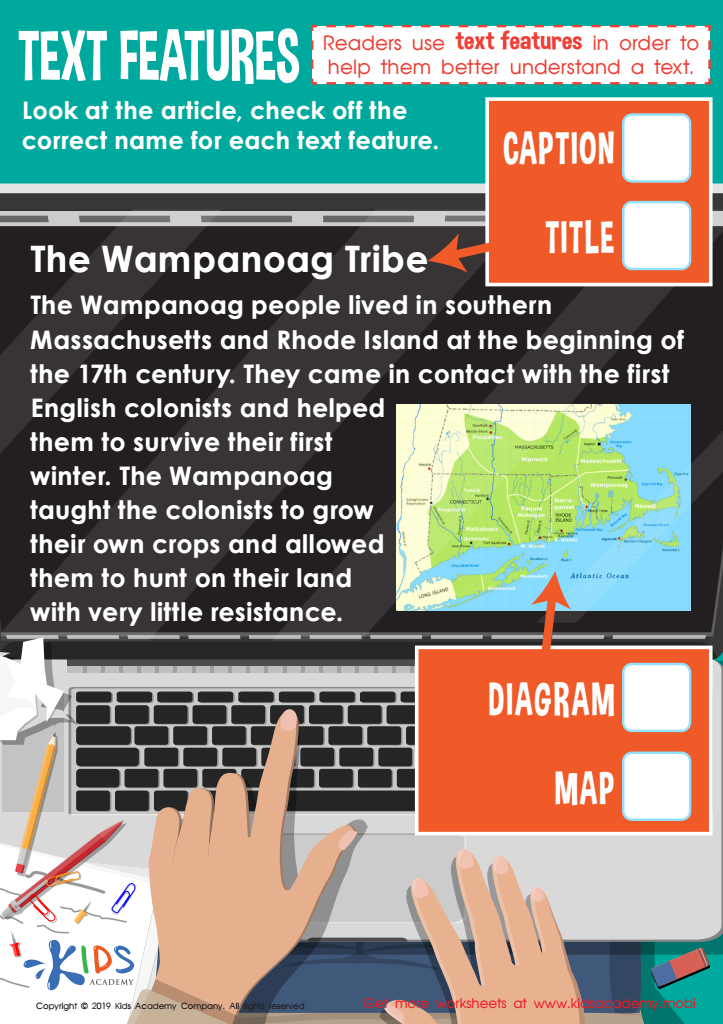
Text Features Worksheet








Improving reading comprehension, especially with non-fiction texts, is critical for children ages 6-8 due to its far-reaching benefits in both academic and personal development. During these formative years, young readers are transitioning from "learning to read" to "reading to learn." Non-fiction materials, rich with factual content and explanatory narratives, build foundational knowledge that spans across various subjects, including science, history, and social studies.
First, non-fiction enhances vocabulary by introducing specific terms and concepts not often found in fiction. This exposure supports language development and verbal skills. Second, it fosters critical thinking and analytical skills. Understanding factual content requires children to differentiate between main ideas and supporting details, identify cause-and-effect relationships, and make logical inferences.
Moreover, early engagement with non-fiction nurtures curiosity and lifelong learning habits. Children begin to see reading as a gateway to discovering real-world information, sparking curiosity that can lead to deeper inquiry and intellectual pursuits.
Parents and teachers play pivotal roles by curating appropriate non-fiction materials and guiding discussions that make reading experiences interactive and meaningful. By focusing on improving non-fiction reading comprehension, parents and teachers are equipping children with essential tools for academic success and informed citizenship in the future. Therefore, their involvement is not just beneficial but crucial in shaping well-rounded, knowledgeable, and inquisitive individuals.








