Vocabulary Building Reading Non-Fiction Worksheets for Ages 6-8
4 filtered results
-
From - To
Discover our engaging Vocabulary Building Reading Non-Fiction Worksheets, designed specifically for children ages 6-8. These worksheets provide young learners with an exciting opportunity to enhance their vocabulary while exploring a variety of interesting non-fiction topics. Each worksheet is thoughtfully crafted to promote comprehension and critical thinking skills by challenging students to connect new words with context. Our diverse range of activities, including matching, fill-in-the-blanks, and word searches, makes learning enjoyable and interactive. Help your child develop essential reading skills and expand their vocabulary in a fun and effective way! Download our worksheets today and spark your child's love for reading non-fiction!
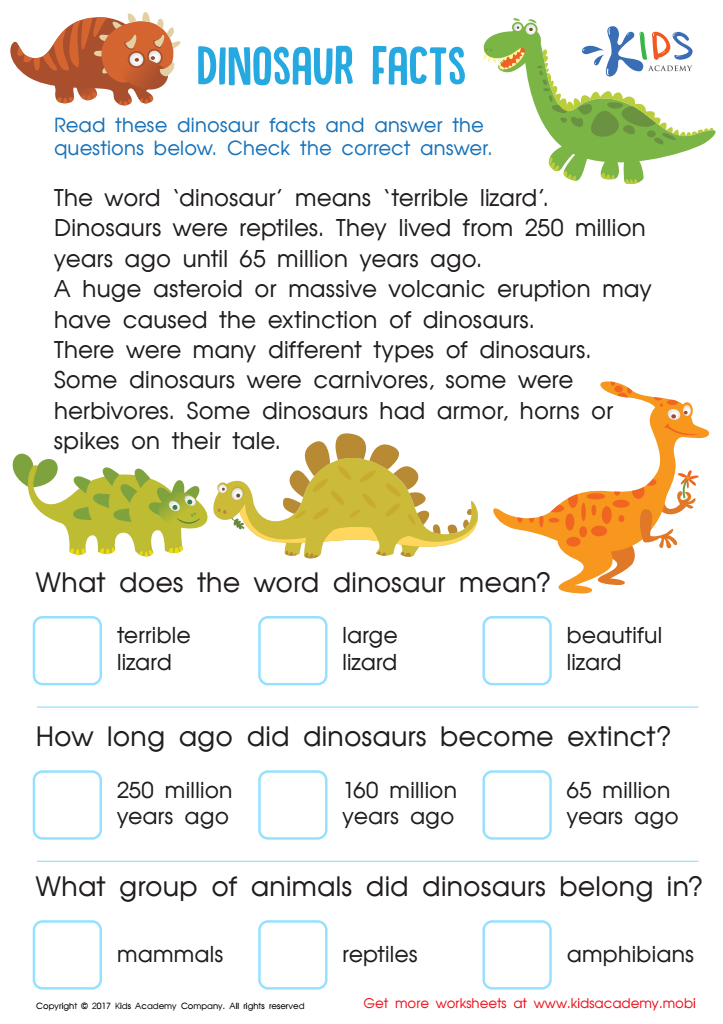
Dinosaur Facts Worksheet
 Assign to My Students
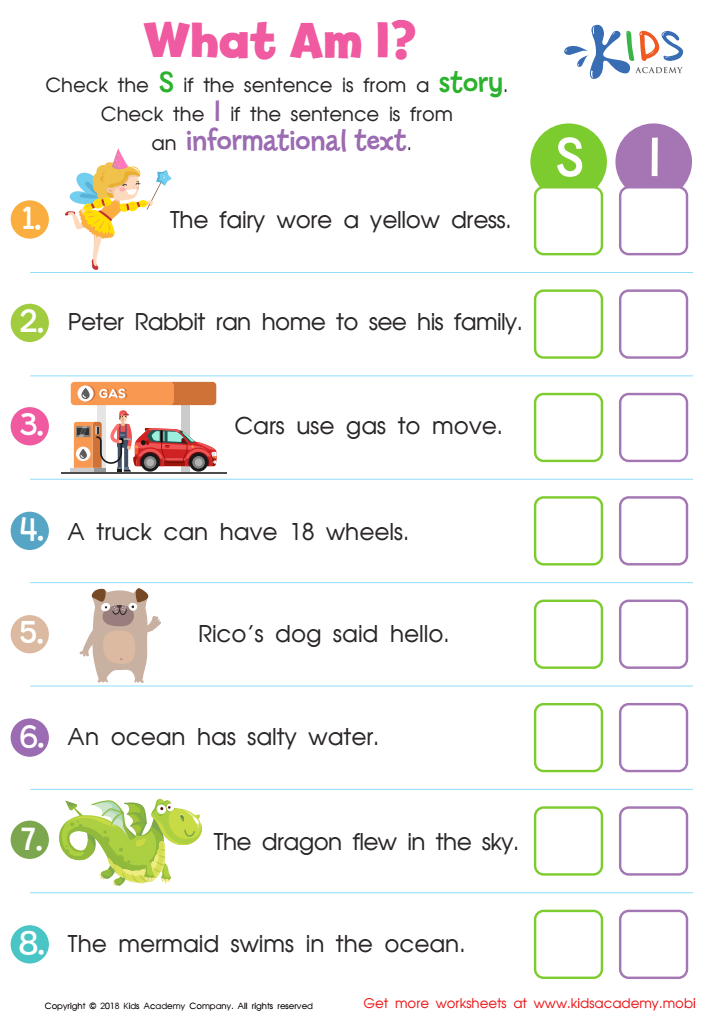
What Am I? Worksheet
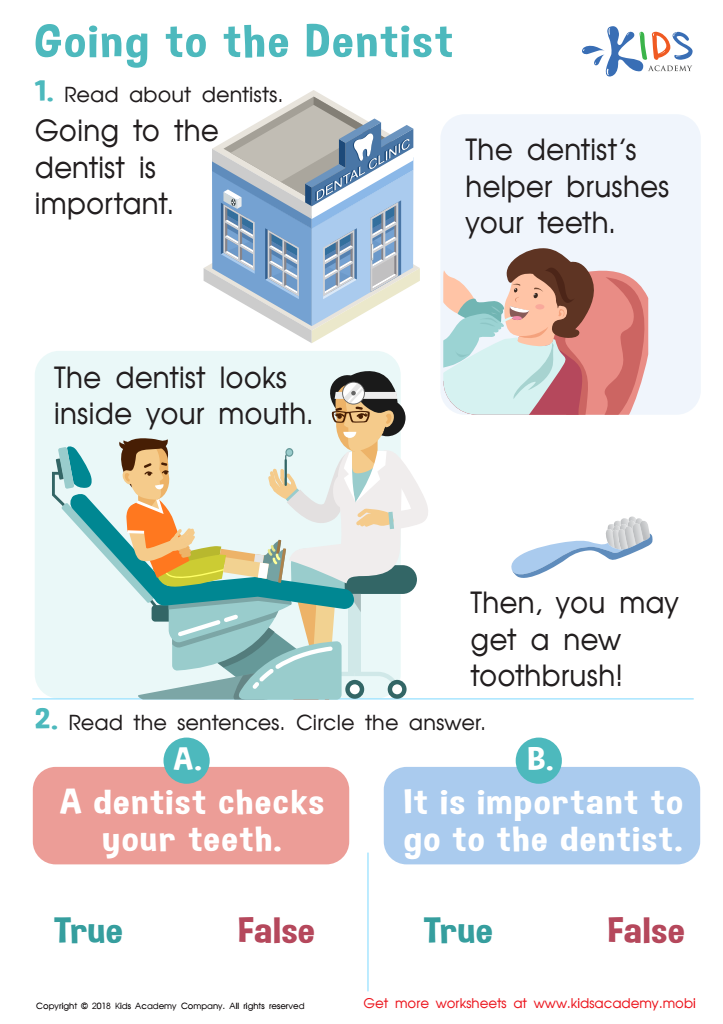
Going to the Dentist Part 2 Worksheet
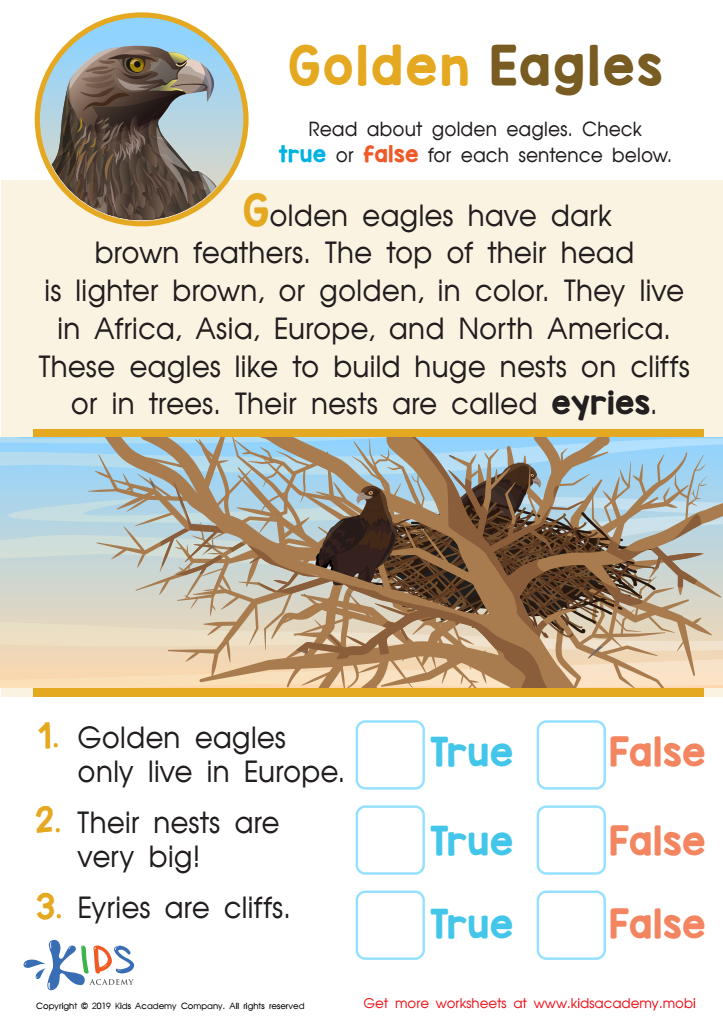
Golden Eagles Worksheet








Vocabulary building through reading non-fiction is crucial for children aged 6-8, as it lays a solid foundation for their future academic success and overall communication skills. At this developmental stage, children are naturally curious and exploring the world around them. Non-fiction texts cater to this curiosity, offering factual information about a variety of subjects, including science, nature, history, and society. Engaging with non-fiction helps children acquire new words that are relevant and applicable to real-life situations, enhancing their critical thinking and comprehension abilities.
Parents and teachers should care about this aspect of learning because a strong vocabulary supports better reading comprehension, enabling children to understand and analyze texts more deeply. As they encounter diverse language in non-fiction, they not only expand their word bank but also learn to differentiate between technical terms and everyday language. Furthermore, improving vocabulary in a non-fiction context encourages discussions about complex ideas and concepts, fostering a culture of inquiry and intellectual growth.
Ultimately, investing time and resources into vocabulary building through non-fiction reading activities equips children with essential skills, preparing them to thrive academically and socially as they progress through school and beyond.








