Mathematical reasoning Sight Words Worksheets for Ages 6-8
3 filtered results
-
From - To
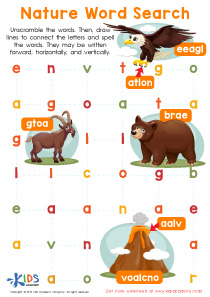
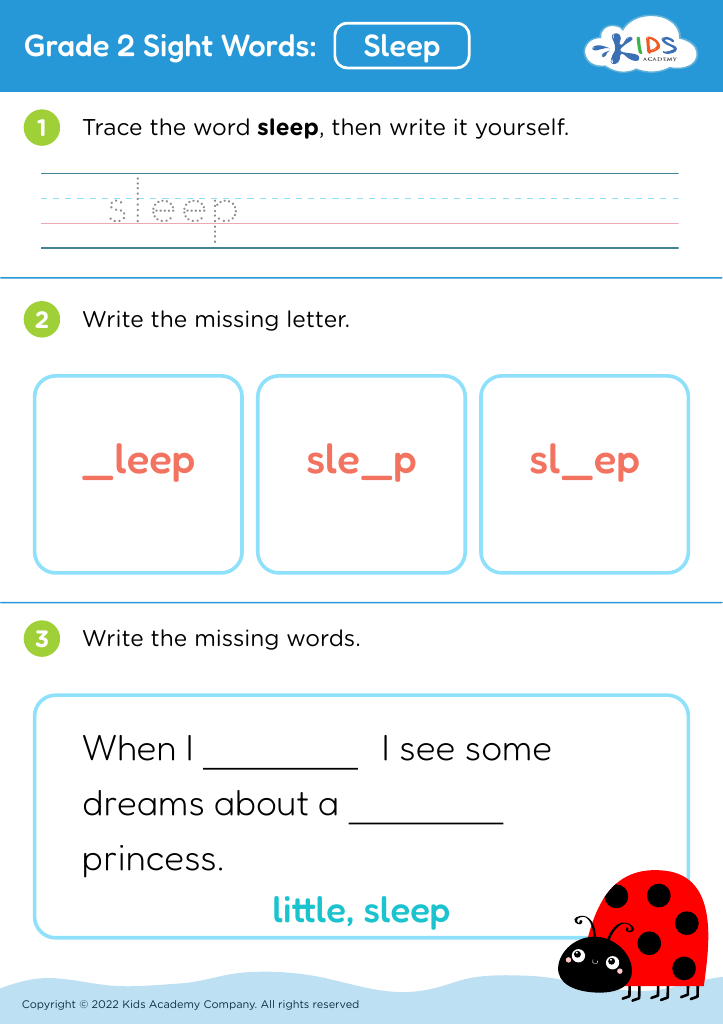
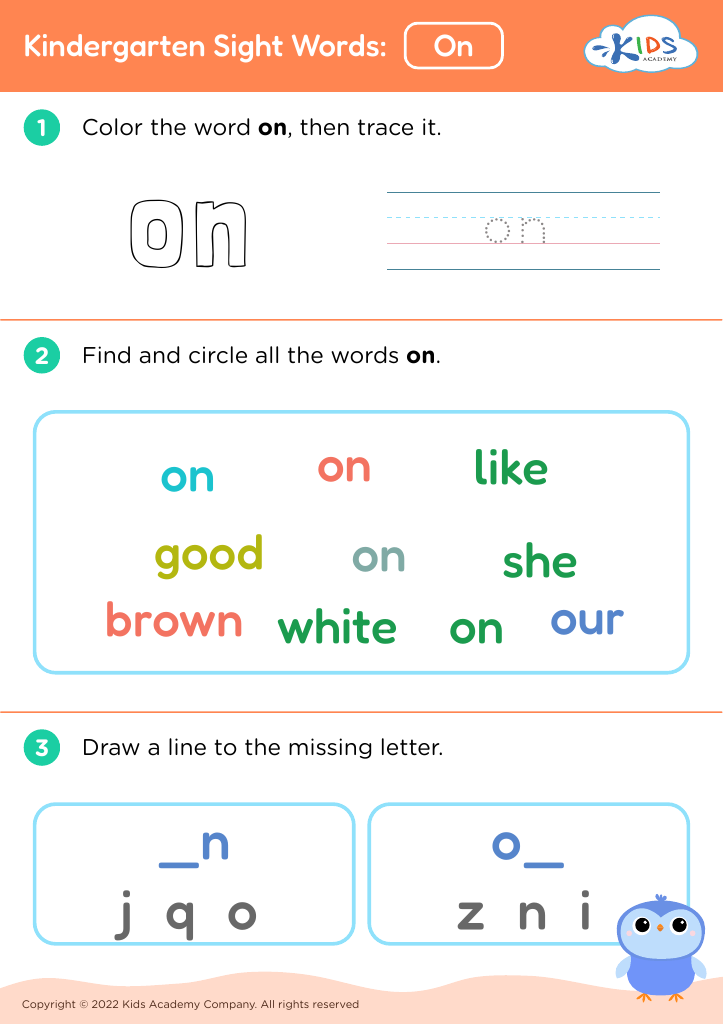
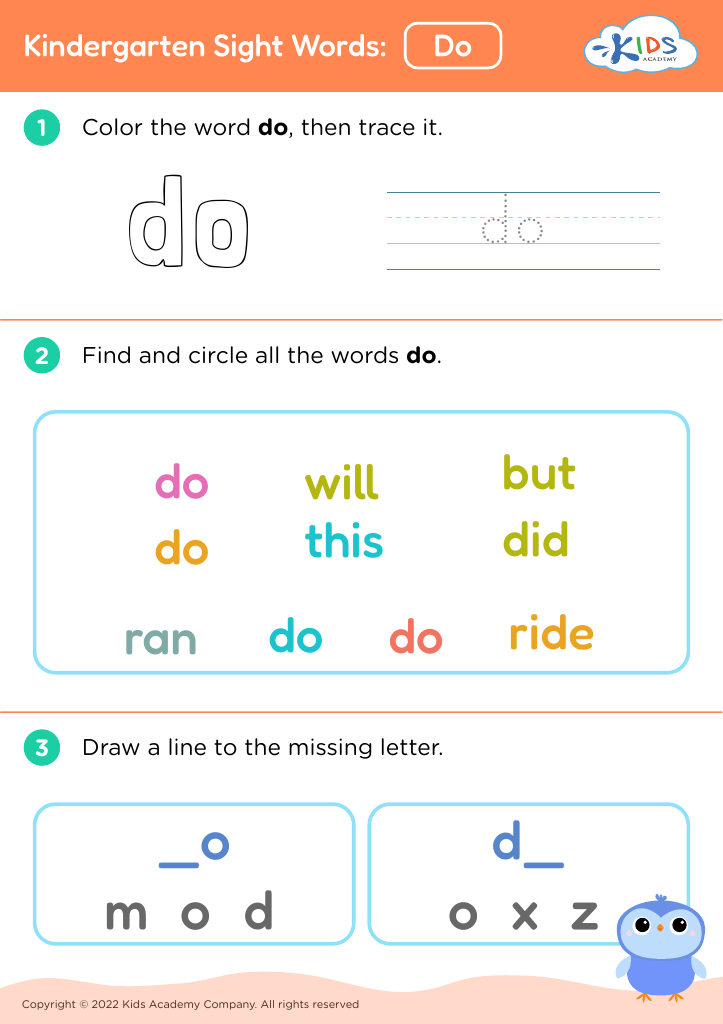
Discover our engaging Mathematical Reasoning Sight Words Worksheets designed specifically for children ages 6-8! These interactive worksheets seamlessly blend foundational literacy skills with essential math concepts, promoting critical thinking and problem-solving abilities. Young learners can recognize and practice sight words while tackling challenging mathematical reasoning problems, fostering both reading and numeracy skills simultaneously. Our resource is perfect for enhancing comprehension and fluency, making learning fun and effective. With colorful illustrations and age-appropriate challenges, children will enjoy developing their mathematical reasoning abilities while growing their sight word vocabulary. Explore our worksheets today and empower your child's educational journey in an exciting way!













Parents and teachers should prioritize mathematical reasoning sight words for children aged 6-8 as they serve as essential building blocks for effective math learning. These sight words, such as "sum," "difference," "greater," "less," and "equal," help young learners familiarize themselves with key vocabulary and concepts fundamental to understanding mathematics.
First, mastering these sight words improves students’ comprehension of math problems and enhances their ability to communicate mathematical ideas. When children can identify and understand these terms, they develop a stronger foundation for solving problems and engaging in discussions about their work.
Moreover, mathematical reasoning nurtures critical thinking skills that extend beyond mathematics. When children learn to interpret and manipulate numbers and concepts, they become better at analyzing situations, making decisions, and understanding the logic behind everyday scenarios.
Additionally, fostering a strong mathematical vocabulary from an early age encourages confidence in young learners. As they perform better in math-related tasks, their enthusiasm for the subject grows, leading to greater achievement. Overall, valuing mathematical reasoning sight words equips children with the language and skills necessary for academic success and real-world application, establishing a positive trajectory for their future educational journeys.