Reading comprehension Sight Words Worksheets for Ages 6-8
16 filtered results
Difficulty Level
Grade
Age
-
From - To
Subject
Activity
Standards
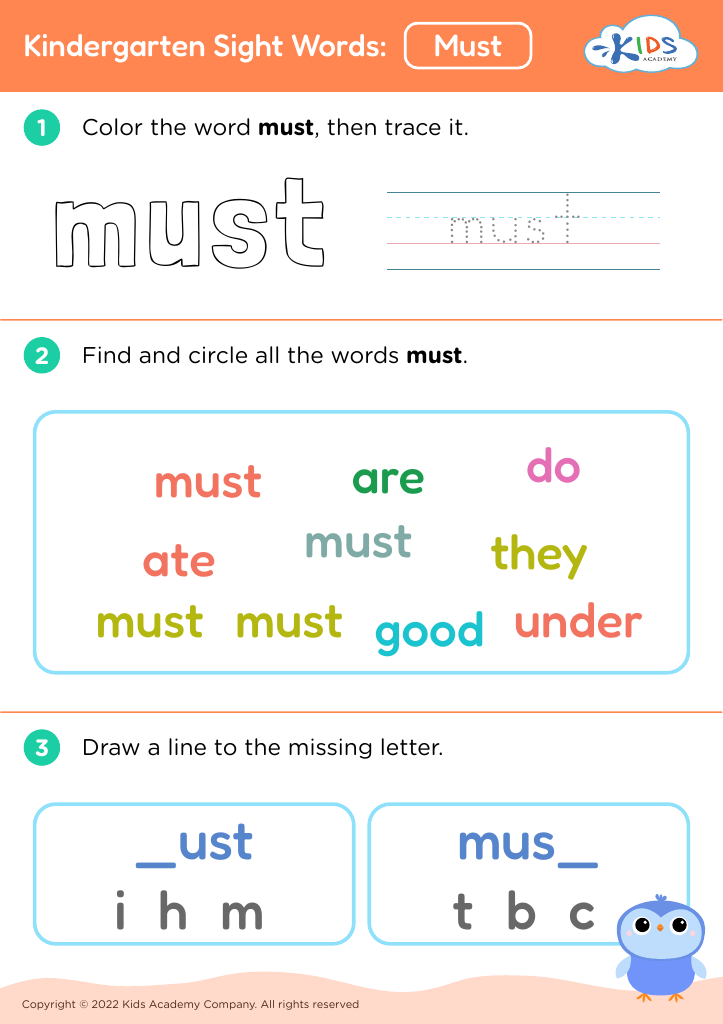
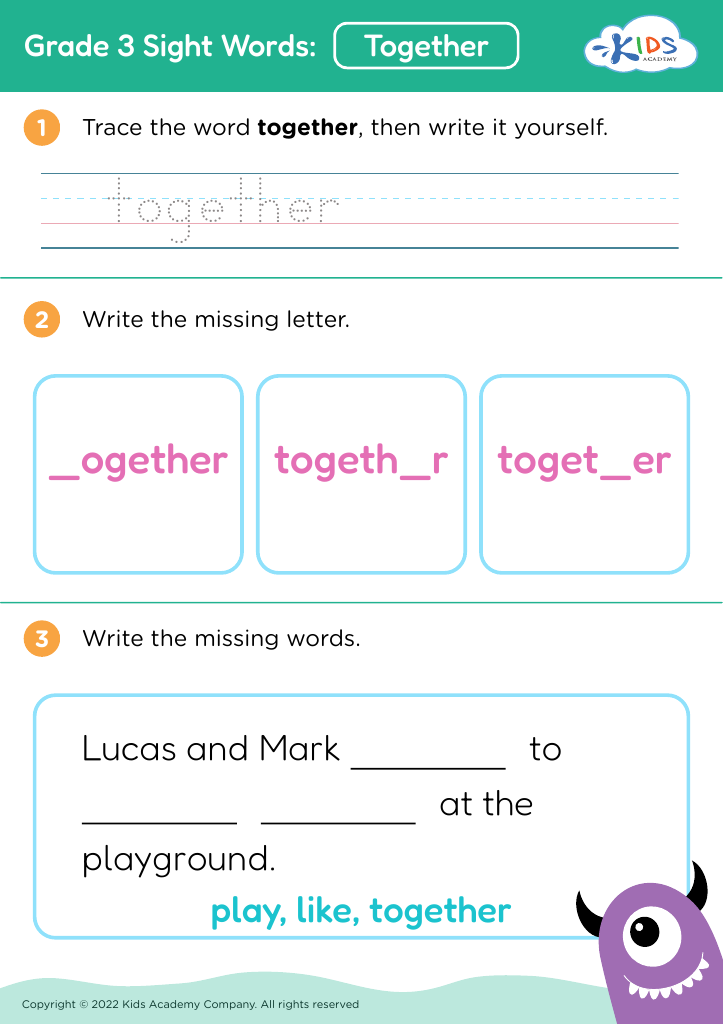
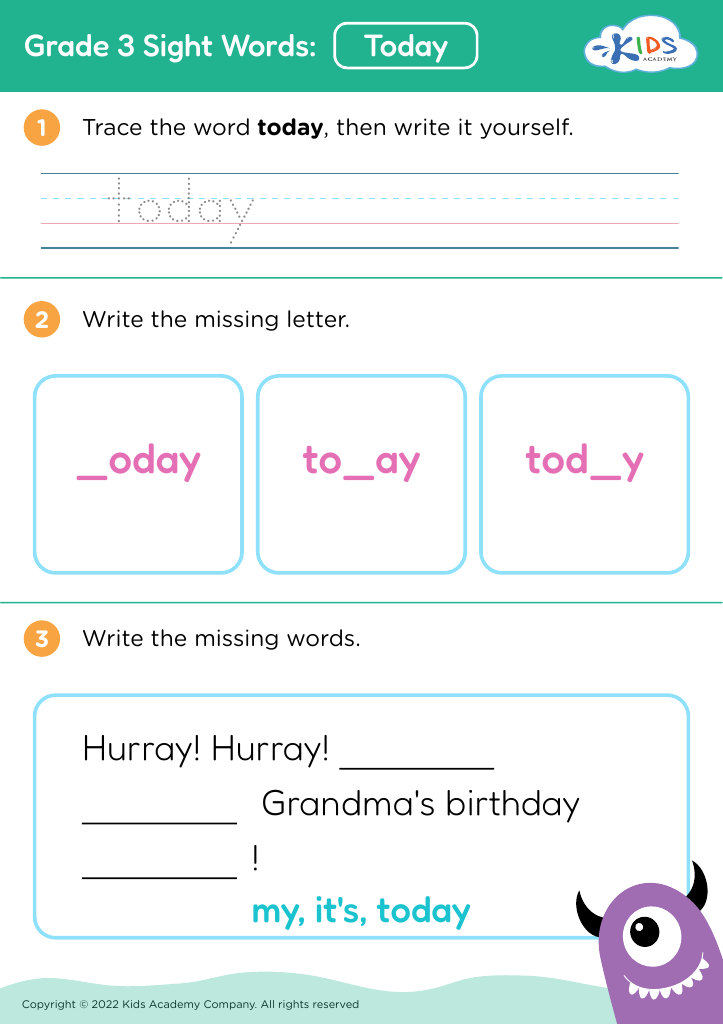
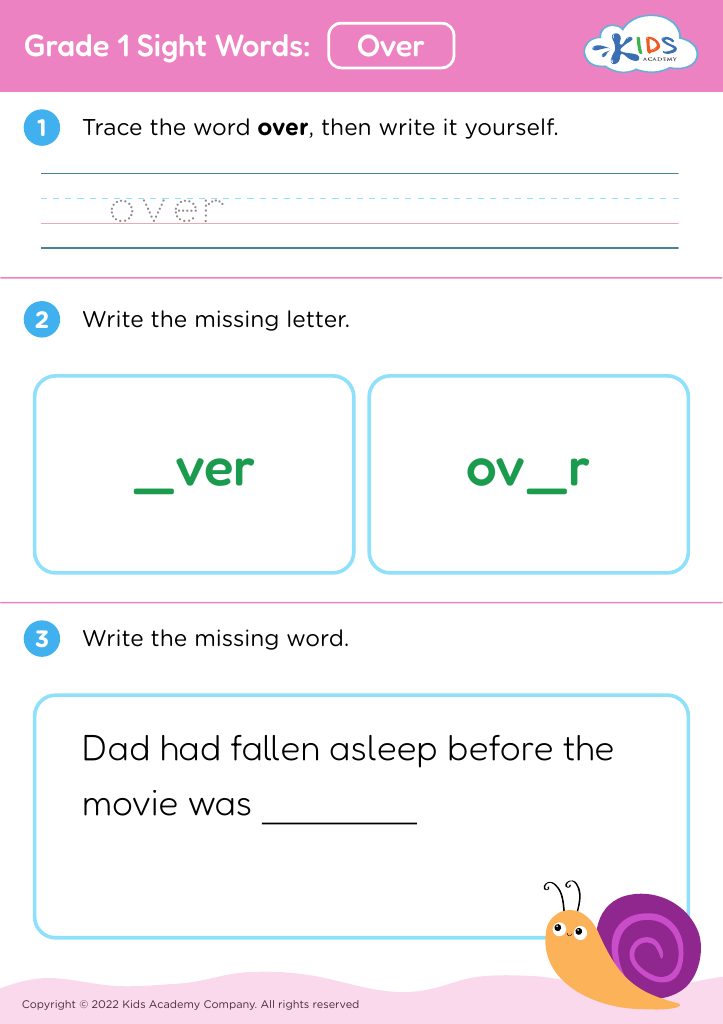
Boost your child’s reading skills with our engaging Reading Comprehension Sight Words Worksheets designed for ages 6-8. These worksheets focus on essential sight words, enabling young learners to improve their reading fluency and comprehension. Colorful, age-appropriate activities challenge kids to identify, read, and understand commonly used words in context, making learning fun and effective. Tailored to align with early education standards, our resources promote critical thinking and enhance vocabulary development. Perfect for homeschooling, classroom activities, or extra practice, these worksheets provide a solid foundation for your child's reading journey. Start exploring today and watch them thrive in literacy!
Favorites
With answer key
Interactive
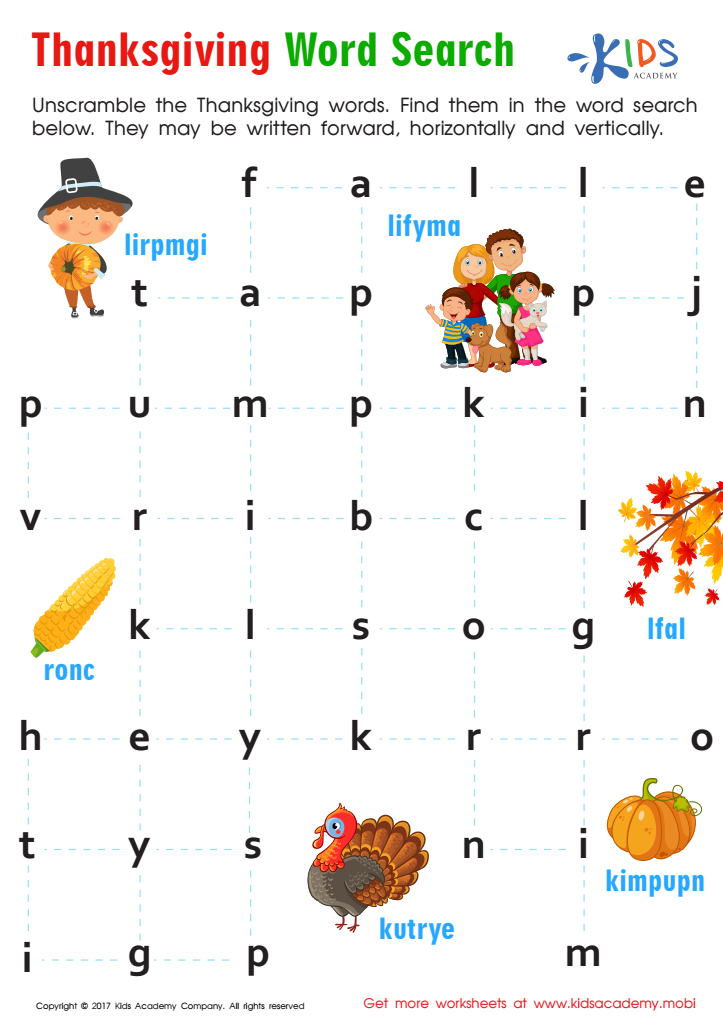
Thanksgiving Word Search Sight Words Worksheet
Unscramble letters to find Thanksgiving-themed sight words with this free worksheet! It's an exciting way to boost your child's reading skills. Download the PDF and enjoy!
 Assign to My Students
Thanksgiving Word Search Sight Words Worksheet
Worksheet
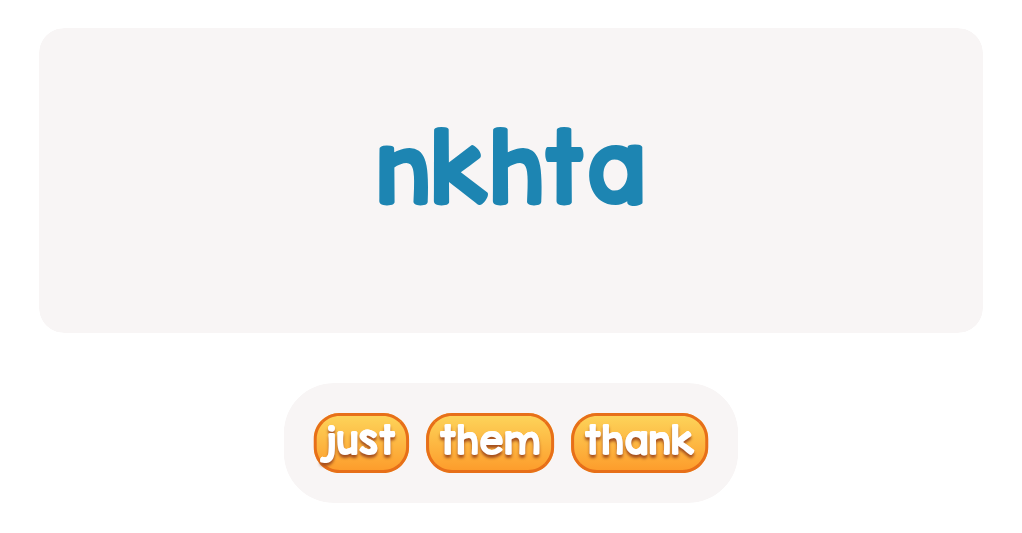

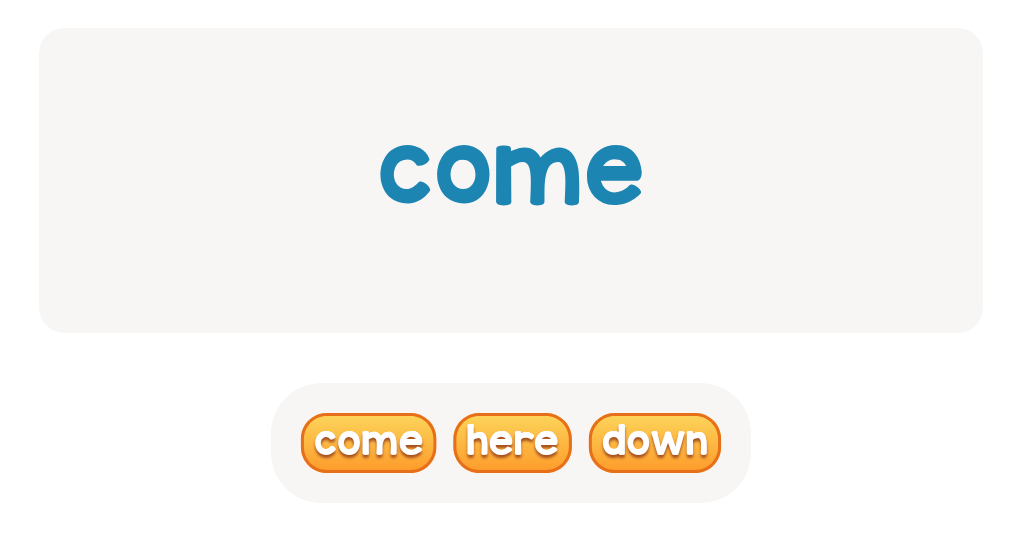


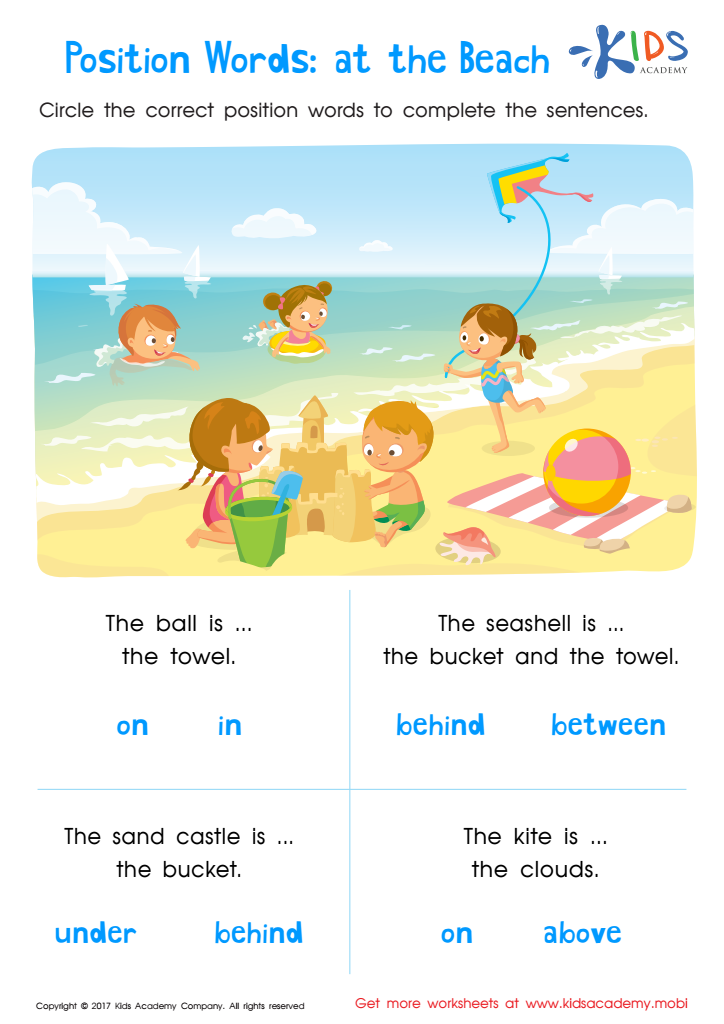
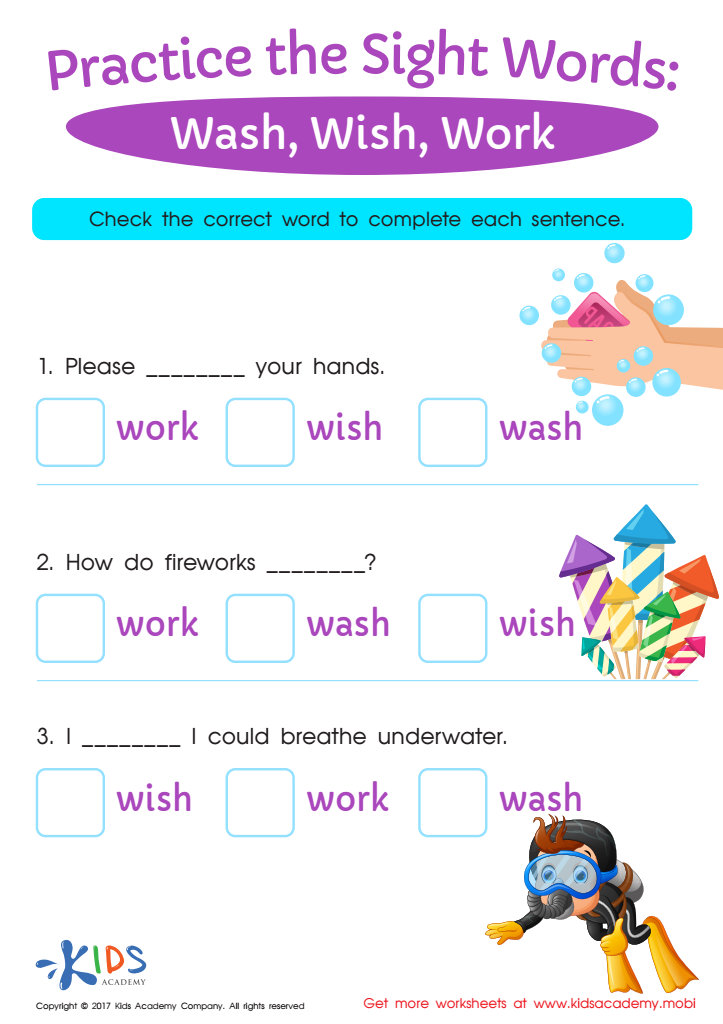
Wash, Wish, Work Sight Words Worksheet
Help your child distinguish between 'wash', 'wish' and 'work' with this sight words printable worksheet. It features sentences with the words and colorful images that aid your child's memory. Help them get one step closer to becoming a confident reader!
Wash, Wish, Work Sight Words Worksheet
Worksheet
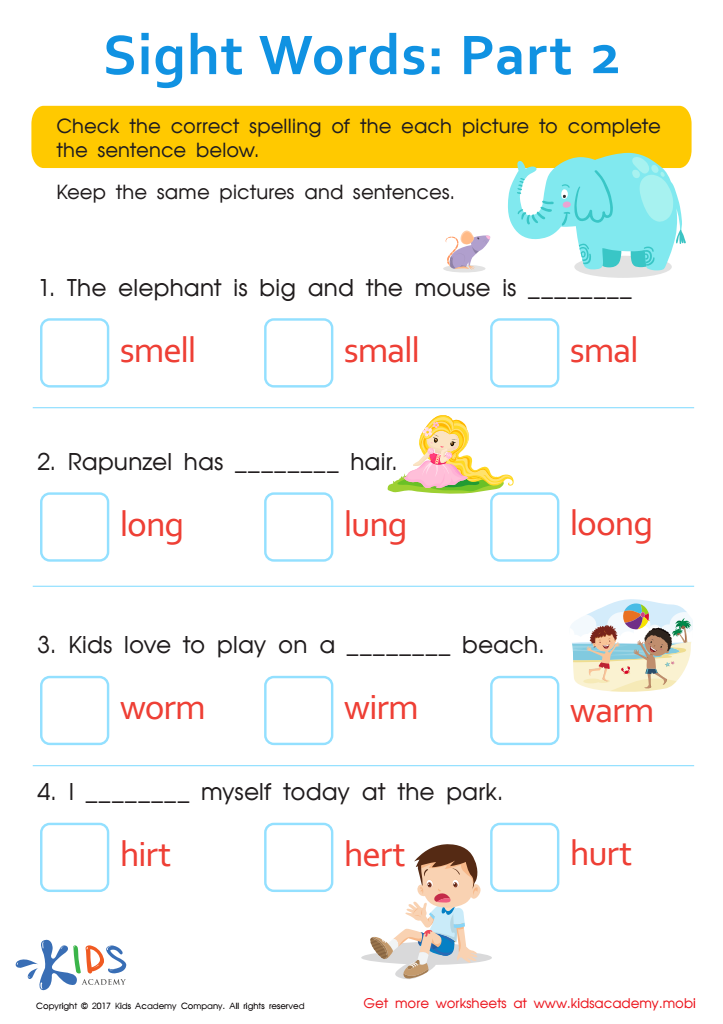
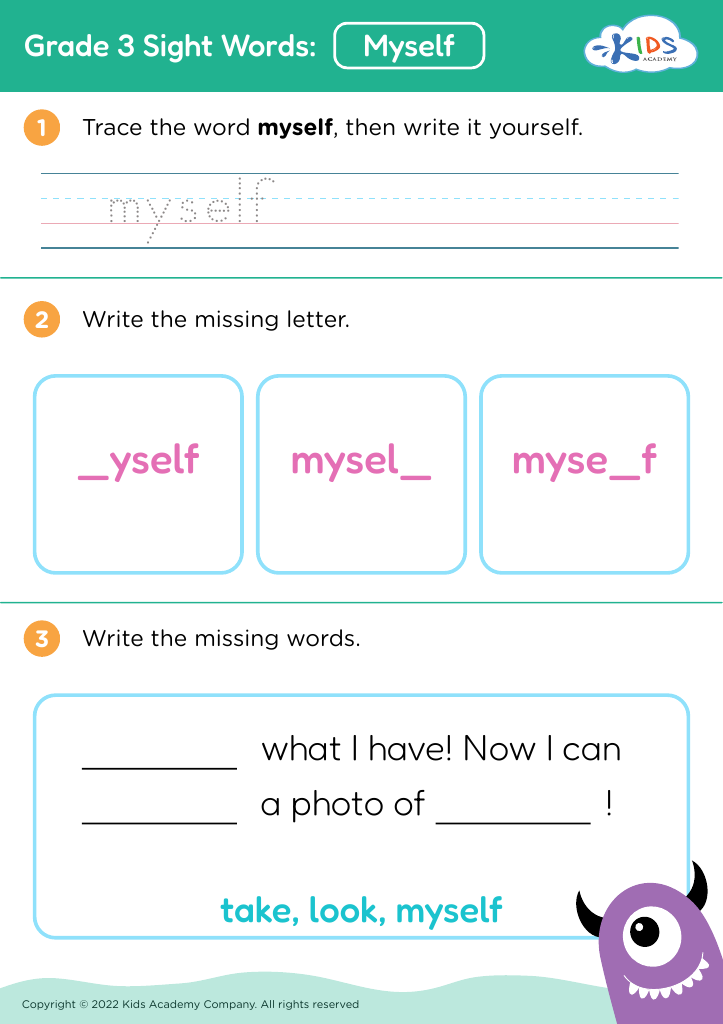
Sight Words Worksheet
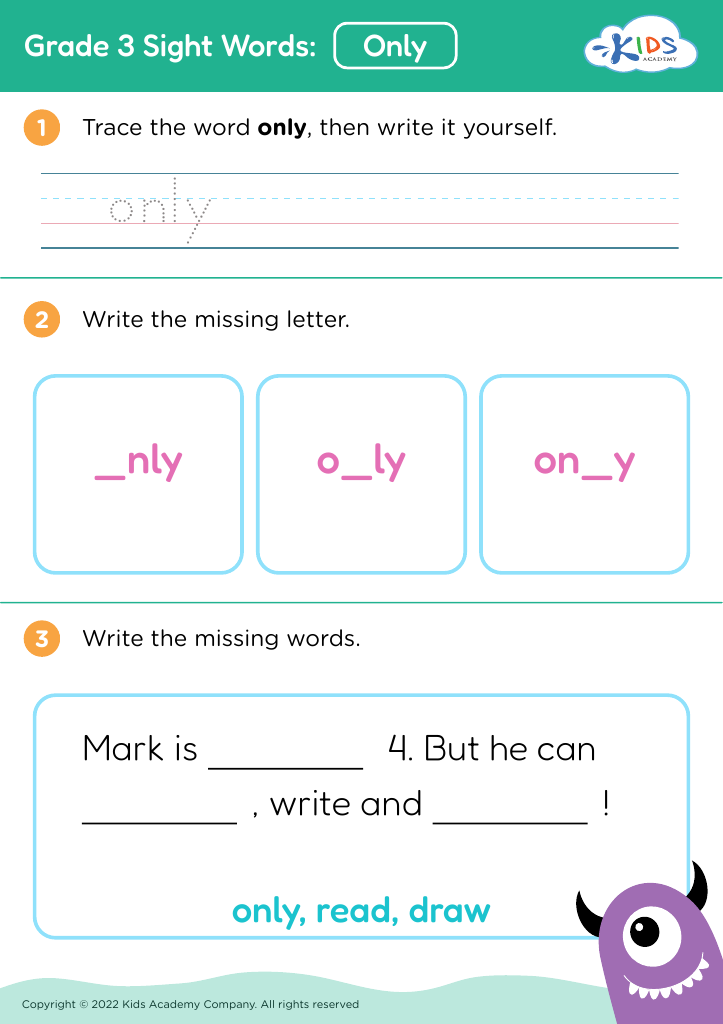
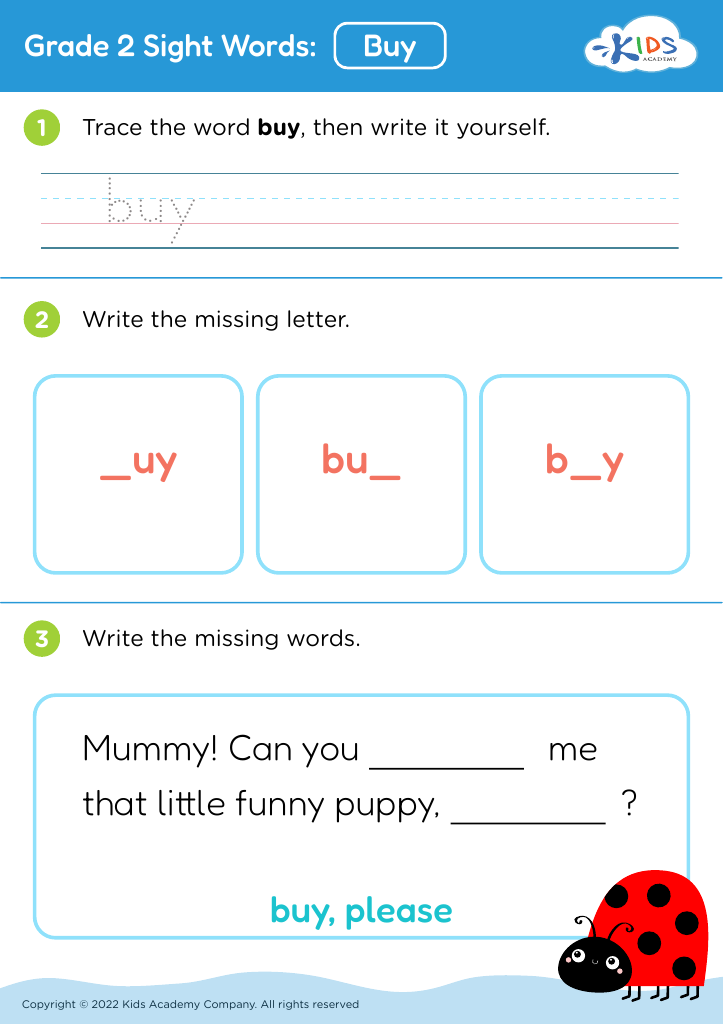
This 3rd grade worksheet strengthens fluency and spelling in just a few minutes! Kids will read a sentence and fill in each blank with the correct sight word. Enjoy watching their skills grow!
Sight Words Worksheet
Worksheet
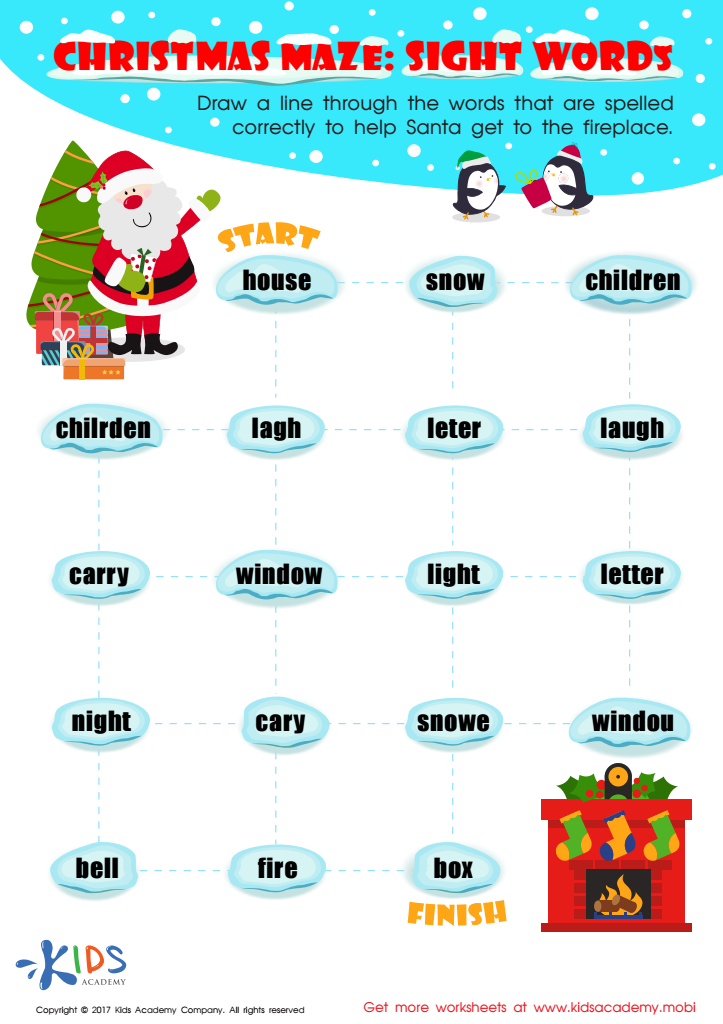
Sight Words Christmas Maze Printable
Let your 3rd grader practice early reading and spelling with this festive Christmas maze! Have fun helping Santa find the fireplace and build fluency skills at the same time. This free worksheet is sure to be a hit and get your child excited for the holidays!
Sight Words Christmas Maze Printable
Worksheet
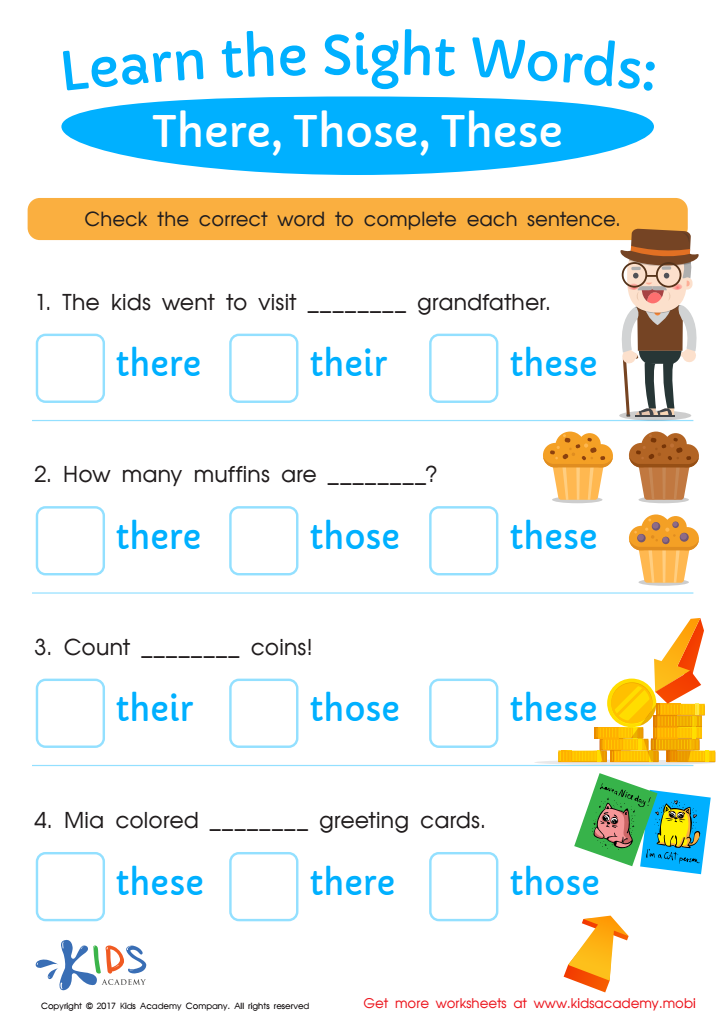
There, Those and These Sight Words Worksheet
Help teach your child to read and use tricky demonstrative pronouns. Use this 2nd grade sight words worksheet: there, those, these. Have them read each sentence and choose the right pronoun by looking at the pictures.
There, Those and These Sight Words Worksheet
Worksheet
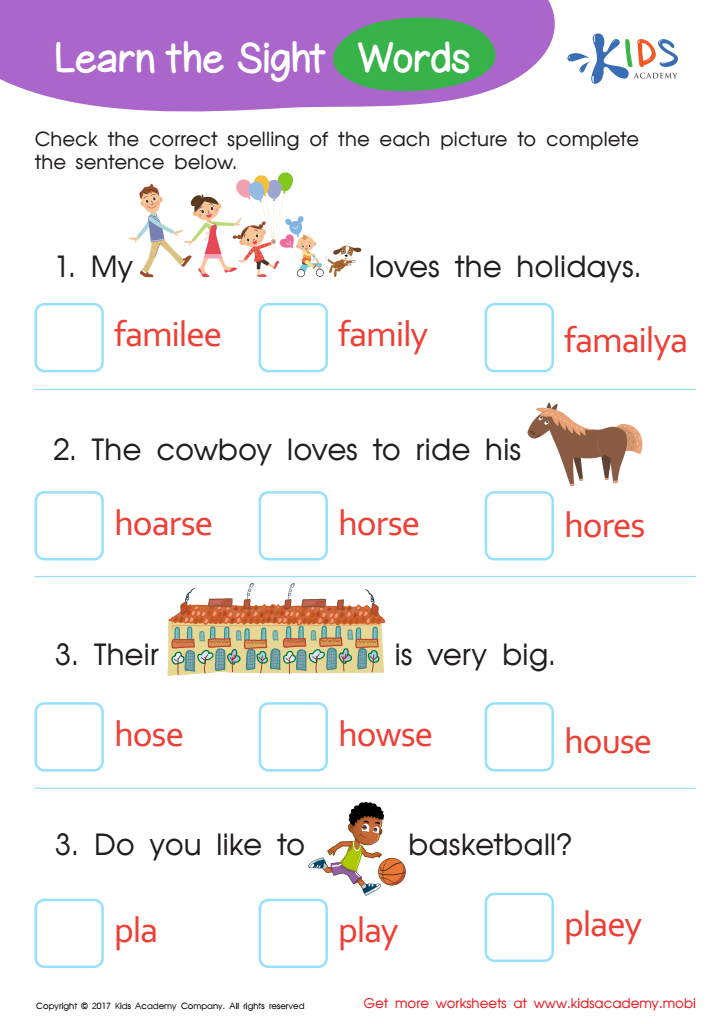
Family, Horse, House, Play Sight Words Worksheet
This fun sight words worksheet uses pictures to offer clues that help kids figure out the correct spelling of family, horse, house, and play! Kids read each sentence, then fill in the blanks with the right words. Adorable and educational!
Family, Horse, House, Play Sight Words Worksheet
Worksheet
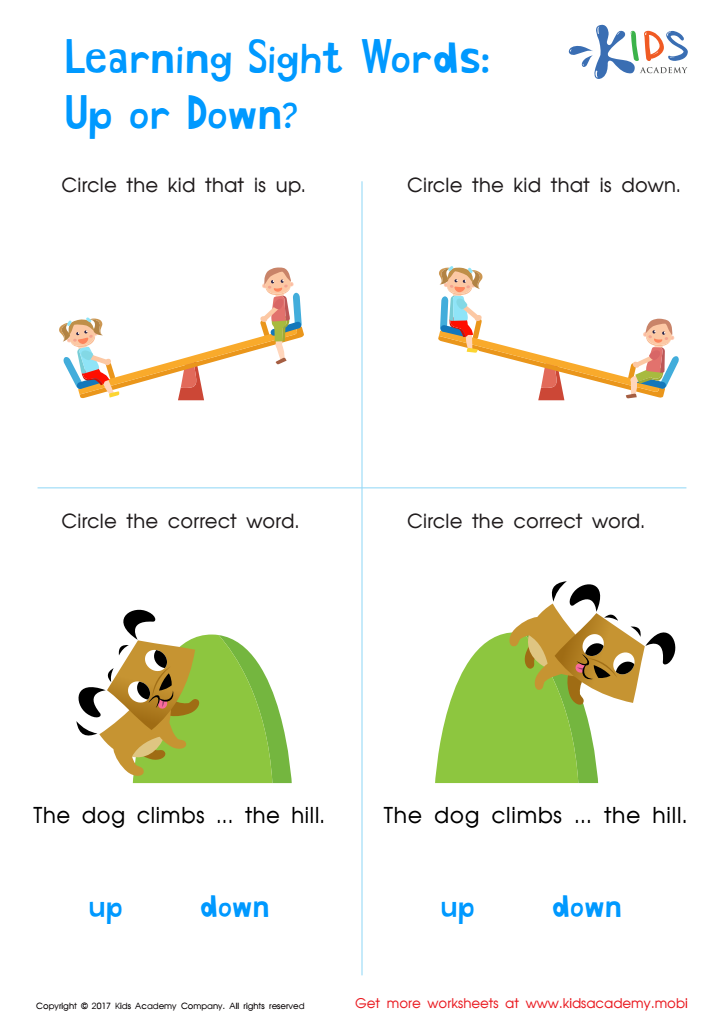
Up or Down Printable Sight Words Worksheet
Help your child identify up and down in print with this sight words worksheet. It has simple sentences, vibrant images and easy-to-read language that allow your little learner to practice these essential sight words. Perfect for early readers!
Help your early reader identify and read up and down with this sight words worksheet. It provides simple sentences, clear language and vibrant images to help them practice these essential sight words. Perfect for toddlers!
Up or Down Printable Sight Words Worksheet
Worksheet
Join Kids Academy for Free
Who is primarily going to use this learning content?








Reading comprehension and sight words are crucial components of literacy development for children aged 6-8. During this transitional phase, kids move from learning to read to reading to learn, making strong reading skills essential for academic success.
Sight words, or words that children recognize instantly without needing to sound them out, play a key role in building fluency in reading. When children can quickly identify these words, they can focus on understanding the context and meaning of the text rather than getting stuck on decoding individual words. This fluency enhances their comprehension, allowing them to grasp stories, follow instructions, and engage in learning more effectively.
Moreover, proficient reading skills contribute to confidence and a positive attitude towards literacy. When children feel competent in reading, they are more likely to participate in classroom discussions, pursue reading for pleasure, and explore new subjects. This foundation established in early literacy not only benefits language arts but also supports learning across other subjects, promoting overall academic achievement.
Consequently, parents and teachers should prioritize reading comprehension and sight word recognition, as these skills are vital for fostering a love of reading and ensuring children thrive in their educational journeys. Encouraging practice and engagement with these foundational skills is key to nurturing lifelong readers.