Plant identification Plants Worksheets for Ages 6-8
5 filtered results
-
From - To
Discover the joy of plant identification with these engaging Plant Worksheets for ages 6-8. Crafted to stimulate curiosity, these worksheets from Kids Academy enhance young learners' knowledge of plant parts, types, and their functions. Children will embark on exciting adventures of distinguishing various plants while boosting their observational and analytical skills. Perfect for early science education, each worksheet combines fun and learning through visually appealing activities. Encourage your child’s love of nature and scientific thinking with these expertly designed resources. Visit Kids Academy to explore and download your plant identification worksheets today!
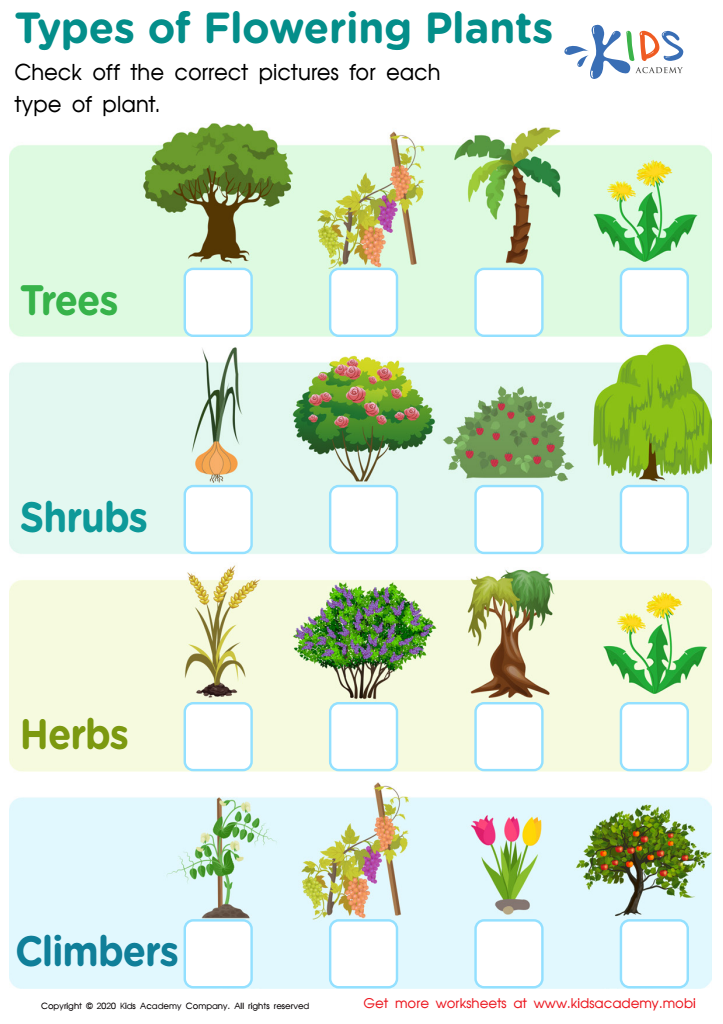
Types of Flowering Plants Worksheet
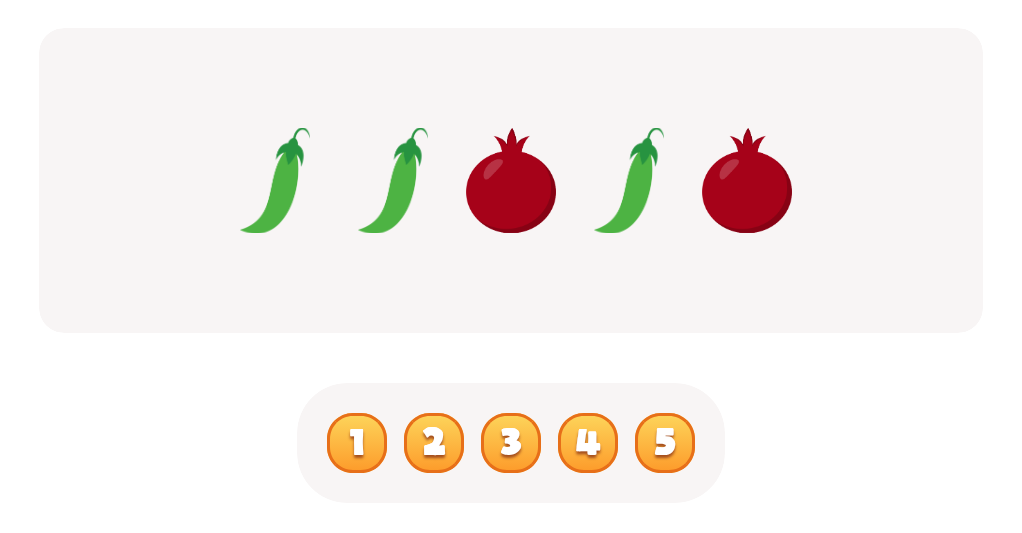

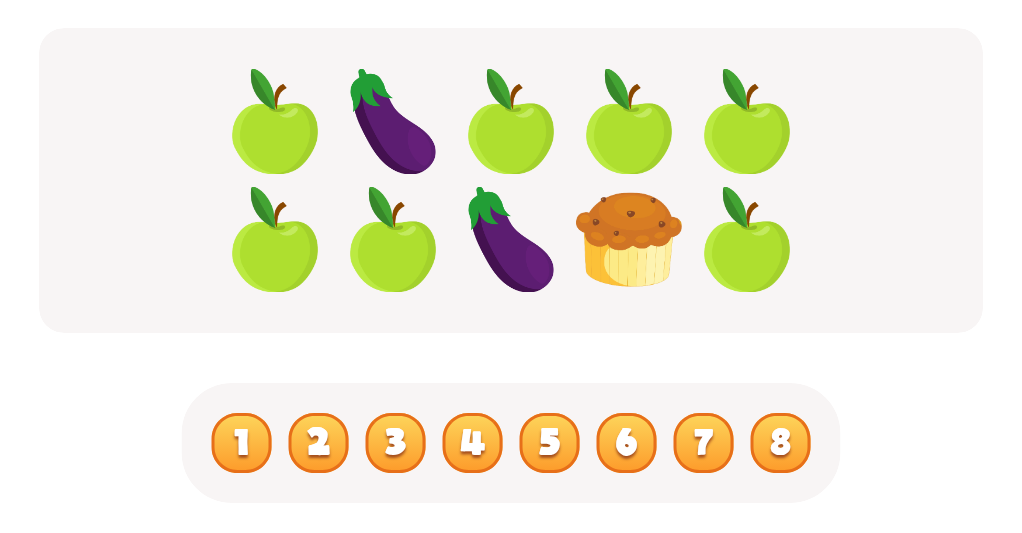

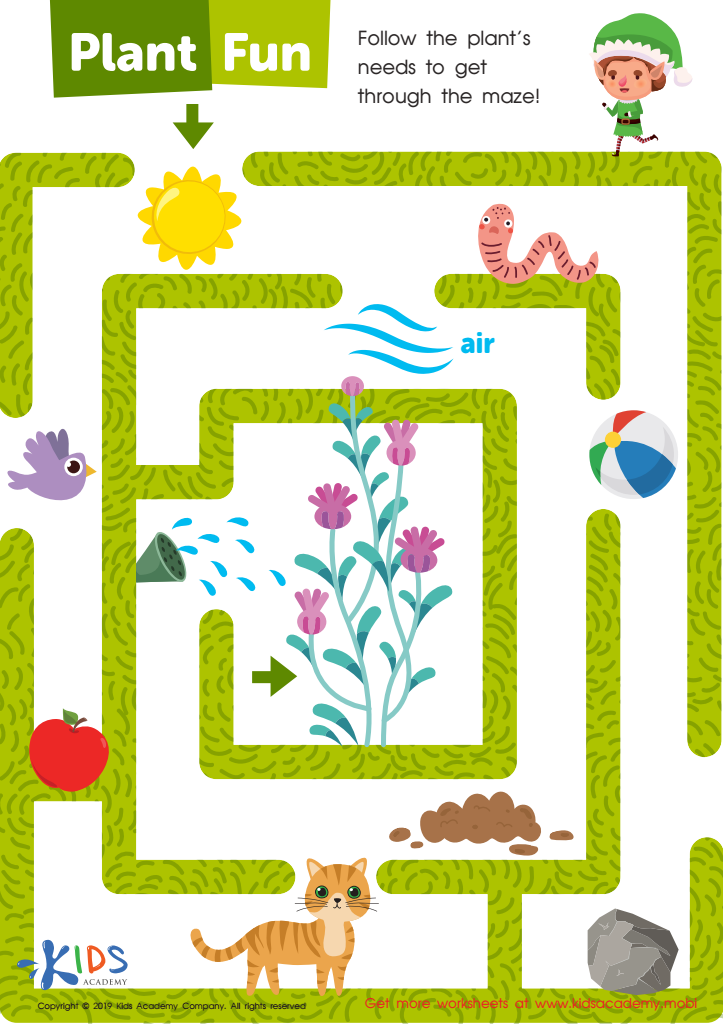
Plant Fun Worksheet
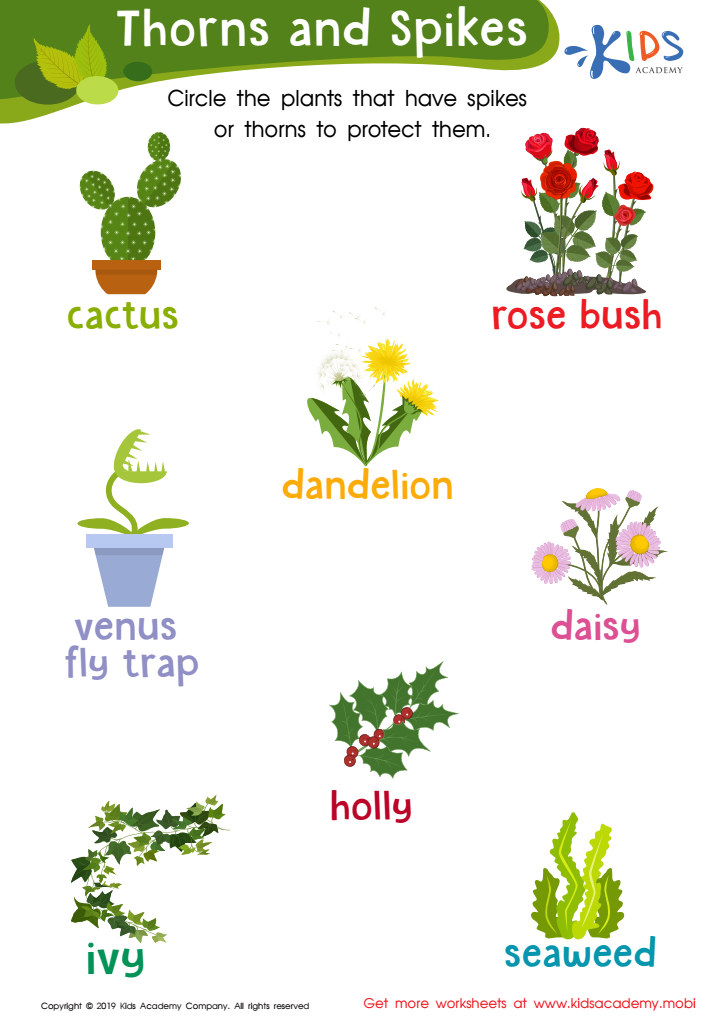
Thorns and Spikes Worksheet
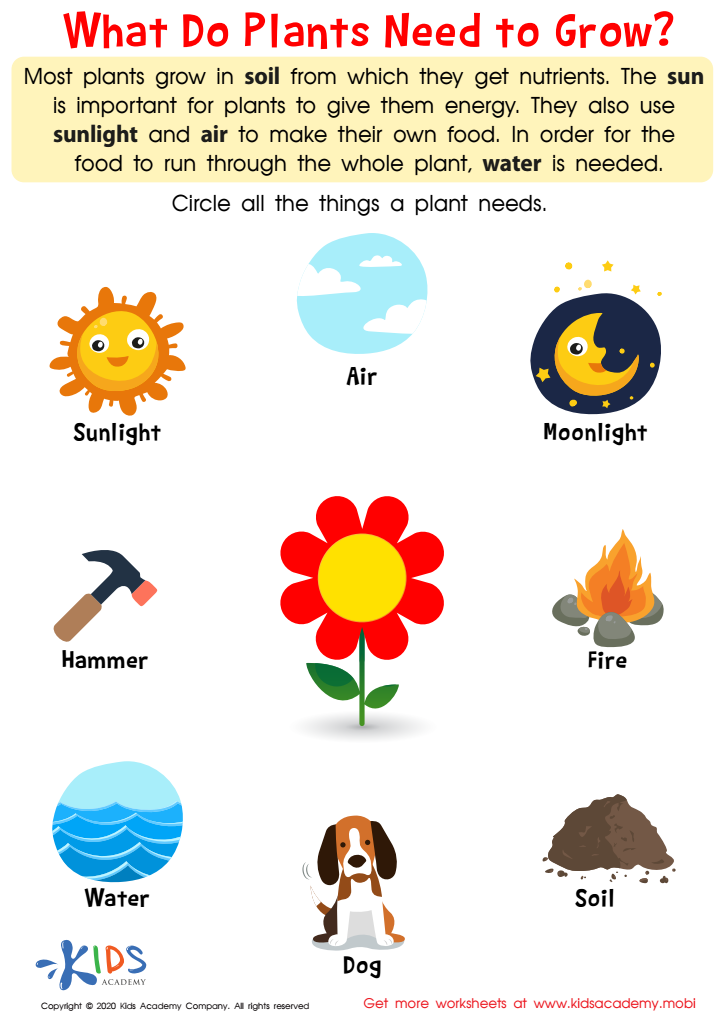
What Do Plants Need to Grow Worksheet
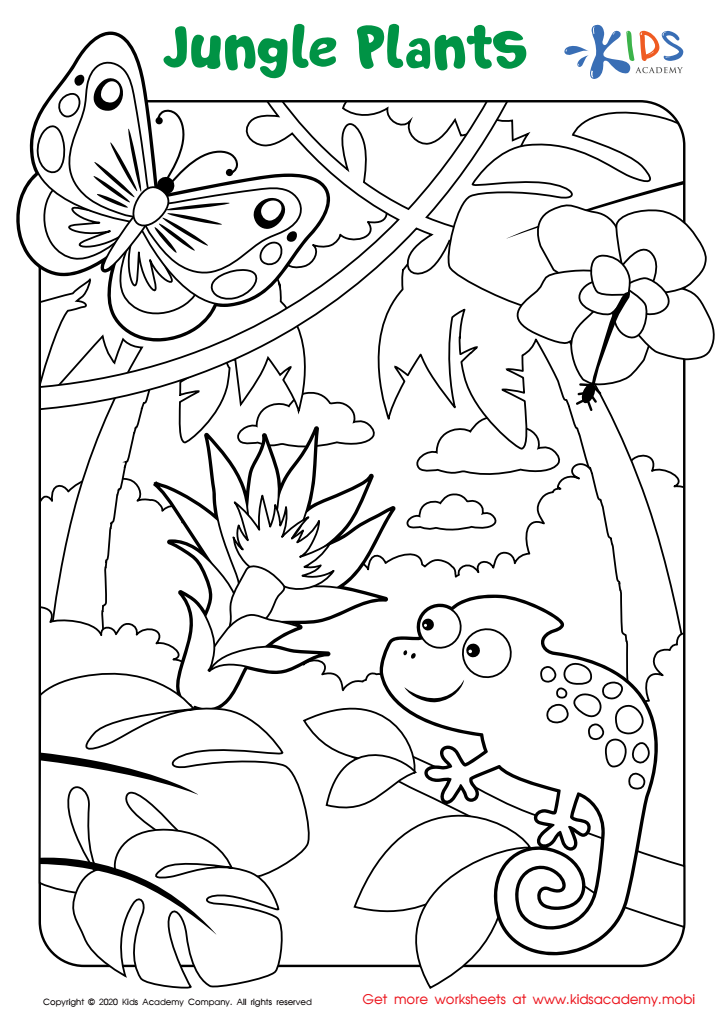
Jungle Plants Worksheet
 Assign to My Students








Parents and teachers should prioritize plant identification for children ages 6-8 because it fosters a critical connection between young learners and the natural world. At this developmental stage, children are highly curious and eager to explore their surroundings, making it the perfect time to instill a love for nature.
Learning to identify plants enhances observational skills and attention to detail. Children learn to notice the different shapes, colors, and textures of leaves, flowers, and stems, honing their ability to observe and describe the world around them accurately. This practice supports cognitive development and strengthens their memory as they recall names and characteristics of various plants.
Plant identification also promotes environmental stewardship. When children understand which plants are local and beneficial to their ecosystems, they develop a sense of responsibility toward preserving their environment. This can lead to behaviors that support sustainability, such as recycling, composting, or gardening.
Additionally, being knowledgeable about plants, especially edible and medicinal ones, can introduce valuable life skills, from knowing where food comes from to understanding the basics of nutrition and health. This can inspire interest in science, botany, and even cooking.
Overall, engaging children in plant identification enriches their education, nurtures their respect for nature, and equips them with lifelong skills and awareness.