Motor skills development ABC Letters Worksheets for Ages 6-9
3 filtered results
-
From - To
Enhance your child's motor skills with our ABC Letters Worksheets designed for ages 6-9. Created by education experts, these fun and engaging sheets improve fine and gross motor skills while reinforcing alphabet knowledge. Perfectly suited for home or classroom use, kids practice writing letters, coloring, and tracing patterns. These activities promote hand-eye coordination and dexterity, essential for handwriting success. With vibrant images and interactive exercises, learning becomes a joyful and productive experience. Help your children build a strong foundation for academic achievement with our Motor Skills Development ABC Letters Worksheets, available now for easy download.

Letter H Tracing Page










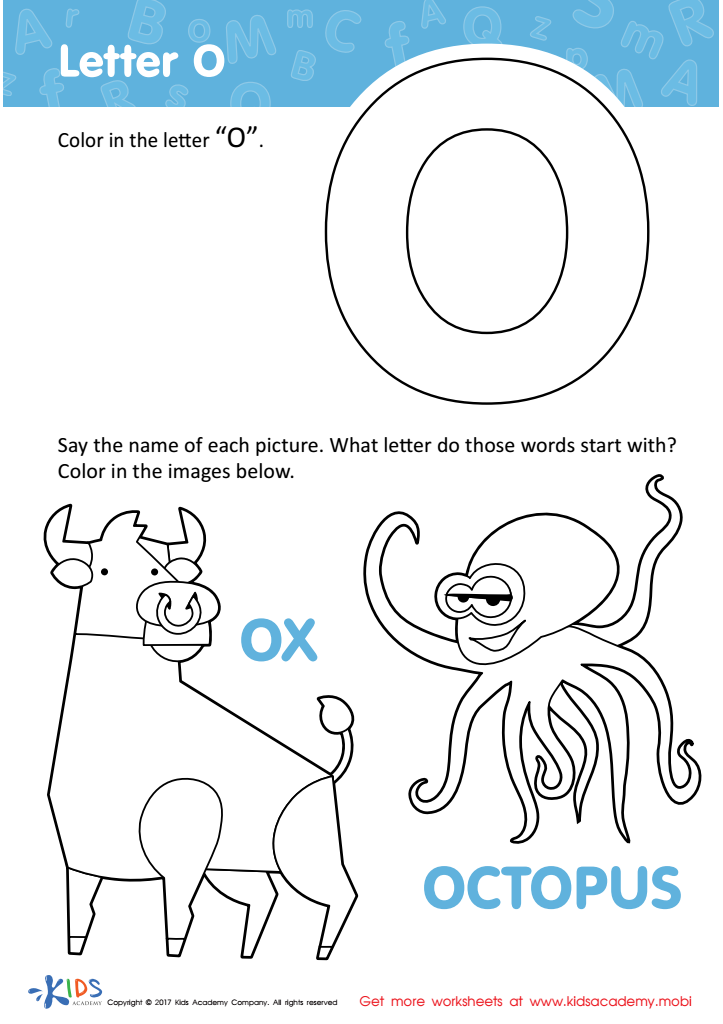
Letter O Coloring Sheet
 Assign to My Students
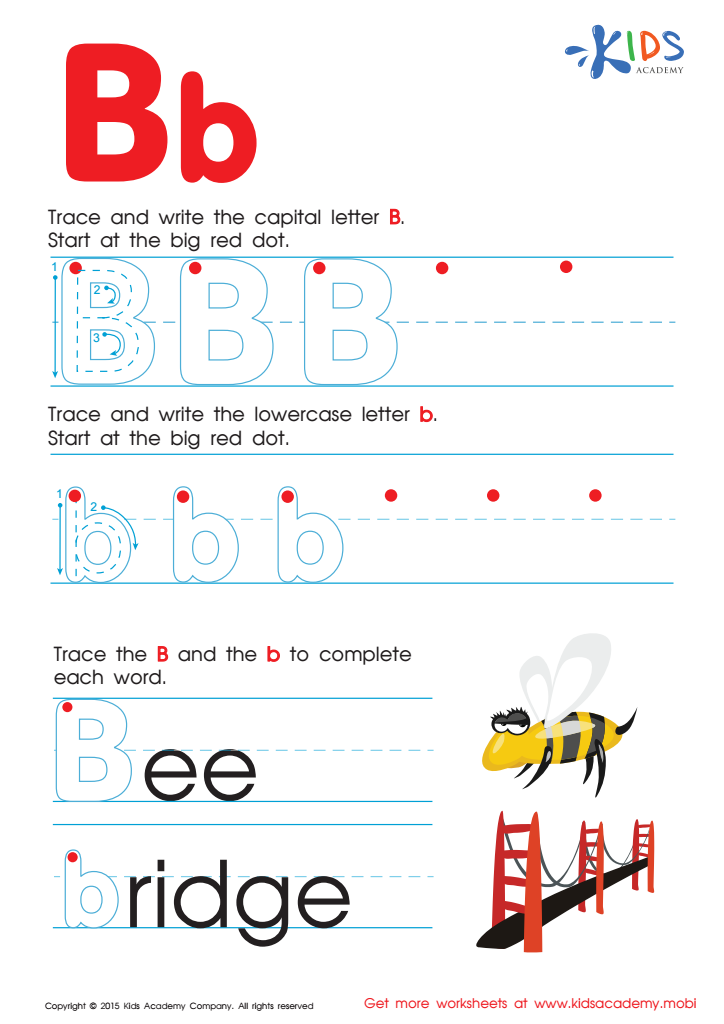
Letter B Tracing Page







Motor skills development is essential for children aged 6-9 because it forms the foundation for both academic learning and daily activities. Developing these skills through ABC letters involves not just cognitive development but also fine motor skills. Fine motor skills include the ability to make movements with the small muscles in the hands and wrists, which are necessary for handwriting and other daily tasks. Practicing writing letters, tracing, and engaging in activities like cutting and coloring helps strengthen these muscles, making it easier for children to perform tasks efficiently.
Additionally, writing and recognizing ABC letters improve hand-eye coordination and spatial awareness, empowering children with skills that are crucial for reading and higher-level math concepts. When children engage in letter-based motor skill activities, they also learn to focus and build their concentration span, both highly important for academic success.
Furthermore, developing motor skills encourages independence in personal care activities like dressing and eating, fostering confidence and self-reliance in young children. By the age of six, children are in a period of rapid growth and learning; focusing on motor skills development alongside cognitive growth provides a balanced development, equipping them for school and everyday life. Parents and teachers should prioritize these activities to ensure holistic development, preparing children for future challenges more effectively.







