Motor skills development Letter Recognition Worksheets for Ages 6-9
5 filtered results
-
From - To
Discover our Motor Skills Development Letter Recognition Worksheets, designed specifically for children aged 6-9. These engaging resources help young learners enhance their fine motor skills while mastering letter recognition. Each worksheet offers a variety of fun and interactive activities, including tracing, coloring, and connecting letters, ensuring children enjoy the learning process. By integrating motor skill exercises with alphabet practice, these worksheets provide a holistic approach to literacy development. Perfect for homeschooling or classroom use, our materials support cognitive growth and foster a love for learning. Equip your child with the essential skills that pave the way for future academic success!

Letter H Tracing Page
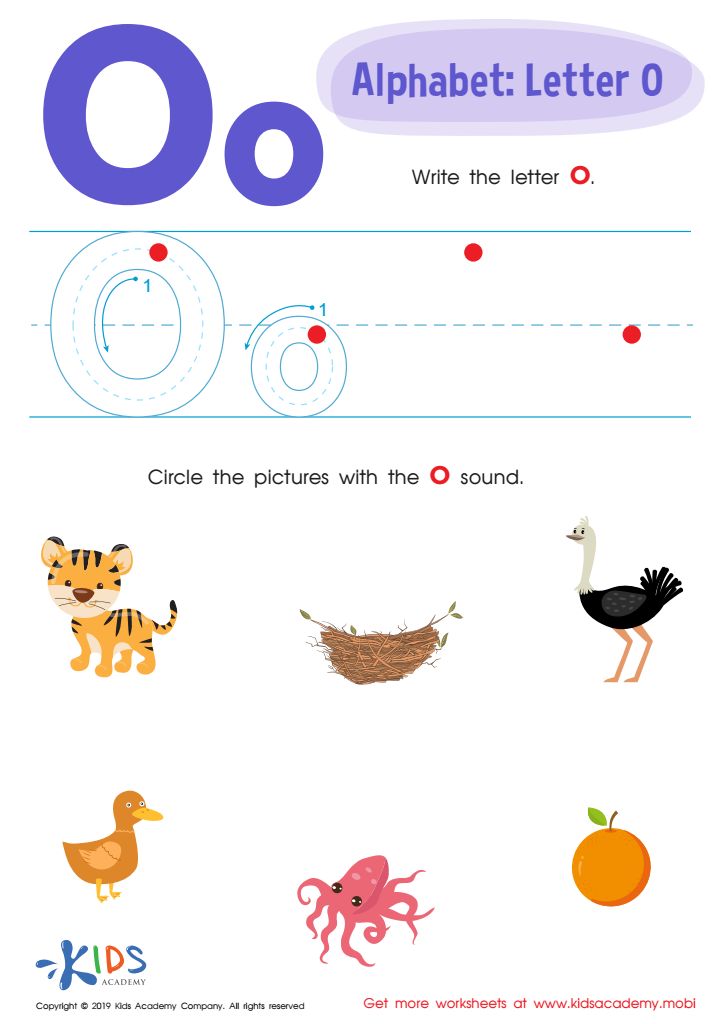
Letter O Tracing Worksheet
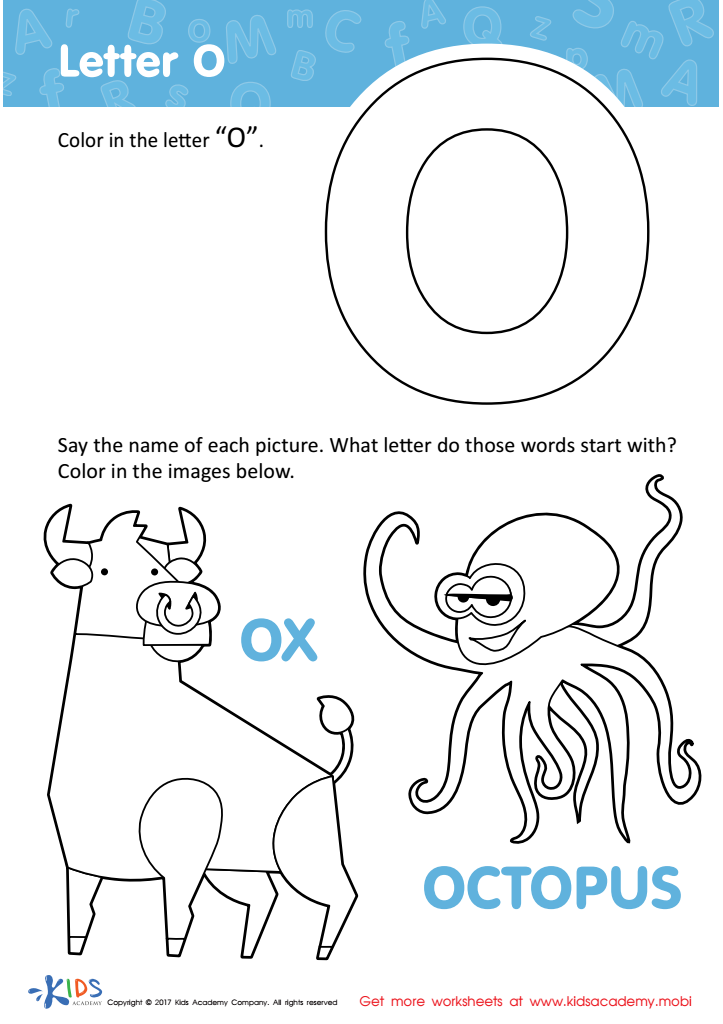
Letter O Coloring Sheet
 Assign to My Students

Letter B Tracing Page
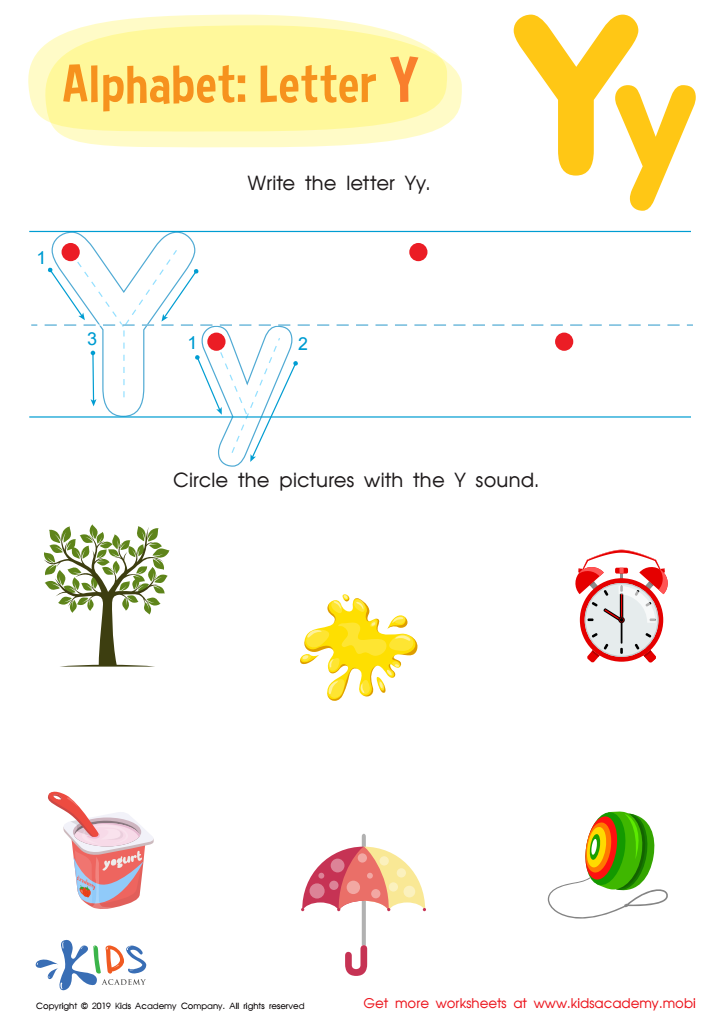
Letter Y Tracing Worksheet








Motor skills development and letter recognition are crucial components of a child's early education, particularly for ages 6 to 9. During this critical period, children are refining their fine motor skills, which are essential for writing, drawing, and other tasks that depend on hand-eye coordination. Strong motor skills enable children to manipulate writing tools effectively, shaping not just their ability to write letters but also their overall confidence in classroom participation.
Letter recognition plays a vital role in literacy development. As children learn to identify and differentiate letters, they build a foundational understanding necessary for reading and spelling. This recognition enhances their phonemic awareness, further supporting their language acquisition and comprehension skills. Children who excel in letter recognition often find reading enjoyable, leading to enhanced vocabulary and communication abilities.
When parents and teachers prioritize the development of motor skills and letter recognition, they create an enriching learning environment. Engaging activities such as crafting, games, and interactive reading can promote these skills while maintaining excitement about learning. Ultimately, by fostering these essential skills, adults ensure children are prepared for more complex academic tasks, setting the stage for lifelong learning and success.







