Letter-sound association Tracing Letters Worksheets for Ages 6-9
5 filtered results
-
From - To
Discover our engaging Letter-Sound Association Tracing Letters Worksheets designed specifically for children aged 6-9. These worksheets enhance early literacy skills by helping young learners connect letters with their corresponding sounds through fun tracing activities. Each worksheet provides a creative and interactive way for kids to practice writing while reinforcing phonemic awareness, an essential skill for reading development. Tailored to support diverse learning styles, our worksheets encourage both independent work and guided practice. Join us on a journey to strengthen your child's foundation in language arts with these colorful and stimulating resources, fostering a lifelong love for reading and writing.
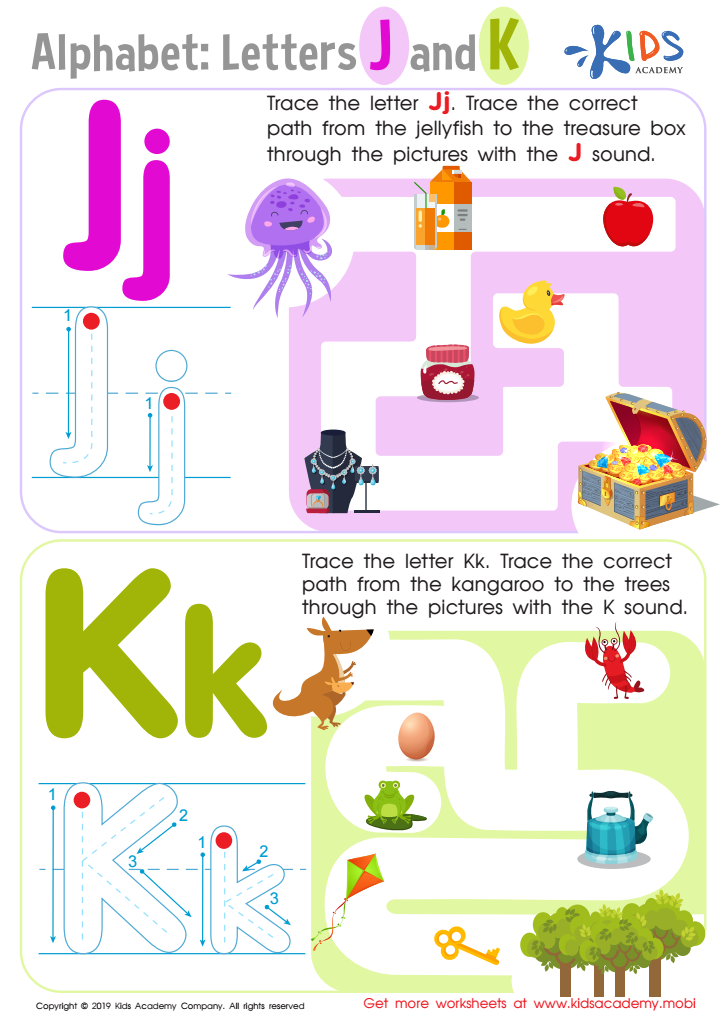
Letters J and K Tracing Worksheet
 Assign to My Students
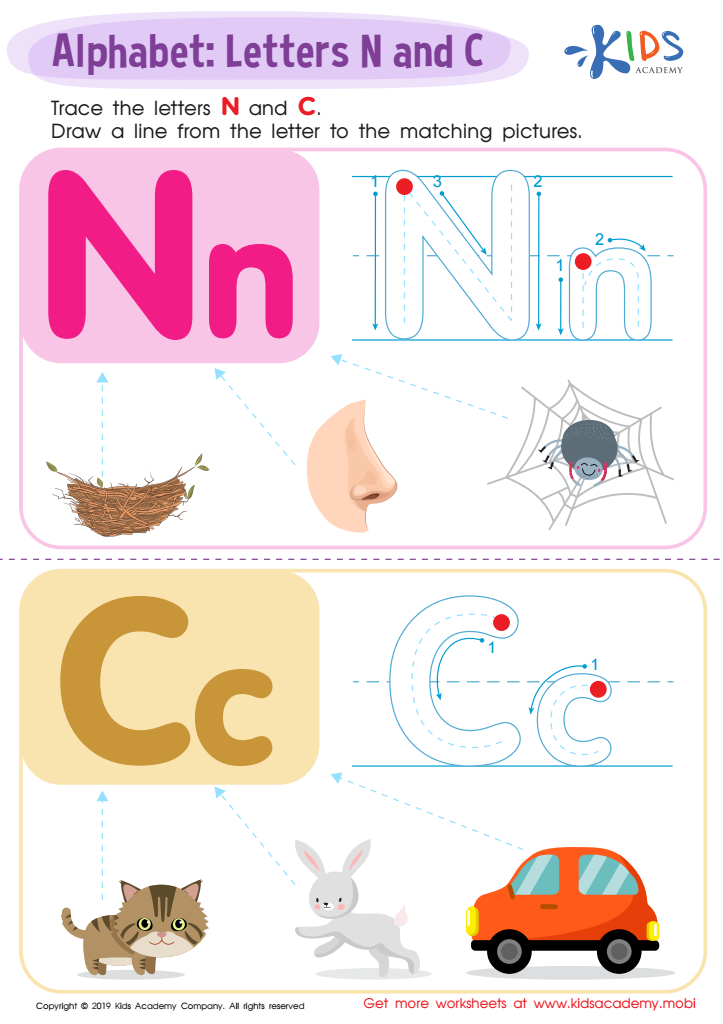
Letter N and C Tracing Worksheet
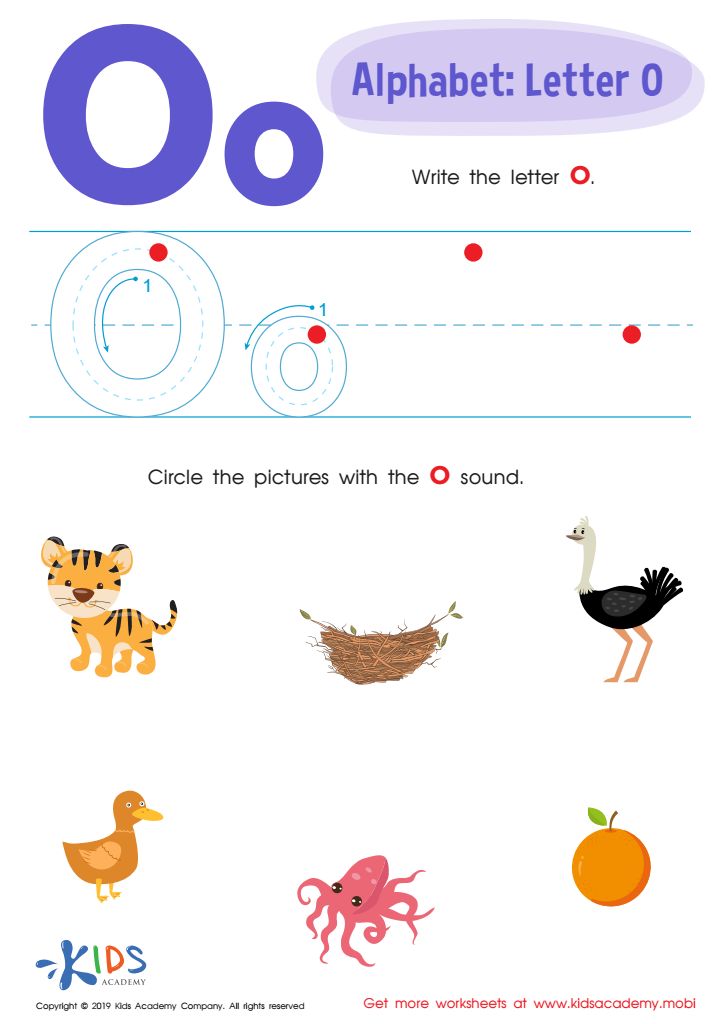
Letter O Tracing Worksheet
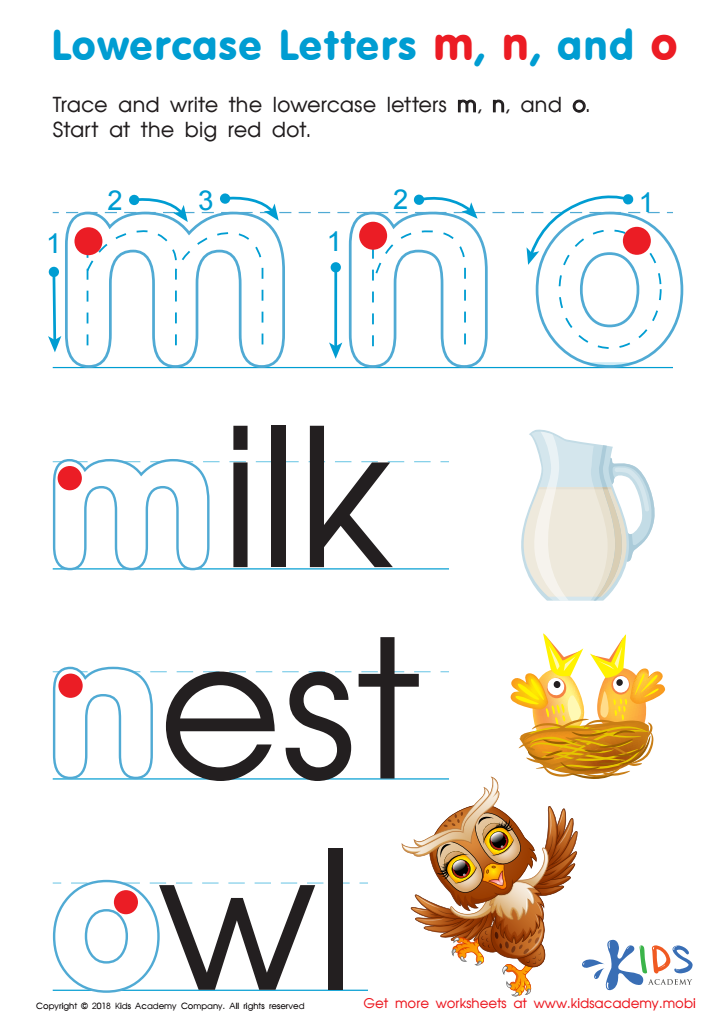
Lowercase Letters m n o Worksheet
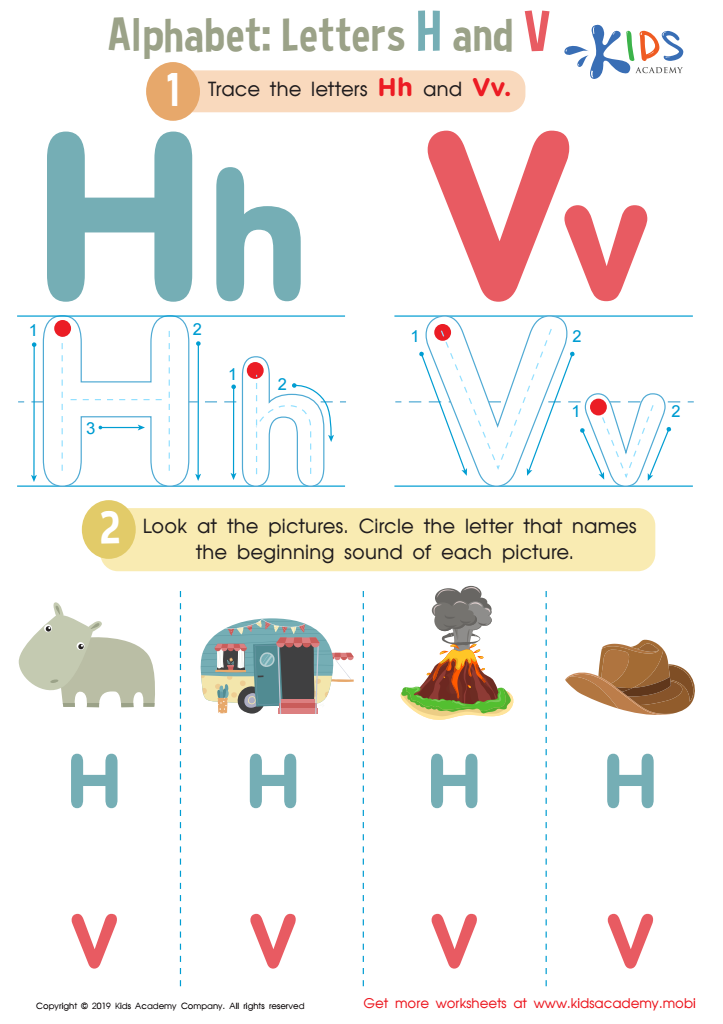
Letters H and V Tracing Worksheet








Letter-sound association and tracing letters are fundamental skills for children aged 6-9, serving as the backbone for reading and writing development. Parents and teachers should care about these skills because they significantly impact a child's literacy journey. Mastering letter-sound association helps children decode words, aiding in reading fluency and comprehension. When children understand how letters represent sounds, they become more confident readers, which fosters a lifelong love of learning.
Tracing letters in conjunction reinforces fine motor skills, enhancing a child's ability to control writing instruments, ultimately leading to improved handwriting. It also helps with letter recognition, ensuring that children can quickly identify letters in print, which is crucial for early reading success.
Additionally, children often benefit from multi-sensory learning experiences, as tracing letters involves visual, auditory, and tactile engagement. This combination can make learning more enjoyable and memorable. By prioritizing letter-sound association and tracing, parents and teachers can create a strong foundation for literacy, enabling students to progress in their academic journeys and participate fully in classroom activities. In summary, supporting these skills is essential for fostering confident, capable, and enthusiastic readers and writers.








