Letter Tracing Practice Tracing Letters Worksheets for Ages 6-9
5 filtered results
-
From - To
Explore our "Letter Tracing Practice Worksheets" designed specifically for children aged 6-9! These interactive and engaging worksheets help young learners increase their handwriting skills by tracing letters of the alphabet. With a variety of activities, your child will develop fine motor skills, improve letter recognition, and build confidence in their writing abilities. Our user-friendly and colorful worksheets make learning fun, aligning with educational standards to foster essential literacy skills. Perfect for both home and school use, these tracing worksheets are a valuable resource for nurturing your child's love for learning! Start their handwriting journey today with our creative and effective tracing activities.
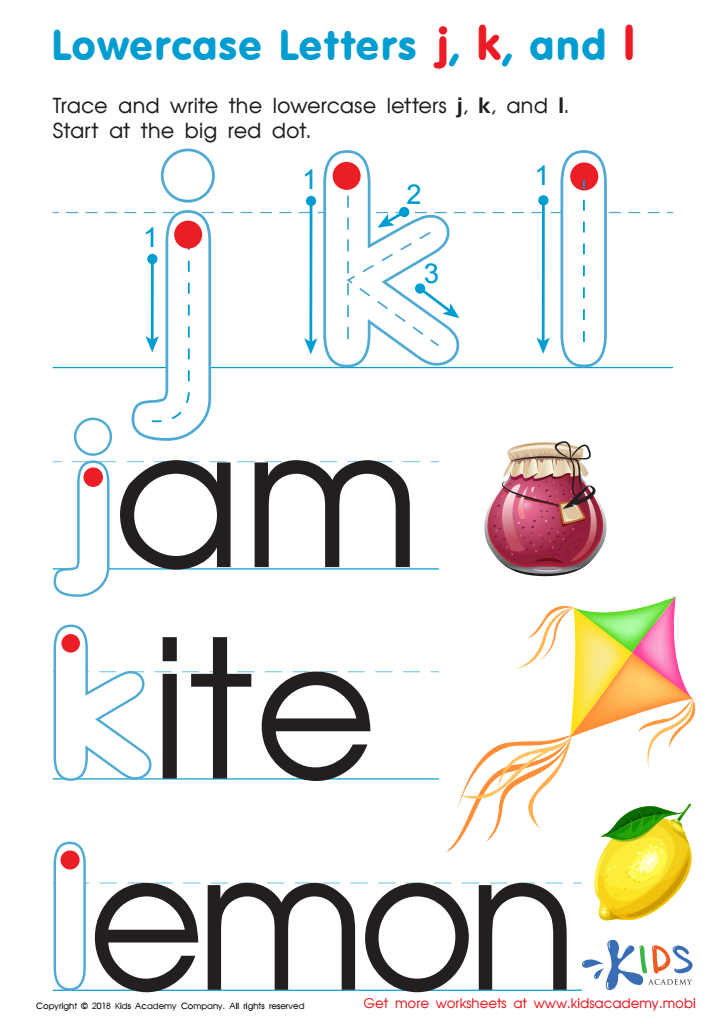
Lowercase Letters j k l Worksheet
 Assign to My Students
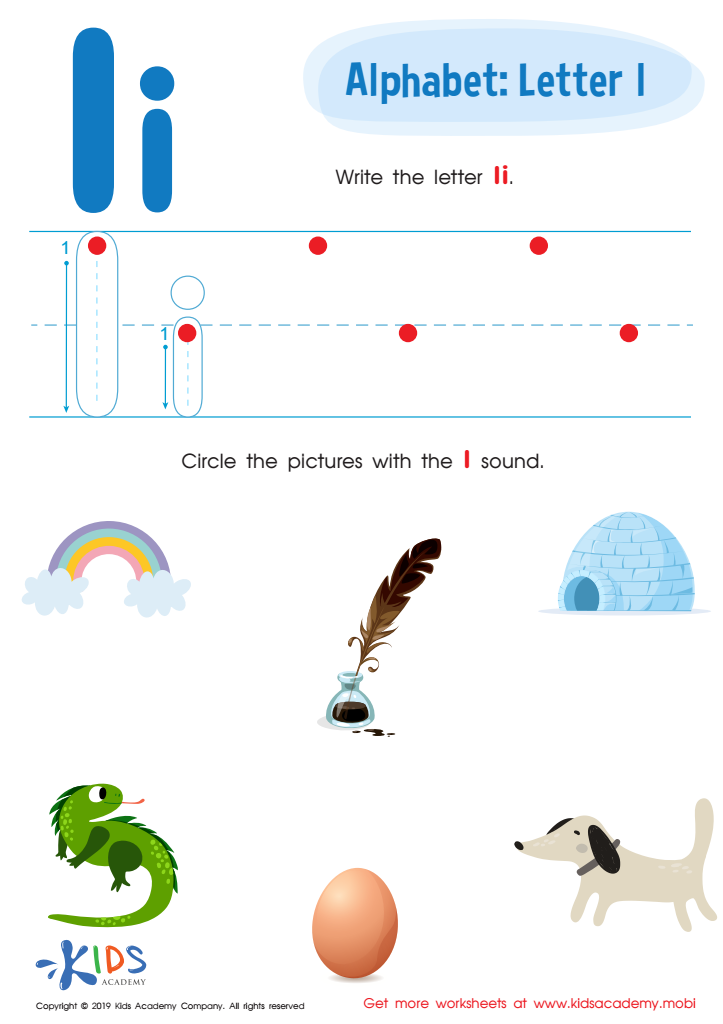
Letter I Tracing Worksheet
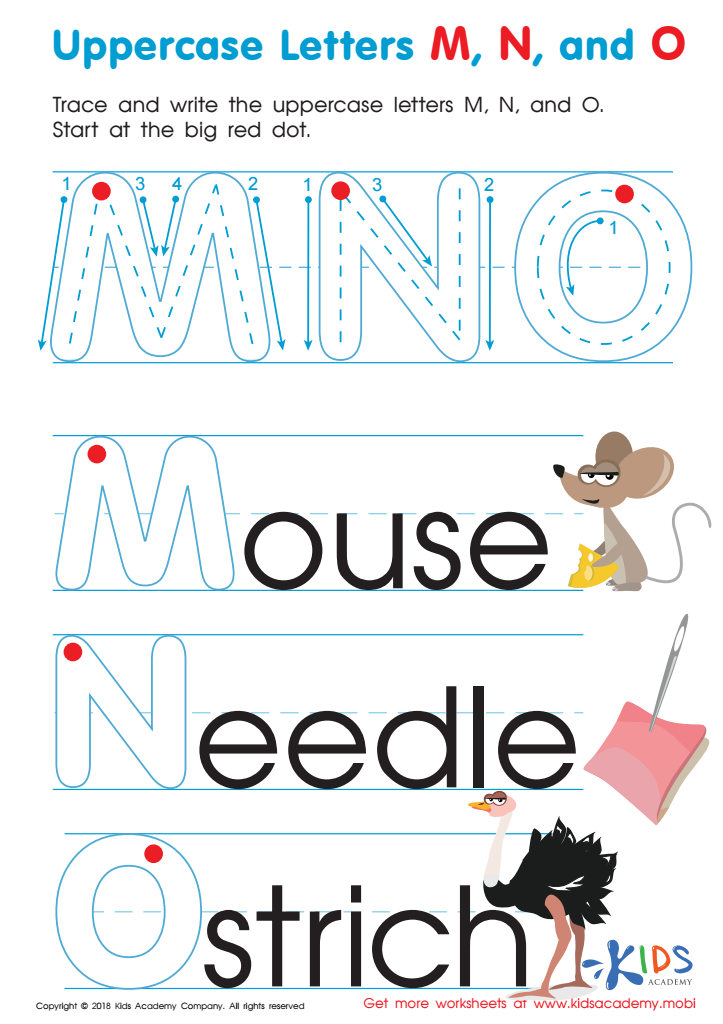
Uppercase Letters M, N, and O Worksheet
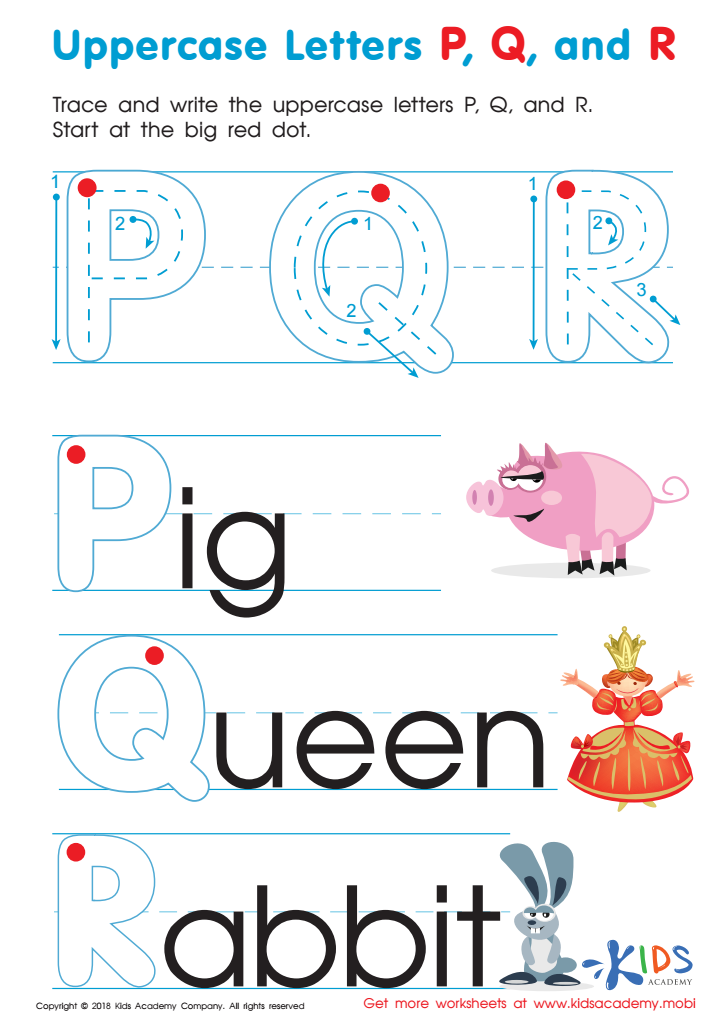
Uppercase Letters P, Q, and R Worksheet
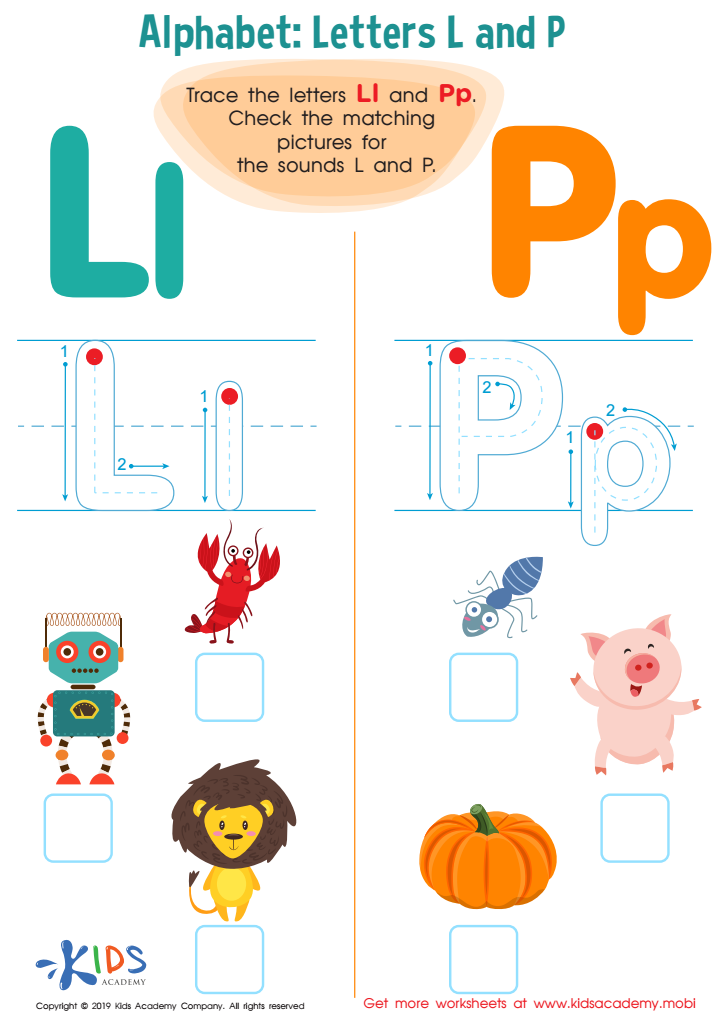
Letter L and P Tracing Worksheet








Letter tracing practice is an essential educational activity for children aged 6-9, as it significantly contributes to their literacy development and fine motor skills. For parents and teachers, understanding the importance of this practice can facilitate a more effective learning experience for young learners.
Firstly, tracing letters helps children develop proper letter formation. Mastering this foundational skill is crucial, as it enables them to write more legibly as they progress in their education. With a solid understanding of capitalization and lowercase letters, children will be able to express their thoughts and ideas clearly in writing.
Furthermore, tracing letters aids in developing fine motor skills, which are necessary for a range of daily activities beyond writing, such as tying shoelaces and using utensils. It engages hand-eye coordination, concentration, and dexterity, paving the way for greater independence.
Additionally, letter tracing can foster a child's confidence and willingness to engage with writing. As they see their progress, they are likely to become more enthusiastic about literacy activities.
Overall, implementing letter tracing practice is an effective strategy for enhancing both academic skills and personal development, making it a valuable focus for educational support at home and in the classroom.








