Letter-sound association Upper & Lowercase Letters Worksheets for Ages 6-9
3 filtered results
-
From - To
Boost your child's literacy skills with our comprehensive Letter-Sound Association Upper & Lowercase Letters Worksheets designed for ages 6-9! These engaging, printable worksheets help children connect letters with their corresponding sounds, fostering phonemic awareness and strengthening early reading abilities. Packed with fun activities, children will practice identifying uppercase and lowercase letters, tracing, and sound blending in an interactive way. Perfect for home or classroom use, these worksheets are a fantastic resource for educators and parents alike. Encourage your child’s love for learning as they master the alphabet and build a solid foundation for lifelong reading success!
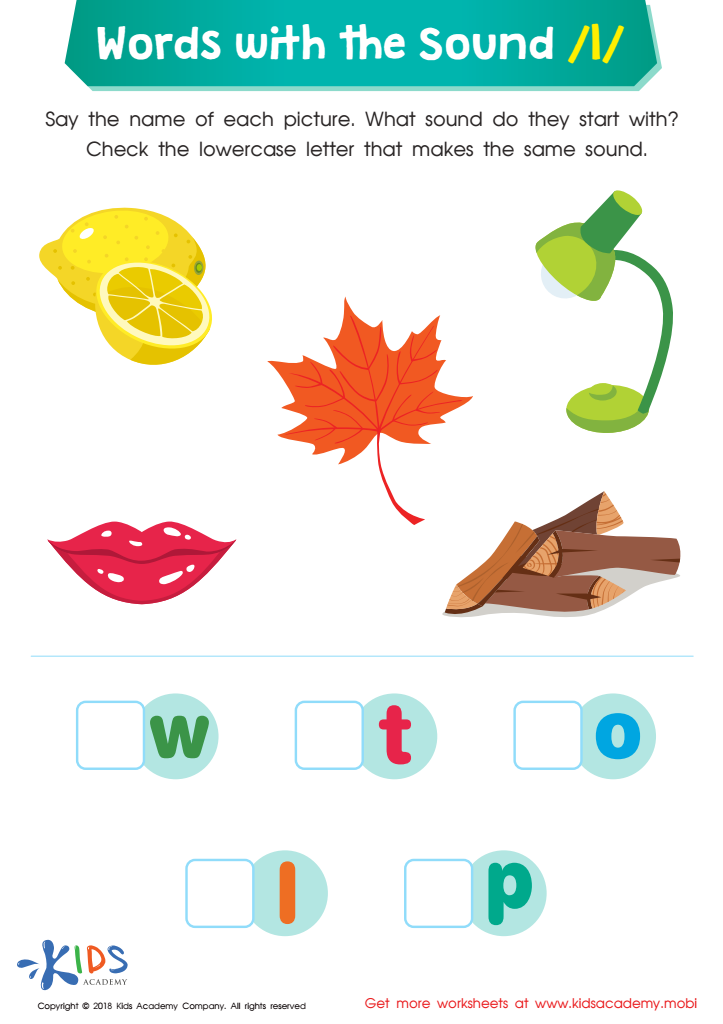
Words with Sound L Reading Worksheet
 Assign to My Students

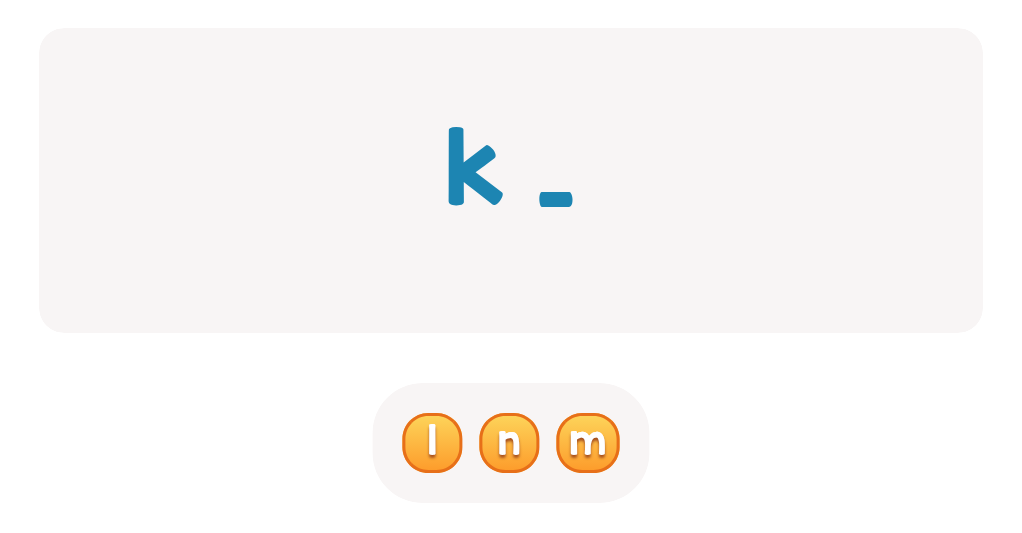
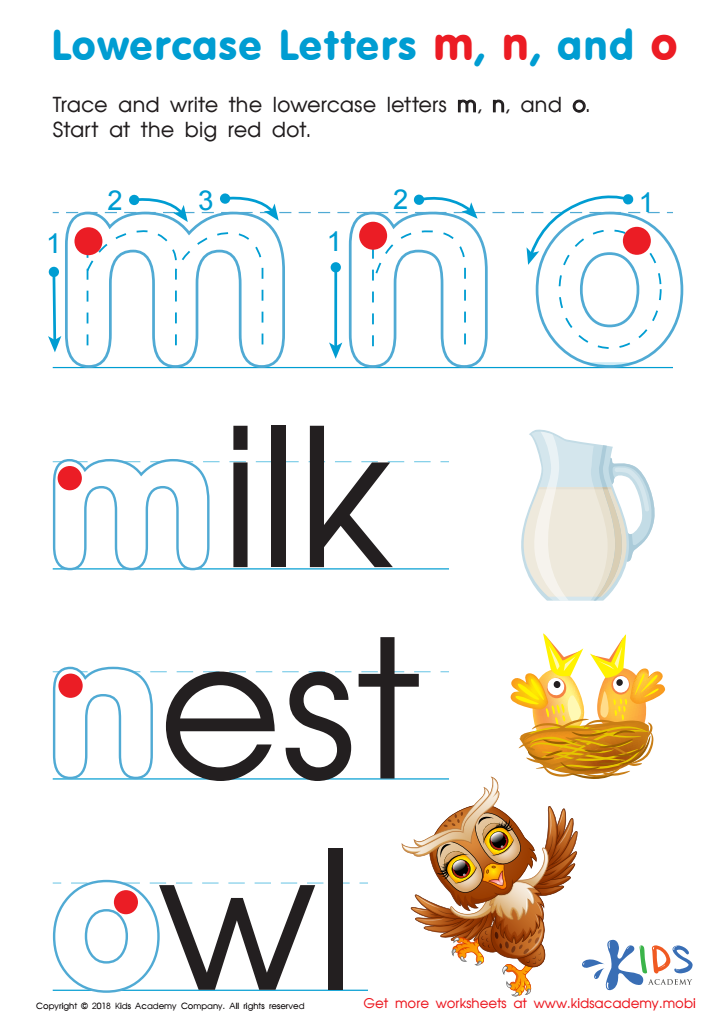
Lowercase Letters m n o Worksheet
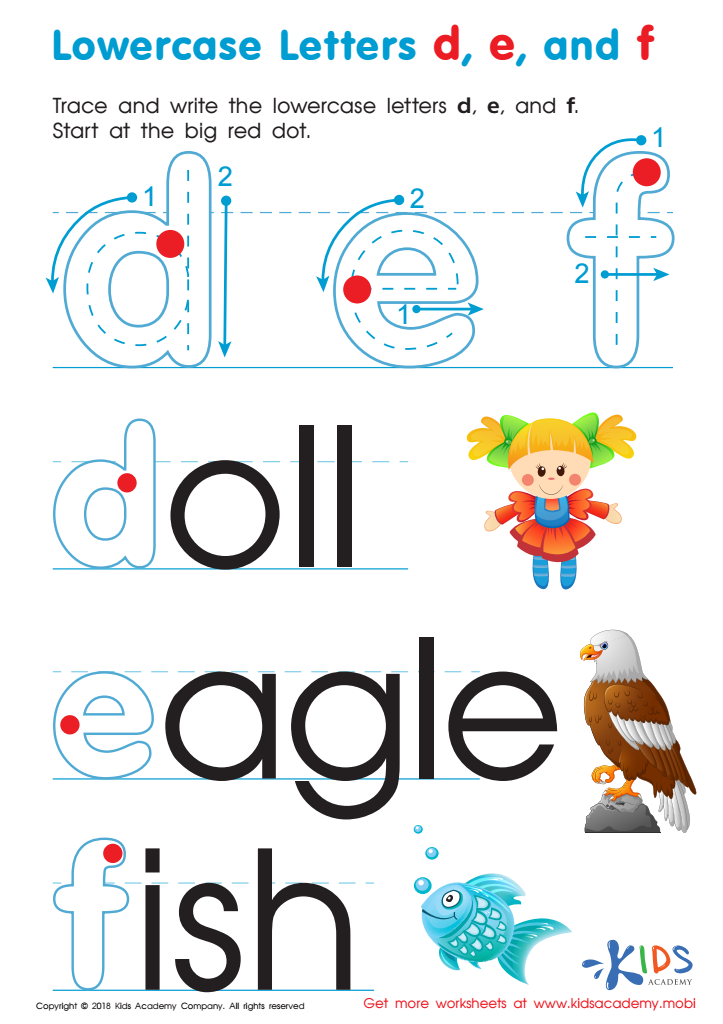
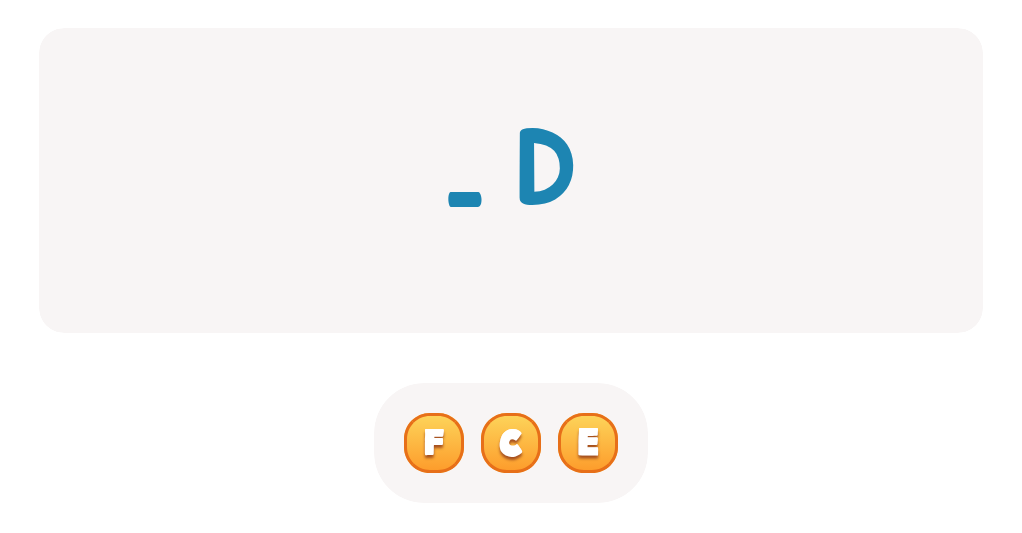
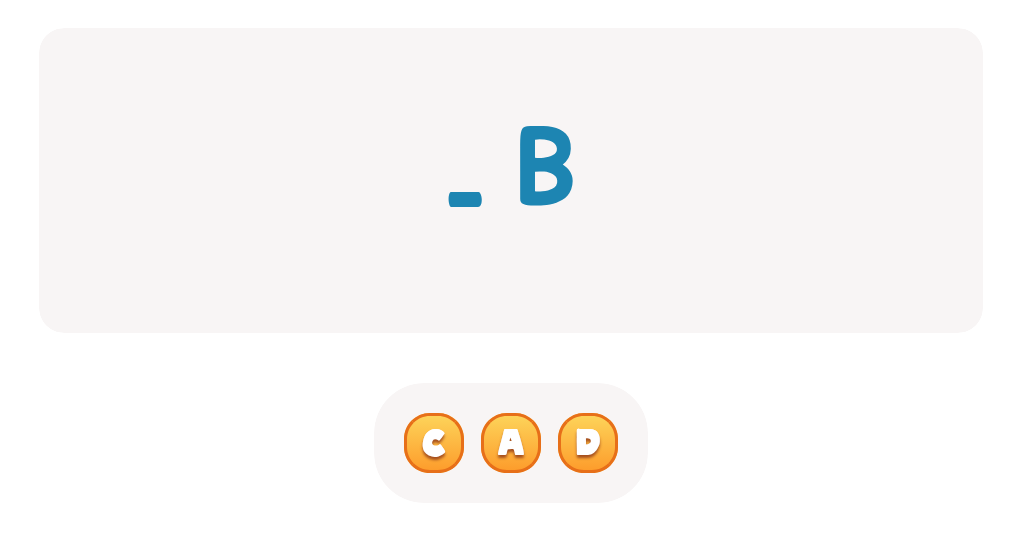
Lowercase Letters d e f Worksheet






Understanding letter-sound associations, including both uppercase and lowercase letters, is vital for children aged 6-9 as they progress in their literacy development. This age group is often transitioning from learning to read to reading to learn, making solid foundational skills essential. Mastery of letter-sound relationships enables children to decode words, which is crucial for reading fluency and comprehension.
When children grasp how letters correspond to specific sounds, they gain confidence in their ability to tackle unfamiliar words. Recognizing uppercase and lowercase forms reinforces this learning, as each letter can appear in various contexts, both in texts and digital environments. Plus, understanding the significance of capitalization helps children begin to grasp grammar rules, improving their overall language skills.
For teachers and parents, promoting letter-sound associations is a proactive way to support a child's education. Activities like phonics games, storytelling, and interactive reading can make learning engaging and effective. Early mastery of these skills can prevent future reading difficulties and foster a lifelong love for reading, ultimately helping children excel academically. Therefore, nurturing a strong foundation in letter-sound association is not just beneficial but essential for success in literacy and beyond.







