History knowledge 4th of July Worksheets for Ages 6-9
3 filtered results
-
From - To
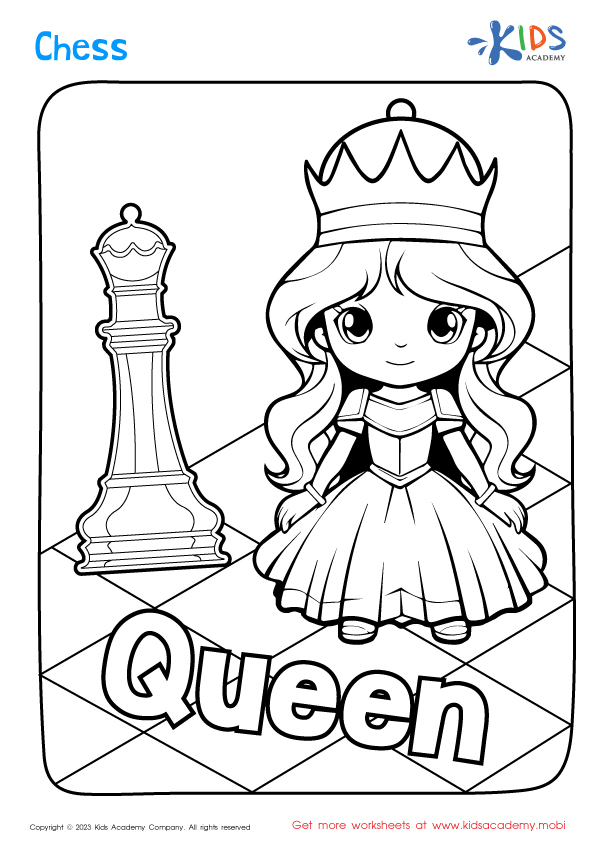
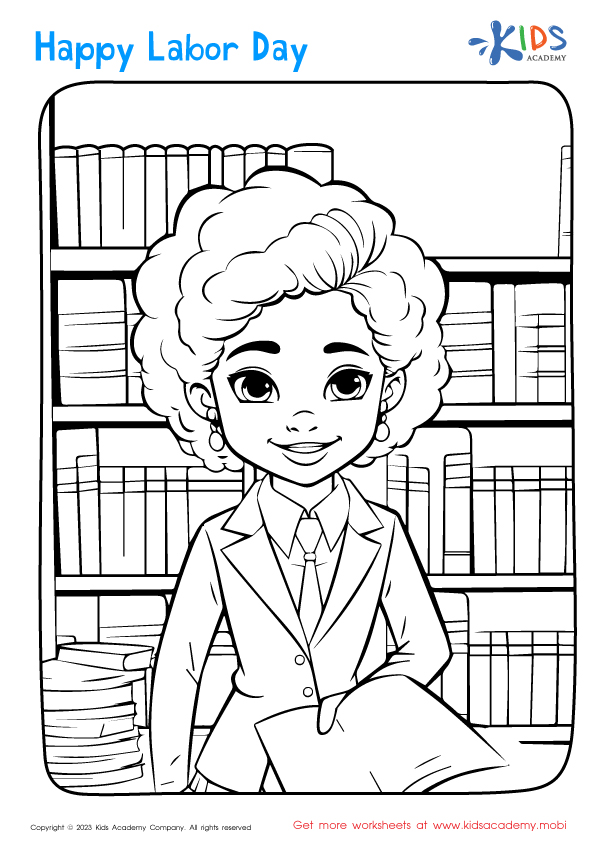
Engage young learners with our "History Knowledge 4th of July Worksheets" designed for ages 6-9! These fun and educational printables help children explore the significance of Independence Day while enhancing their historical understanding. Featuring coloring pages, comprehension exercises, and fun facts, these worksheets ignite curiosity about America's history and important events. Perfect for home or classroom use, they foster creativity, critical thinking, and a sense of national pride. Encourage your child's learning with this collection of interactive materials that make history enjoyable and accessible. Download now and celebrate Independence Day while learning about its rich heritage!



Understanding the significance of Independence Day, or the Fourth of July, is pivotal for children aged 6-9 as it shapes their sense of identity and citizenship. Teaching young learners about this important American holiday fosters a deeper understanding of the principles that underlie their country, such as freedom, democracy, and unity.
At this age, children are naturally curious and eager to learn about the world around them. Providing them with historical context about the Fourth of July helps cultivate this curiosity and opens up discussions about broader themes like justice, fairness, and community. By learning the story of the Declaration of Independence and the American Revolution, children begin to appreciate the sacrifices made for their freedoms.
Parents and teachers can enhance this learning experience through engaging activities like storytelling, crafts, and themed games, making history come alive. Understanding history also promotes critical thinking skills, as children learn to ask questions and understand different perspectives.
Moreover, celebrating this holiday with knowledge helps instill a sense of pride and belonging, encouraging children to appreciate the diverse tapestry of cultures that make up their country, promoting inclusivity from an early age. Thus, teaching children about the Fourth of July is essential for building informed, engaged citizens.