Alphabet Learning English for Beginners Worksheets for Ages 6-9
4 filtered results
-
From - To
Welcome to our "Alphabet Learning English for Beginners Worksheets for Ages 6-9" page! Designed specifically for young learners, these engaging worksheets help children grasp the English alphabet while enhancing their vocabulary and phonics skills. Our resources incorporate fun activities, including tracing letters, matching exercises, and colorful illustrations to capture the attention of early learners. Tailored for ages 6 to 9, these worksheets encourage creativity and reinforce letter recognition in an interactive way. Whether in a classroom or at home, our materials aim to foster a love for learning English from a young age. Start your child's linguistic journey today!
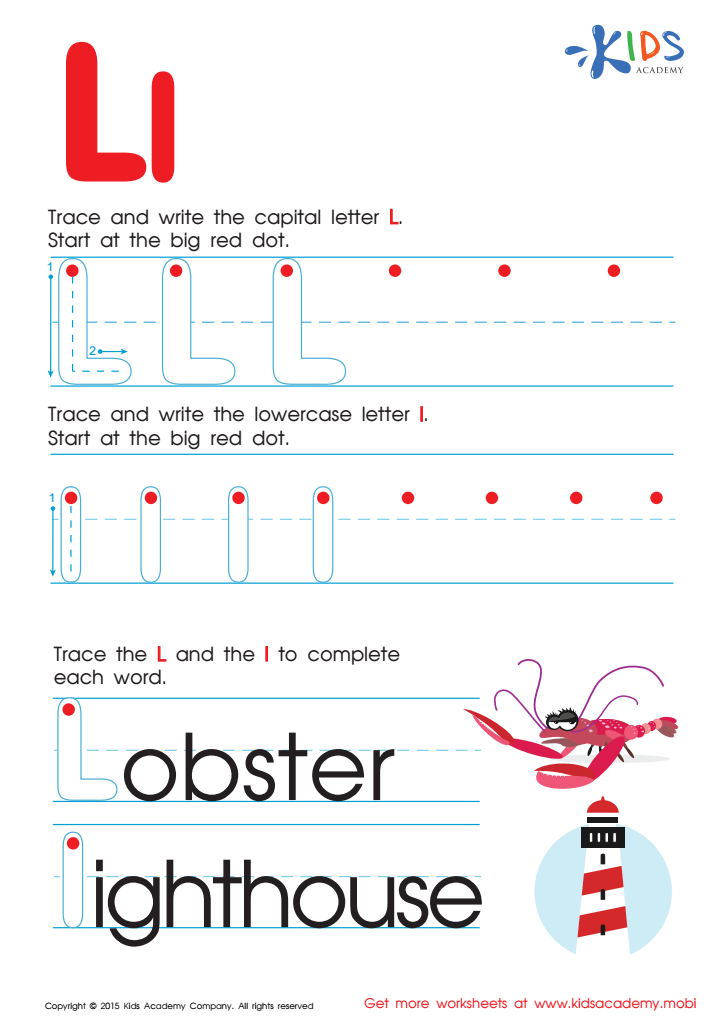
Letter L Tracing Page
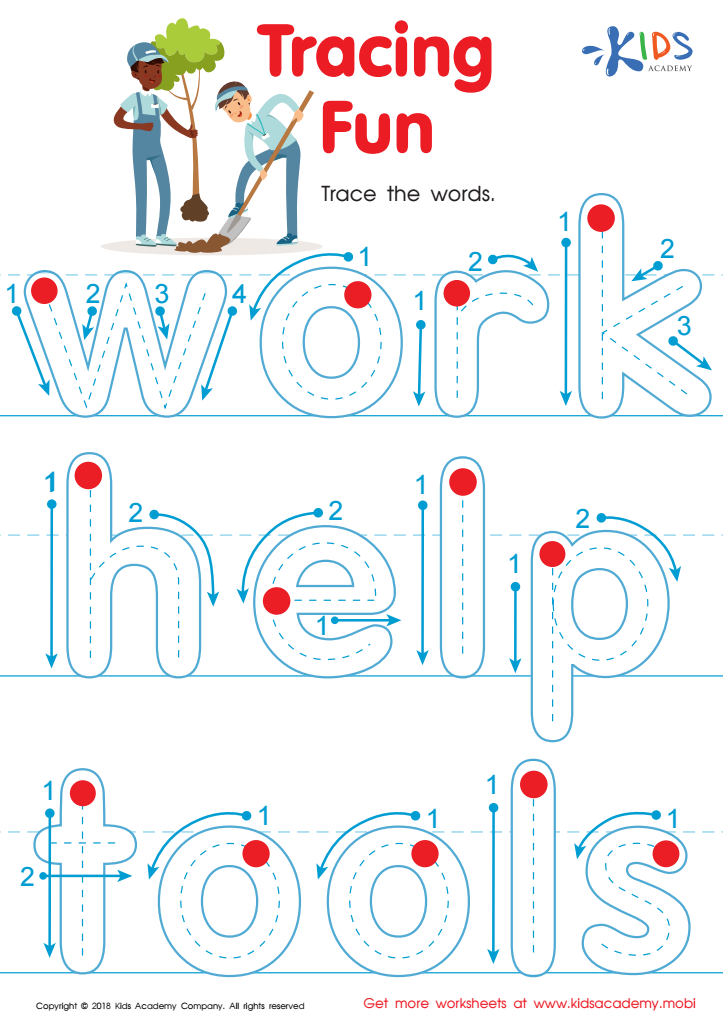
Tracing Fun Worksheet
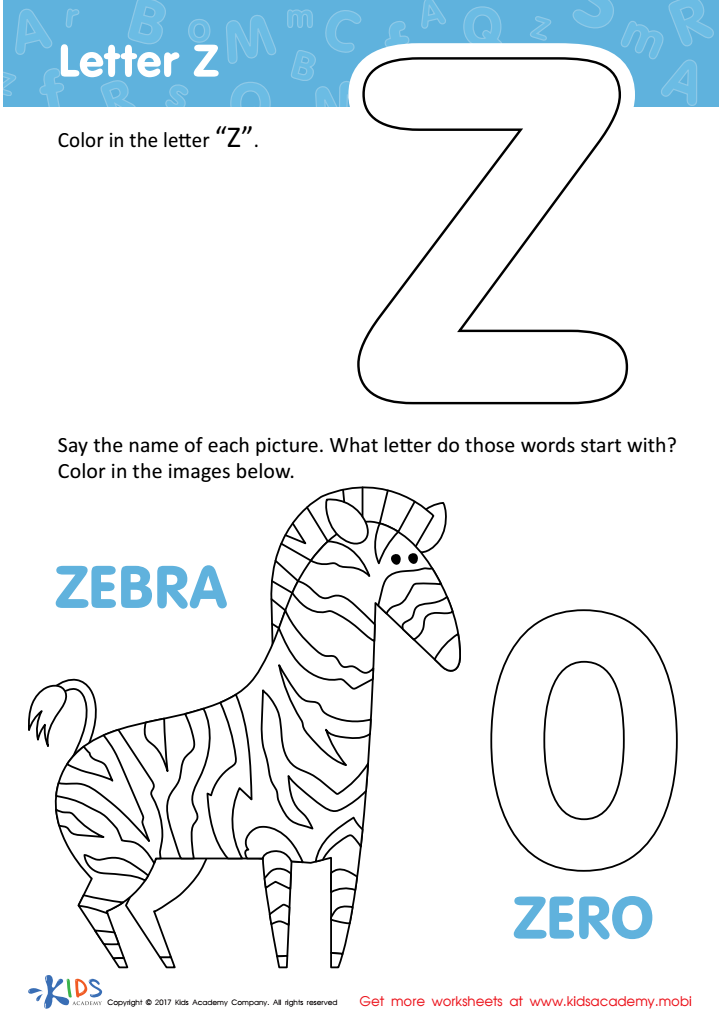
Letter Z Coloring Sheet
 Assign to My Students
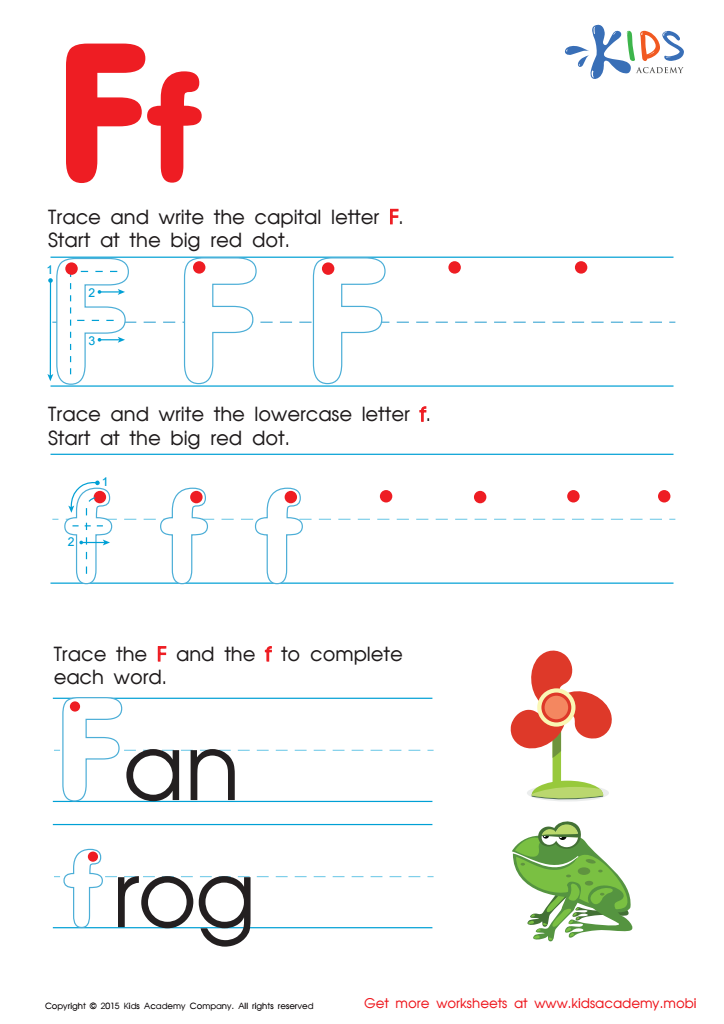
Letter F Tracing Page





Alphabet learning is a foundational skill for young learners, especially for children aged 6-9 who are beginning their journey in English. Parents and teachers should prioritize this stage for several reasons. First, mastering the alphabet helps improve literacy skills, which are essential for reading and writing. As children learn the letters and their corresponding sounds, they build the framework necessary for decoding words, leading to greater confidence in their language abilities.
Moreover, early alphabet recognition enhances communication skills. Being able to identify and pronounce letters correctly allows children to articulate their thoughts and ideas, facilitating better interactions with peers and adults. This age is also critical for cognitive development; engaging with the alphabet promotes memory and problem-solving skills.
In addition, fostering a love for learning at this age sets the stage for lifelong educational habits. Interactive and enjoyable alphabet activities can stimulate children's curiosity and motivation. Lastly, familiarizing young learners with the English alphabet provides a vital understanding of culture, media, and technology as they grow.
By supporting alphabet learning, parents and teachers can create a positive and enriching educational environment that empowers children with the necessary skills for future academic success.