Animal recognition Worksheets for Ages 6-9 - Page 2
26 filtered results
-
From - To
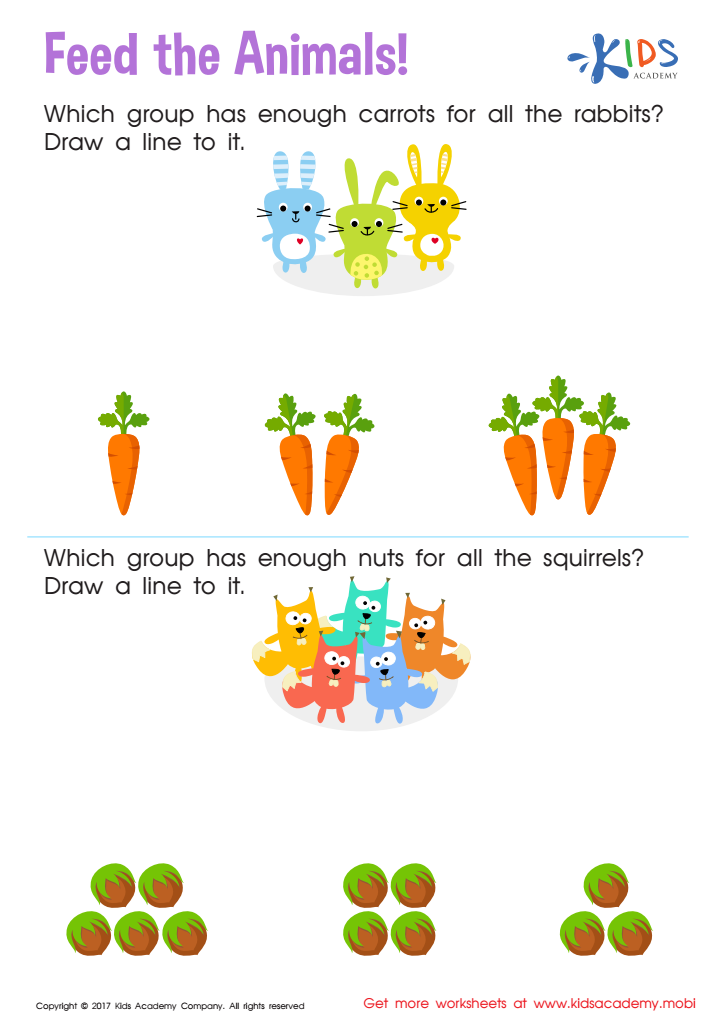
Count and Match: Feed the Animals Worksheet
 Assign to My Students
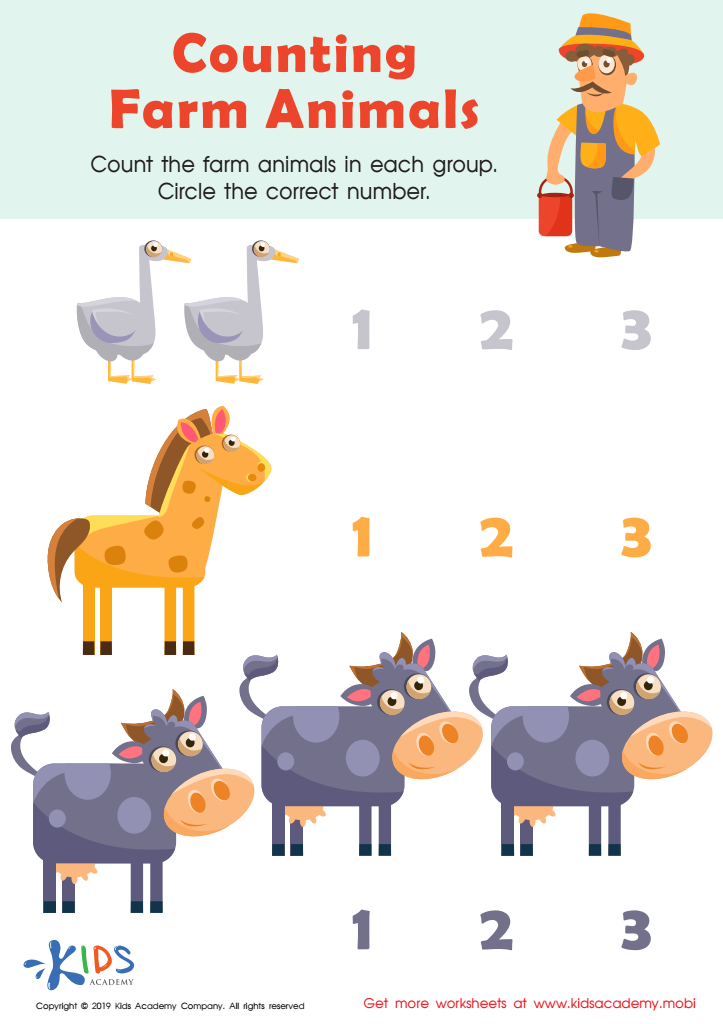
Counting Farm Animals Worksheet





.jpg)


Animal recognition, the ability to identify and understand different animal species, is crucial for children aged 6-9 for several reasons. First, this age group is naturally curious about the world around them, and learning about animals ignites that curiosity. It fosters a sense of wonder about nature, promoting observational skills and attentiveness. Understanding animals can enhance a child’s appreciation for biodiversity and environmental stewardship, nurturing responsible future citizens who value conservation.
Additionally, recognizing animals creates opportunities for cross-curricular learning. Integrating discussions about animals into subjects like science, art, and literacy enriches the educational experience, making learning more engaging and relatable. For instance, children can relate stories or drawings to the animals they learn about, improving literacy and fine motor skills.
Moreover, recognizing animals can help children develop empathy and social skills. Learning about different species encourages respect for all living creatures, promoting compassion and ethical behavior. This emotional connection lays the groundwork for social awareness and responsibility.
By focusing on animal recognition, parents and teachers are nurturing children’s cognitive, emotional, and social development, fostering well-rounded individuals who are informed and empathetic members of society. Thus, it is essential for adults to prioritize and promote animal recognition in early education.








