Basic counting skills Worksheets for Ages 6-9 - Page 2
26 filtered results
-
From - To
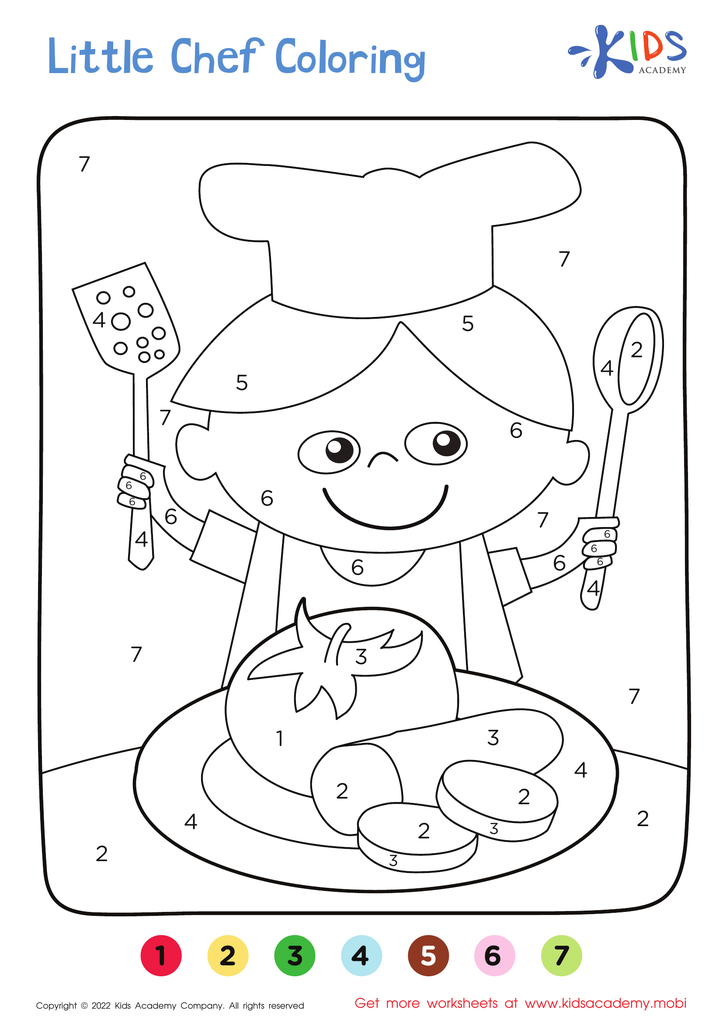
Little Chef – Coloring by Numbers
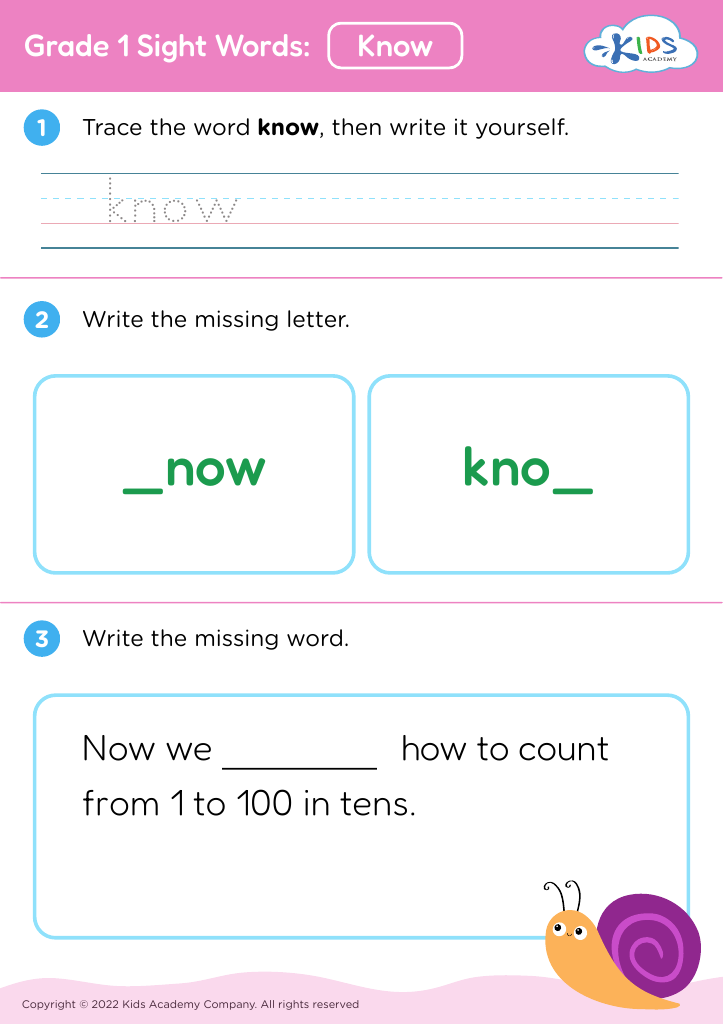








Basic counting skills are foundational for children ages 6-9 as they form the bedrock upon which more complex mathematical concepts and critical thinking abilities are built. At this pivotal developmental stage, mastering counting helps children understand numbers, their sequences, and relationships. This foundational knowledge is essential for tackling addition, subtraction, multiplication, and division later on, which are critical skills not only in math classes but also in everyday life.
Parents and teachers should prioritize basic counting to nurture a child's confidence in math, promoting a positive attitude towards the subject. When children feel proficient in the basics, they are more likely to approach advanced concepts with enthusiasm rather than fear. Moreover, counting skills reinforce cognitive development, including memory, attention to detail, and problem-solving abilities.
Additionally, early competence in counting fosters financial literacy from an early age. By practicing counting, children learn the value of money, how to make transactions, and budget their allowances or pocket money. This early exposure promotes responsible money management in the future.
Lastly, counting is often integrated with other learning activities such as songs, games, and daily routines, making it an interesting and engaging way for children to explore and interact with the world around them. Ensuring children develop strong counting skills thus lays a solid educational, cognitive, and practical foundation.








