Cultural awareness Worksheets for Ages 6-9 - Page 2
29 filtered results
-
From - To
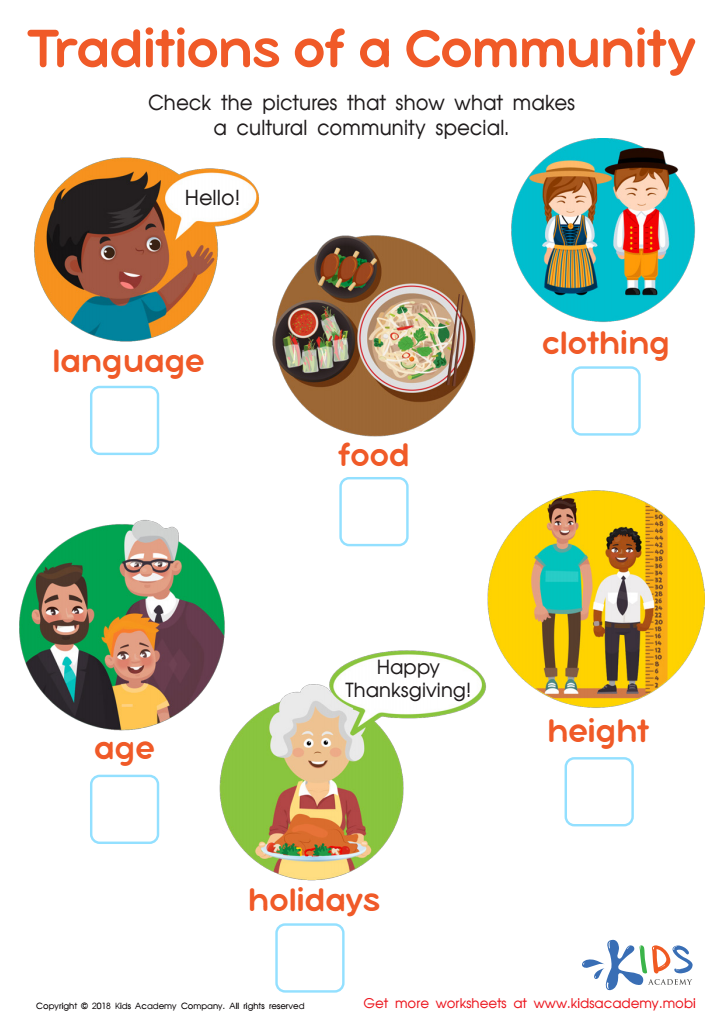
Traditions of a Community Worksheet
 Assign to My Students
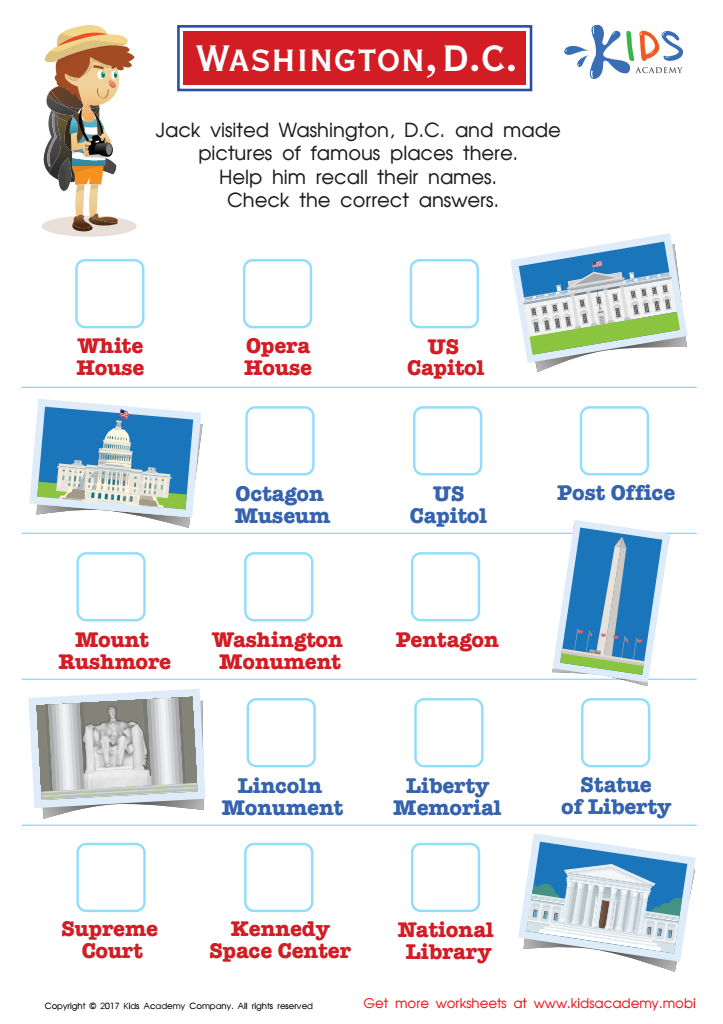
Washington D.C. Printable Worksheet
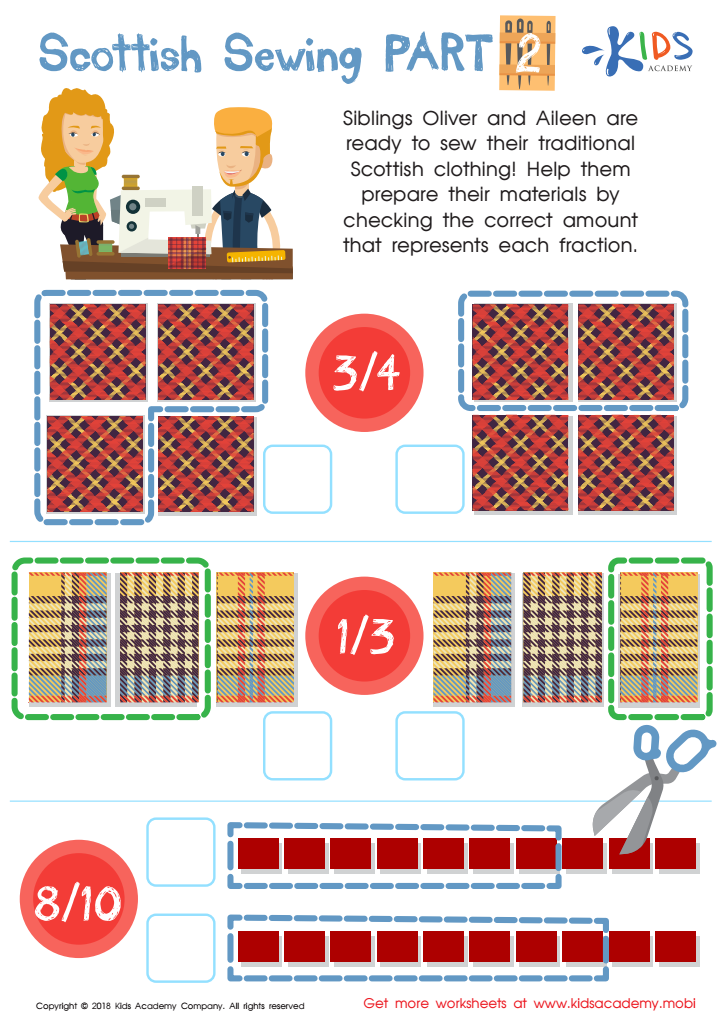
Scottish Sewing Part 2 Worksheet
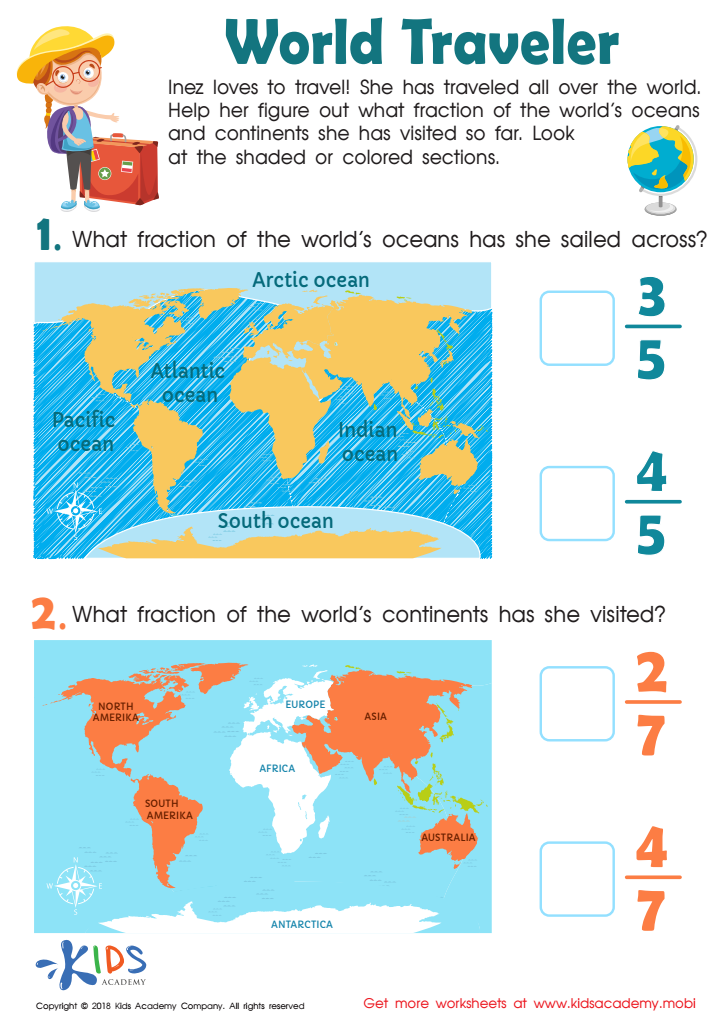
World Traveler Worksheet
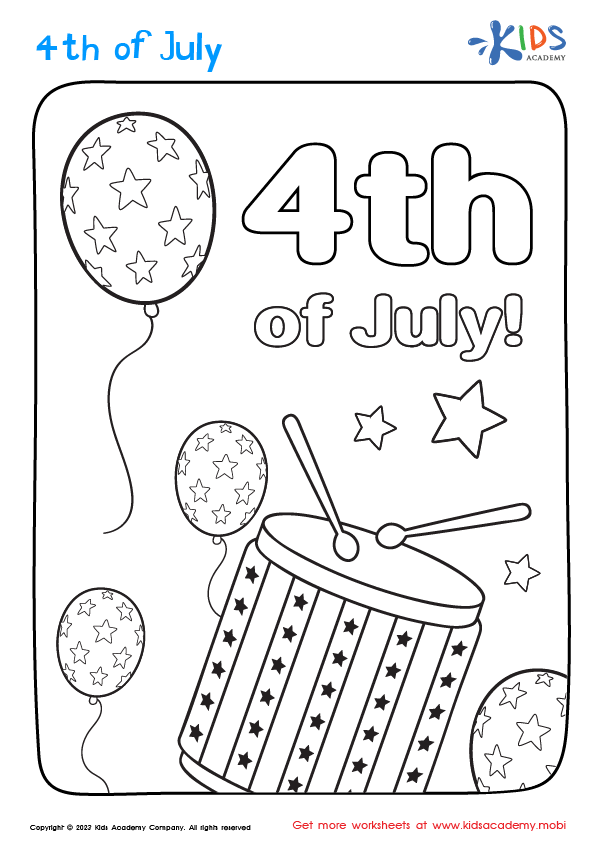








Cultural awareness for children ages 6-9 is vital as this stage forms many of their attitudes and values. Introducing cultural diversity early helps foster empathy, tolerance, and respect for others. When parents and teachers emphasize cultural awareness, children begin to understand that everyone's background and experiences are unique and valuable. This broadens their perspectives and aids in combatting stereotypes and prejudices, crucial steps towards creating inclusive environments.
Incorporating cultural awareness into education and home life enriches a child's social skills. By learning about different traditions, languages, and practices, children become more adaptable and better at communicating and collaborating with people from diverse backgrounds. This is especially important in an increasingly globalized world where encounters with new cultures are more frequent and varied.
Moreover, cultural awareness encourages children to reflect on their own heritage with pride while recognizing differences as normal and enriching rather than strange or threatening. It supports their social-emotional development, promoting kindness and cooperation. For parents and teachers, prioritizing cultural awareness means raising informed, compassionate citizens equipped to engage constructively in a multicultural society. Overall, cultural awareness nurtures well-rounded growth, building a foundation for lifelong learning, curiosity, and friendship across cultural lines.








