
Develop logical thinking Worksheets for Ages 6-9
9 filtered results
Difficulty Level
Grade
Age
-
From - To
Subject
Activity
Standards
Discover our engaging and educational logical thinking worksheets designed specifically for children aged 6 to 9. These resources aim to enhance critical thinking skills through fun and interactive activities. Each worksheet is crafted to challenge young minds, encouraging problem-solving, pattern recognition, and reasoning abilities. Perfect for home or classroom use, our worksheets promote cognitive development while making learning enjoyable. Whether your child is puzzling out sequences, solving riddles, or engaging in logical games, these activities provide valuable learning opportunities. Foster your child's logical thinking skills today with our expertly designed printable worksheets, paving the way for academic success!
Favorites
With answer key
Interactive
Join Kids Academy for Free
Who is primarily going to use this learning content?




.jpg)


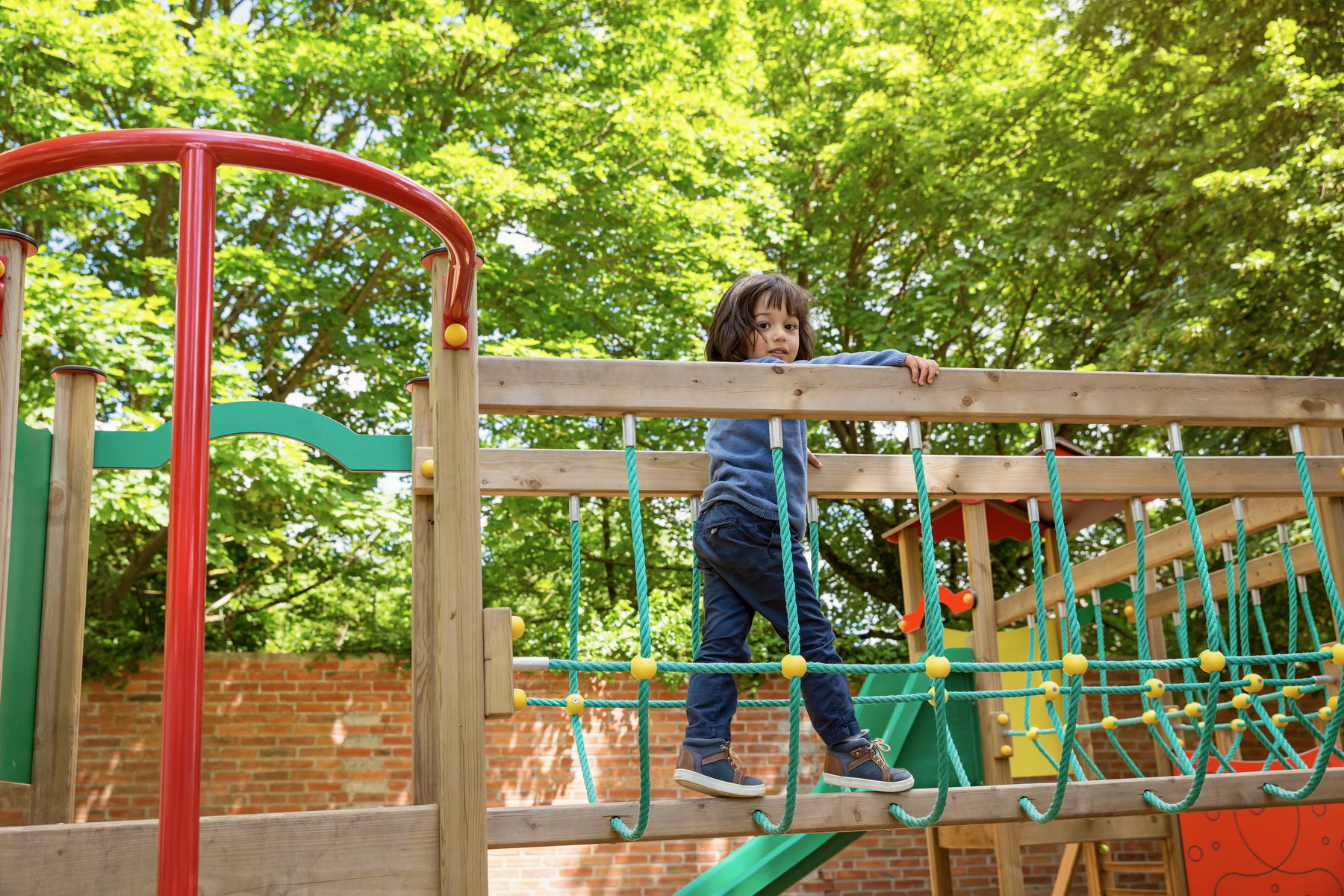
Developing logical thinking in children aged 6-9 is crucial for their cognitive growth and everyday problem-solving skills. At this age, children are naturally curious and begin to grasp abstract concepts, making it an ideal time to guide them in thinking critically and logically. When parents and teachers prioritize logical thinking, they equip children with the tools to analyze situations, make sound decisions, and understand cause-and-effect relationships.
Logical thinking also lays the foundation for academic success across subjects, such as math and science, where reasoning is essential. When children learn to apply logic, they can tackle challenging concepts with confidence and creativity. Moreover, fostering logical thinking encourages children to approach problems systematically, enhancing their ability to work through various tasks both independently and collaboratively.
Socially and emotionally, children who develop logical thinking are better equipped to navigate complex interpersonal situations. They learn to recognize patterns in behavior and evaluate outcomes, which promotes empathy and understanding.
In essence, supporting the development of logical thinking during these formative years cultivates not just academic proficiency but also essential life skills, supporting children in becoming active, conscientious, and thoughtful members of society.








