Develop sequencing skills Worksheets for Ages 6-9
3 filtered results
-
From - To
Unlock your child's potential with our engaging sequencing skills worksheets designed for ages 6-9! These printable resources help children enhance their ability to understand and order events logically. Through fun activities, such as story sequencing, picture ordering, and scenario arrangement, kids will develop critical thinking and problem-solving skills. Our worksheets encourage creativity while reinforcing the importance of organization and patterns in learning. Perfect for home or classroom use, these activities cater to various learning styles and ensure that children grasp essential sequencing skills effectively. Start enriching your child's educational journey today with our appealing sequencing worksheets!
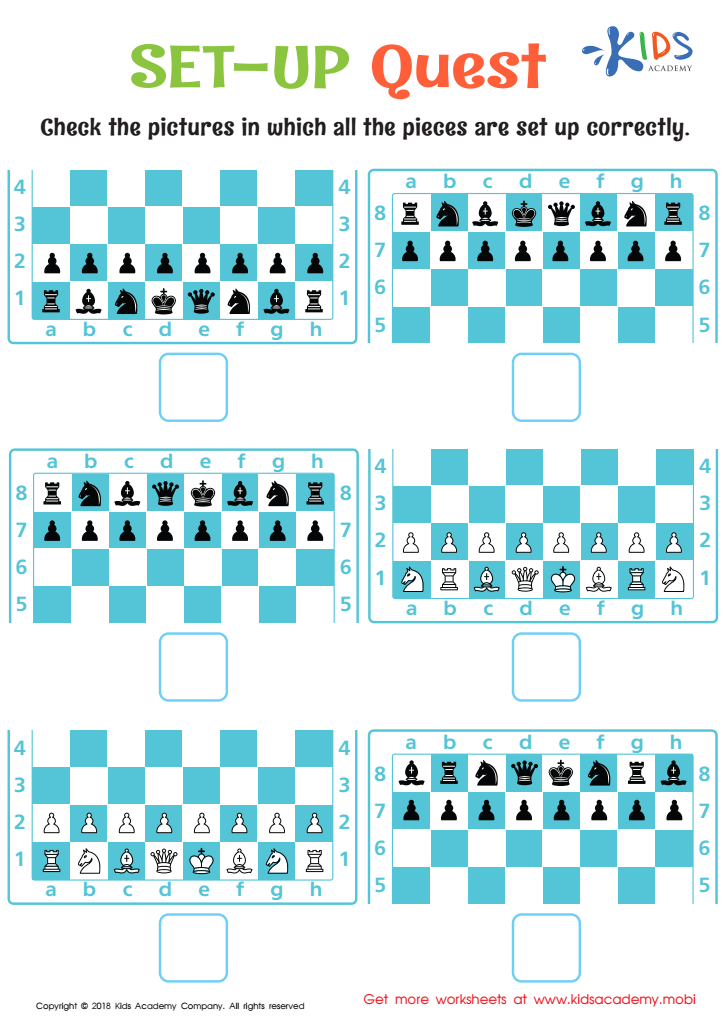
Set-up Quest Worksheet
 Assign to My Students
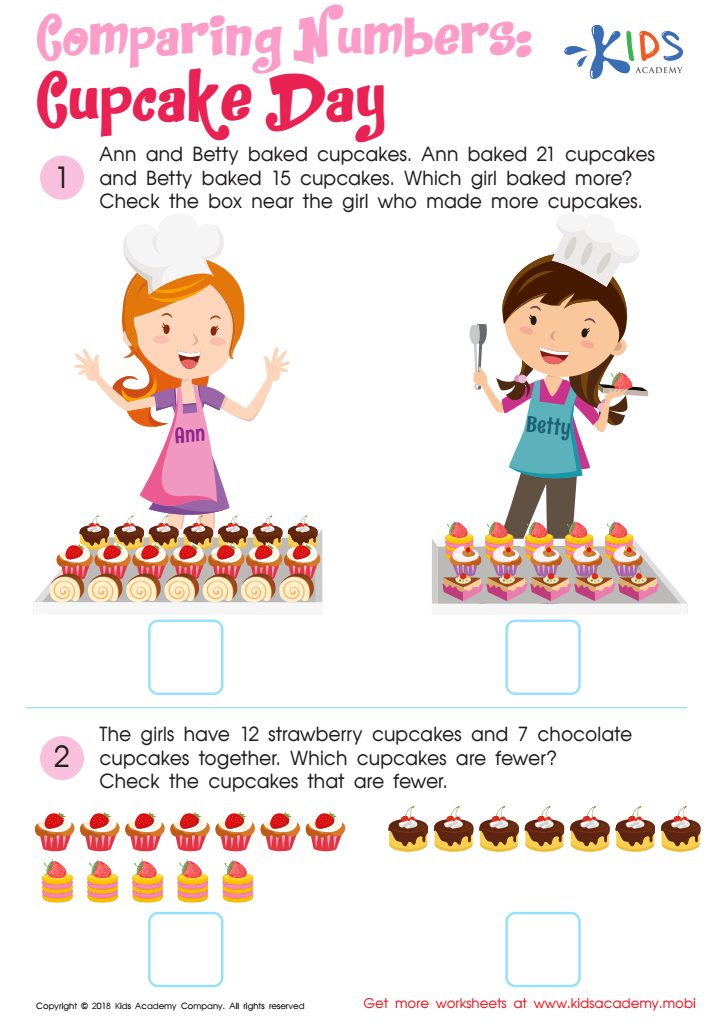
Cupcake Day Worksheet
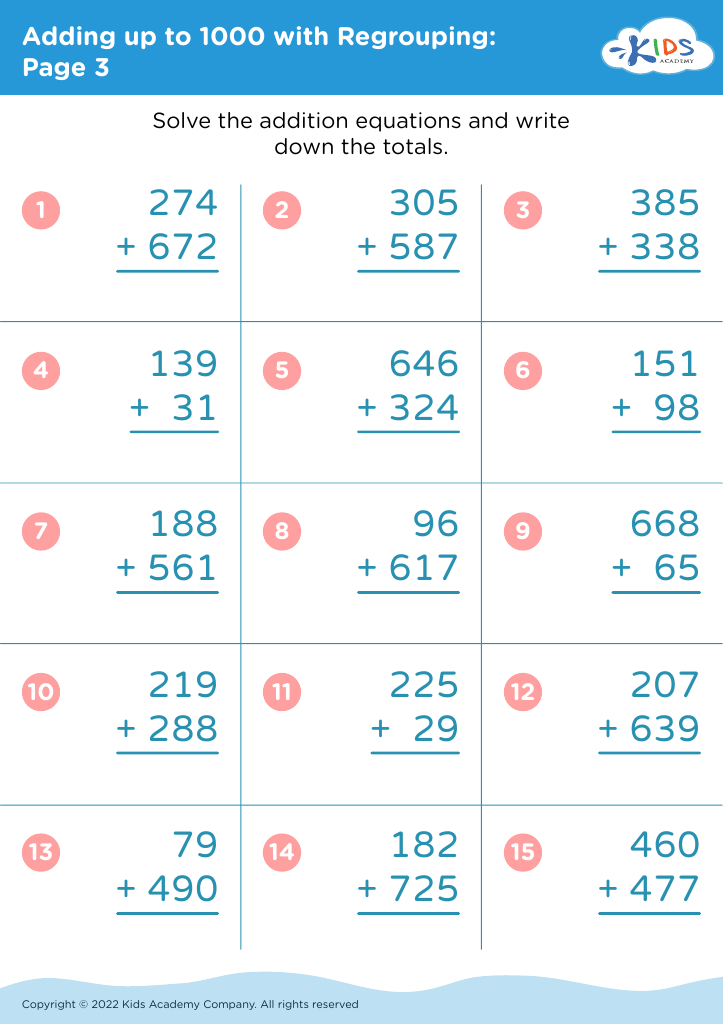








Developing sequencing skills in children ages 6-9 is crucial for several reasons. First, these skills form the foundation for reading comprehension and narrative skills. As children learn to understand the order of events in stories, they enhance their ability to predict outcomes and engage with text more deeply. This skill is vital for academic success, as many subjects require an understanding of sequence, such as math operations and scientific processes.
Moreover, sequencing fosters critical thinking and problem-solving abilities. When children learn to arrange events or steps logically, they develop the capacity to break down complex information, a skill beneficial in everyday situations and future learning. Additionally, sequencing abilities are fundamental to developing time management skills and planning, which are essential for both academic tasks and daily routines.
Parents and teachers play a key role in promoting sequencing through activities like storytelling, recrafting events, or creating timelines. Such engagements not only make learning interactive and enjoyable but also reinforce the concept that mastering sequencing is a valuable skill. As children gain confidence in these abilities, they enhance their overall cognitive skills and readiness for future educational challenges. Prioritizing sequencing skills lays the groundwork for lifelong learning and critical thinking.








