Developing logic skills Worksheets for Ages 6-9
4 filtered results
-
From - To
Enhance your child's thinking prowess with our "Developing Logic Skills Worksheets for Ages 6-9"! These carefully crafted worksheets are designed to bolster critical thinking abilities through engaging puzzles, patterns, and problem-solving activities. Tailored for young learners, each printable resource encourages logical reasoning in a fun, interactive way. As kids solve intriguing challenges, they develop essential skills that lay the groundwork for future academic success. Our worksheets are perfect for home learning and classroom use, making logic learning enjoyable and beneficial. Dive into a world of logical exploration and empower your child’s cognitive growth today! Visitt Kids Academy for stimulating resources!
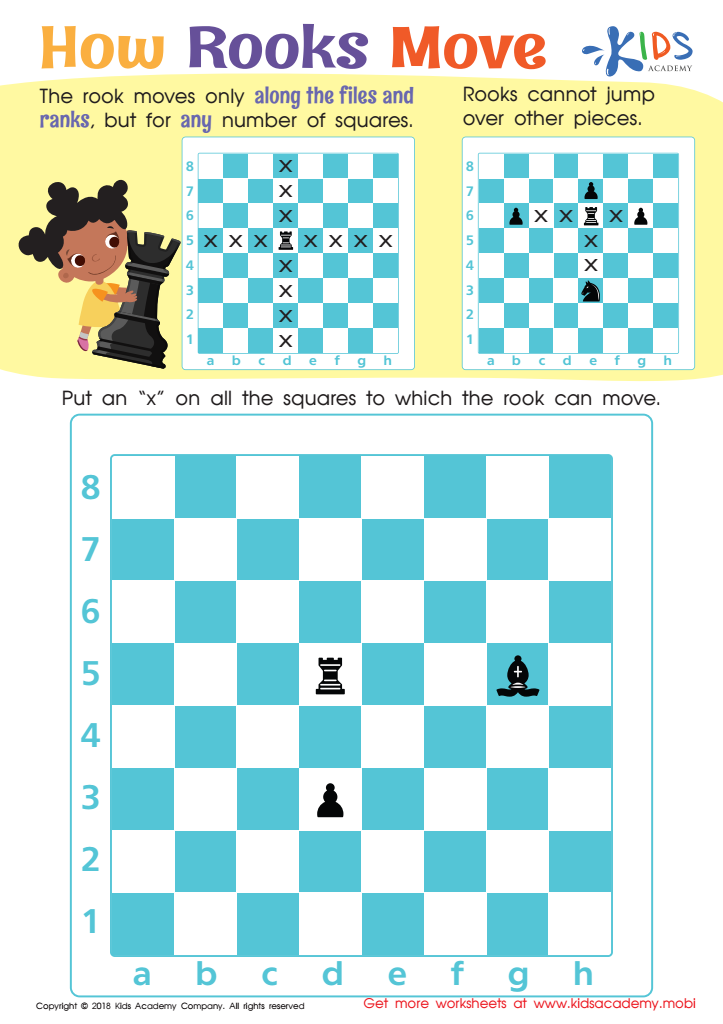
How Rooks Move Worksheet
 Assign to My Students
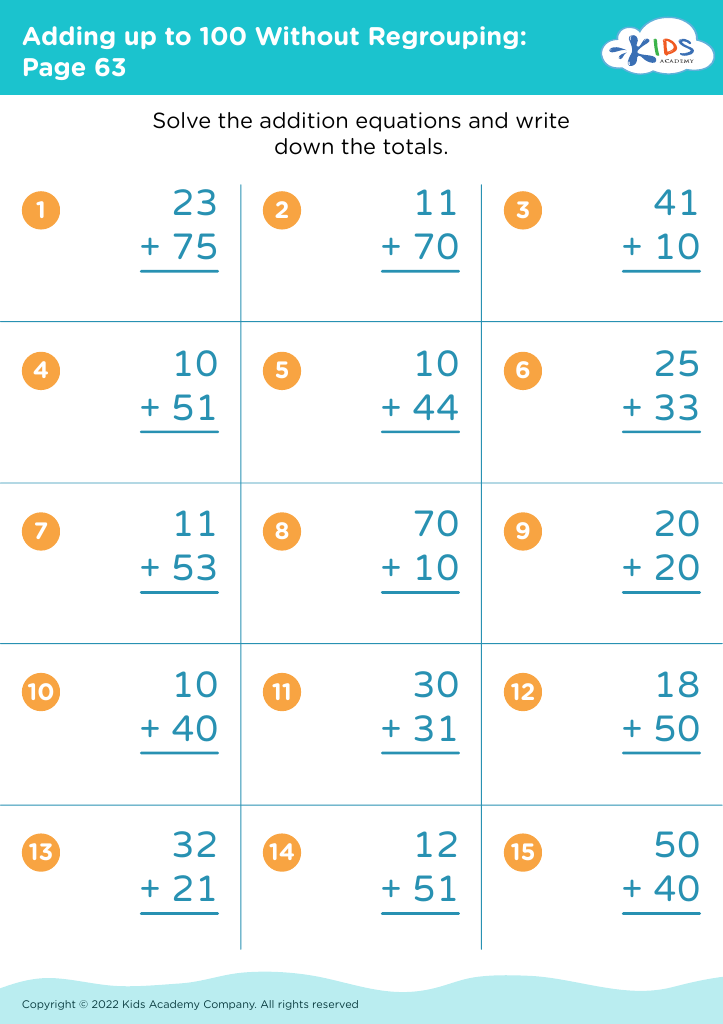
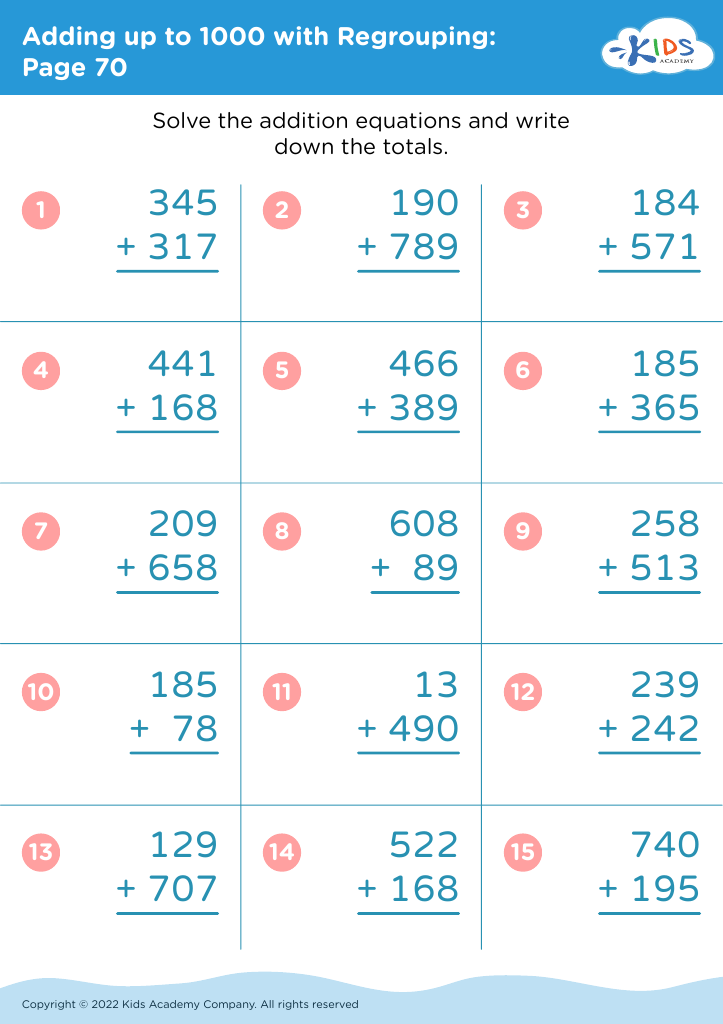
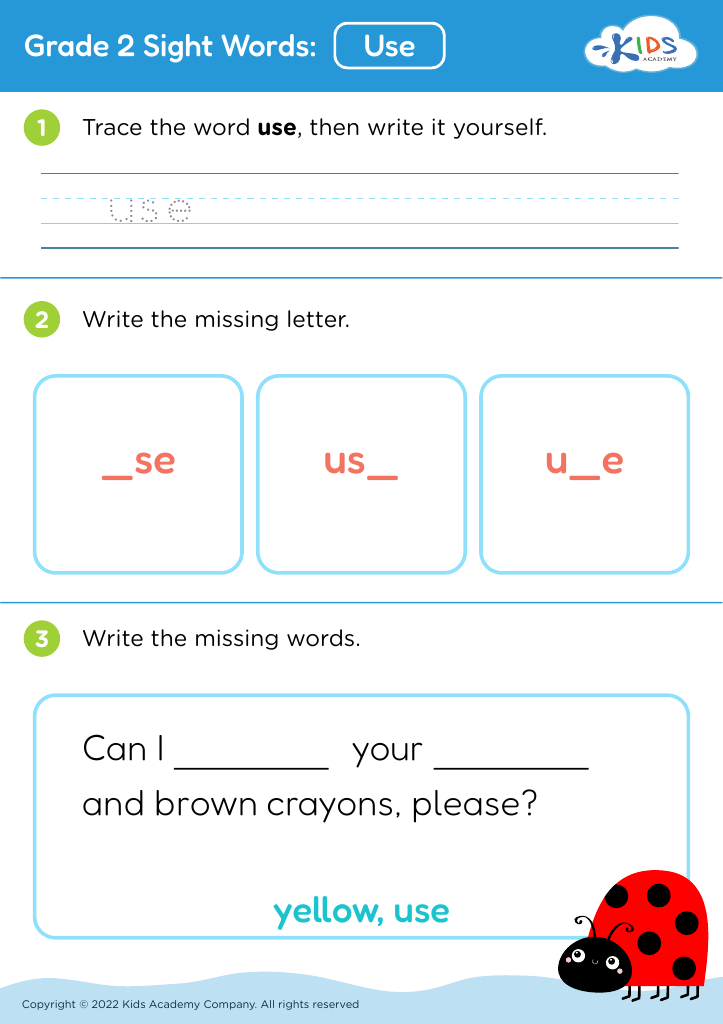








Developing logic skills for children ages 6-9 is crucial for several reasons. First, this developmental stage lays the foundation for critical thinking and problem-solving abilities. Children who engage in logical reasoning learn to analyze situations, weigh evidence, and derive conclusions, fostering independence in their thinking processes.
Second, enhanced logic skills support academic achievement across subjects. In mathematics, for example, children can better understand patterns and relationships by applying logical reasoning, leading to improved problem-solving capabilities. In reading, they can better comprehend stories by recognizing sequences and making predictions.
Moreover, developing logic skills cultivates emotional intelligence, as children learn to navigate social interactions and understand varied perspectives. This is vital for teamwork and conflict resolution.
Lastly, strong logic skills encourage a sense of curiosity and creativity, as children learn to ask questions and seek solutions. Parents and teachers who focus on nurturing these skills not only help children in their current educational endeavors but also equip them for more complex challenges in the future. Investing in logic skills is a way to empower children to approach obstacles with confidence and resilience, setting a lifelong foundation for successful learning and personal growth.








