Enhance problem-solving Worksheets for Ages 6-9
5 filtered results
-
From - To
Unlock your child's potential with our "Enhance Problem-Solving Worksheets for Ages 6-9." These meticulously designed worksheets focus on developing essential critical thinking and problem-solving skills in young learners. From engaging puzzles to interactive activities, our resources make learning both fun and effective. Tailored for kids aged 6-9, these worksheets aim to boost confidence, foster creativity, and improve analytical abilities. Perfect for classroom use or at-home practice, they help children tackle challenges with ease and precision. Give your child the tools they need to excel academically and face real-world problems confidently!



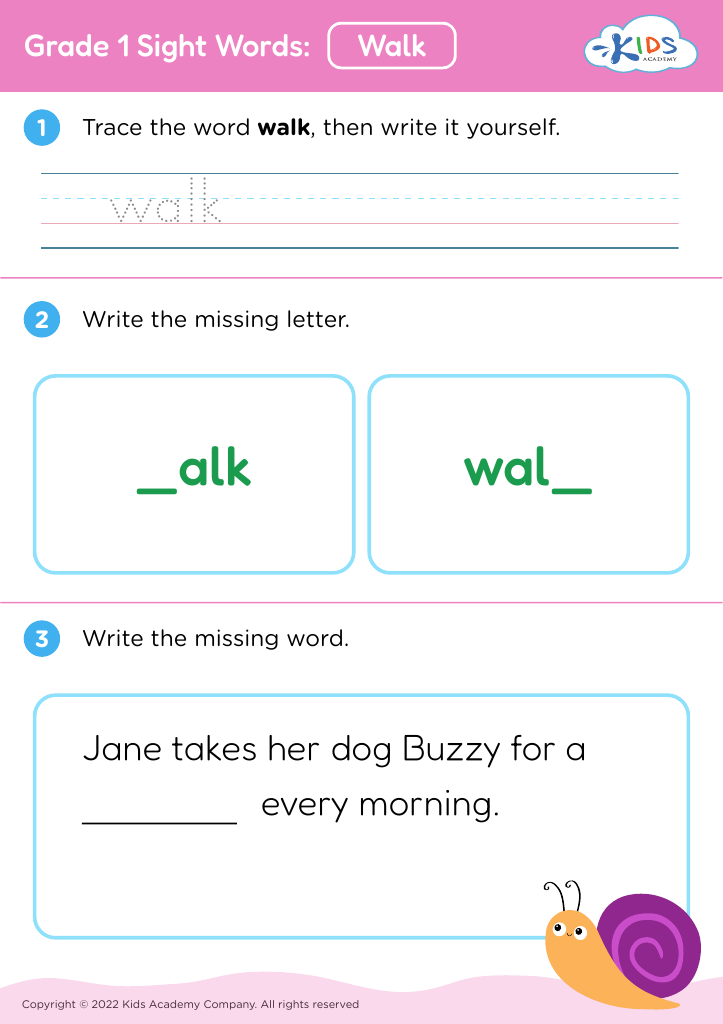
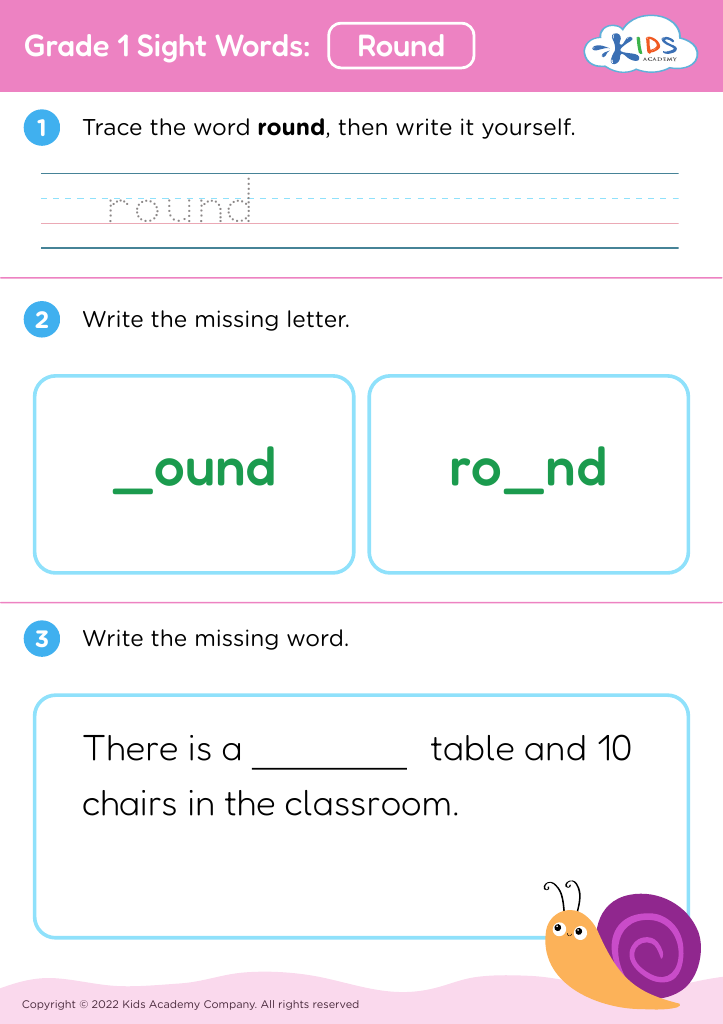








Enhancing problem-solving skills for children aged 6-9 is crucial as these abilities serve as foundational building blocks for lifelong success. At this developmental stage, children are naturally curious and absorb information rapidly. Encouraging problem-solving nurtures their cognitive development, helping them become critical thinkers and confident decision-makers.
Problem-solving fosters creativity, allowing children to think outside the box and come up with innovative solutions to challenges. It strengthens their ability to analyze situations, recognize patterns, and implement logical steps to address problems. Beyond academics, these skills impact emotional resilience. Children learn persistence, coping strategies, and adaptability, crucial for facing real-world difficulties.
In the classroom, problem-solving activities boost engagement and collaboration. Group tasks teach teamwork and respect for diverse perspectives. For parents, fostering a problem-solving mindset at home builds stronger parent-child relationships through cooperative and open-ended activities.
Developing these skills early sets a child on a path to academic excellence, as strong problem-solvers are better at math, science, and reading comprehension. Moreover, fostering independence and self-confidence from solving problems critical for professionals, no matter their future careers. Investing in problem-solving skills is, therefore, essential for their holistic growth and long-term success.








