
Enhance Vocabulary Worksheets for Ages 6-9
5 filtered results
Difficulty Level
Grade
Age
-
From - To
Subject
Activity
Standards
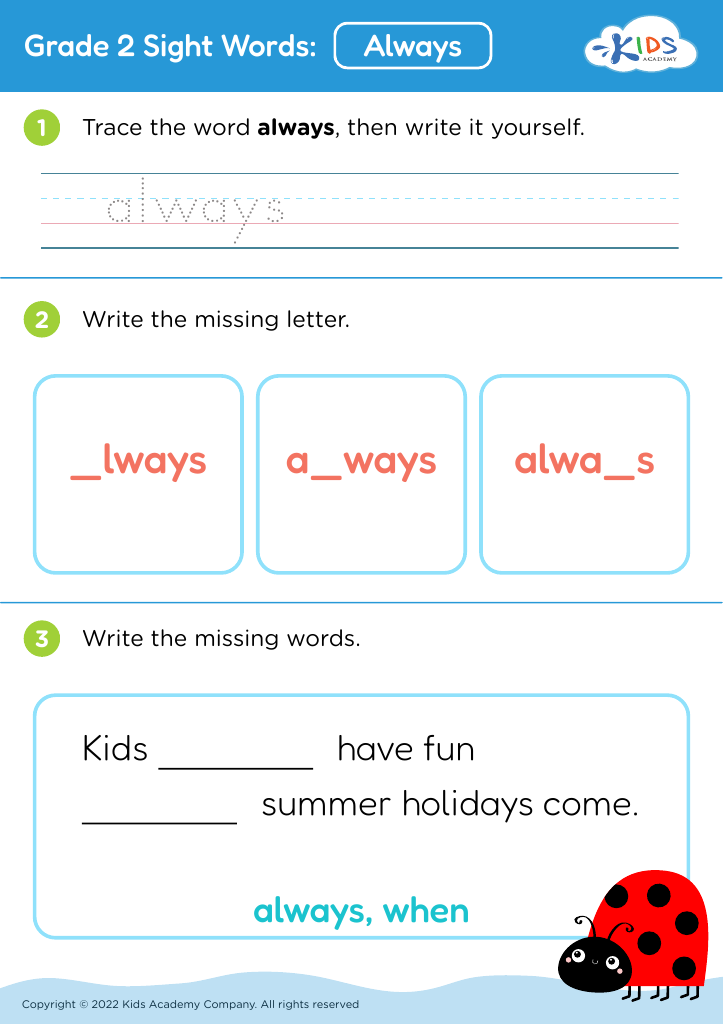
Boost your child's vocabulary with our engaging "Enhance Vocabulary Worksheets" designed specifically for ages 6-9. These interactive worksheets focus on expanding language skills through fun activities, including synonyms, antonyms, and word associations. Each worksheet encourages creativity while reinforcing essential vocabulary that supports reading and writing development. Tailored to keep young learners motivated, our resources align with educational standards, making learning enjoyable and effective. Perfect for classroom settings or at-home practice, these worksheets are an invaluable tool for parents and educators to foster a love for words. Discover the joy of learning and watch your child's vocabulary flourish!
Favorites
With answer key
Interactive
Join Kids Academy for Free
Who is primarily going to use this learning content?







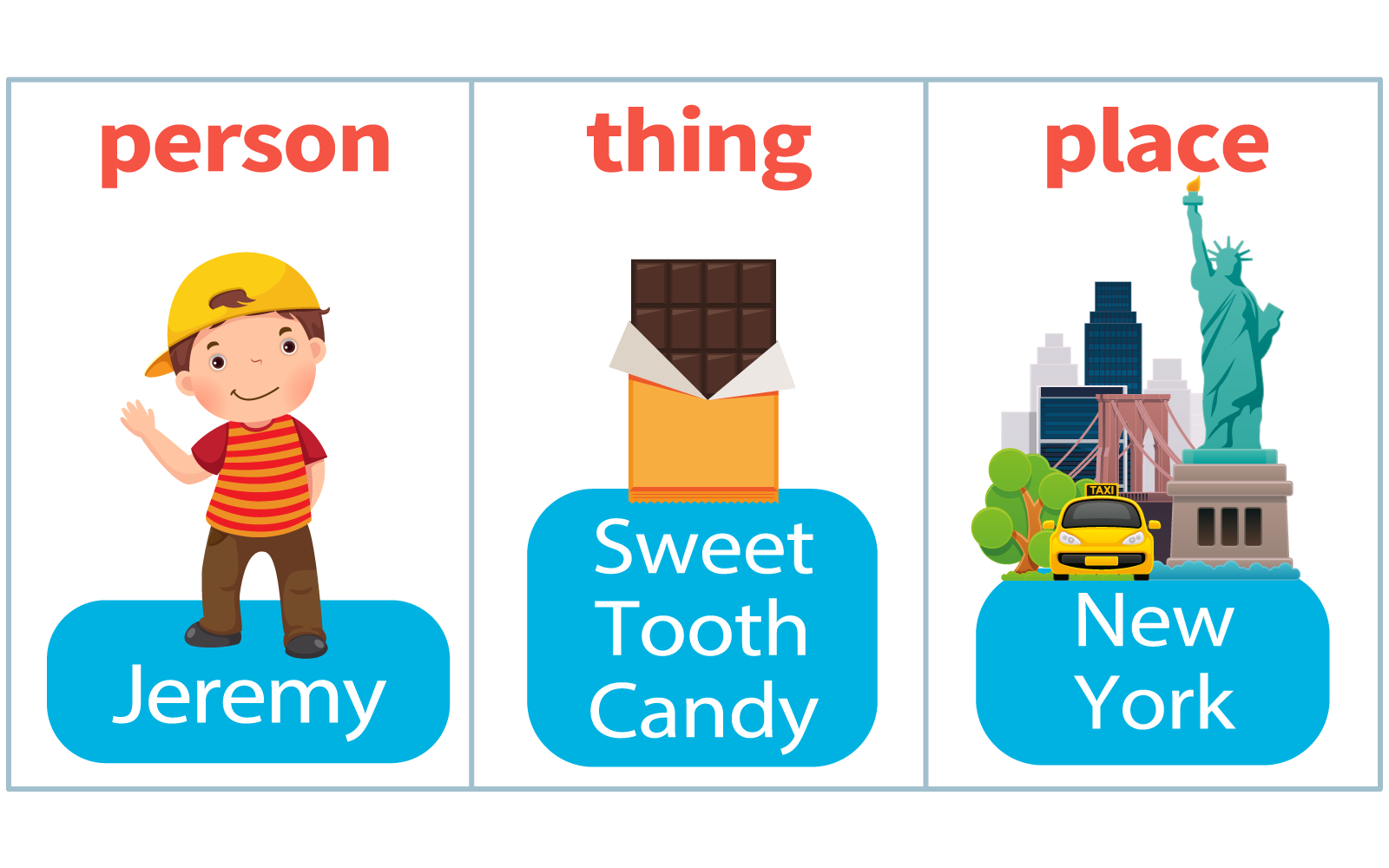
Enhancing vocabulary in children aged 6-9 is crucial for their overall development and future academic success. At this stage, kids are rapidly expanding their language skills, and having a rich vocabulary empowers them to express their thoughts and emotions more precisely. This age range is foundational for literacy; a strong vocabulary enables better reading comprehension, facilitating a love for reading and learning.
Furthermore, a robust vocabulary enhances communication skills, aiding children in forming relationships with peers and adults. They are better equipped to engage in discussions, share ideas, and participate in group activities. Enhanced vocabulary also supports critical thinking, allowing children to describe, analyze, and synthesize information effectively.
Teachers and parents play an essential role in this vocabulary development through intentional activities, such as reading aloud, storytelling, and interactive conversations. By caring about vocabulary enrichment, they help nurture confident communicators and compassionate listeners. Ultimately, enhancing vocabulary in young learners sets the stage for greater academic achievement, improved self-esteem, and a lifelong love for learning, laying crucial groundwork for success in school and beyond. Thus, fostering vocabulary is not merely an educational task, but a vital investment in a child's future.








