Fraction identification Worksheets for Ages 6-9
8 filtered results
-
From - To
Welcome to our "Fraction Identification Worksheets" designed specifically for children aged 6 to 9! These engaging worksheets introduce young learners to the world of fractions through colorful visuals and interactive activities. Your child will explore concepts such as identifying fractions, understanding numerator and denominator, and recognizing different fractional values. Perfect for reinforcing classroom learning, our printable worksheets offer a fun and effective way for kids to practice their math skills at home. Support your child's educational journey with resources that promote confidence and mastery in fractions. Download our worksheets today and make learning fractions a delightful experience!
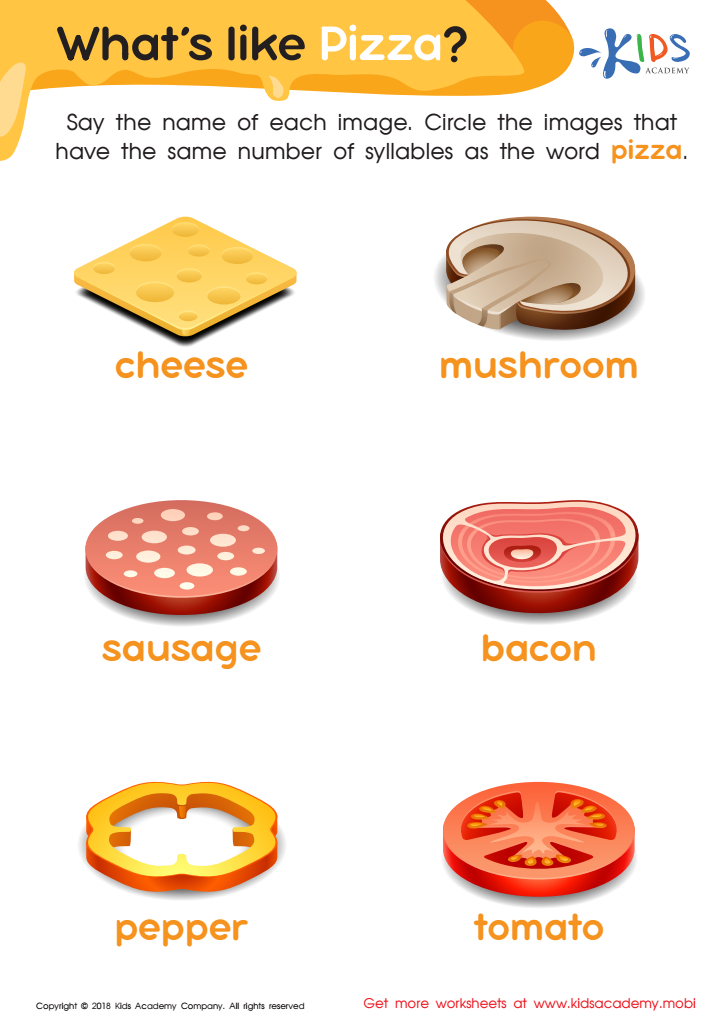
What's Like Pizza? Worksheet
 Assign to My Students
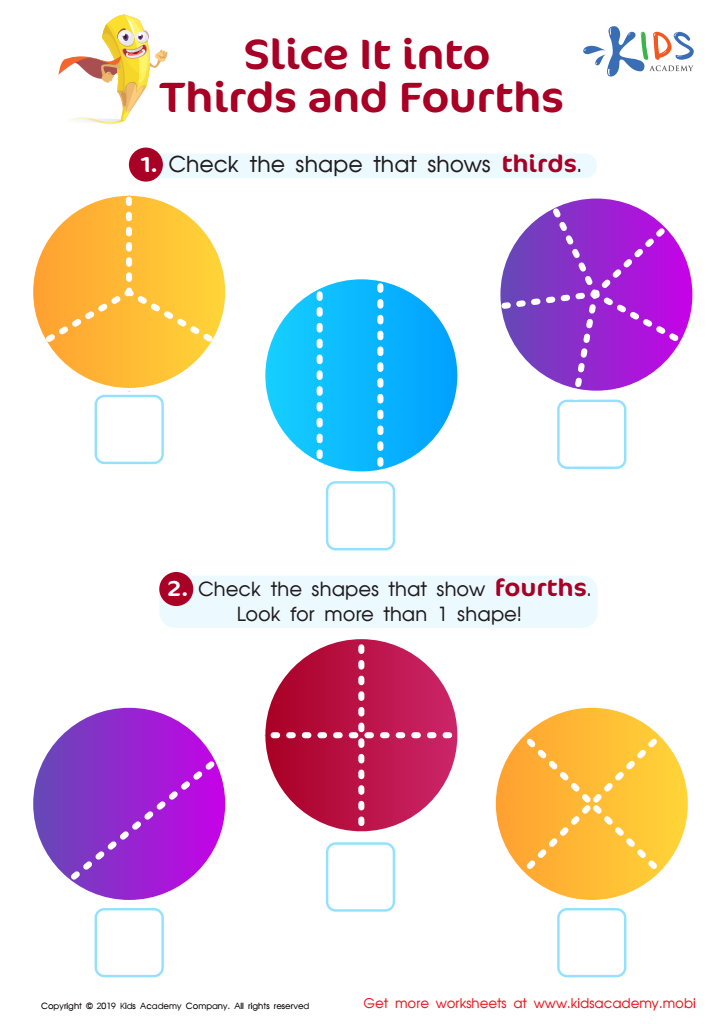
Slice in Thirds Fourths Worksheet
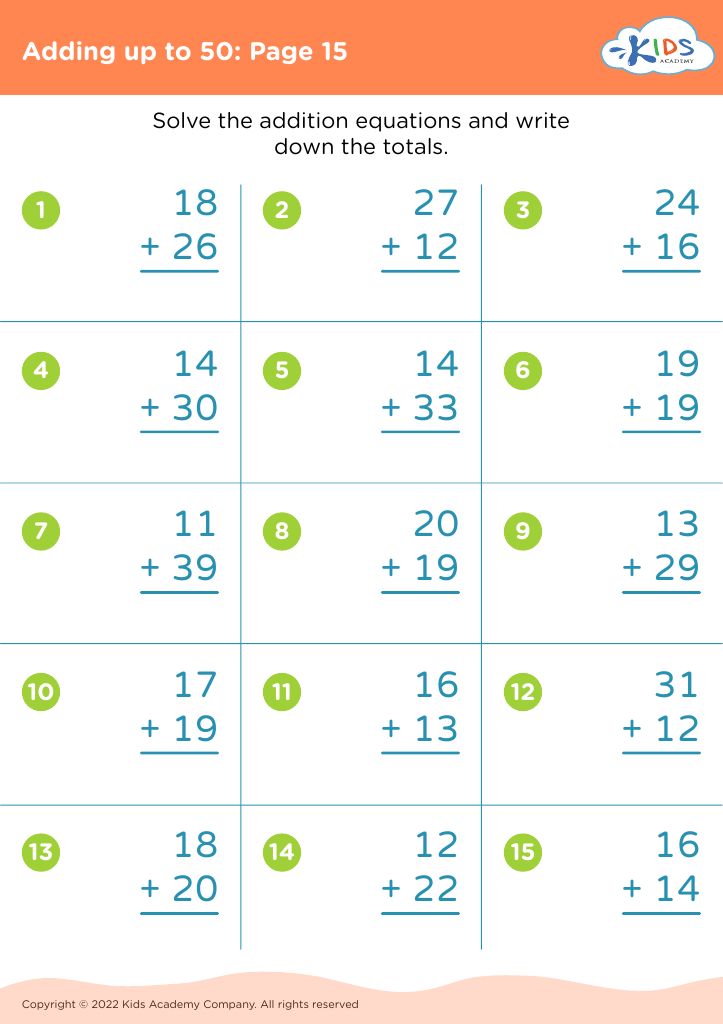
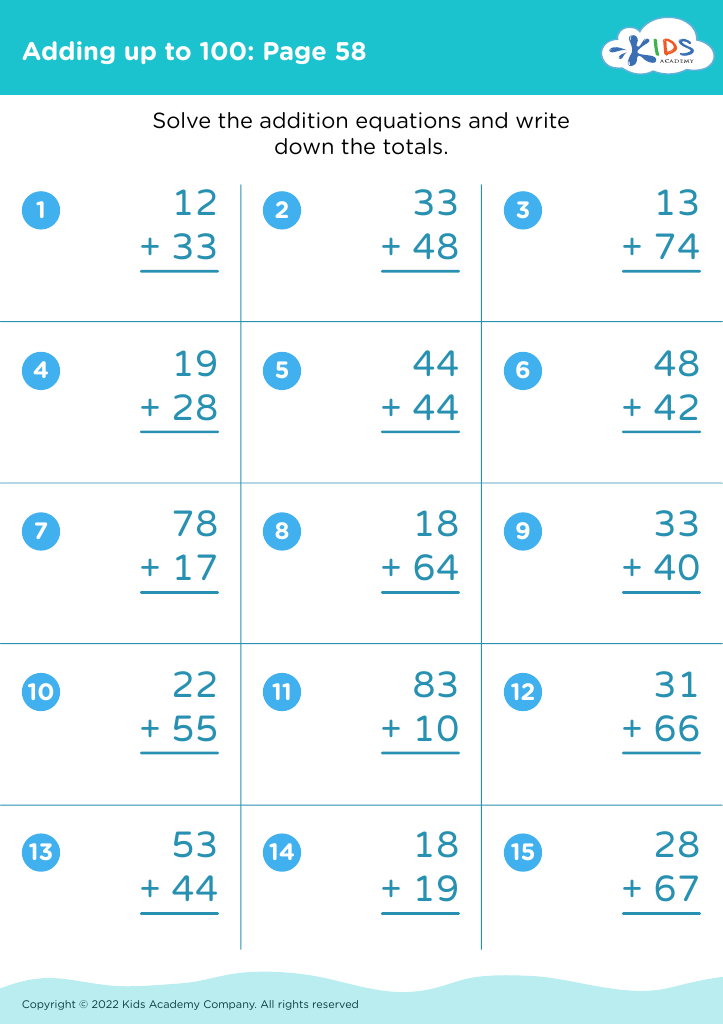
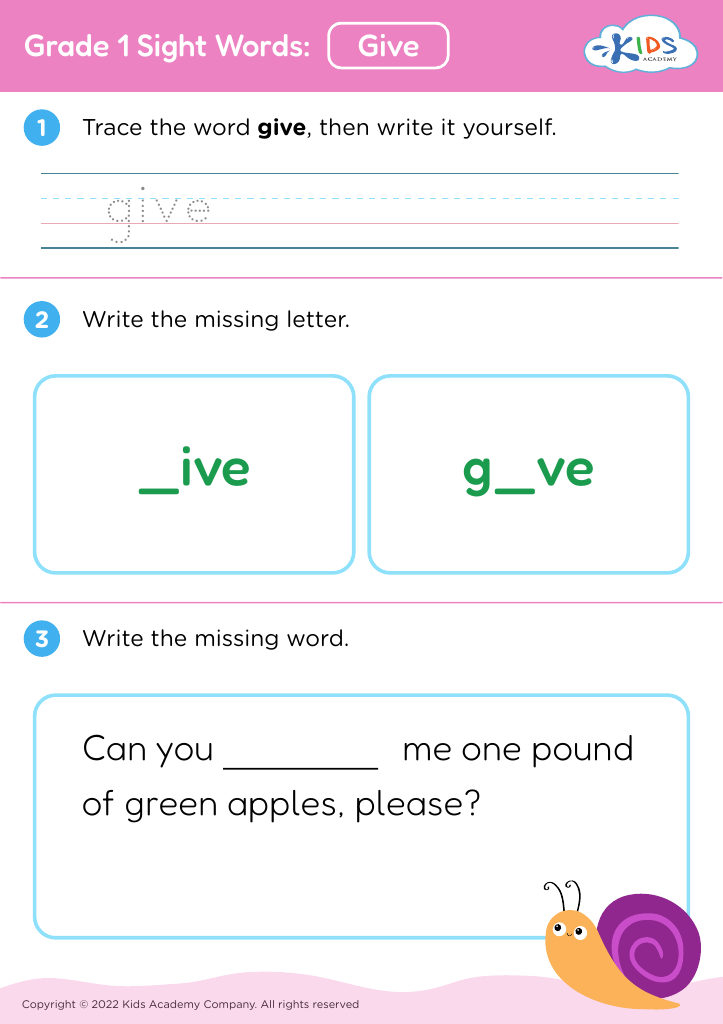







Fraction identification is a fundamental skill that serves as the foundation for more advanced mathematics, making it crucial for children aged 6-9. During these formative years, kids develop their numerical understanding, and grasping fractions helps them make sense of the world around them, using math in everyday situations like cooking, shopping, or sharing.
For parents and teachers, fostering a solid understanding of fractions equips children with essential problem-solving skills. Mastering fractions encourages logical thinking and the ability to compare and manipulate numerical quantities. Early exposure to fraction concepts helps children build confidence and prevents future difficulties with more complex math topics, such as ratios or proportions.
Moreover, understanding fractions intersects with various subjects, including science, art, and even social studies. By recognizing fractions in different contexts, children develop comprehensive critical thinking skills. Engaging activities that focus on fraction identification can enhance collaboration among peers and promote hands-on learning—essential aspects of child development.
Overall, parents and teachers play a vital role in supporting children’s understanding of fractions, ultimately contributing to their academic success and fostering a lifelong appreciation for mathematics. Addressing this aspect of learning can create a positive impact on their overall educational journey.








