Historical Knowledge Worksheets for Ages 6-9 - Page 2
38 filtered results
-
From - To
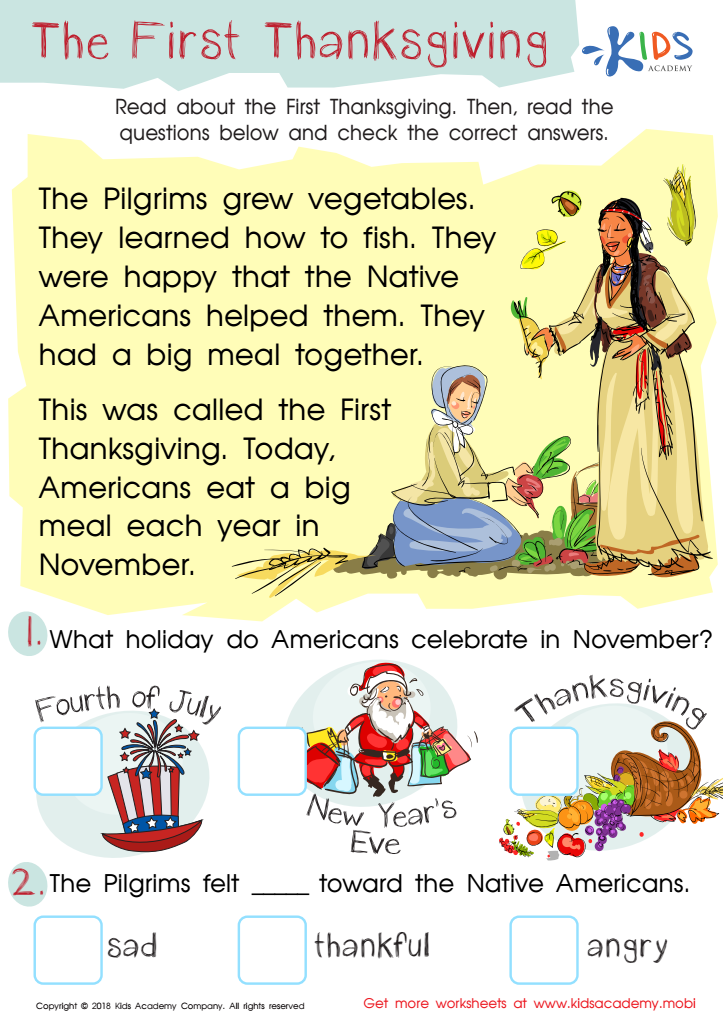
Assessment: First Thanksgiving Worksheet
 Assign to My Students
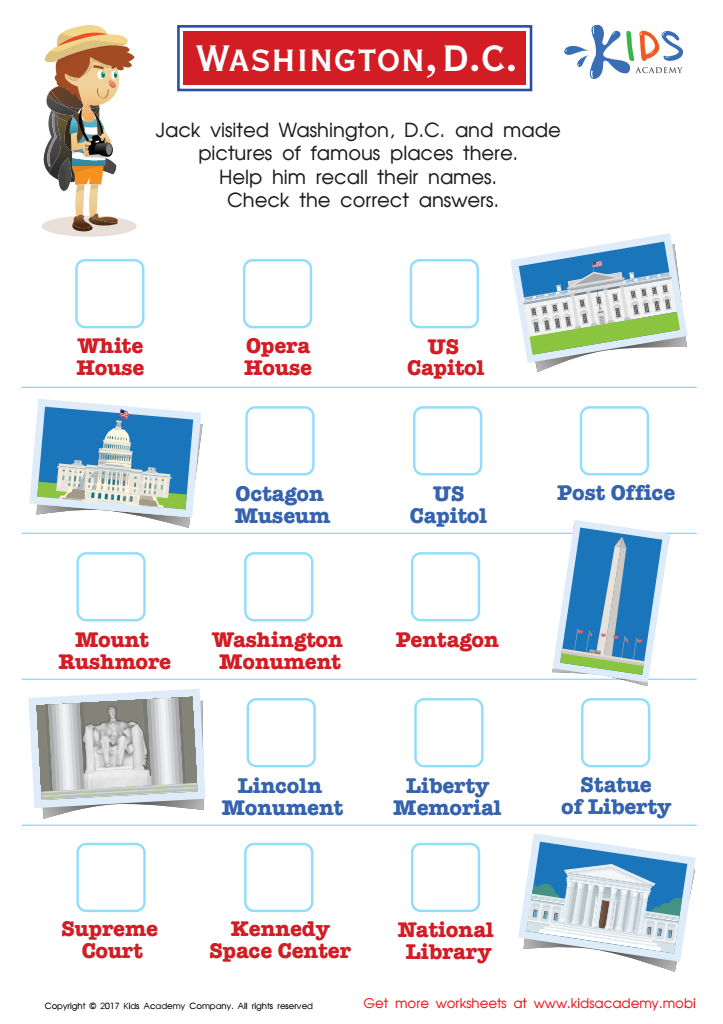
Washington D.C. Printable Worksheet
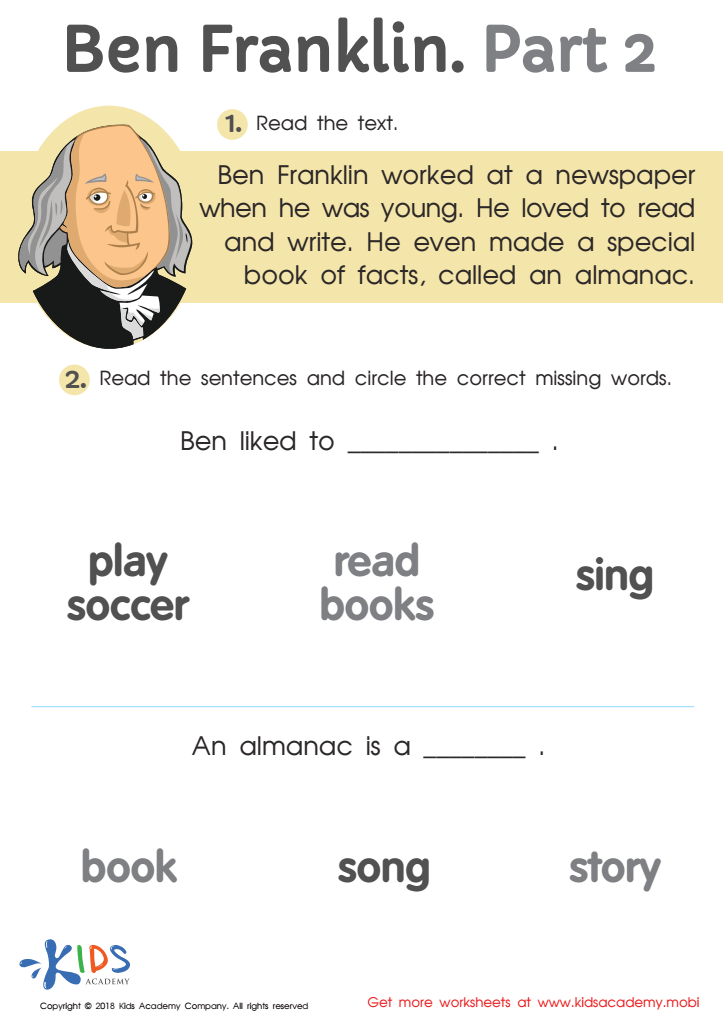
Ben Franklin Part 2 Worksheet
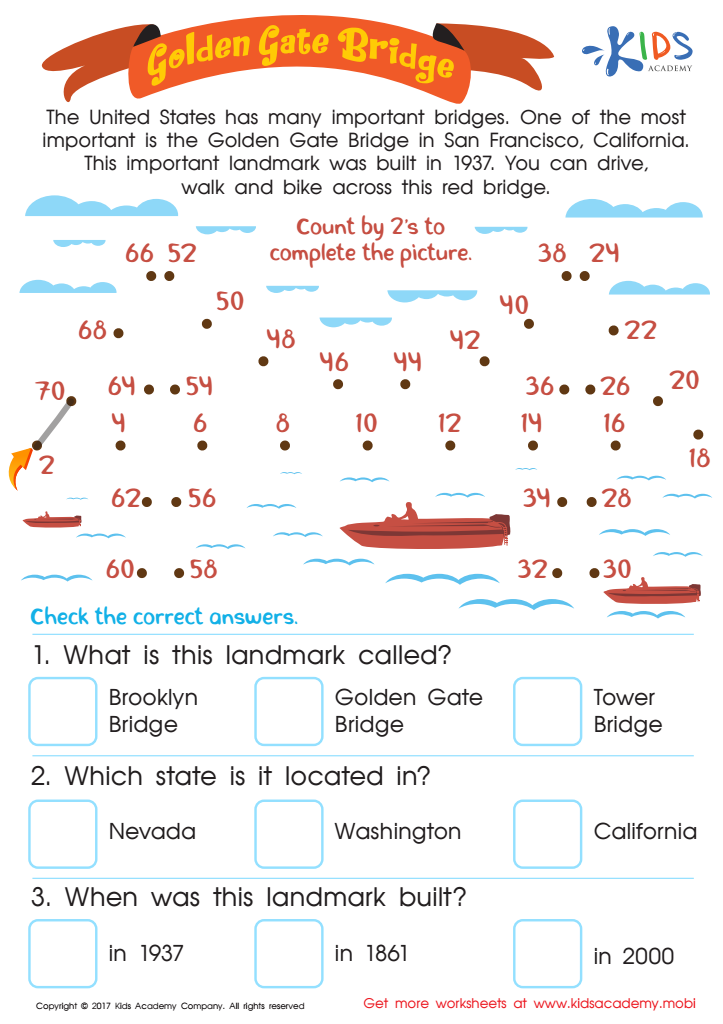
Golden Gate Bridge Worksheet
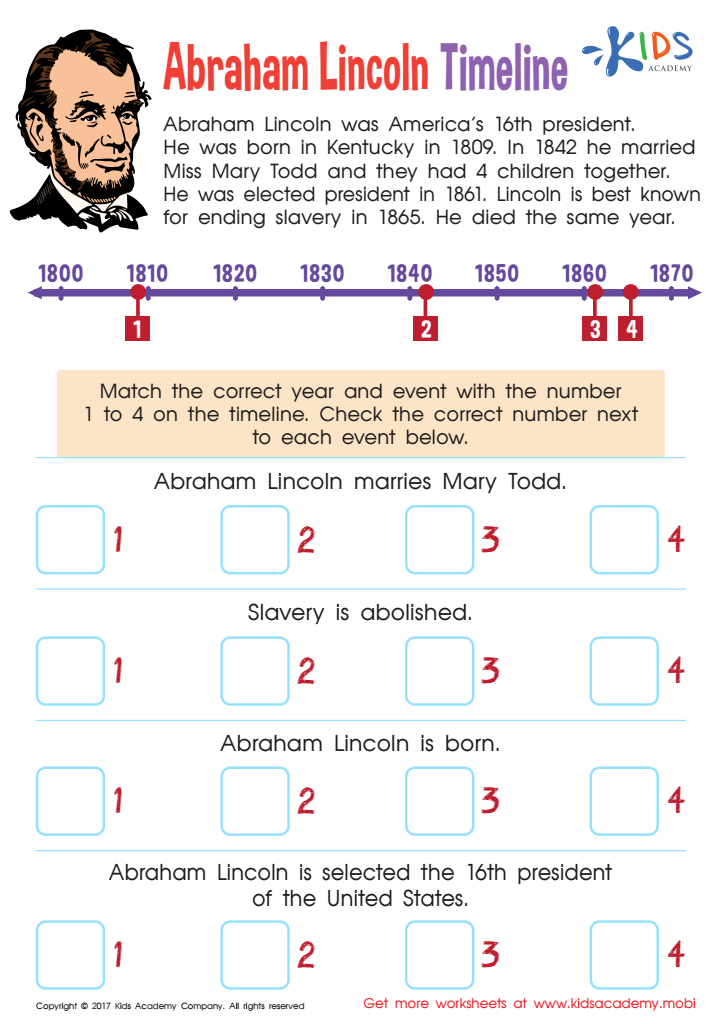
Abraham Lincoln Timeline Worksheet
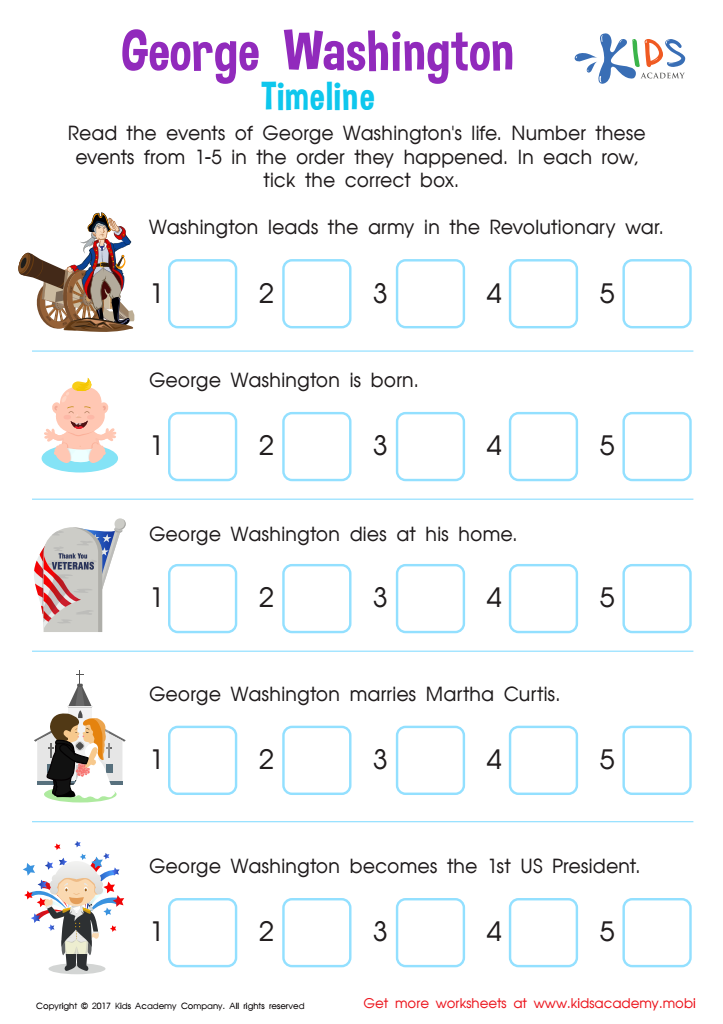
George Washington Timeline Worksheet
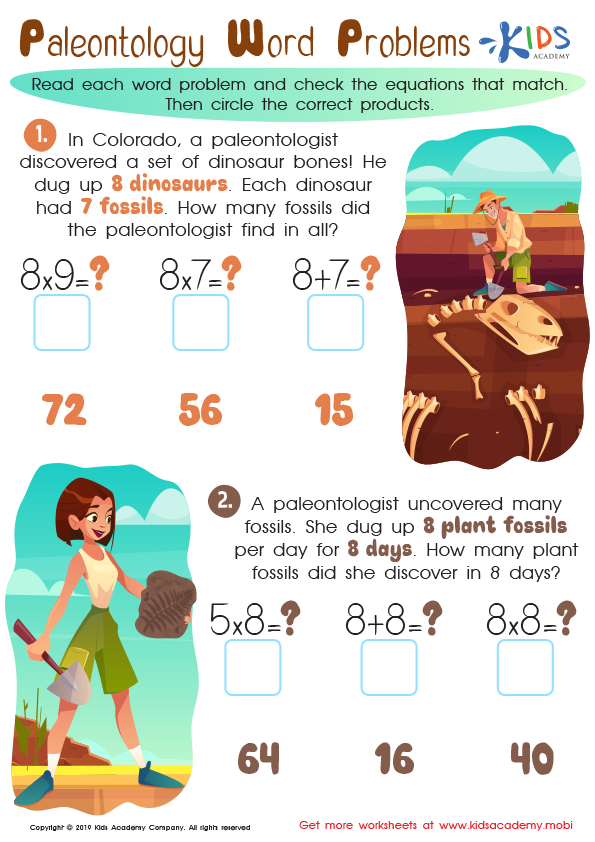
Archeology Word Problems Worksheet
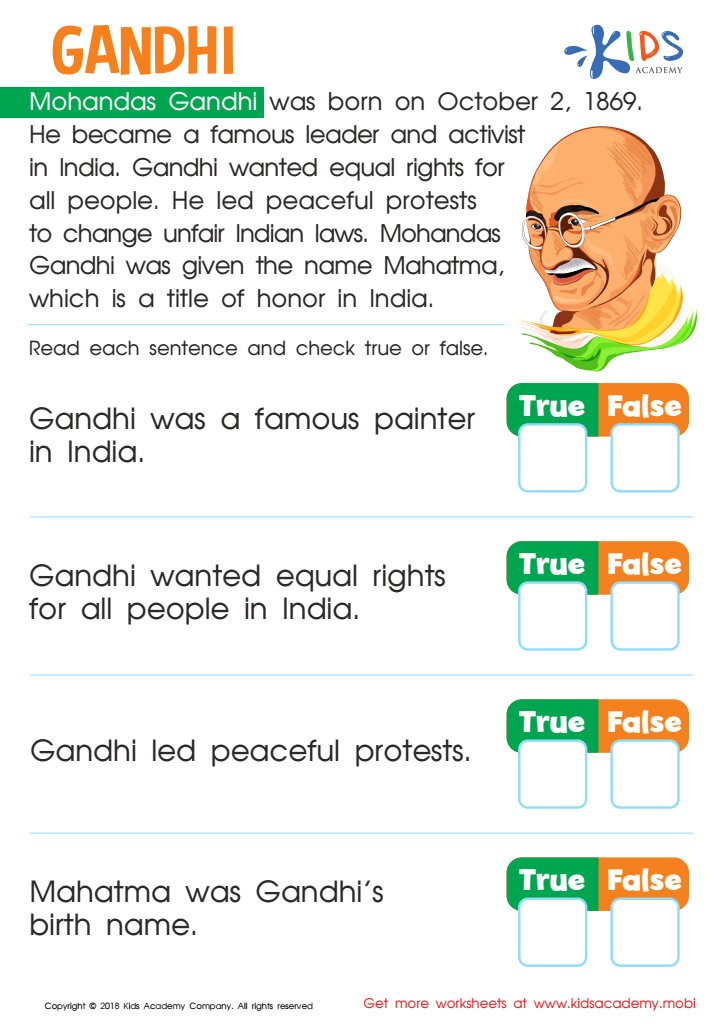
Gandhi Worksheet
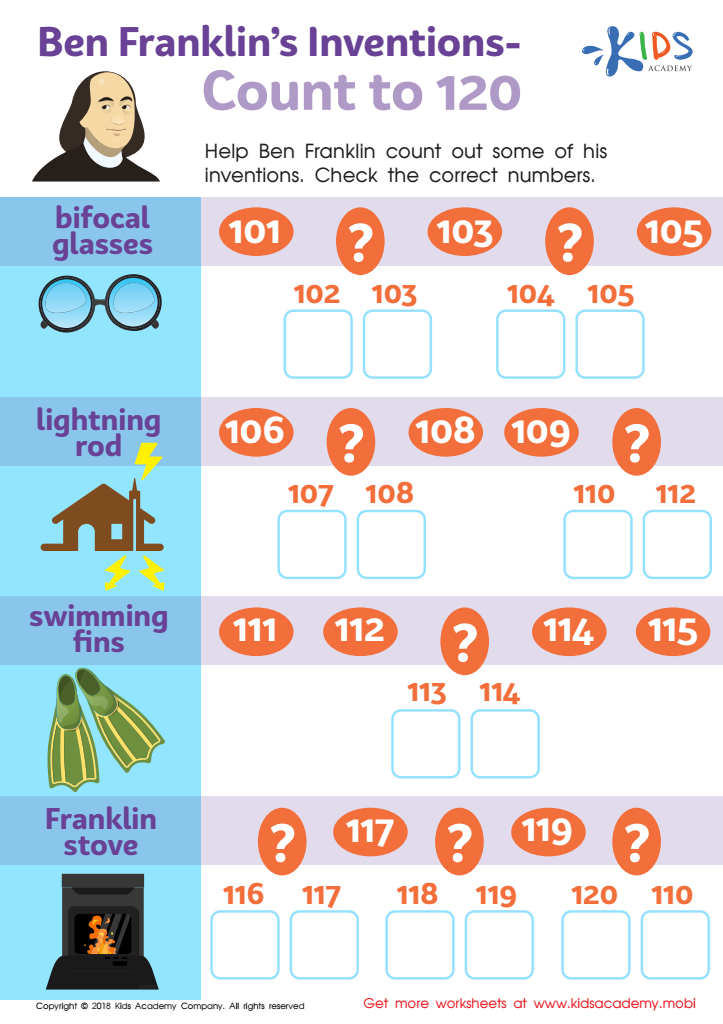
Ben Franklin’s Inventions – Count to 120 Worksheet
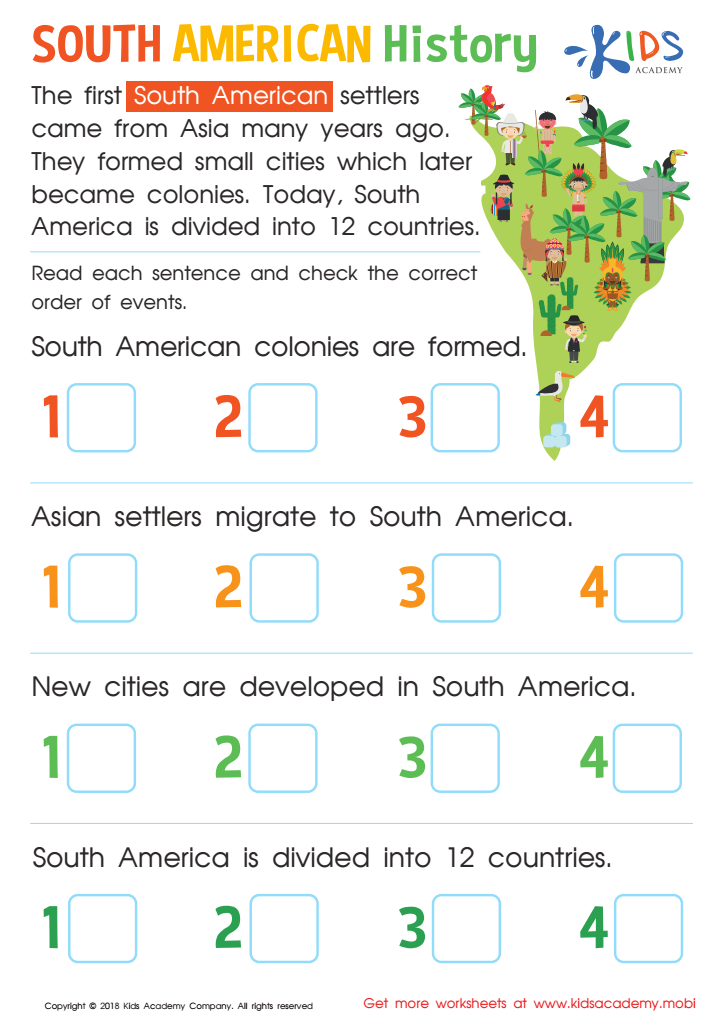
South American History Worksheet







Historical knowledge for ages 6-9 is critical in fostering well-rounded, informed individuals. At this young age, children are naturally curious and eager to learn about the world around them. Introducing them to history can help cultivate that curiosity, making learning more engaging and meaningful.
Firstly, learning history at an early age helps children understand the world they live in. By exploring past events, different cultures, and significant figures, children begin to understand how societies have evolved and how people have shaped our world. This foundational knowledge equips them with a broader perspective, making them more empathetic and aware individuals.
Secondly, early historical learning supports the development of critical thinking skills. When children hear stories about historical events, they start to question, analyze, and draw connections between causes and effects. It encourages them to think about why things happened and consider different viewpoints, fostering a deeper understanding and skepticism that are invaluable throughout life.
Furthermore, historical knowledge provides context for tradition, celebrations, and societal norms, making it easier for children to relate to and appreciate different practices and holidays. This sense of connection helps build a cohesive community and a sense of identity.
In essence, early exposure to history equips children with knowledge, critical thinking skills, and a broad cultural understanding that supports their overall development and prepares them for future learning.








