Discover our engaging "Identifying Shapes Worksheets" tailored specifically for kids aged 6-9! These worksheets are designed to make learning fun and interactive, helping young learners recognize various shapes through colorful illustrations and exciting exercises. From circles and squares to triangles and hexagons, each worksheet enhances shape identification skills while fostering critical thinking and fine motor development. Perfect for classroom use or at-home learning, our resources encourage creativity and build a solid foundation in geometry. Download your free worksheets today and watch your child enjoy the journey of exploring shapes through playful activities and challenges!

Check out this FREE "Identifying shapes" Trial Lesson for age 6-9!

Counting Sides/ Angles 2D

Favorites
With answer key
Interactive
  • 6-9
  • Identifying shapes
Two Dimensional Shapes: Vertices

Two–Dimensional Shapes: Vertices Printable
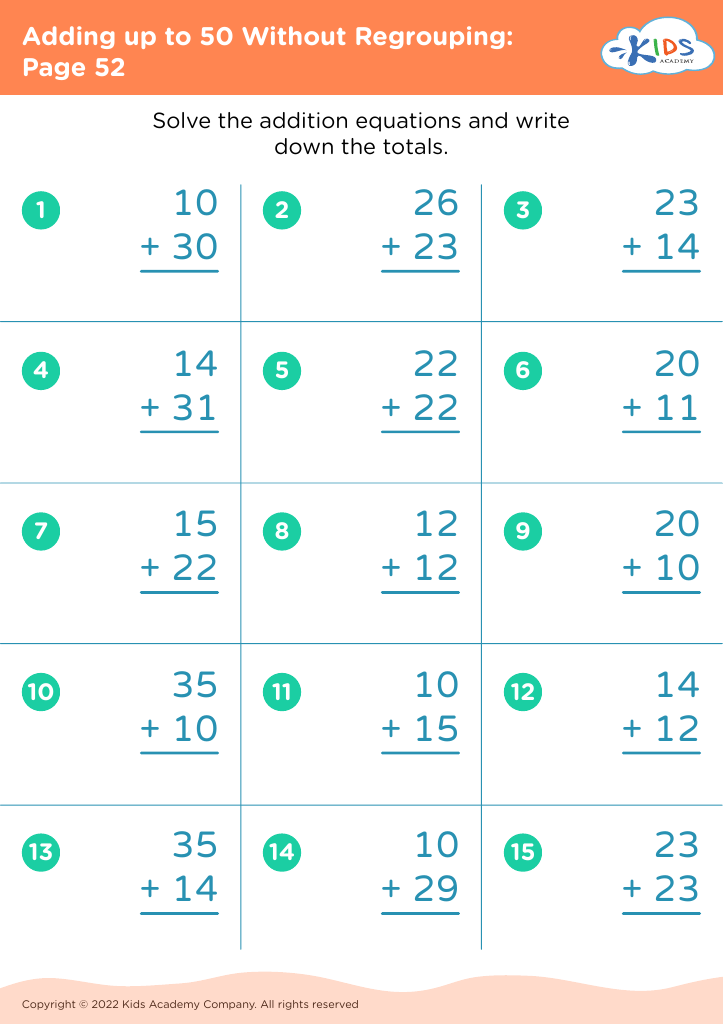
This colorful worksheet teaches kids geometry by introducing them to two-dimensional shapes and vertices. Kids can practice counting vertices and learn an important new math term in an easy to understand way. Boost your child's knowledge of geometry today!
Two–Dimensional Shapes: Vertices Printable
Worksheet
Adding up to 50 Without Regrouping: Page 52
Worksheet
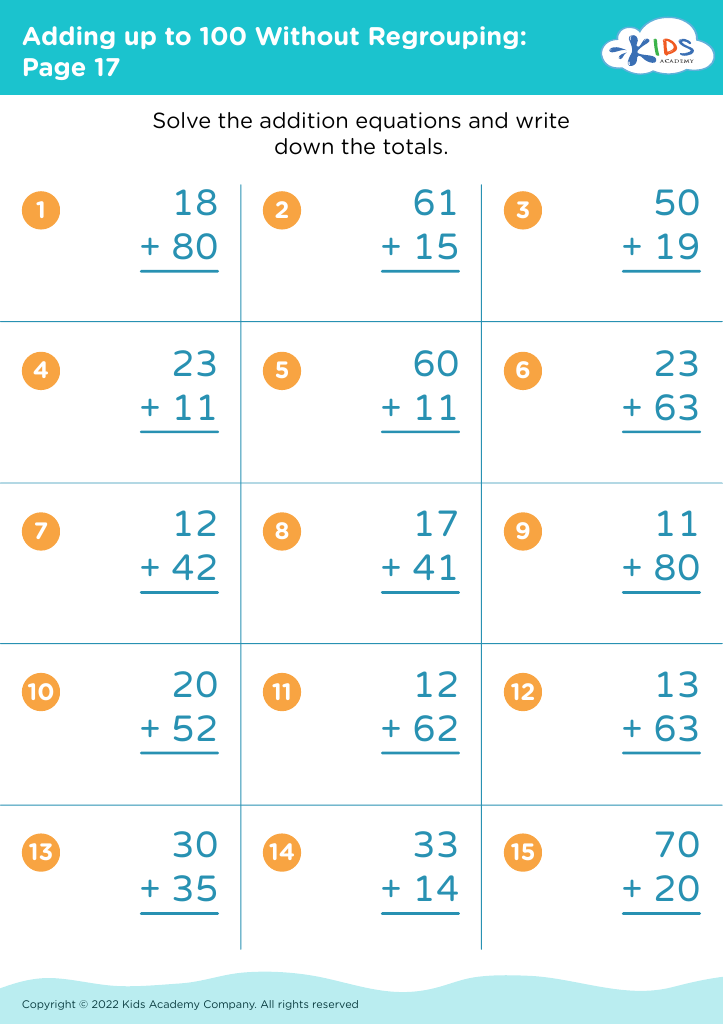
Adding up to 100 Without Regrouping: Page 17
Worksheet
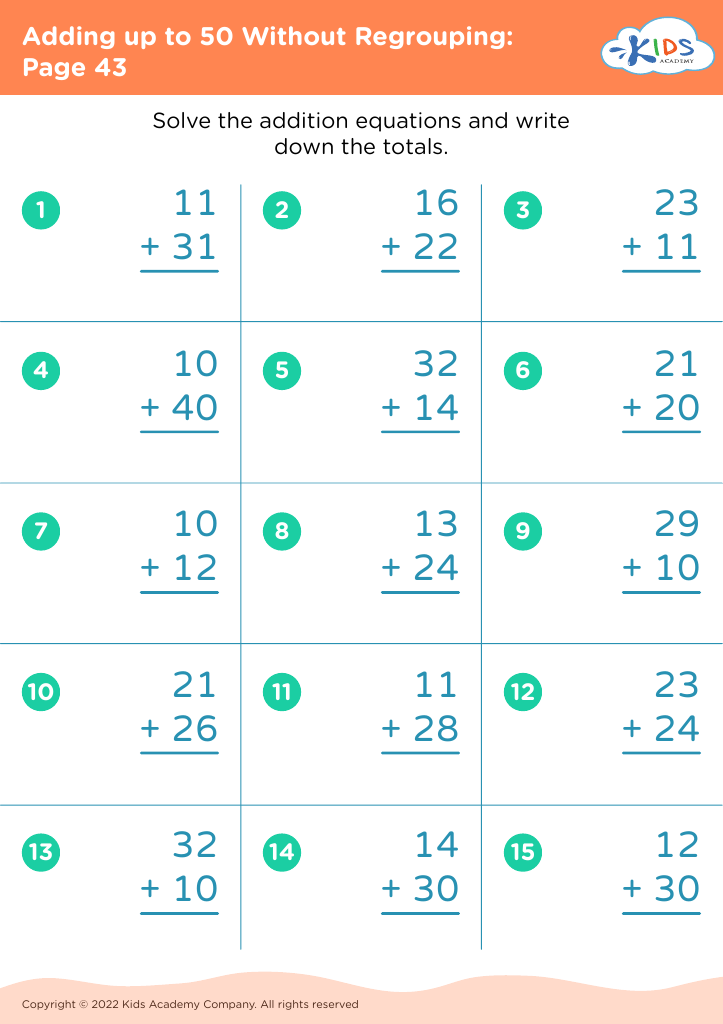
Adding up to 50 Without Regrouping: Page 43
Worksheet
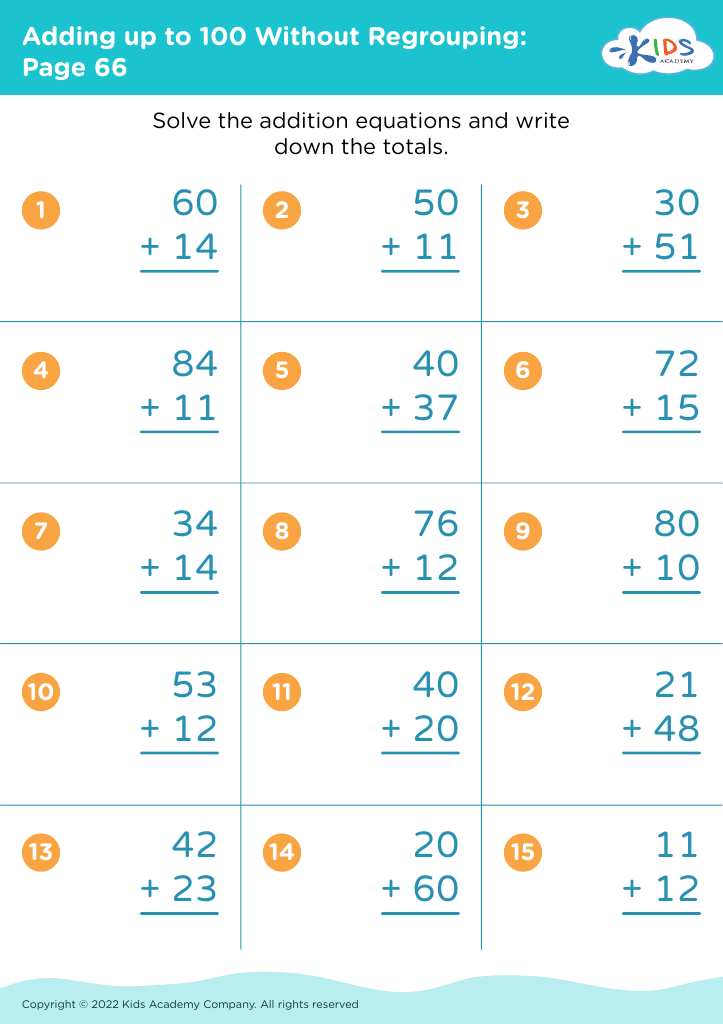
Adding up to 100 Without Regrouping: Page 66
Worksheet
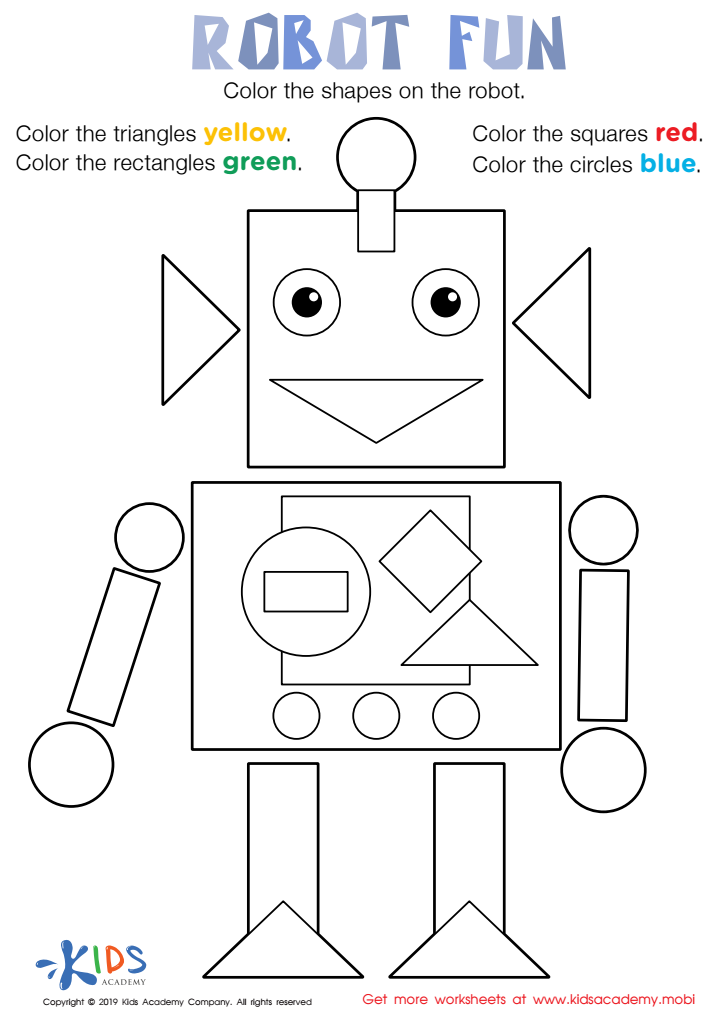
Robot Fun Worksheet
Robot Fun Worksheet

Robot Fun Worksheet

Help your child learn about basic shapes with this fun robot worksheet! Kids practice identifying circles, squares, rectangles and triangles, then color each shape according to directions. Make math practice enjoyable with this coloring page that teaches all four basic shapes - it's an important math skill!
Download (PDF)
Assign to My Students
Robot Fun Worksheet
Worksheet
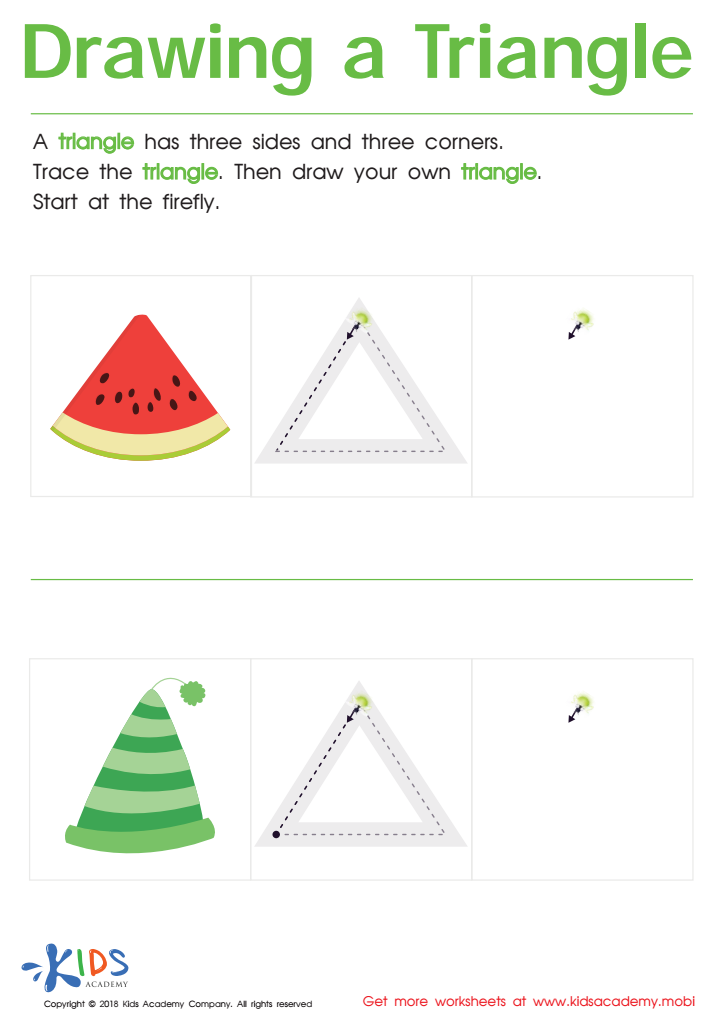
Drawing a Triangle Worksheet
Drawing a Triangle Worksheet
Help your child develop fine motor skills with this fun, traceable printable! It teaches them how to draw a triangle, with easy steps and cute picture motivation. They'll work on pre-writing skills, pencil position, and grip control without even realizing it. With this basic shape, they'll gain a foundation for strong writing and drawing skills.
Drawing a Triangle Worksheet
Worksheet
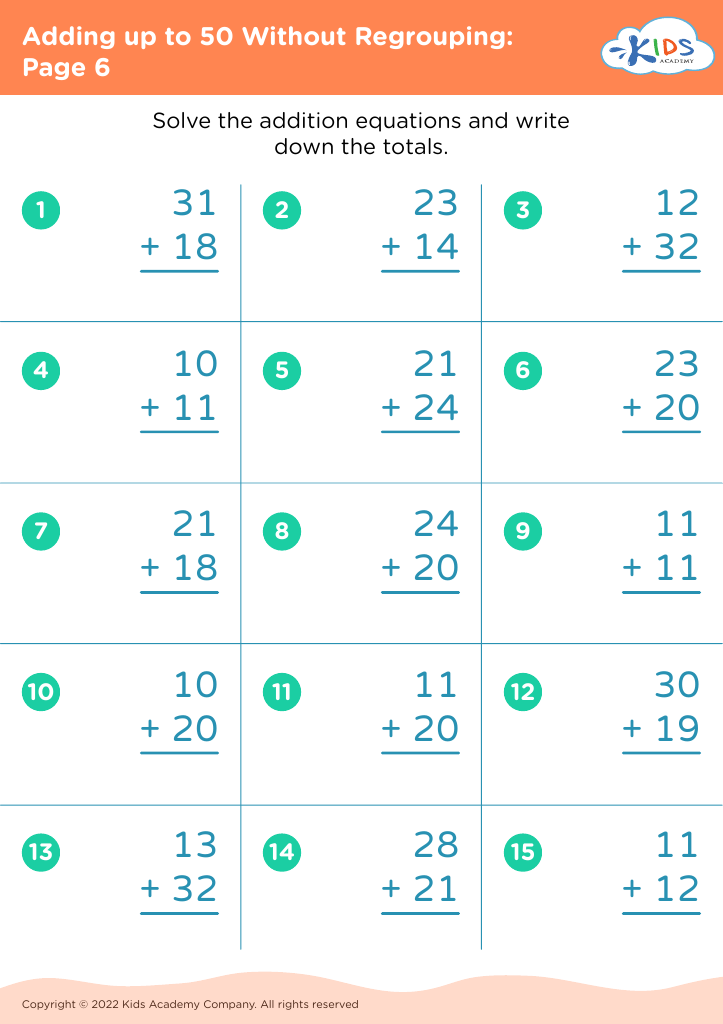
Adding up to 50 Without Regrouping: Page 6
Worksheet
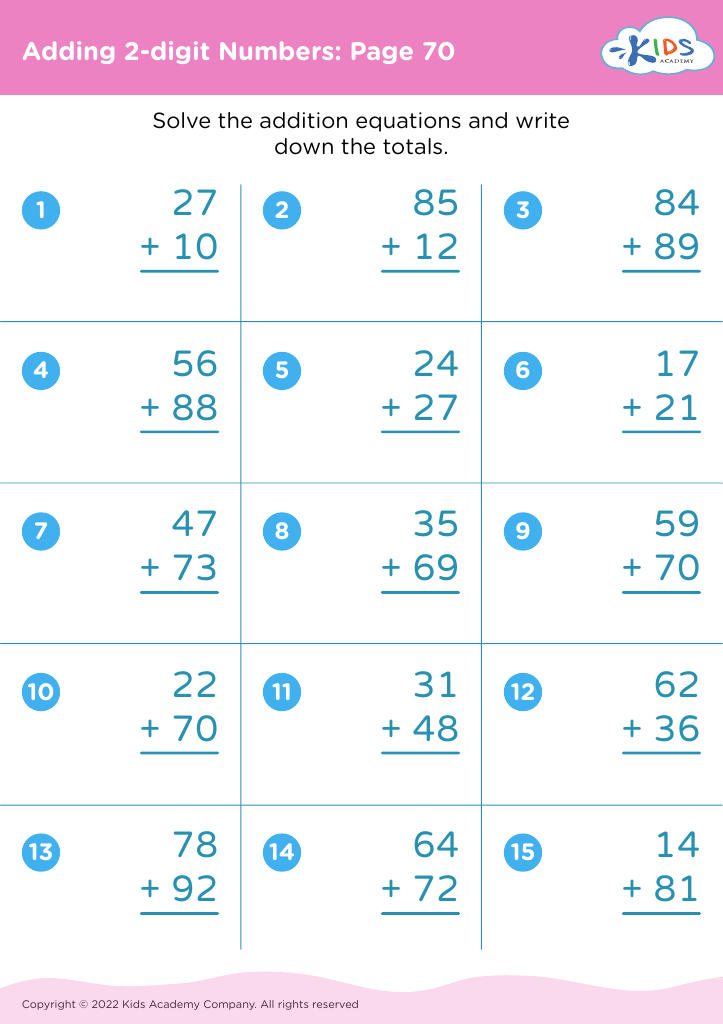
Adding 2-digit Numbers: Page 70

Adding 2-digit Numbers: Page 70

Adding 2-digit Numbers: Page 70
Worksheet
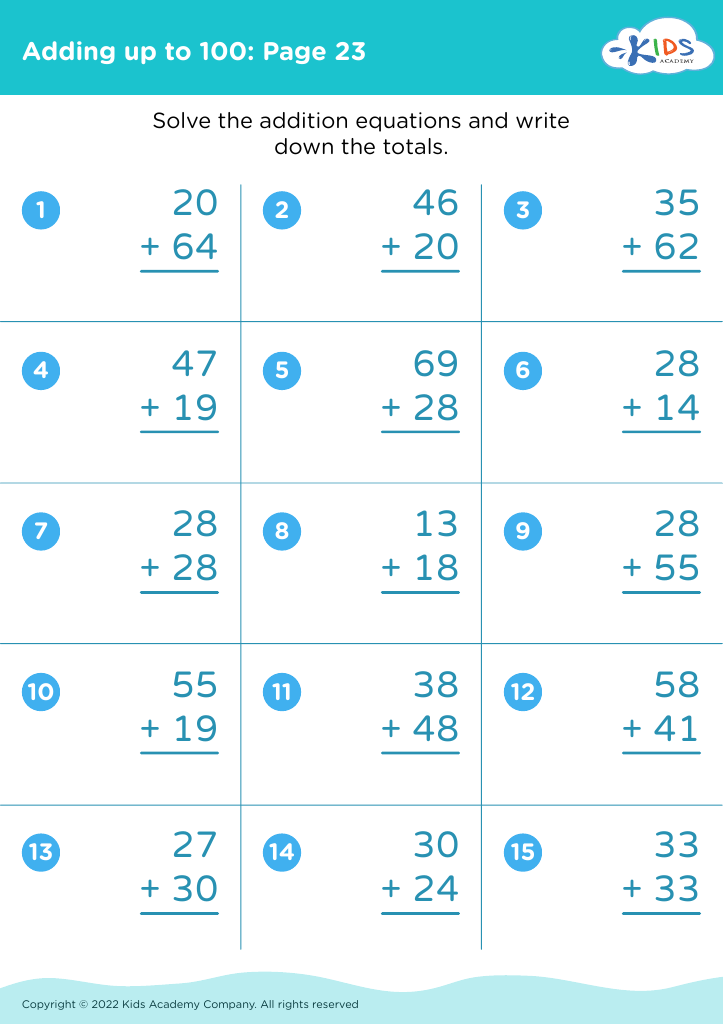
Adding up to 100: Page 23

Adding up to 100: Page 23

Adding up to 100: Page 23
Worksheet
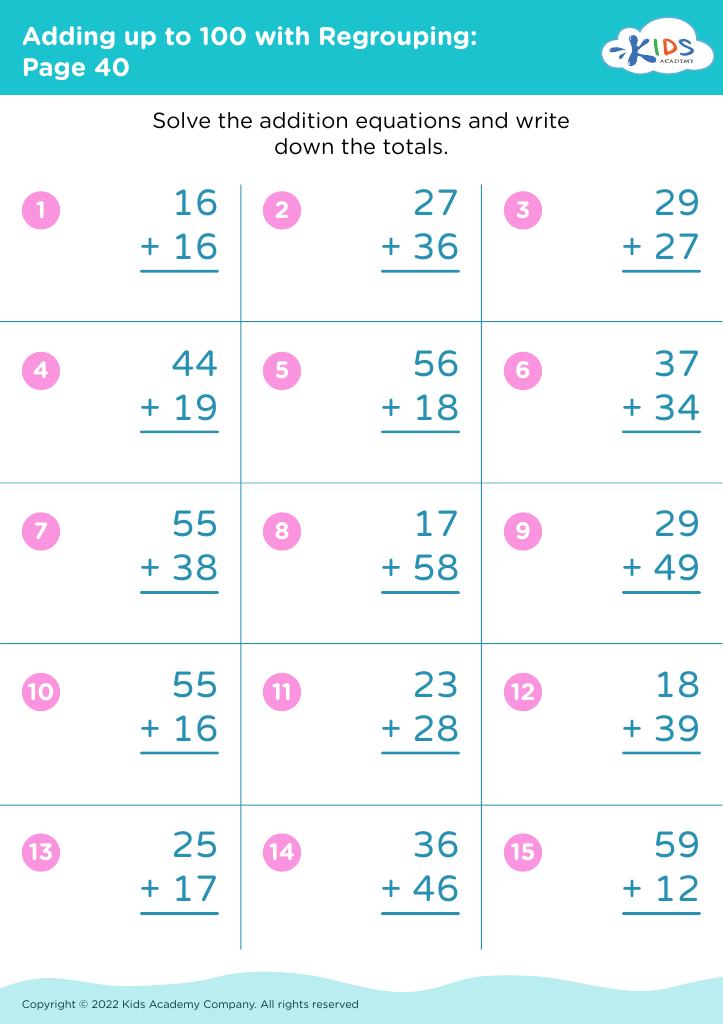
Adding up to 100 with Regrouping: Page 40
Worksheet
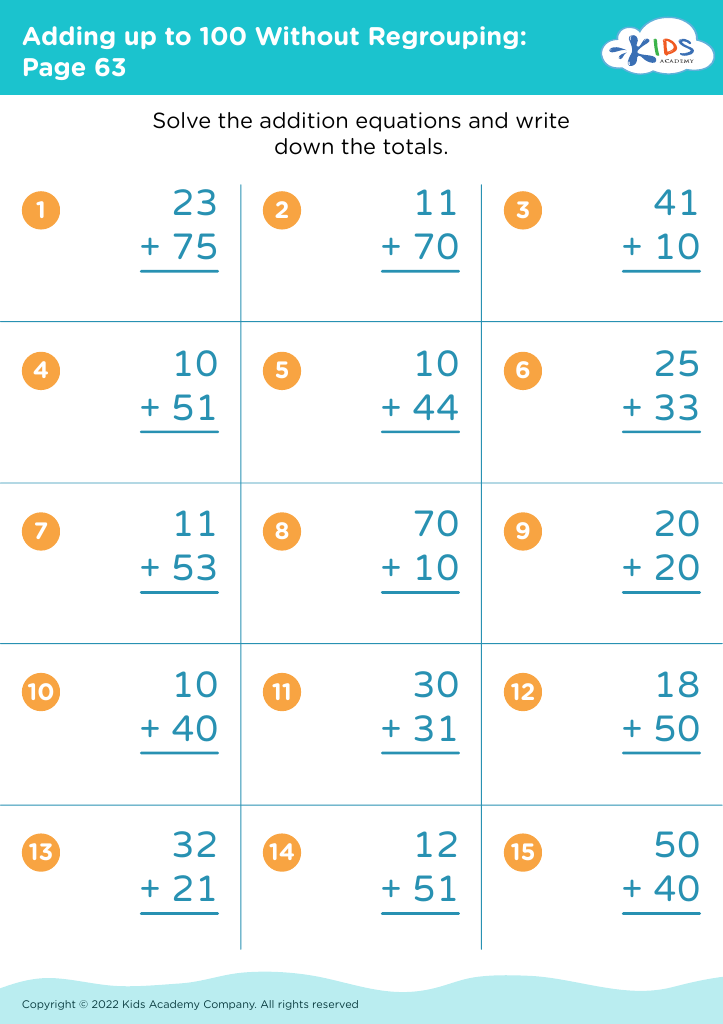
Adding up to 100 Without Regrouping: Page 63
Worksheet
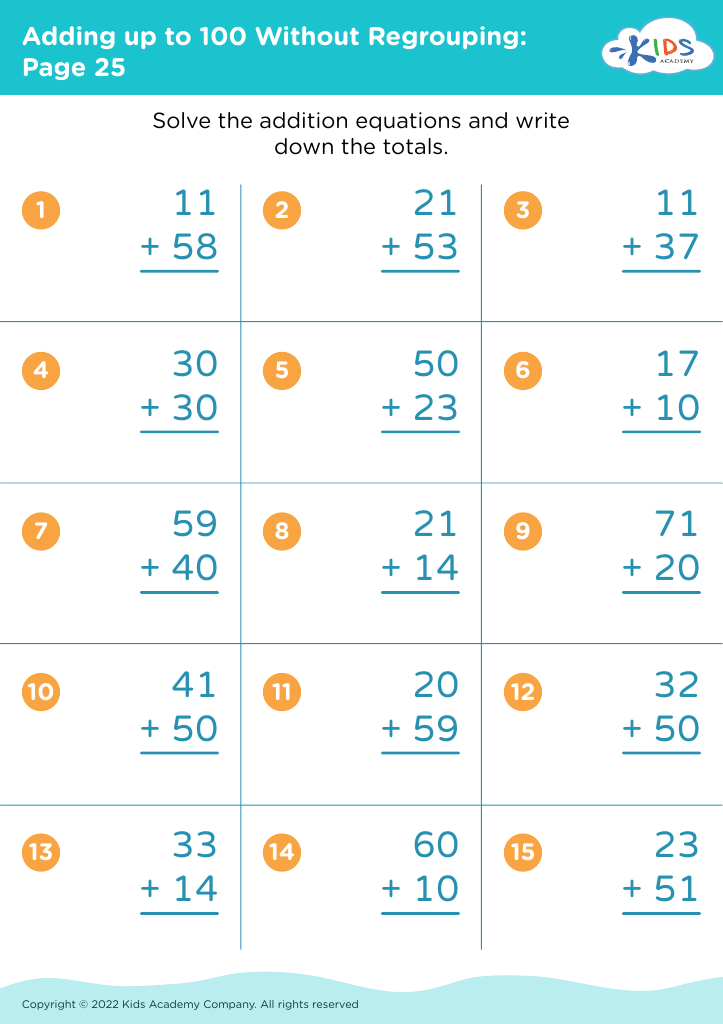
Adding up to 100 Without Regrouping: Page 25
Worksheet
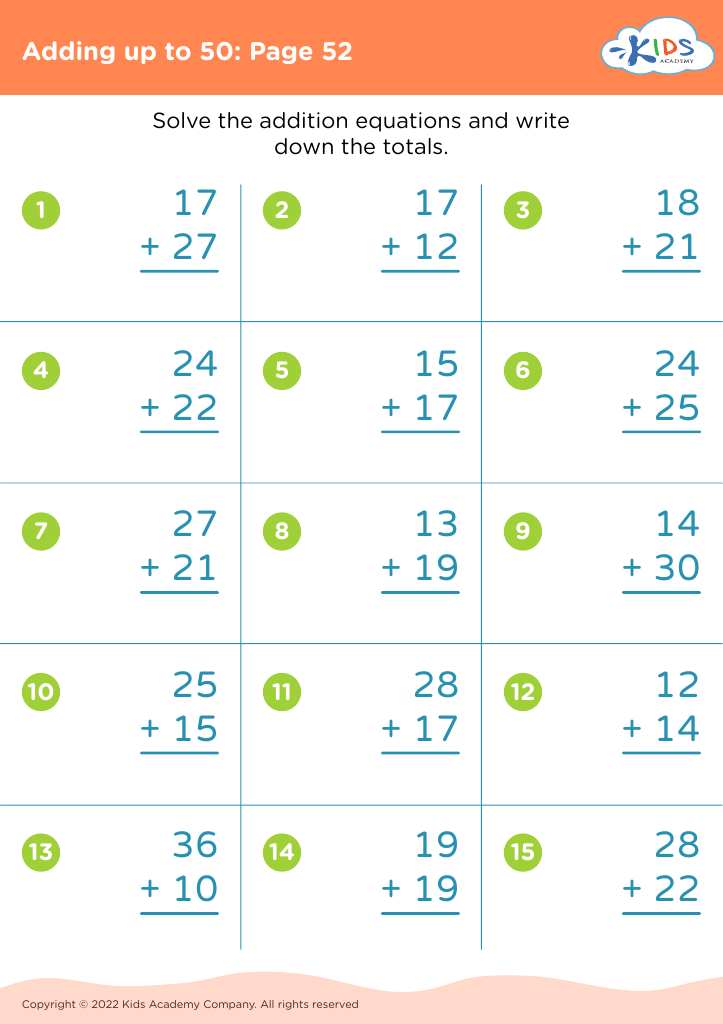
Adding up to 50: Page 52

Adding up to 50: Page 52

Adding up to 50: Page 52
Worksheet
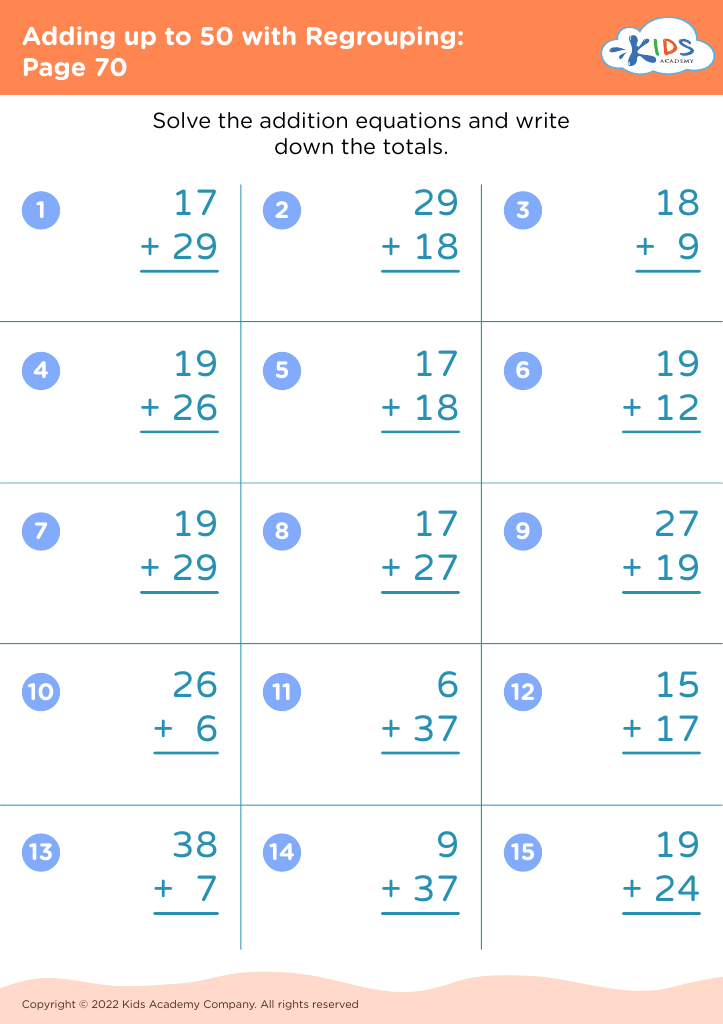
Adding up to 50 with Regrouping: Page 70
Worksheet
Adding up to 50 with Regrouping: Page 37
Worksheet
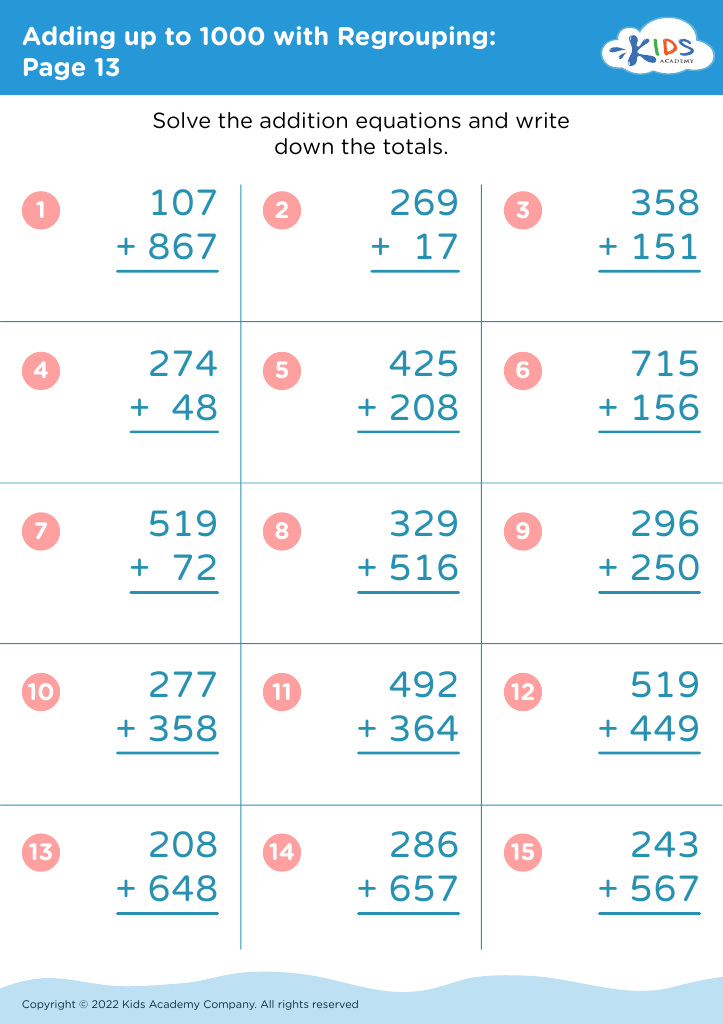
Adding up to 1000 with Regrouping: Page 13
Worksheet
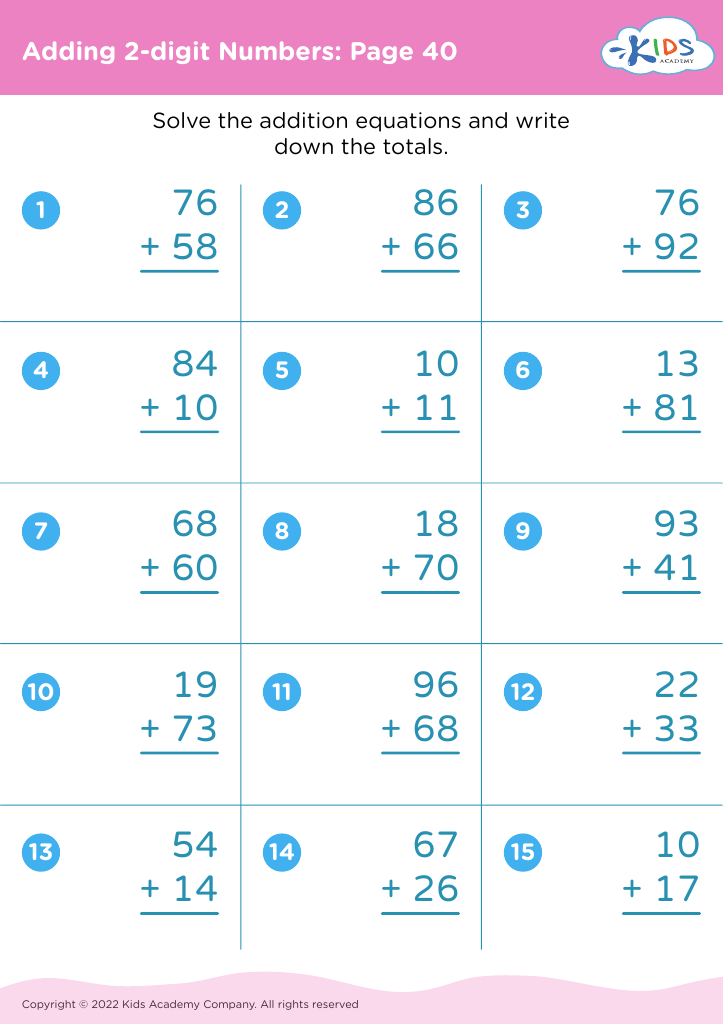
Adding 2-digit Numbers: Page 40

Adding 2-digit Numbers: Page 40

Adding 2-digit Numbers: Page 40
Worksheet
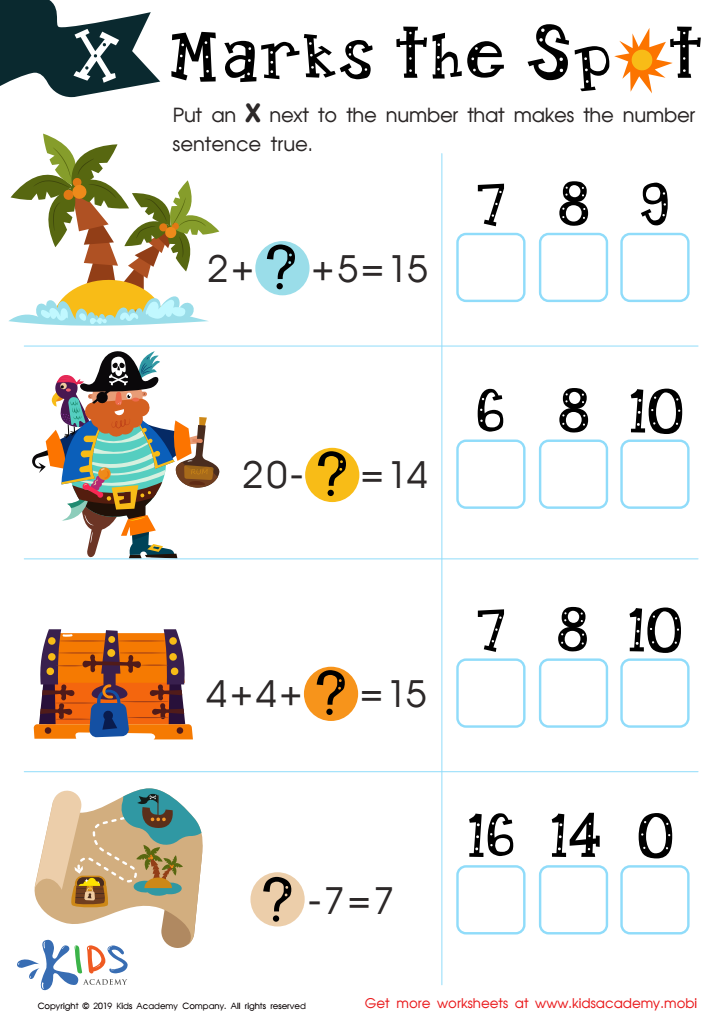
X Marks the Spot Worksheet
X Marks the Spot Worksheet
Let your kids explore the world of pirates! Ask them what they know about them, what they do and the phrases they like. Download the printout and point at the images, asking them to tell you what they see. Help them tick the box for the number that makes the sentence true. Let them have fun learning about pirates! (80 words)
X Marks the Spot Worksheet
Worksheet
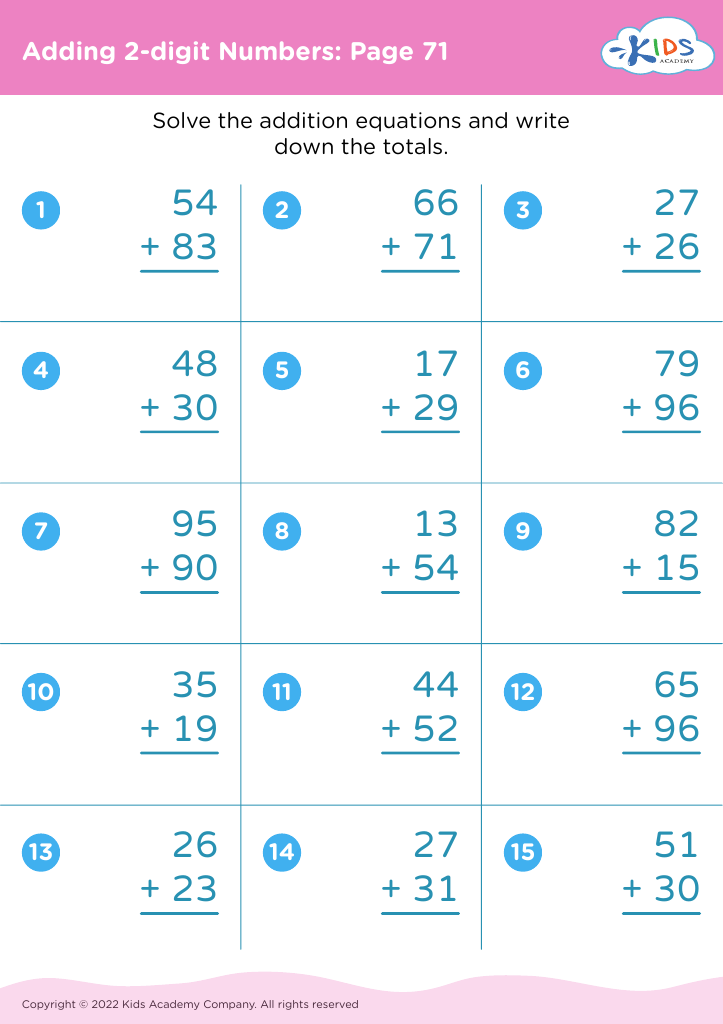
Adding 2-digit Numbers: Page 71

Adding 2-digit Numbers: Page 71

Adding 2-digit Numbers: Page 71
Worksheet
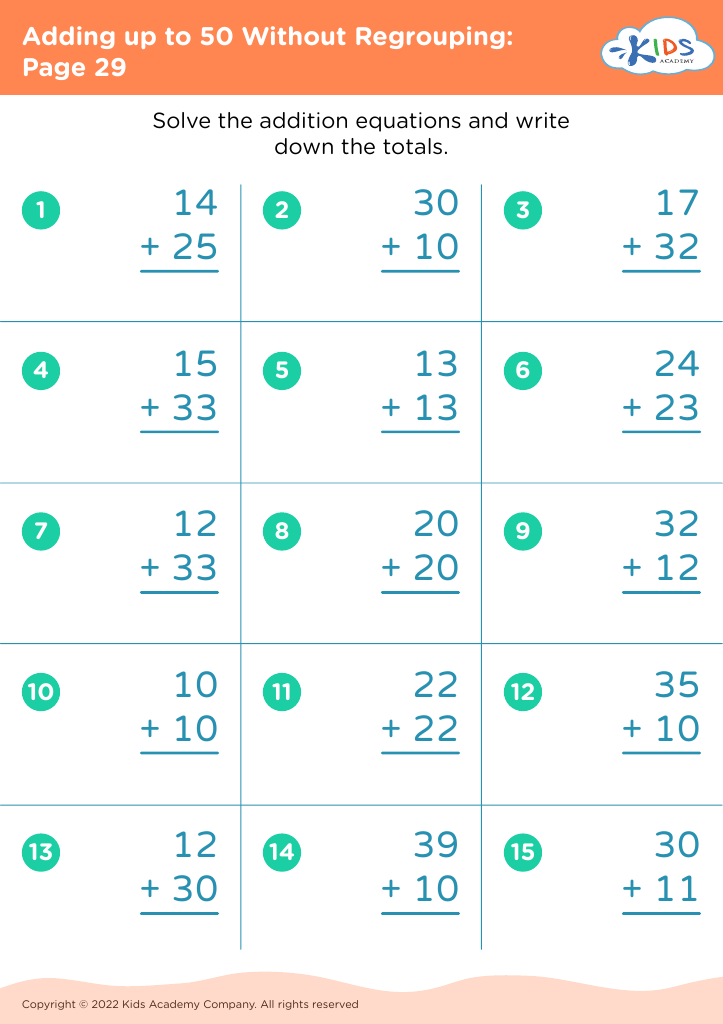
Adding up to 50 Without Regrouping: Page 29
Worksheet
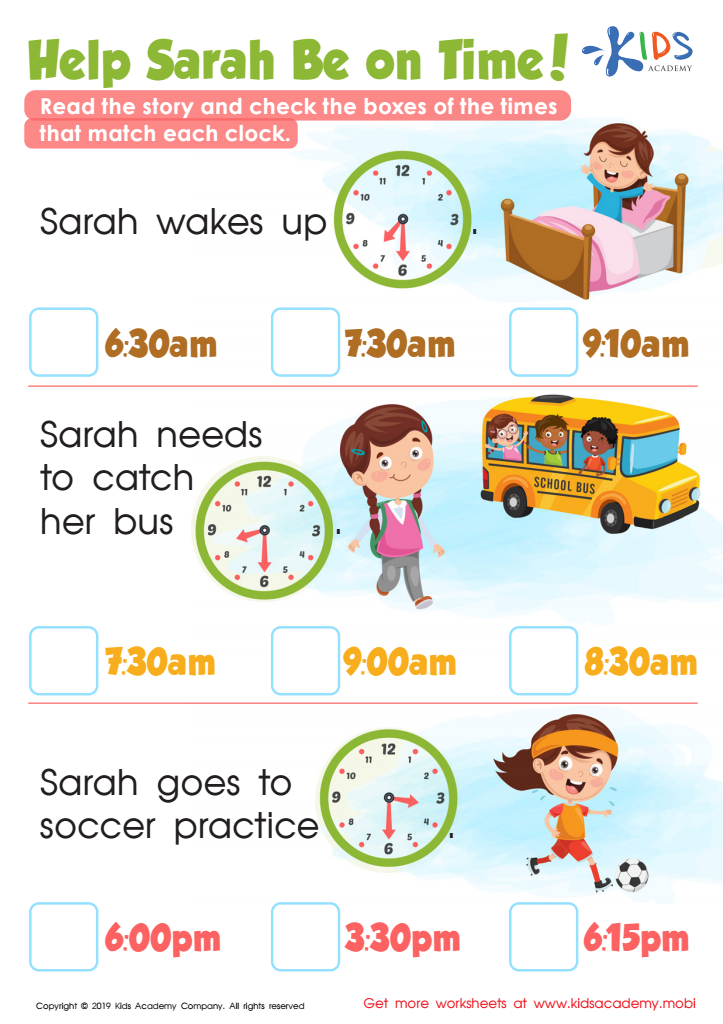
Help Sarah Be on Time! Worksheet

Help Sarah Be on Time! Worksheet

Humans are social creatures and need to be punctual for things to run smoothly. For instance, a meeting with a friend requires a time to be agreed upon. Ask your kids what else needs to be punctual. Then, show them the worksheet and read the accompanying story. Get them to match clocks with the correct times.
Help Sarah Be on Time! Worksheet
Worksheet
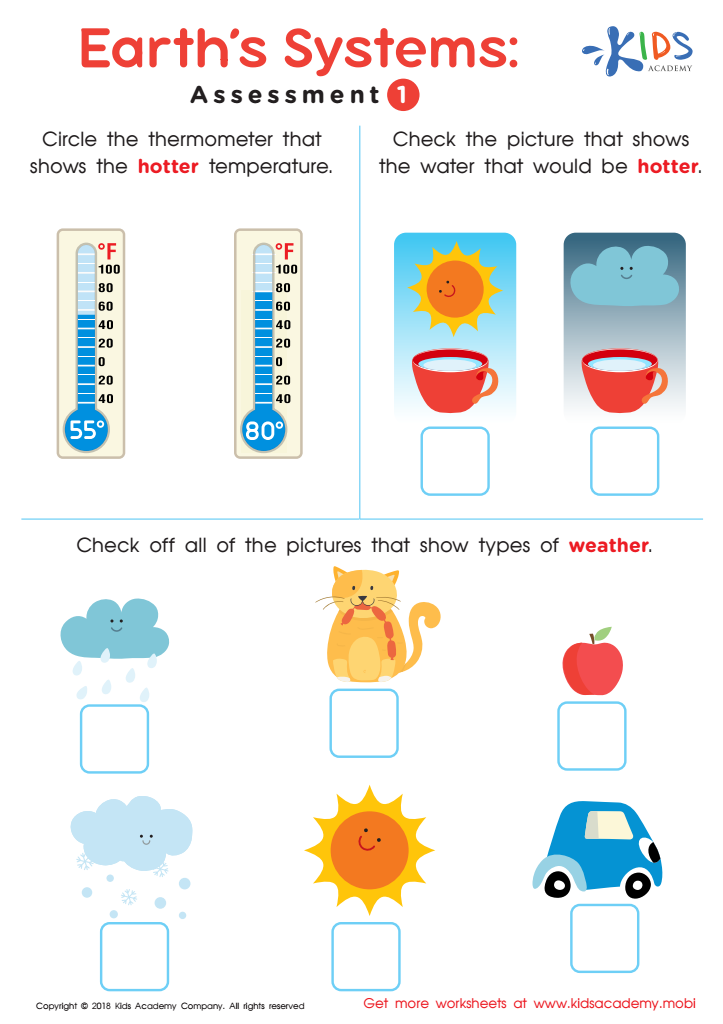
Earth's Systems: Assessment 1

Earth's Systems: Assessment 1

Check your child's knowledge of weather basics with this quick printable worksheet! Using colorful pictures, instruct them to determine which thermometer shows a hotter reading and if water would be warmer in the sun or under clouds. Encourage kids to identify types of weather on the bottom of the page. Assess their readiness to move on!
Earth's Systems: Assessment 1
Worksheet
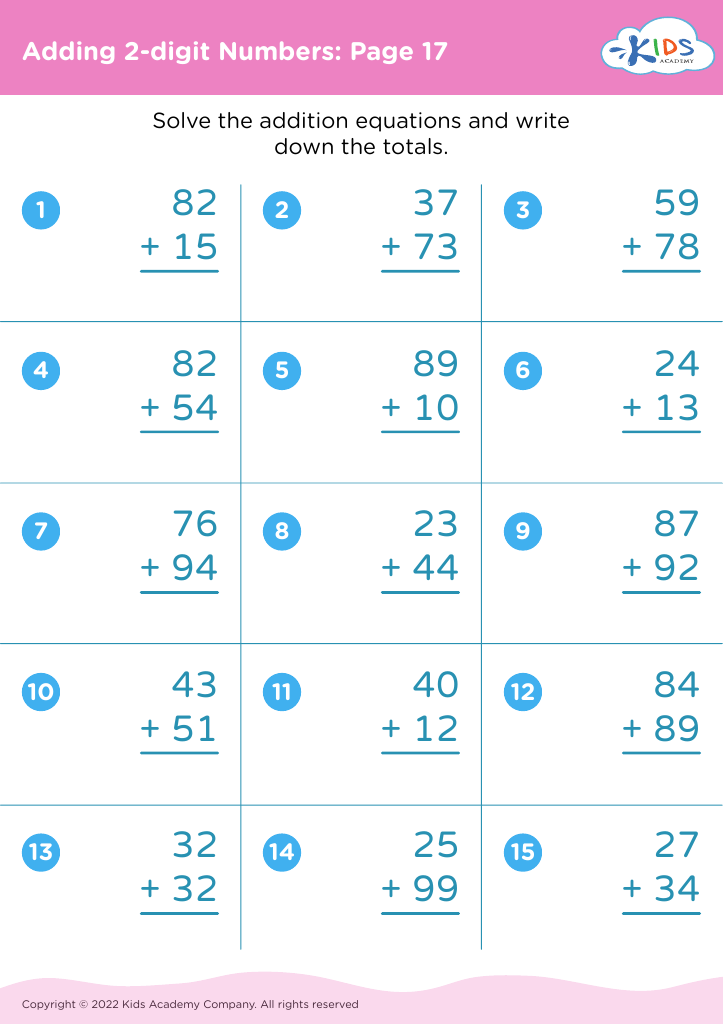
Adding 2-digit Numbers: Page 17

Adding 2-digit Numbers: Page 17

Adding 2-digit Numbers: Page 17
Worksheet


Identifying shapes is a fundamental skill that plays a crucial role in the cognitive and developmental growth of children aged 6 to 9. Parents and teachers should care about this skill for several reasons:

First, recognizing shapes helps children develop critical thinking and problem-solving abilities. By understanding the properties and classifications of different shapes, children are encouraged to observe their environment, promoting analytical skills essential in all areas of learning.

Second, shapes are foundational in mathematics, which becomes increasingly complex as children progress in their education. Knowledge of geometry supports students in understanding spatial relationships, measurement, and eventually more advanced mathematical concepts.

Furthermore, identifying shapes is linked to sensory and motor skills. Hands-on activities, such as drawing or constructing shapes, enhance fine motor abilities while making the learning experience engaging and enjoyable.

Additionally, shapes have cultural relevance and can be found in architecture, art, and nature, providing opportunities for children to engage with their surroundings, fostering creativity and appreciation for the world around them.

In summary, promoting shape identification not only supports academic growth but also encourages valuable life skills, ensuring children are well-equipped for future challenges. Parents and teachers play a vital role in this developmental aspect, making it crucial for them to prioritize this skill.