Introduce your child to a world of fun learning with our Knowledge Application Worksheets for Ages 6-9. Designed to engage young minds, these worksheets cover various subjects, encouraging creative thinking and problem-solving skills. Our collection includes activities for math, reading, science, and more, all creatively crafted to make learning an enjoyable adventure. Each worksheet promotes hands-on experiences, ensuring knowledge is not just learned but applied. Ideal for homeschooling or supplemental practice, Kids Academy's worksheets are perfect for fostering a love for learning and helping your child achieve academic success. Get started today to ignite curiosity and inspire education!

Check out this FREE "Knowledge application" Trial Lesson for age 6-9!

Science Topic

Favorites
With answer key
Interactive
  • 6-9
  • Knowledge application
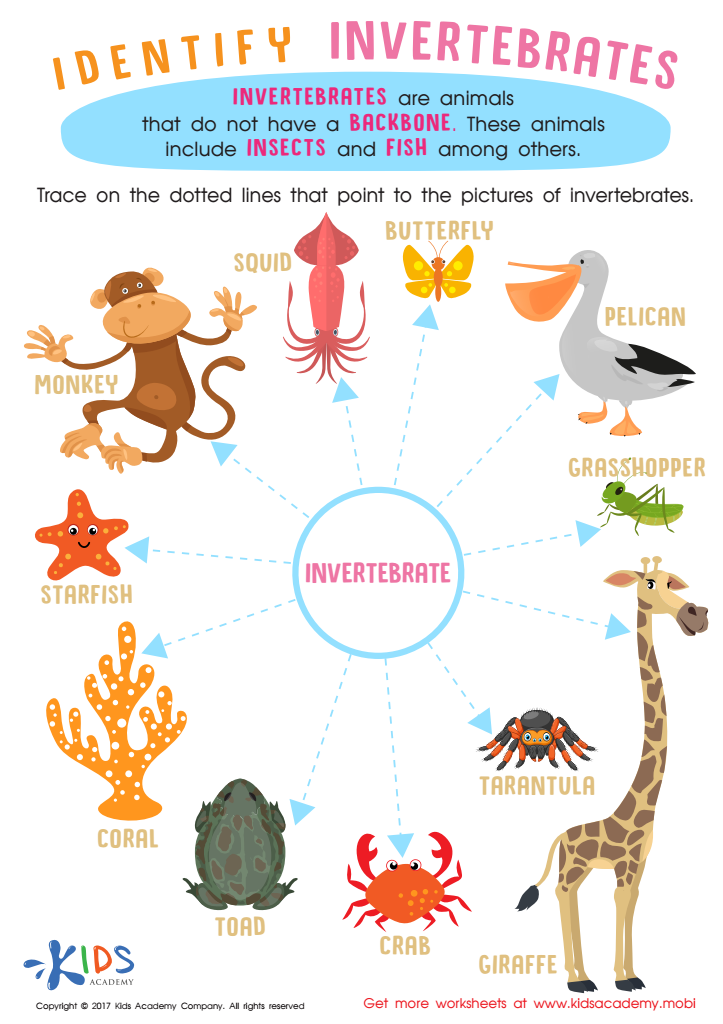
Invertebrates Worksheet for Grade 3

Invertebrates Worksheet for Grade 3

Kids explore the world of invertebrates with this worksheet for grade 3. Invertebrates are animals without a backbone, such as fish and insects. Kids must identify and select them from a group of animals. This activity is sure to stimulate their curiosity and help them discover more about these remarkable creatures.
Invertebrates Worksheet for Grade 3
Worksheet
Groups of Fossils Worksheet

Groups of Fossils Worksheet

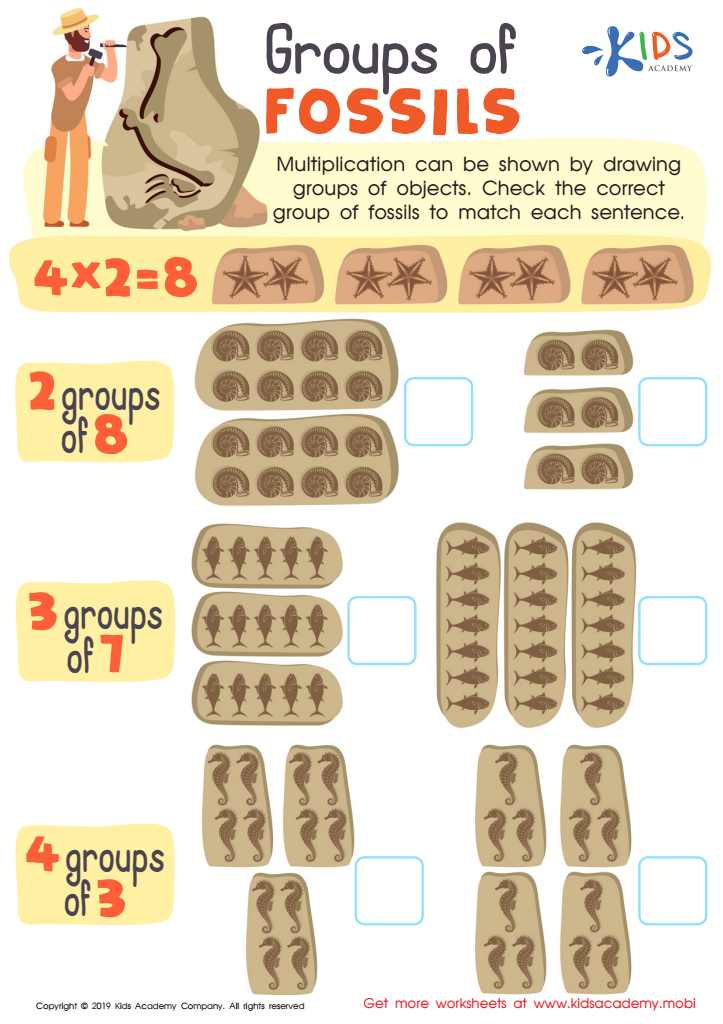
Kids need to learn multiplication after mastering addition and subtraction. To make it fun, use worksheets like this one. Have kids draw objects to match each sentence - this helps them understand multiplication better. With this approach, they'll be sure to learn the concepts.
Groups of Fossils Worksheet
Worksheet
Repel and attract magnet worksheet

Repel and Attract Magnet Worksheet
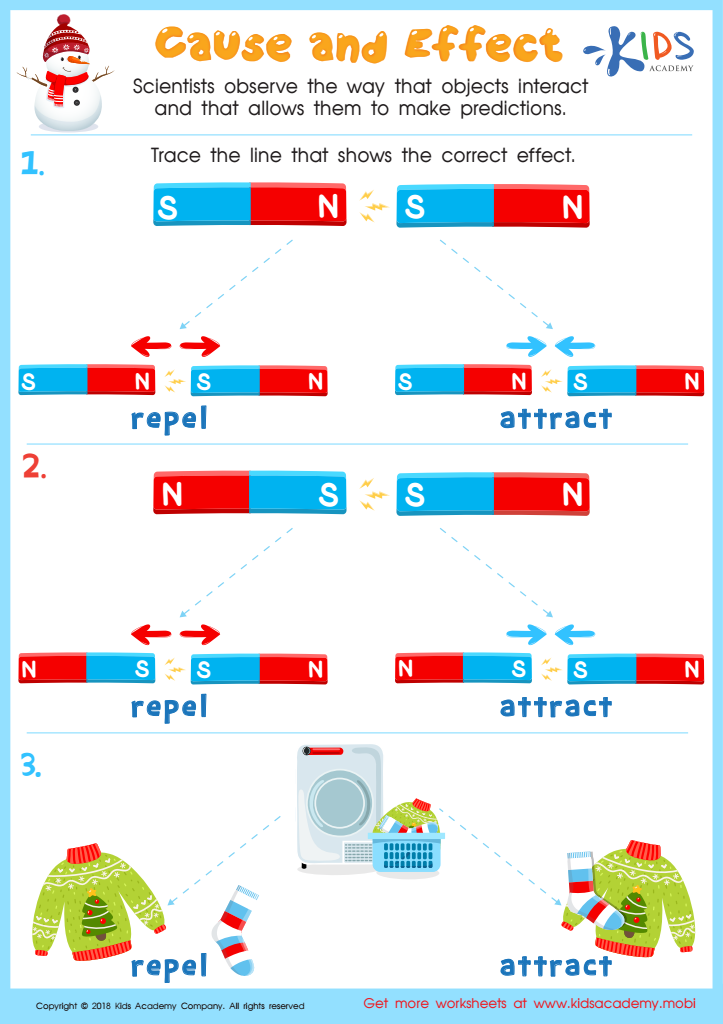
Opposites attract in magnetism! Try this magnet worksheet to review the laws. Draw a line to show the effect when poles align. Then explore static electricity, and how it affects clothes at home.
Repel and Attract Magnet Worksheet
Worksheet
Earth and Human Activity: Assessment 2 Worksheet

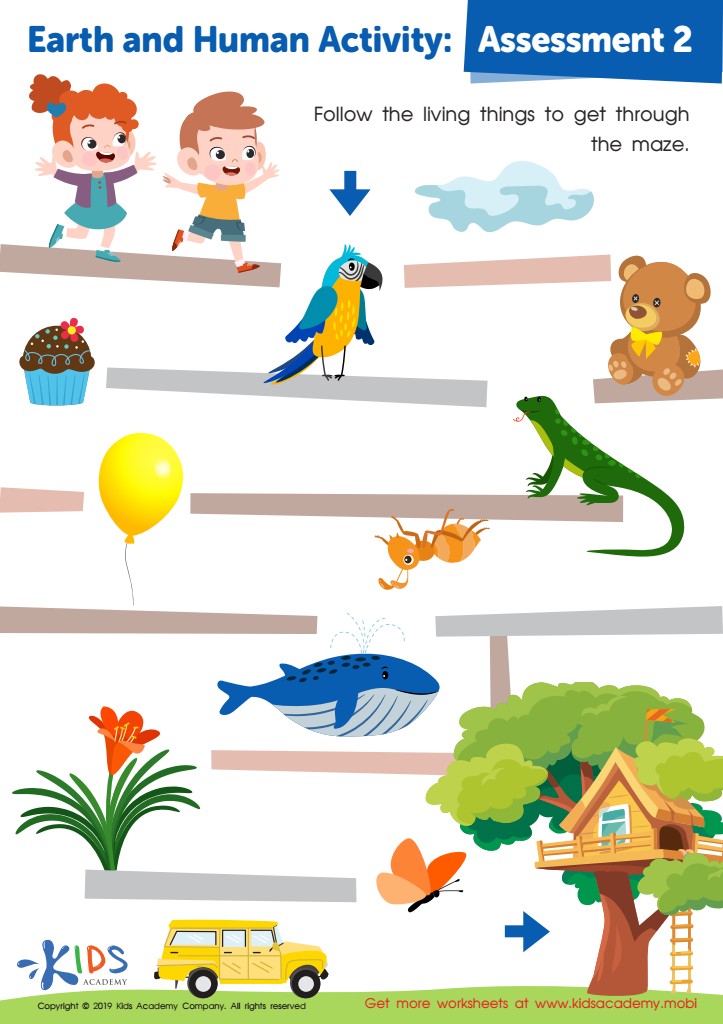
Earth and Human Activity: Assessment 2 Worksheet

Earth is alive with birds, trees, insects, and animals. Explain to your kids that the environment on Earth supports life. Ask for examples, then use the worksheet pictures to help them identify living things and complete the maze.
Earth and Human Activity: Assessment 2 Worksheet
Worksheet
What Are Solids? Worksheet

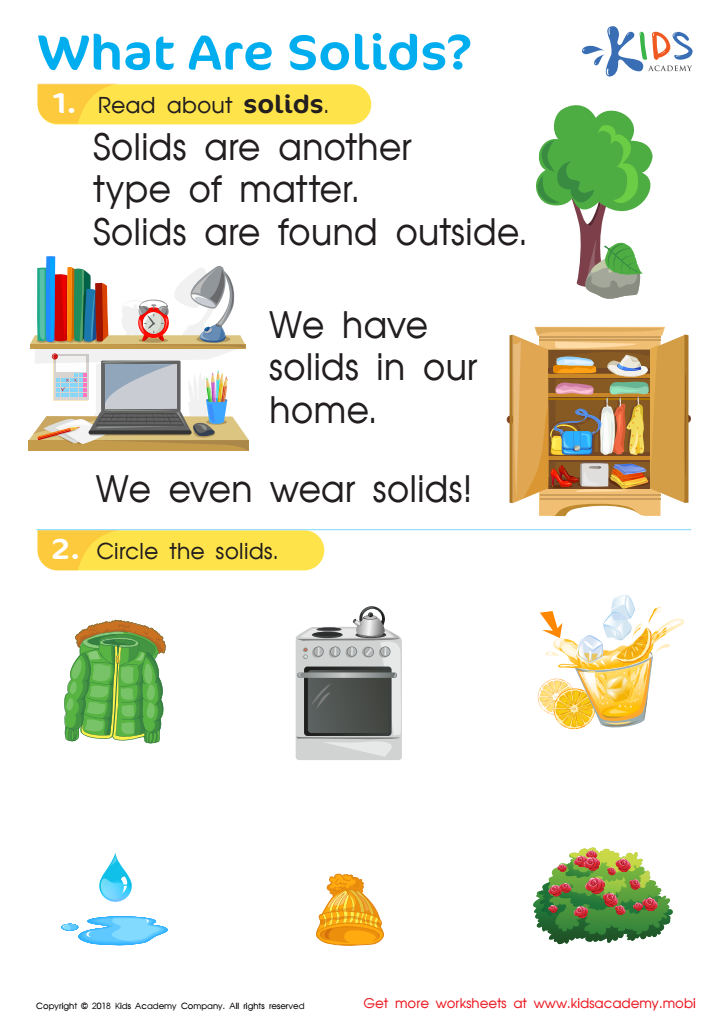
What Are Solids? Worksheet

Help your kids understand matter's three forms - solid, liquid, and gas - with examples. Ask them to give their own and where to find them. Then, read and discuss the worksheet's facts about solids. Afterward, have them circle the solids among the provided objects.
What Are Solids? Worksheet
Worksheet
Moon Phases Worksheet

Moon Phases Worksheet

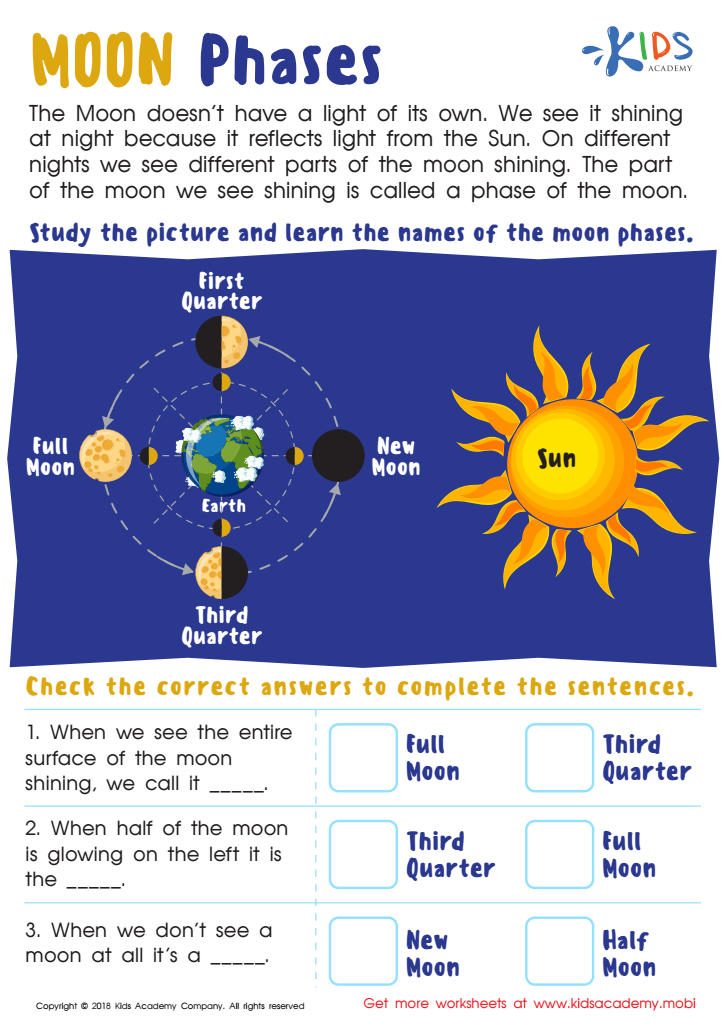
Gaze up at the night sky and the moon's appearance may change from night to night. Encourage your child to learn more about the sun, the moon, and space with this science worksheet. Have them read the text then study the picture. Finally, read the sentences and check the answers to identify the moon's phases.
Moon Phases Worksheet
Worksheet
Energy sources worksheet PDF

Energy Sources Printable

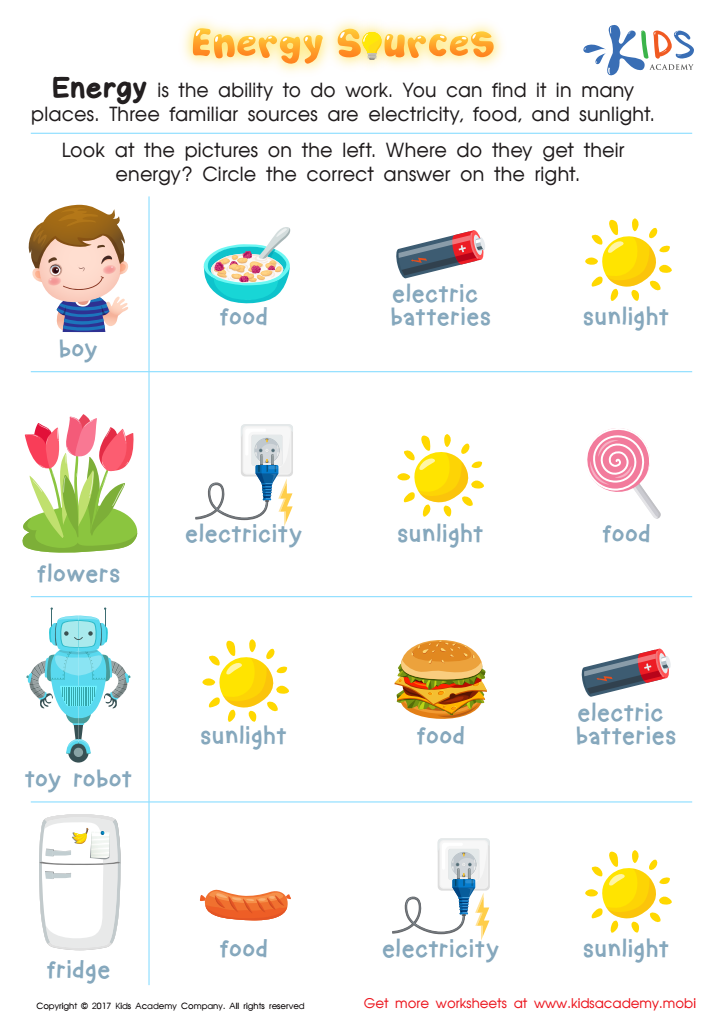
Introduce energy sources with this worksheet PDF — explore the sun, batteries, and more! Get your mini scientist excited about energy and power up their learning.
Energy Sources Printable
Worksheet


Caring about knowledge application for children ages 6-9 is crucial because it lays the foundation for effective learning and real-world problem-solving. At this stage, kids transition from concrete to more abstract thinking, and applying knowledge reinforces their understanding of key concepts. This practical use of knowledge helps internalize what they've learned, making it stick better compared to rote learning.

Parents and teachers should emphasize knowledge application because it nurtures critical thinking skills. When children use what they’ve learned to solve real problems, they develop reasoning abilities and learn how to make connections between different pieces of information. This, in turn, fosters creativity and innovation, as students start thinking outside the box to find solutions.

Moreover, applying knowledge builds confidence and independence in young learners. They feel a sense of accomplishment when they can successfully use what they know in everyday situations, whether it's measuring ingredients for a recipe (math skills) or identifying plants on a nature walk (science knowledge).

Finally, this practice supports lifelong learning and curiosity. When children see the relevance of their lessons to the world around them, it sparks an intrinsic motivation to learn. Therefore, parents and teachers must prioritize knowledge application to help children build a solid, enduring foundation for all future learning endeavors.