
Learn new vocabulary Worksheets for Ages 6-9
4 filtered results
Difficulty Level
Grade
Age
-
From - To
Subject
Activity
Standards
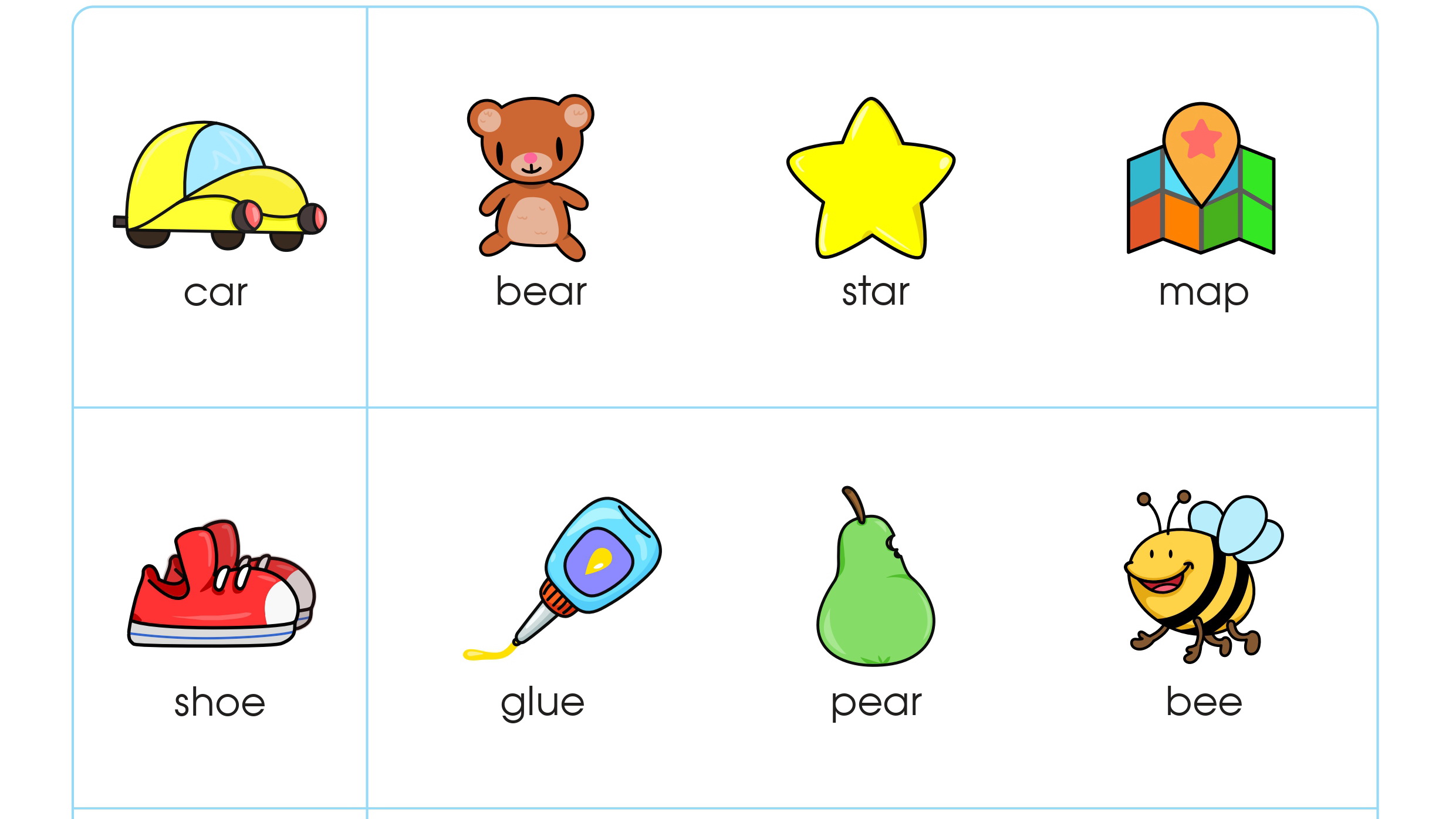
Enhance your child’s linguistic abilities with our "Learn New Vocabulary Worksheets for Ages 6-9." Designed to make language learning fun and engaging, these worksheets offer a variety of activities that help kids discover and remember new words. From colorful illustrations to interactive exercises, our resources support different learning styles and boost confidence in reading and writing. Children will improve their comprehension, spelling, and word usage, setting a solid foundation for academic success. Ideal for use at home or in the classroom, our printable worksheets make gaining new vocabulary an enjoyable experience. Try them today and watch young minds flourish!
Favorites
With answer key
Interactive
Join Kids Academy for Free
Who is primarily going to use this learning content?







Parents and teachers should care about helping children ages 6-9 learn new vocabulary because it forms the foundation for effective communication, critical thinking, and academic success. During these formative years, children's brains are highly receptive, making it an ideal period for vocabulary acquisition. Rich vocabulary enables children to better understand instructions, stories, and concepts, enhancing both listening and reading comprehension skills.
A robust vocabulary also lays the groundwork for writing proficiency. When children can express their thoughts clearly and accurately, they perform better in school assignments and standardized tests. Moreover, new words foster curiosity and a love for learning. Encountering and mastering unfamiliar terms can boost children’s confidence and motivate them to delve into more complex texts and subjects.
Socially, a wide vocabulary helps children convey their feelings and ideas more effectively, improving peer interactions and relationships. It equips them to navigate diverse social settings, express empathy, and engage in meaningful conversations.
Moreover, vocabulary enrichment activities can be enjoyable and bonding experiences for families and classrooms. Interactive games, reading sessions, and storytelling not only enhance vocabulary but also strengthen the relationship between the child and the caregiver. Therefore, focusing on vocabulary development aligns with cognitive growth and well-being while fostering lifelong learning skills.








