
Learning scientific vocabulary Worksheets for Ages 6-9
3 filtered results
Difficulty Level
Grade
Age
-
From - To
Subject
Activity
Standards
Unlock your child's potential with our “Learning Scientific Vocabulary Worksheets” designed for ages 6-9! These engaging and interactive worksheets help young learners explore essential scientific terms through fun activities and illustrations. Tailored to support early educational goals, each worksheet introduces kids to vocabulary related to nature, biology, physics, and more. As they work through colorful exercises, they'll develop a strong foundation in science while enhancing their reading and comprehension skills. Perfect for homeschooling or enrichment in the classroom, these worksheets make learning science enjoyable and accessible. Equip your child with the vocabulary skills necessary for future academic success today!
Favorites
With answer key
Interactive
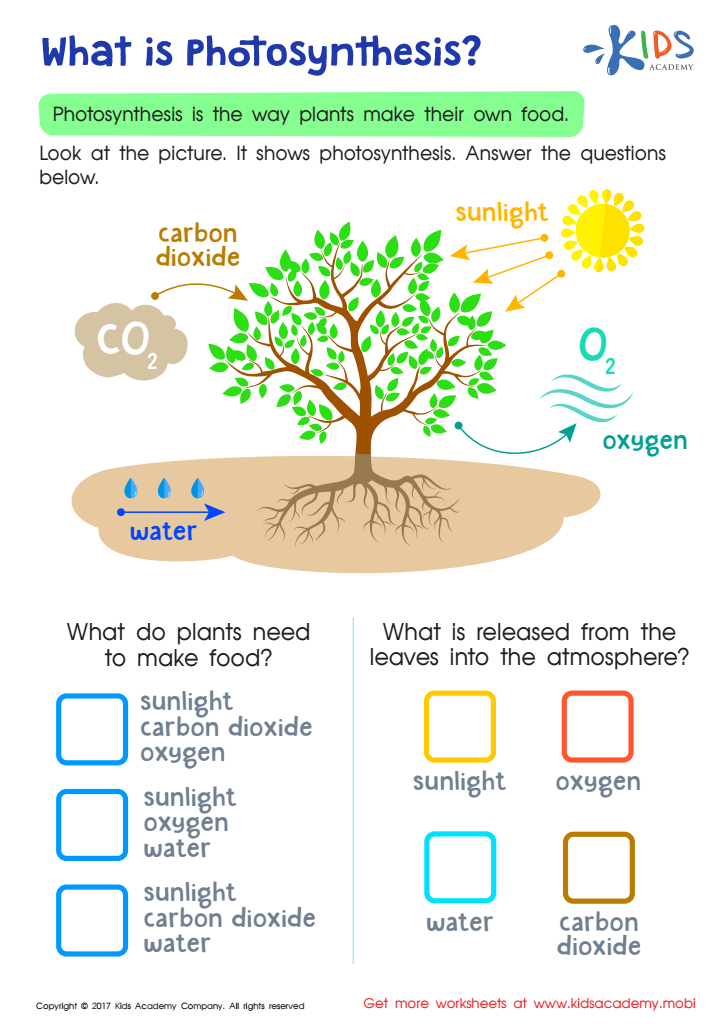
What is Photosynthesis Printable
Plants need to eat too; they make their own food from the air. Introduce them to photosynthesis with this fun worksheet!
 Assign to My Students
What is Photosynthesis Printable
Worksheet
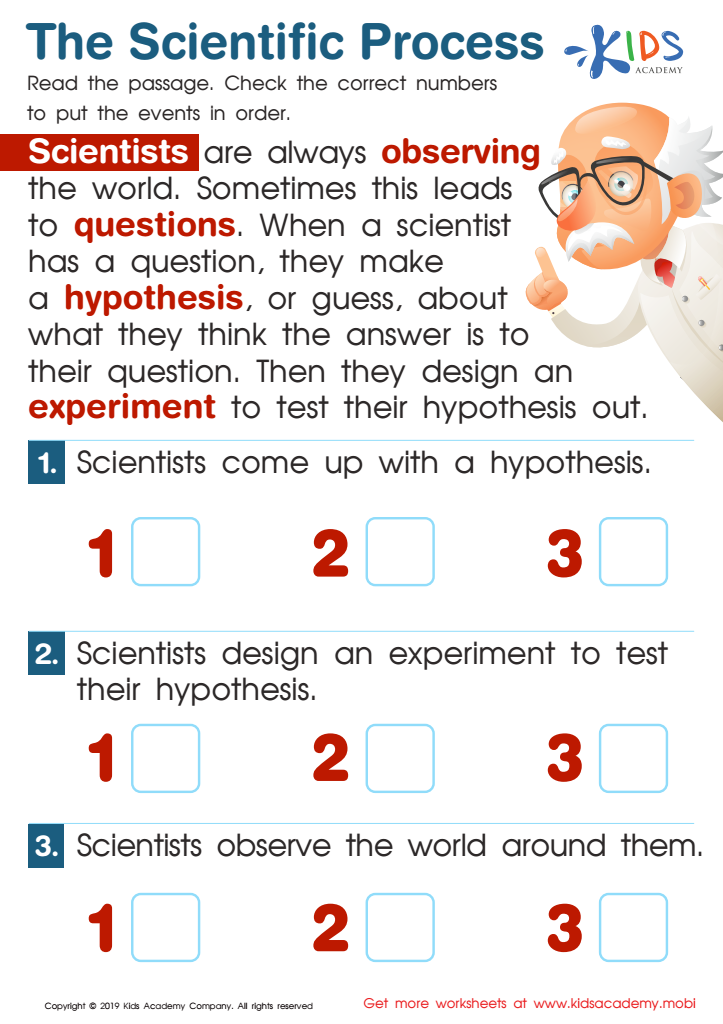
The Scientific Process Worksheet
Help your kids read the passage, then ask them to explain what they've learnt. Ask the questions and help put the events in order. Through this worksheet, your kids will learn more about science and practice reading skills. It's a fun way to explore science! (80 words)
The Scientific Process Worksheet
Worksheet
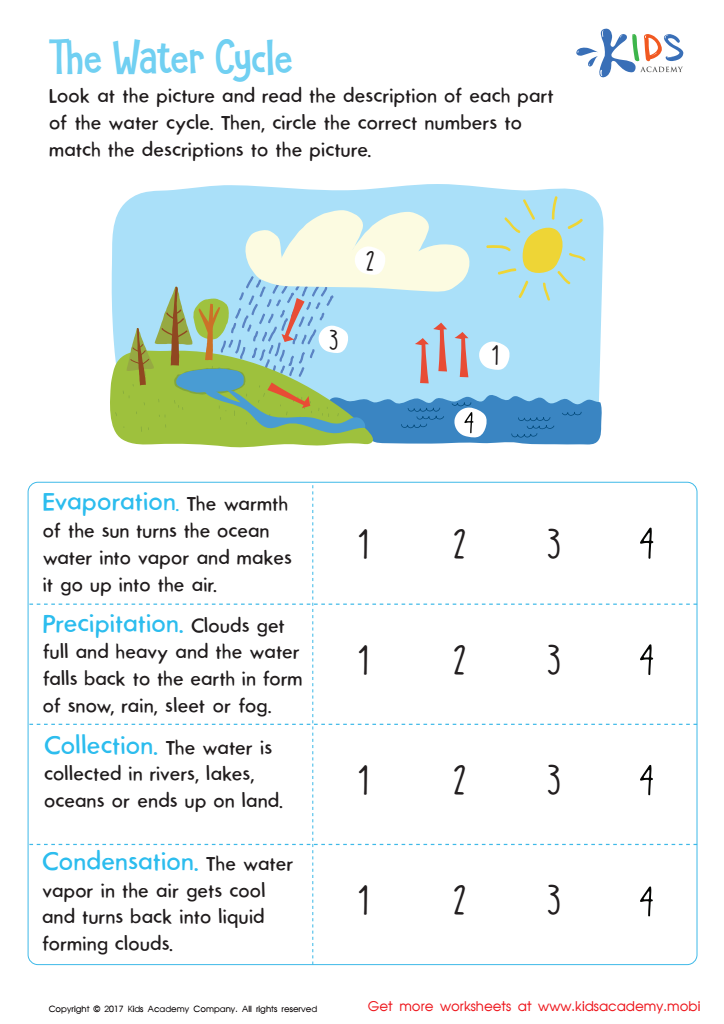
The Water Cycle Worksheet
Kids love science because it sparks their curiosity, so use this worksheet to introduce them to earth science and build a strong foundation for future learning.
The Water Cycle Worksheet
Worksheet
Learning Skills
Join Kids Academy for Free
Who is primarily going to use this learning content?







Learning scientific vocabulary is crucial for children aged 6-9, as it lays a foundational understanding of the world around them. During these formative years, children are naturally curious and eager to explore various subjects, including science. By building a robust scientific vocabulary, they are better equipped to comprehend key concepts, ask questions, and engage in discussions about their discoveries.
Parents and teachers should prioritize this vocabulary development, as it fosters critical thinking and curiosity. When children understand scientific terms, they can connect observations to concepts, making learning more meaningful and applicable. Additionally, a strong vocabulary boosts their reading comprehension and enhances their ability to communicate insights effectively.
Furthermore, exposure to scientific vocabulary in early education encourages a lifelong interest in science and related fields, potentially influencing future academic and career choices. It also aids in aligning with educational standards, as many curricula emphasize the importance of scientific literacy. By encouraging the acquisition of scientific vocabulary, parents and teachers empower children to become informed, thoughtful, and engaged citizens in a rapidly evolving world where scientific knowledge plays a vital role in everyday decision-making.








