Letter-sound association Worksheets for Ages 6-9
12 filtered results
-
From - To
Explore our engaging Letter-Sound Association Worksheets designed for children ages 6-9! These worksheets are perfect for reinforcing essential phonics skills, helping young learners connect letters with their corresponding sounds. Each activity is crafted to make learning fun and interactive, featuring colorful illustrations and relatable examples to enhance understanding. From matching letters to sounds, to completing words, these exercises promote early literacy and boost confidence in reading. Ideal for classroom use or at-home learning, our worksheets ensure that children build a strong foundation in language, paving the way for future academic success. Start their reading journey today with our fun, educational resources!
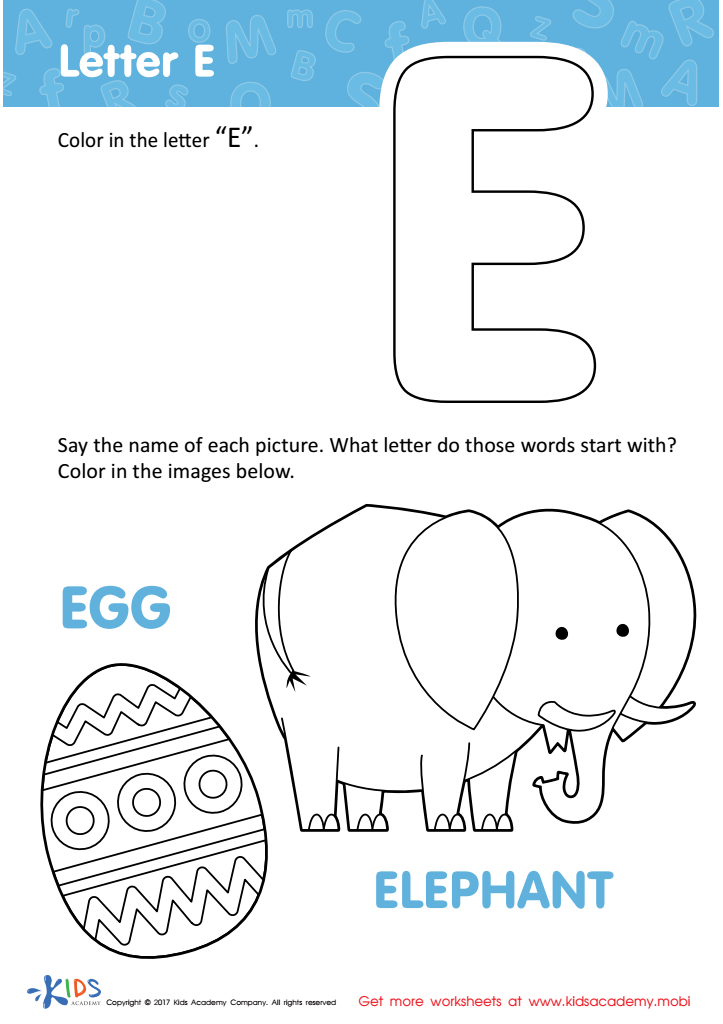
Letter E Coloring Sheet
 Assign to My Students
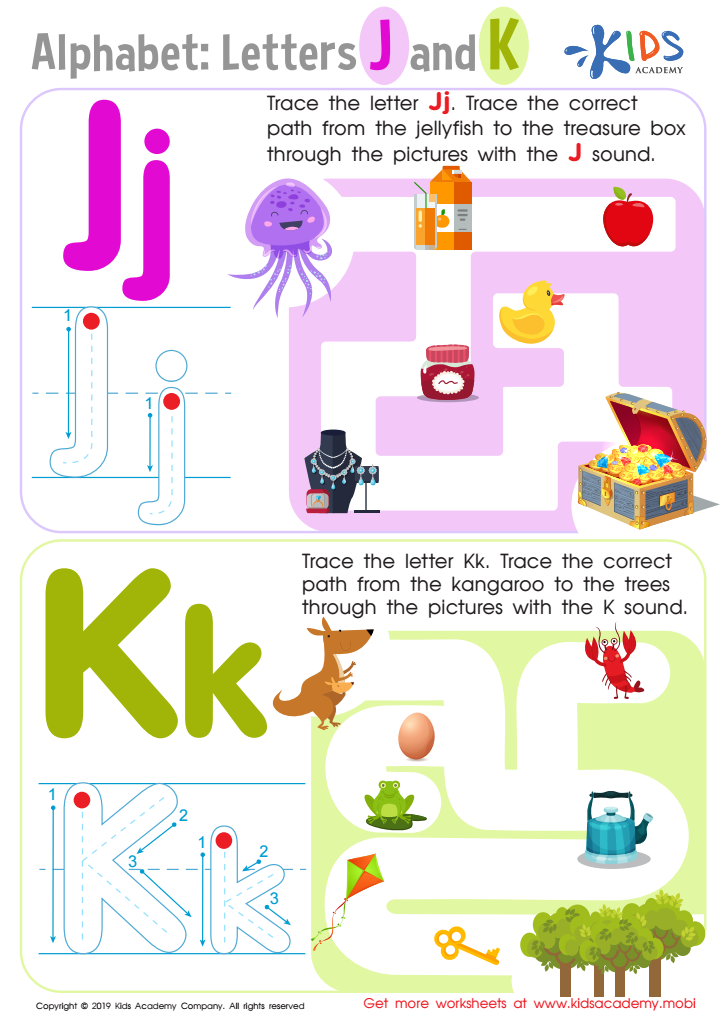
Letters J and K Tracing Worksheet
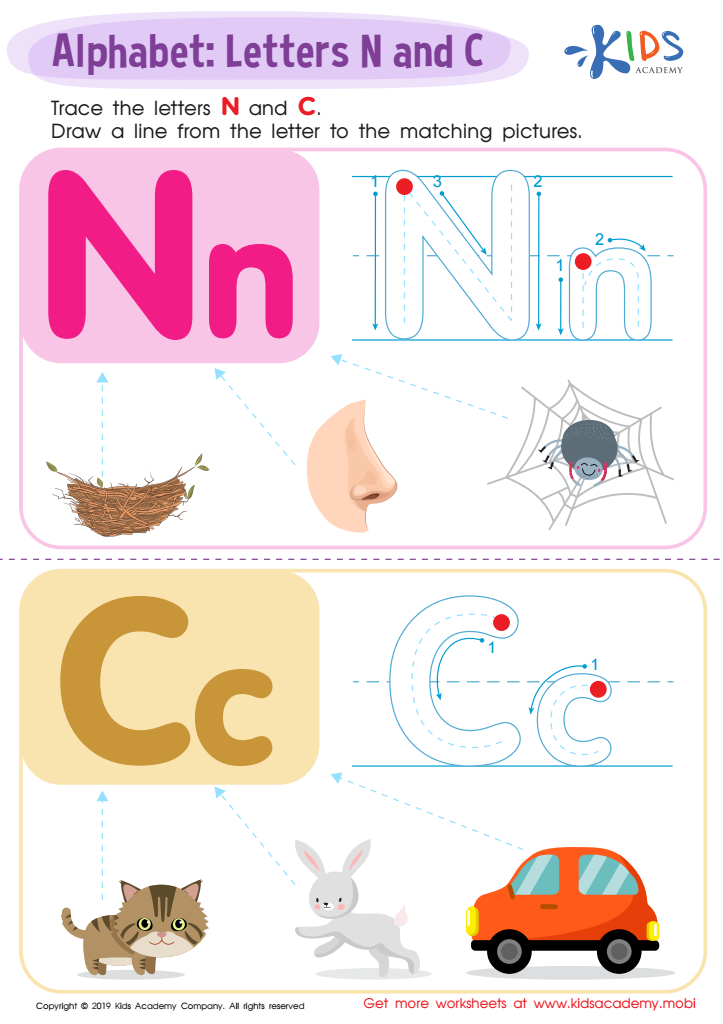
Letter N and C Tracing Worksheet
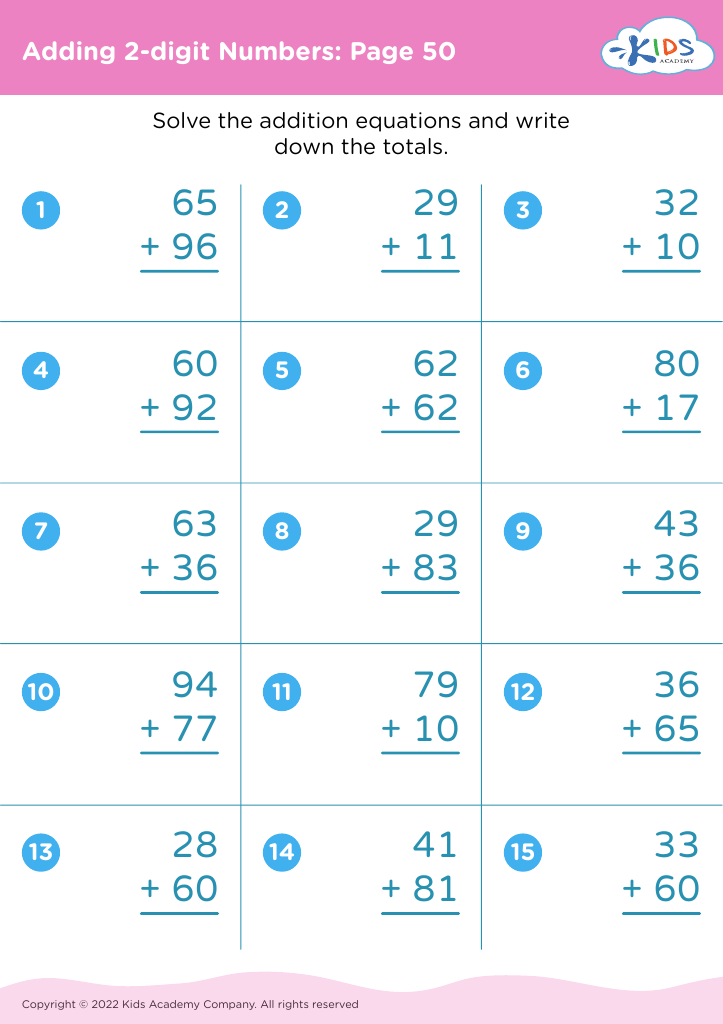
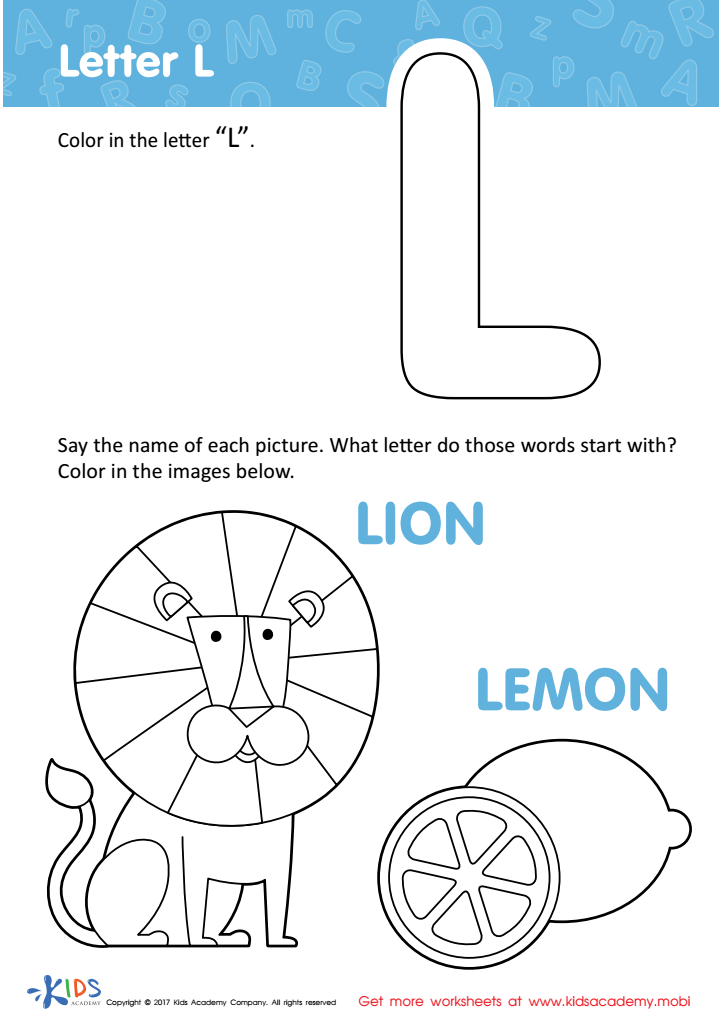
Letter L Coloring Sheet
Assign to My Students
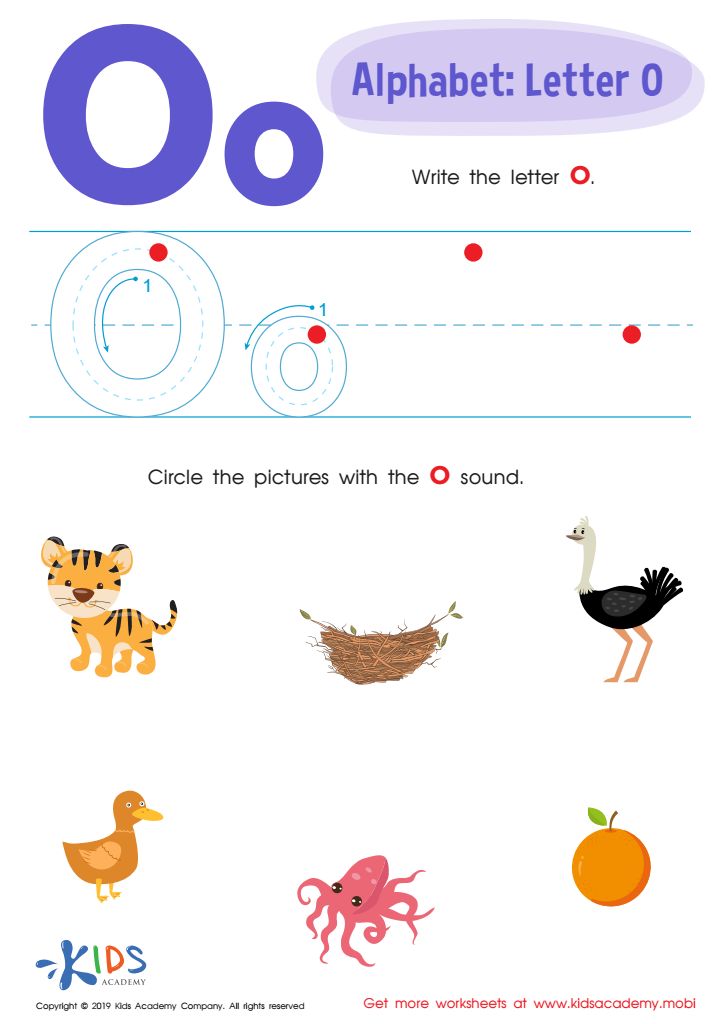
Letter O Tracing Worksheet
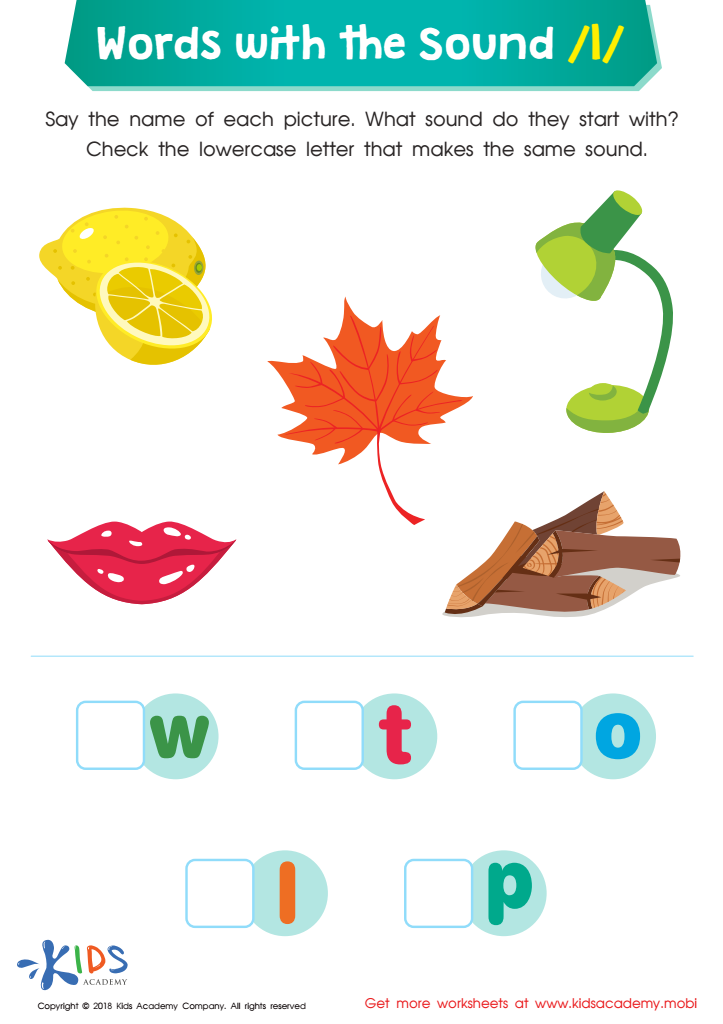
Words with Sound L Reading Worksheet
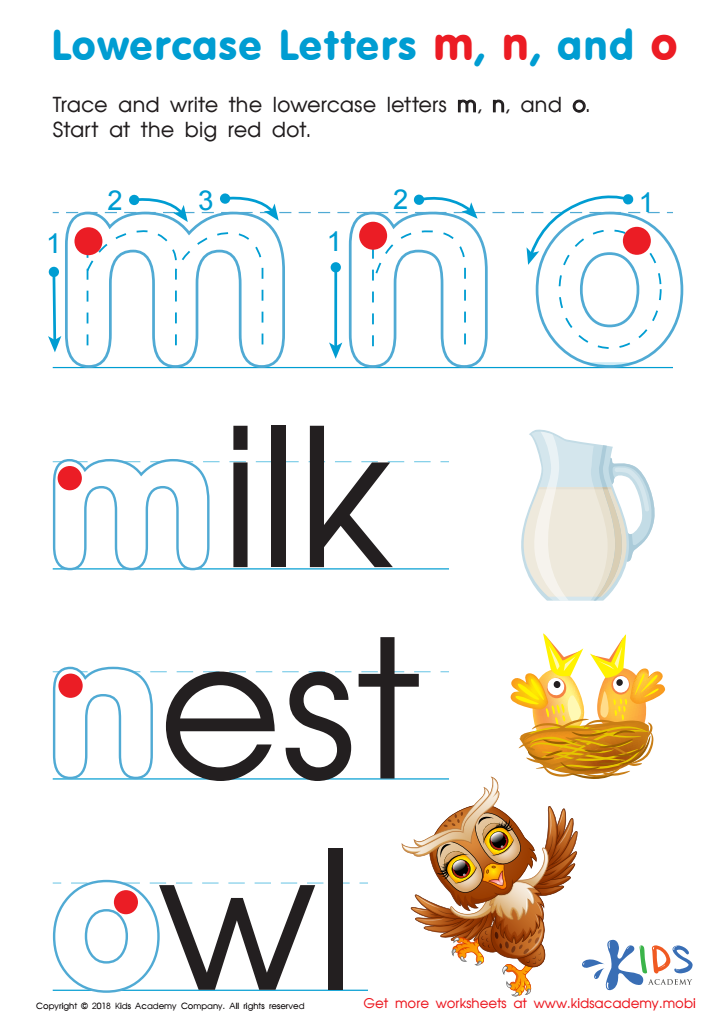
Lowercase Letters m n o Worksheet
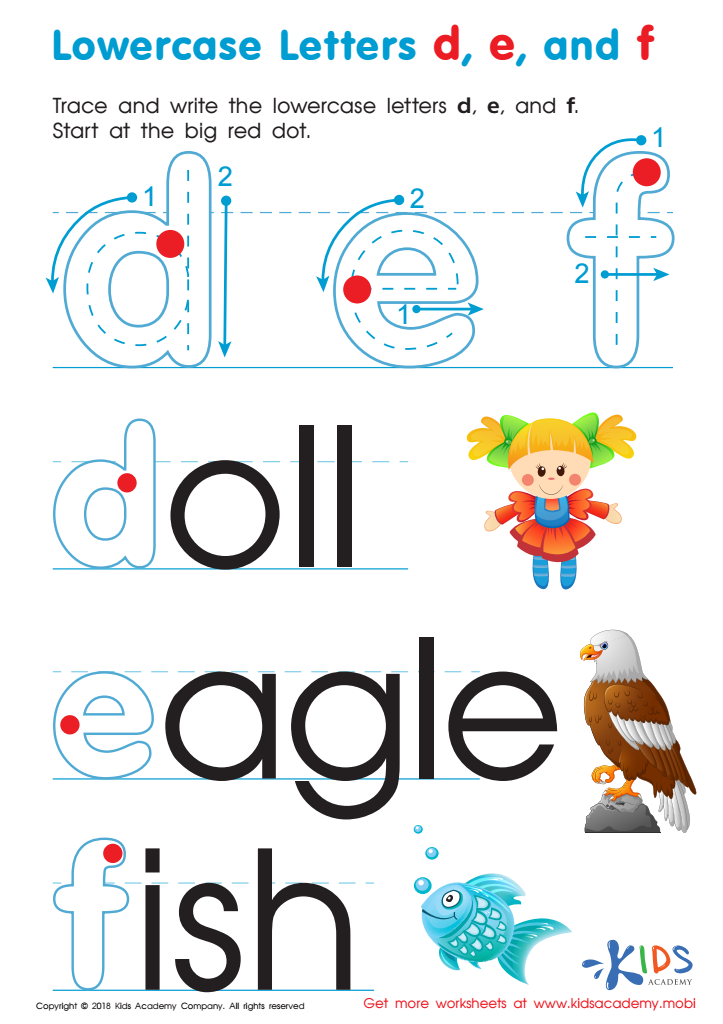
Lowercase Letters d e f Worksheet
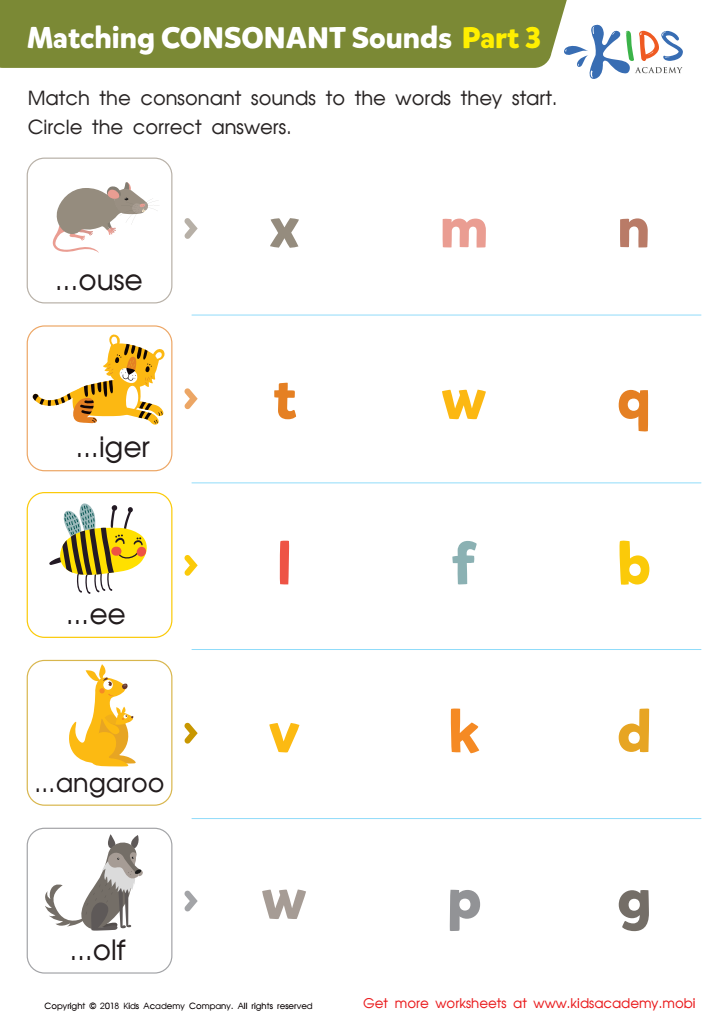
Matching Consonant Sounds: Part 3 Worksheet
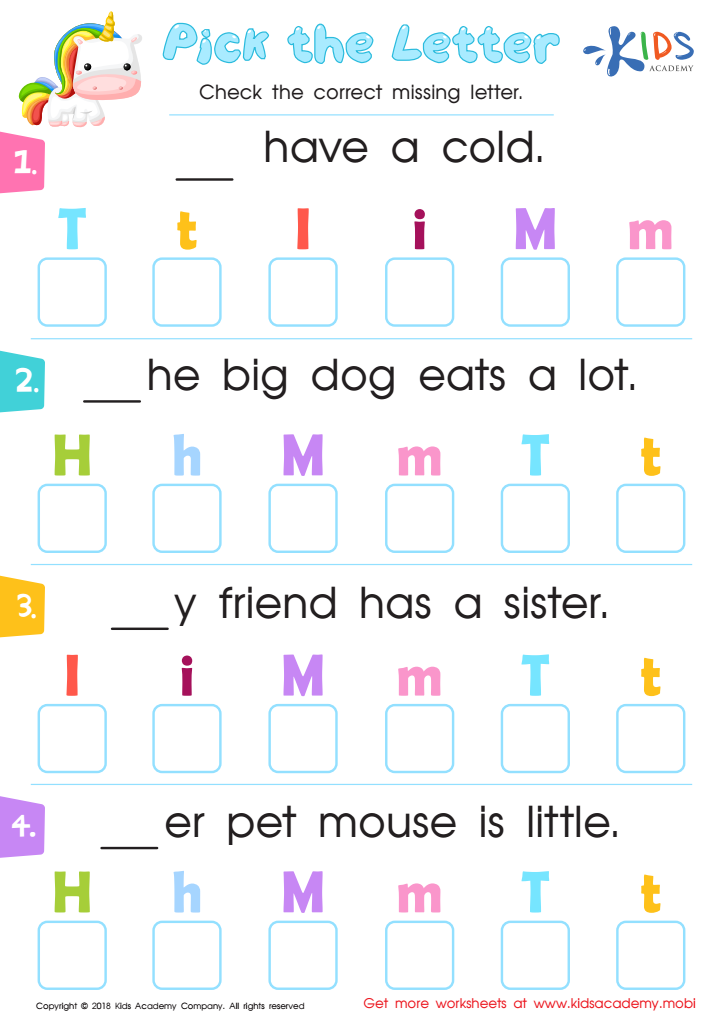
Pick the Letter Worksheet
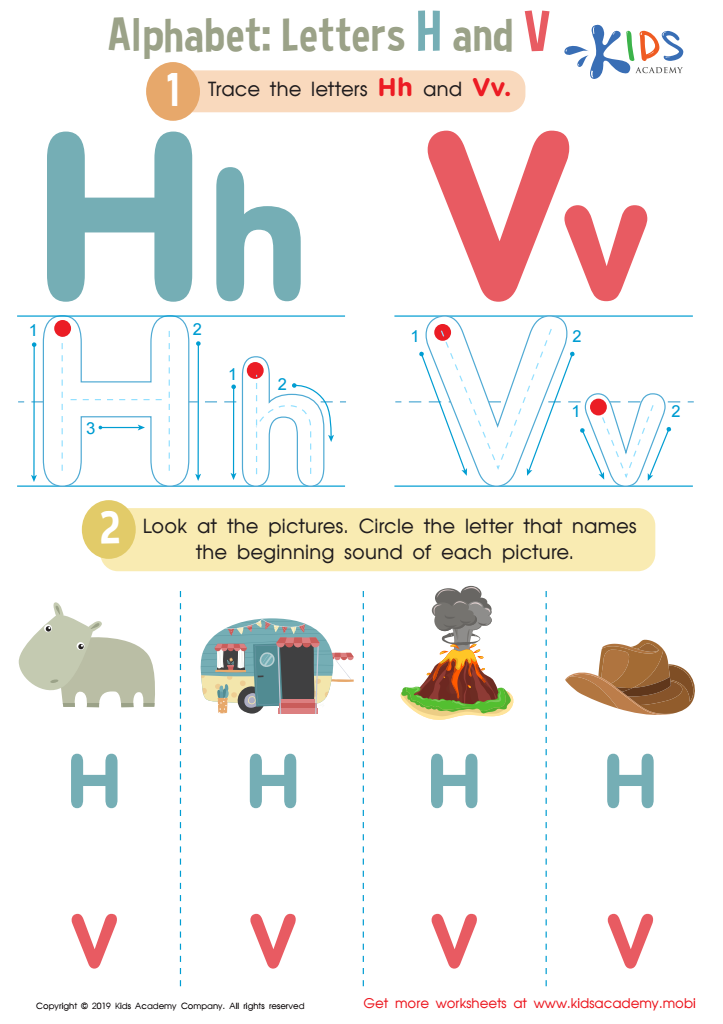
Letters H and V Tracing Worksheet








Letter-sound association is crucial for children aged 6-9, as it forms the foundation for language and literacy development. At this age, children are transitioning from learning the alphabet to reading and writing independently. Understanding the connection between letters and their corresponding sounds empowers children to decode words, promoting more fluid reading skills and encouraging a love for literature.
Parents and teachers should care about this association because it directly impacts a child's confidence and academic success. When children can confidently identify sounds, they can progress from sounding out words to comprehending them, which is vital for both reading and writing proficiency. Early struggles with letter-sound awareness can lead to ongoing difficulties in literacy, affecting overall performance in school and discouraging engagement with reading materials.
Moreover, strong letter-sound knowledge supports phonemic awareness, which is fundamental in developing advanced language skills, including spelling and vocabulary acquisition. By fostering this important skill early on, parents and teachers can provide children with the tools they need to thrive in their educational journey and beyond. Engaging activities and support in this area lead not only to academic achievements but also to lifelong learning and communication skills.








