Matching skills Worksheets for Ages 6-9 - Page 2
28 filtered results
-
From - To
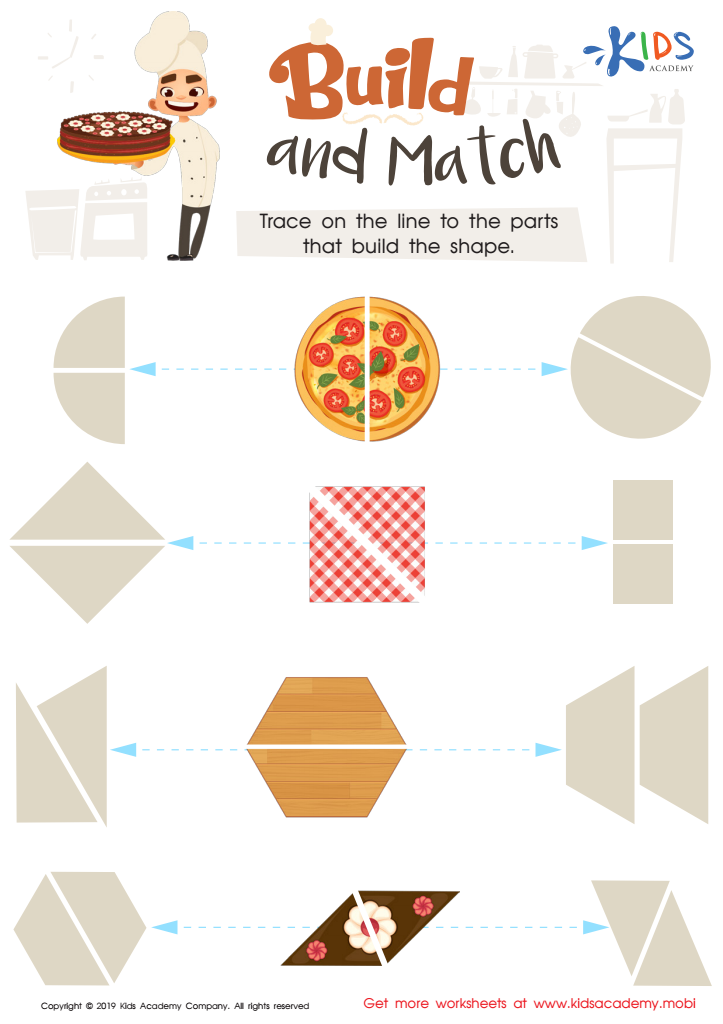
Build and Match Worksheet
 Assign to My Students
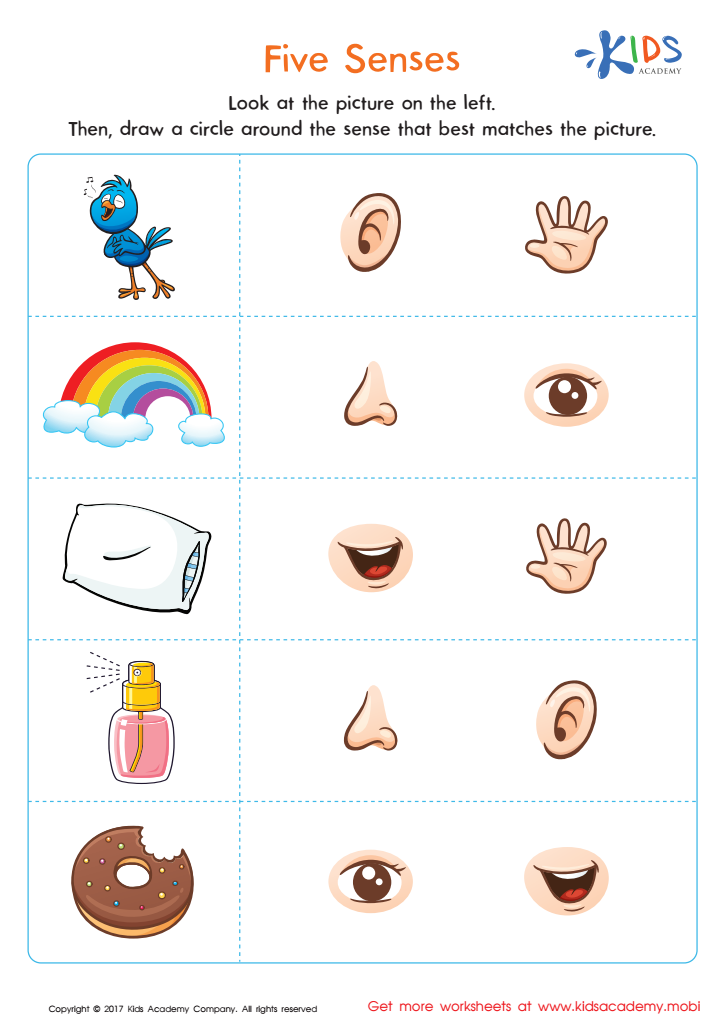
Five Senses Printable
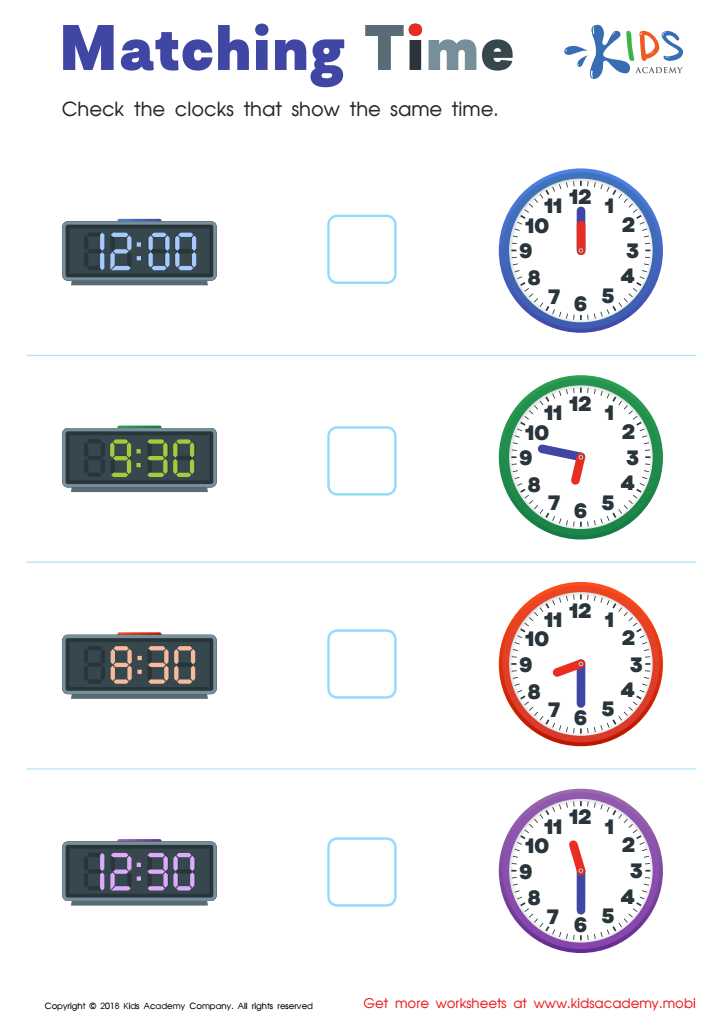
Matching Time Worksheet
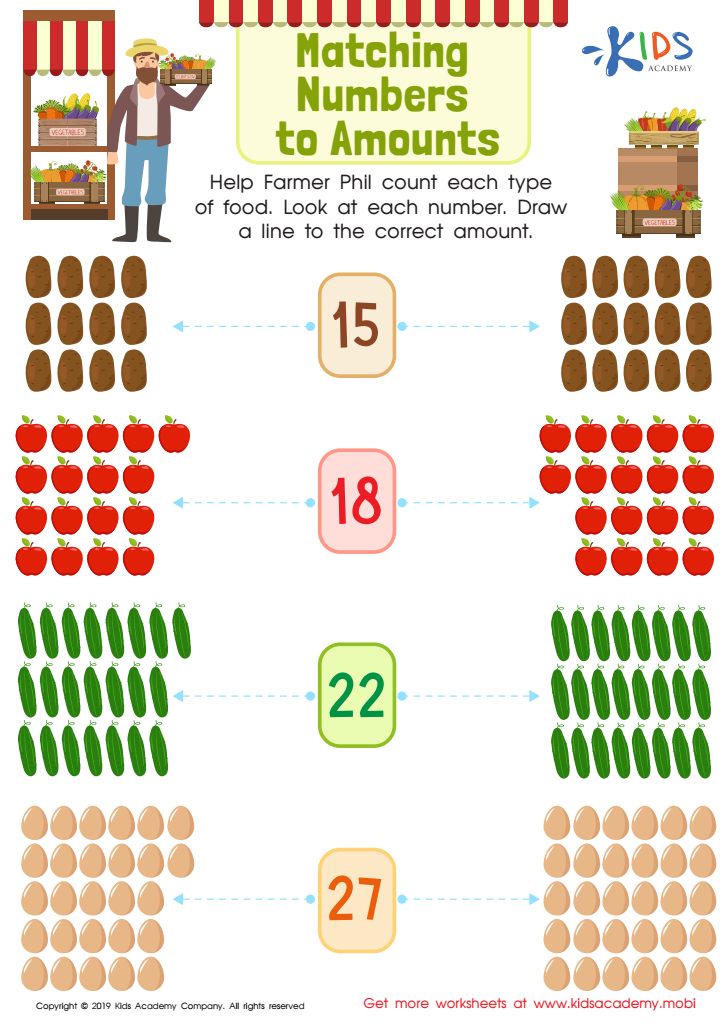
Matching Numbers to Amounts Worksheet



.jpg)
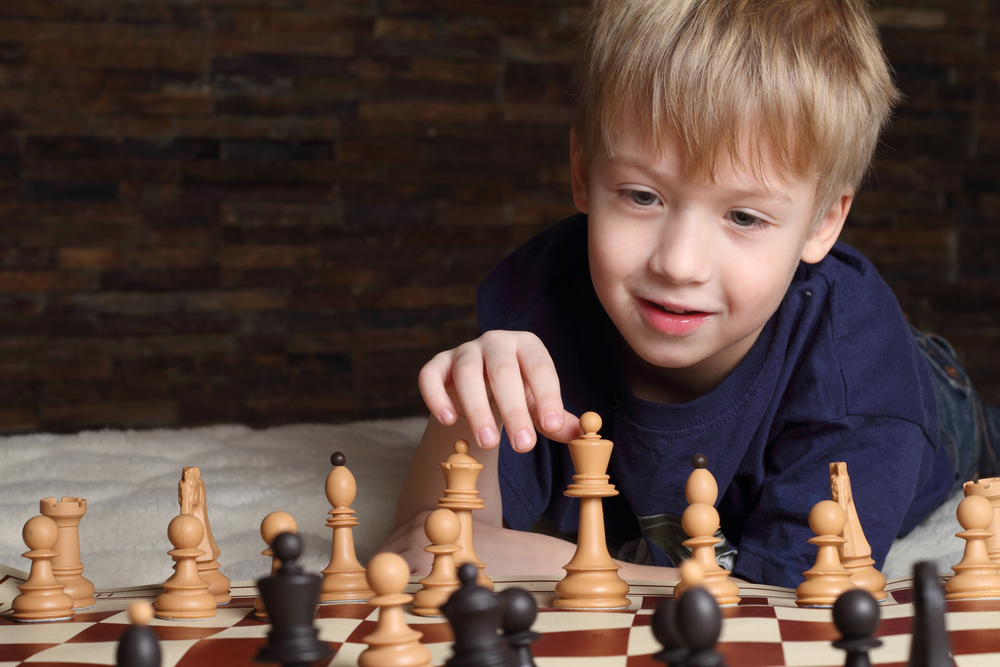



Matching skills are an essential component of a child’s cognitive and academic development, especially between the ages of 6 and 9. At this stage, children are transitioning from basic pre-math and pre-literacy activities to more complex concepts in reading, writing, math, and critical thinking.
These skills help in increasing attention to detail and enhancing concentration as children differentiate and relate various objects, shapes, colors, and patterns. This differentiation builds the foundation necessary for problem-solving and logical reasoning, both crucial for success in subjects like mathematics and science. For instance, math often involves recognizing number patterns, while scientific observation involves comparing and classifying objects.
Matching activities also foster memory and recall abilities because they engage children in repeated practice, reinforcing neural pathways in the brain. This repetition is important for young minds as it helps in the stable retention of information, which is beneficial for their overall academic progression.
Furthermore, these skills contribute significantly to literacy development. Recognizing letter shapes and associated sounds, matching words with pictures, and organizing sequences, all aid in a child’s reading fluency and comprehension.
Ultimately, honing matching skills offers a multifaceted approach to developmental learning that supports substantial intellectual growth and academic performance, making it crucial for parents and teachers to focus on and nurture these abilities in young children.








