Math skills improvement Worksheets for Ages 6-9
8 filtered results
-
From - To
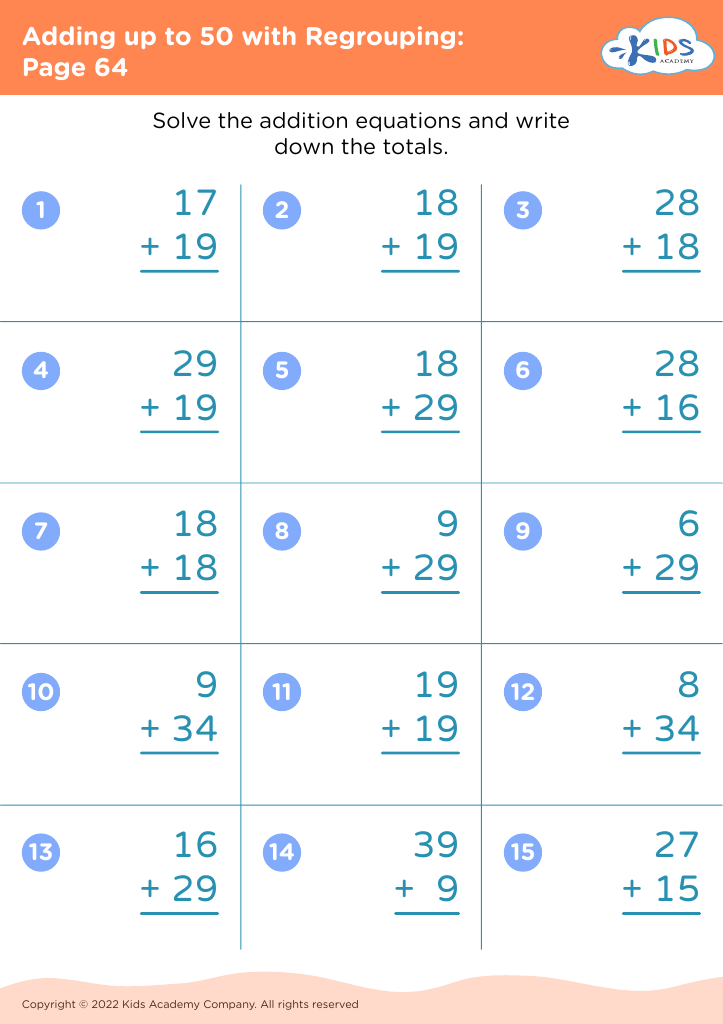
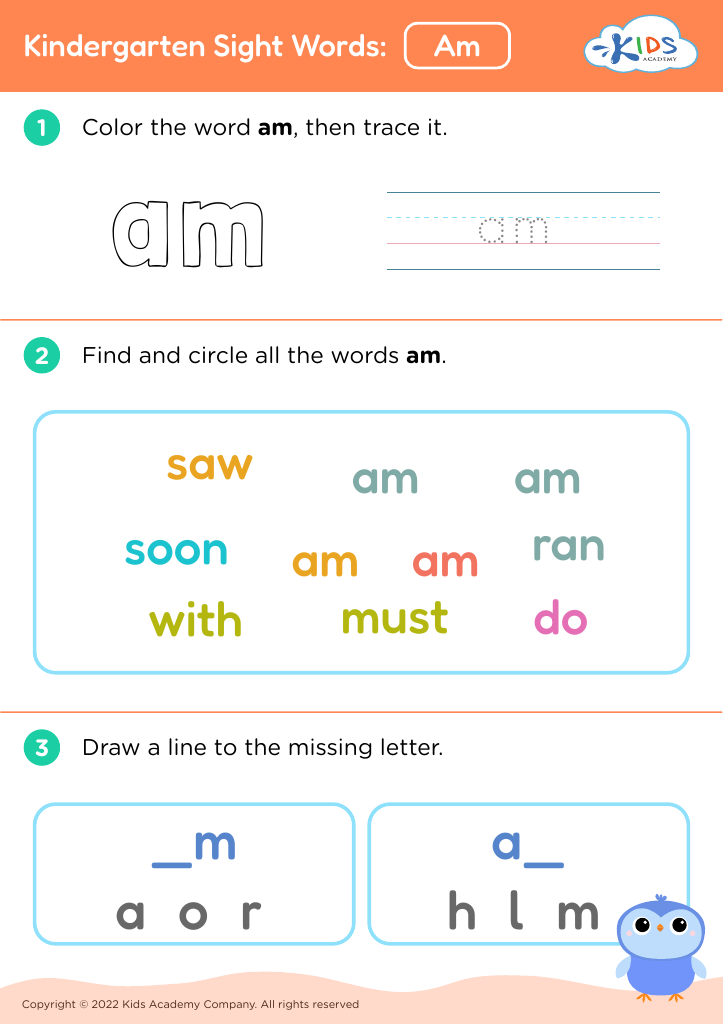
Boost your child's math skills with our engaging worksheets designed specifically for ages 6-9! Our comprehensive collection focuses on essential concepts such as addition, subtraction, counting, and basic problem-solving, ensuring your young learner builds a solid foundation in mathematics. With colorful illustrations and interactive exercises, these worksheets make learning fun and enjoyable. They're perfect for reinforcing classroom lessons or providing extra practice at home. Whether you're a parent or an educator, our math skills improvement worksheets cater to various learning styles and foster confidence in young mathematicians. Download and watch your child's skills grow today!
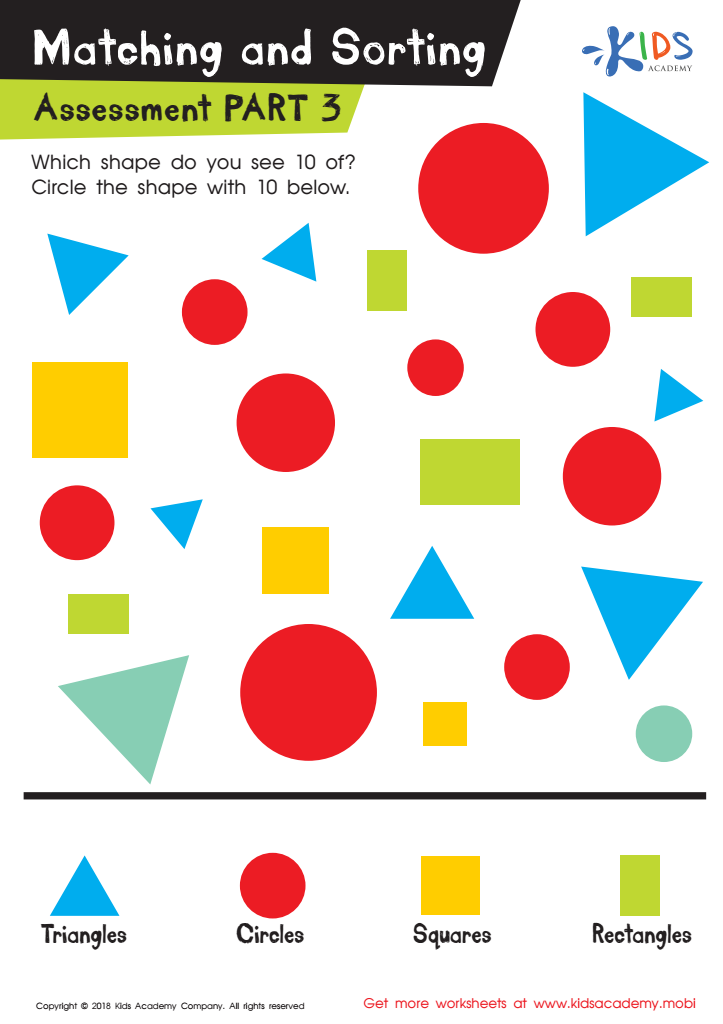
Matching and Sorting for Kindergarten: Assessment 3 Worksheet
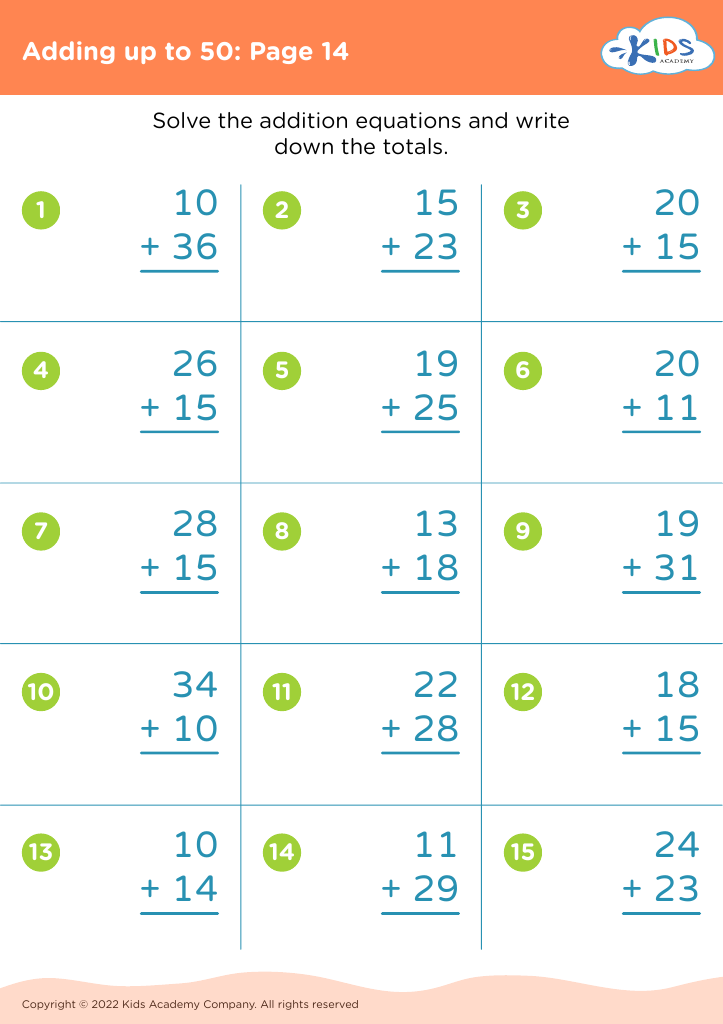
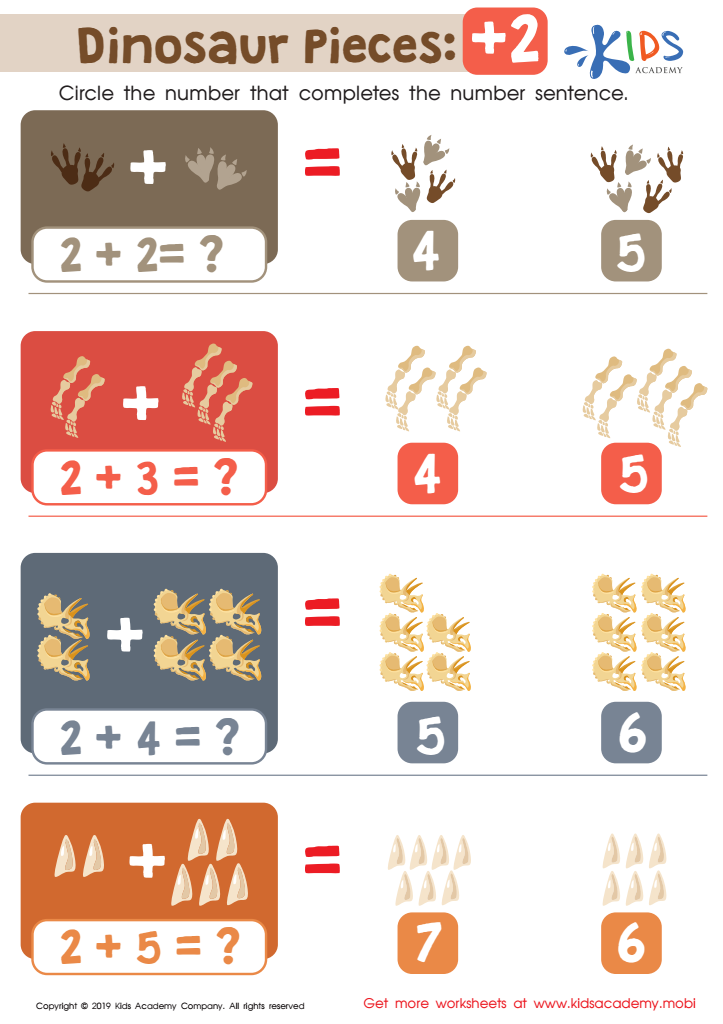
Dinosaur Pieces: +2 Worksheet
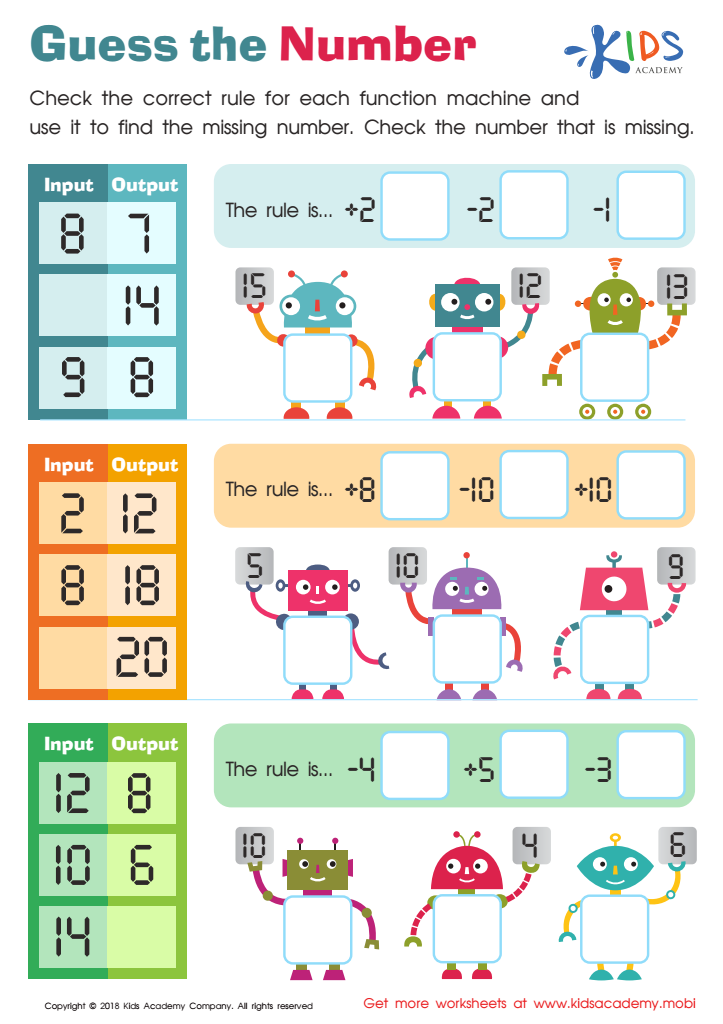
Guess the Number Worksheet
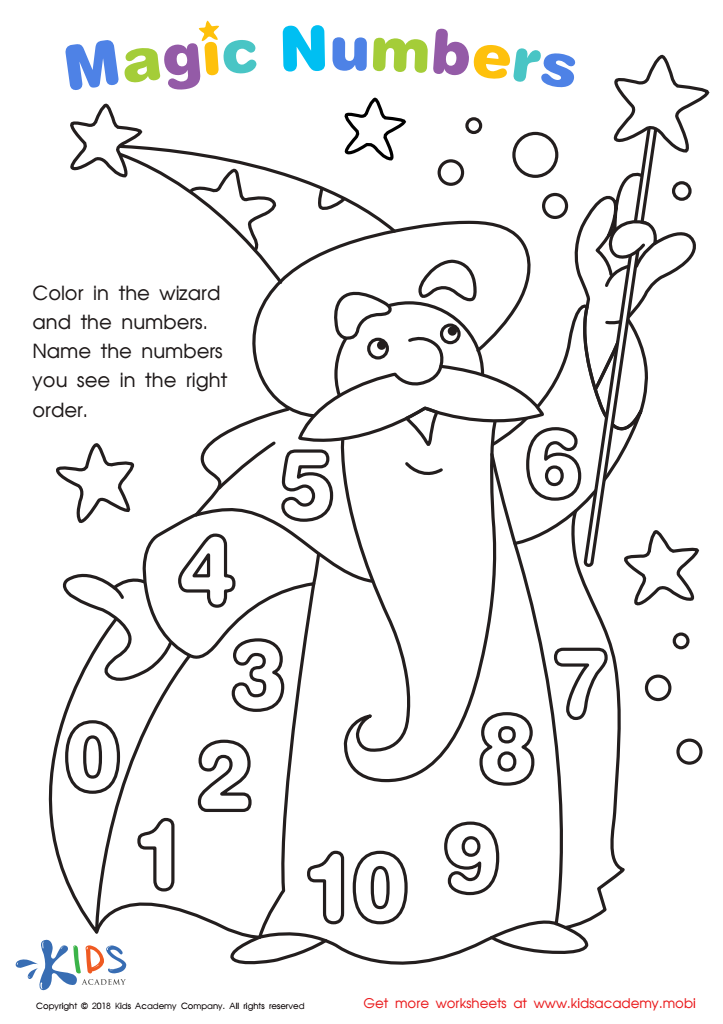
Magic Numbers Worksheet
 Assign to My Students
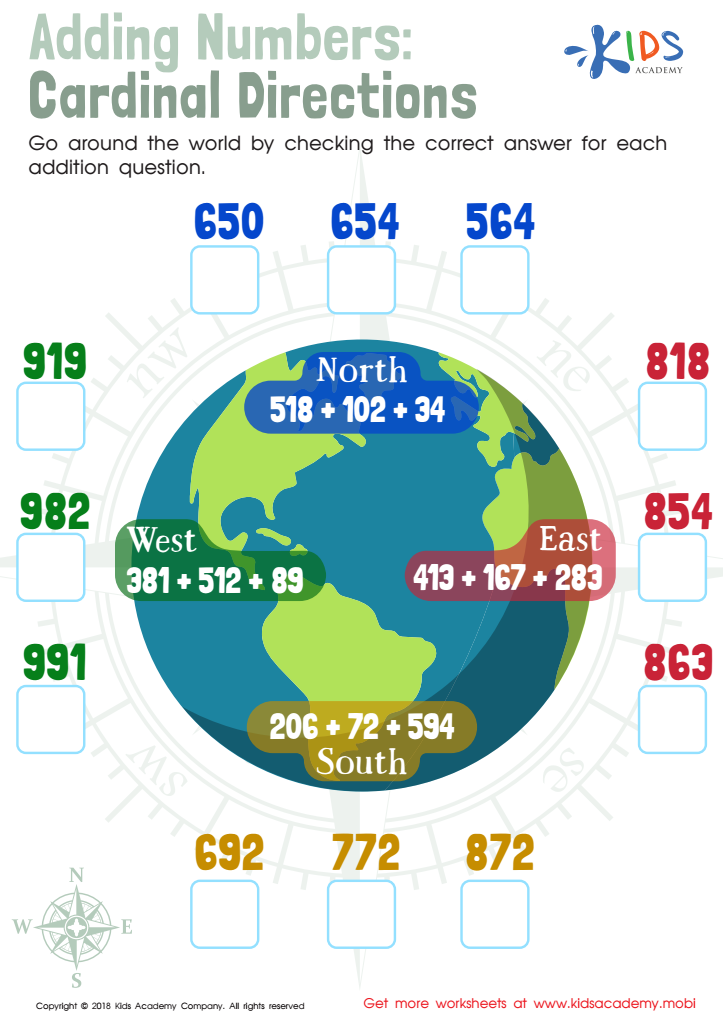
Adding Numbers: Cardinal Directions Worksheet







Improving math skills in children aged 6 to 9 is crucial for their overall academic development and lifelong success. During these formative years, children are building foundational skills that will influence their future learning experiences in various subjects. Math is not just a subject; it is a logical tool that fosters critical thinking, problem-solving abilities, and creativity. When children engage with mathematical concepts, they develop a sense of numerical understanding and the ability to analyze and interpret information.
Moreover, research indicates that early math skills are correlated with later academic achievement. Parents and teachers should prioritize math improvement to help children gain confidence and enthusiasm for learning. This early exposure to math can diminish math anxiety, which, if left unaddressed, can persist into adulthood. It also prepares them for real-life situations where math is integral, such as budgeting or measurements.
Equipped with strong math skills, children are not only better prepared for standardized tests but also more likely to pursue advanced courses in high school and beyond, which can open doors to numerous career opportunities. In summary, fostering math skills in early childhood is a vital investment in a child’s future, equipping them with essential tools for success in school and in life.








