Number ordering Worksheets for Ages 6-9
3 filtered results
-
From - To
Discover our engaging Number Ordering Worksheets designed specifically for children ages 6 to 9! These printables provide a fun and interactive way for young learners to enhance their number skills by practicing ordering numbers in sequences. Suitable for both classroom and home use, our worksheets challenge students to recognize and arrange numbers in ascending and descending order. With colorful illustrations and varied activities, children will enjoy building their math confidence while developing essential organizational skills. Perfect for reinforcing lessons in a captivating manner, these worksheets are an excellent resource for parents and teachers alike. Start ordering numbers today!
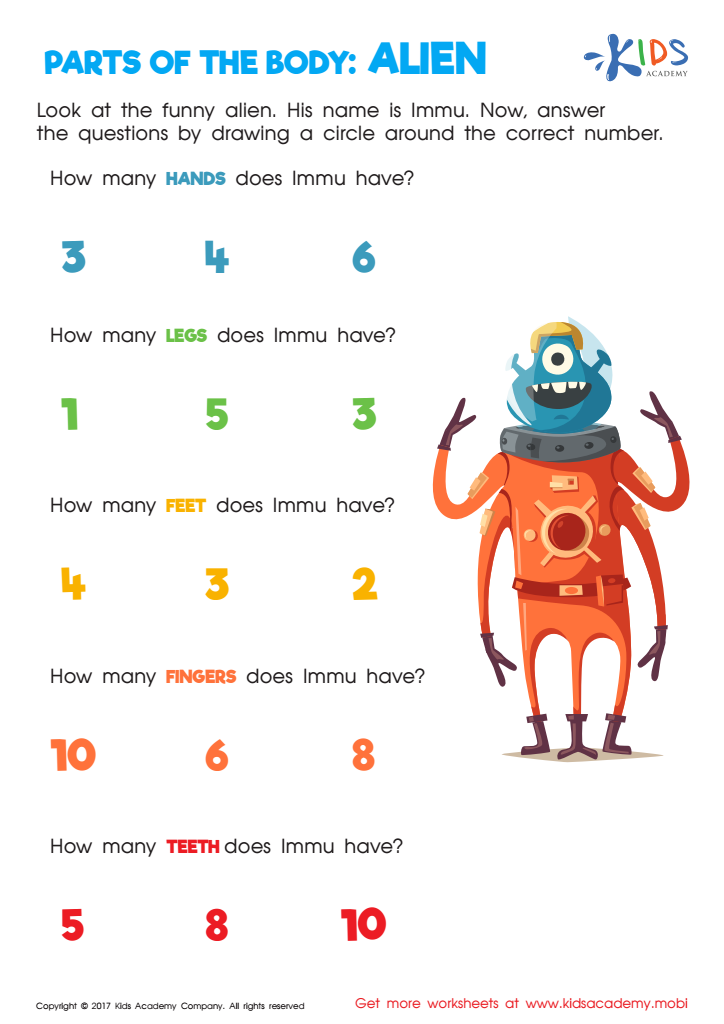
Alien Worksheet
 Assign to My Students





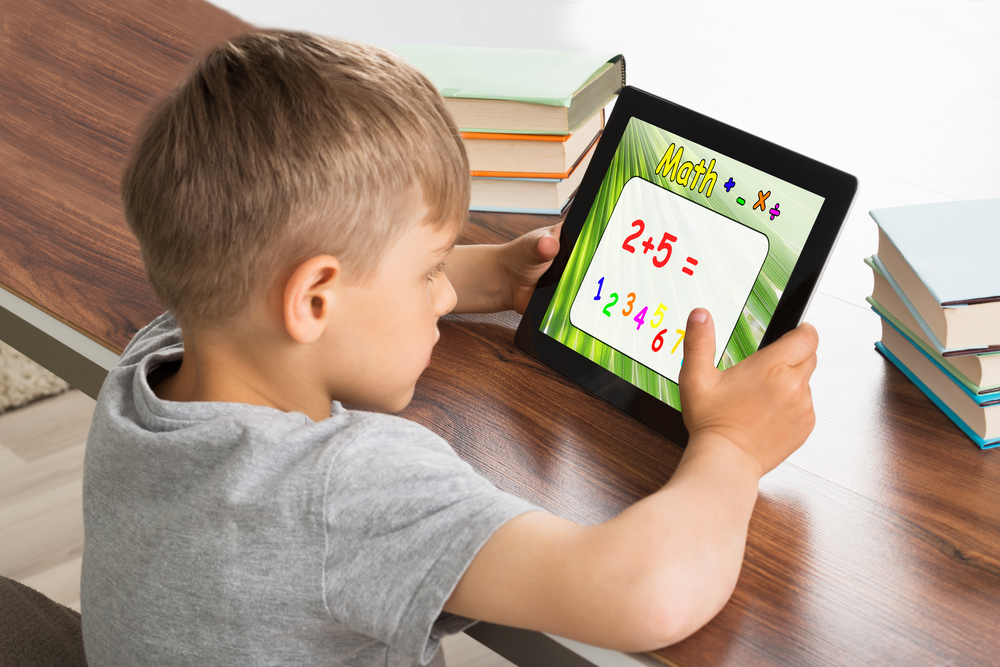


Number ordering is a fundamental skill that serves as the foundation for more advanced mathematical concepts, making it crucial for children aged 6-9. At this developmental stage, children are beginning to explore numbers and their relationships. Understanding the order of numbers helps them grasp concepts such as greater than, less than, and equal to, enhancing their overall numerical fluency.
For parents and teachers, fostering number ordering skills can boost a child's confidence in math. When children can confidently sequence numbers, they are better equipped to solve problems, begin to understand patterns, and tackle basic arithmetic operations. This foundational practice supports their ability to engage in more complex math tasks, such as addition and subtraction, as they progress through school.
Moreover, number ordering strengthens critical thinking and logical reasoning. It encourages children to analyze and compare numbers, refining their analytical skills, which are essential not just in math, but across all areas of learning.
Supporting number ordering through engaging activities—like games and interactive exercises—also fosters a positive attitude toward math, making it an enjoyable component of their education. Therefore, parents and teachers play an essential role in ensuring children develop these vital skills, paving the way for academic success and everyday problem-solving.








