Phonics skills development Worksheets for Ages 6-9
9 filtered results
-
From - To
Discover engaging phonics skills development worksheets designed for children aged 6-9 at Kids Academy. Our fun, interactive activities help young learners enhance their reading abilities by focusing on essential phonetic elements like letter sounds, blends, digraphs, and more. Each worksheet is thoughtfully crafted to support your child's literacy journey, making learning enjoyable and effective. Ideal for home or classroom use, these resources promote confident and fluent reading. Visit Kids Academy today to explore our wide selection of phonics worksheets that cater to various learning styles and abilities, giving your child the tools they need to succeed.
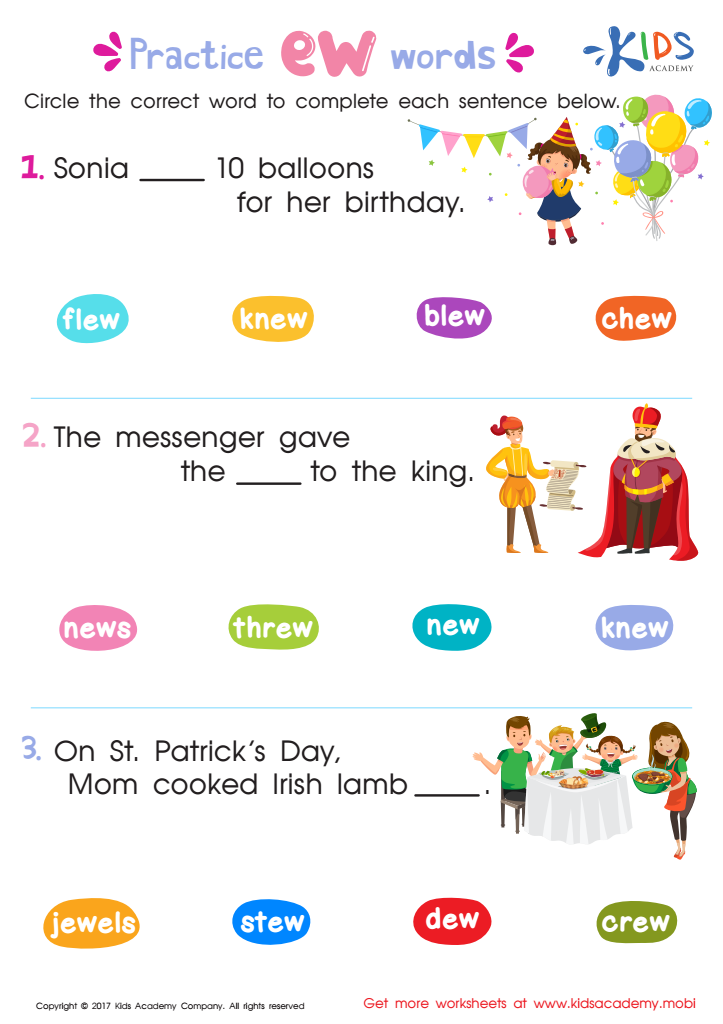
EW Words Worksheet
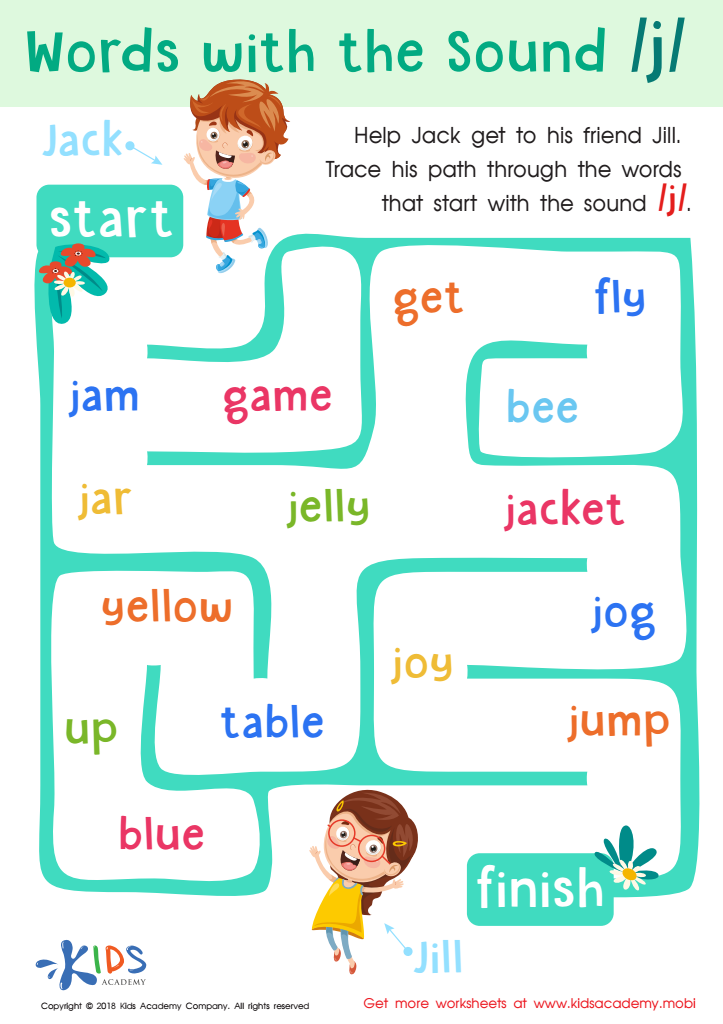
Words with sound j Reading Worksheet
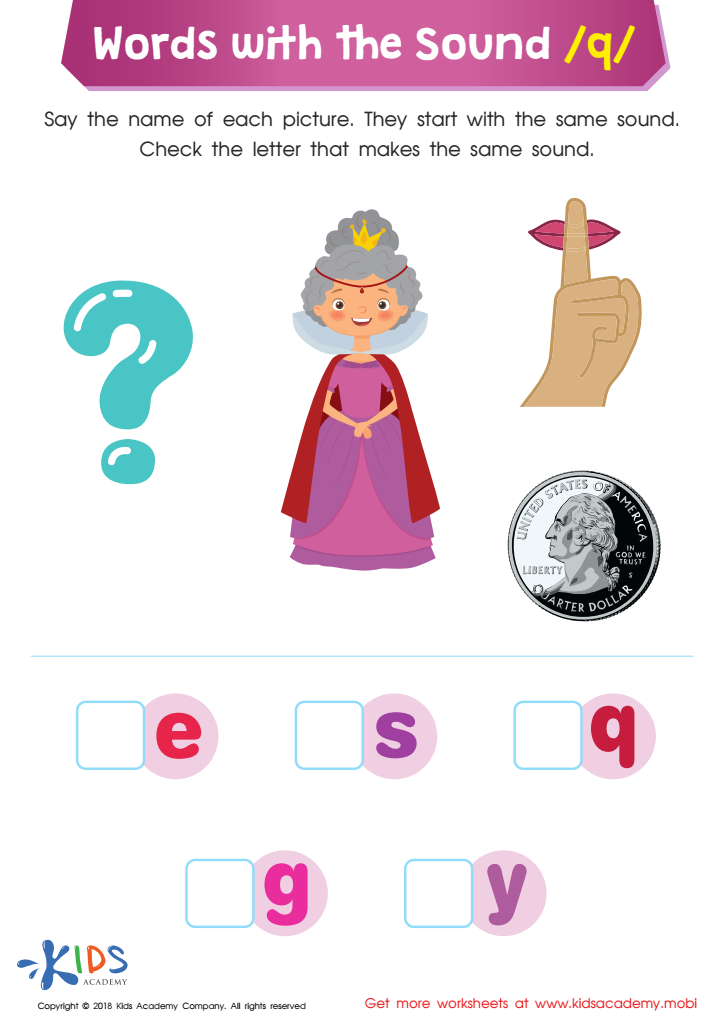
Words with Sound Q Reading Worksheet
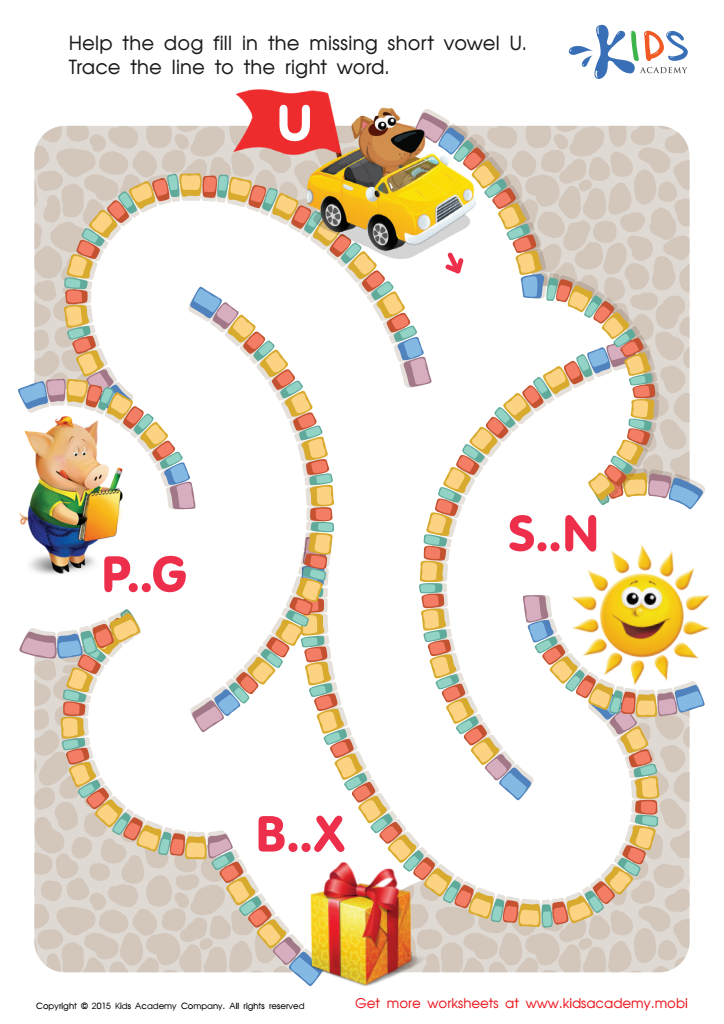
Short Vowel Sound U Worksheet
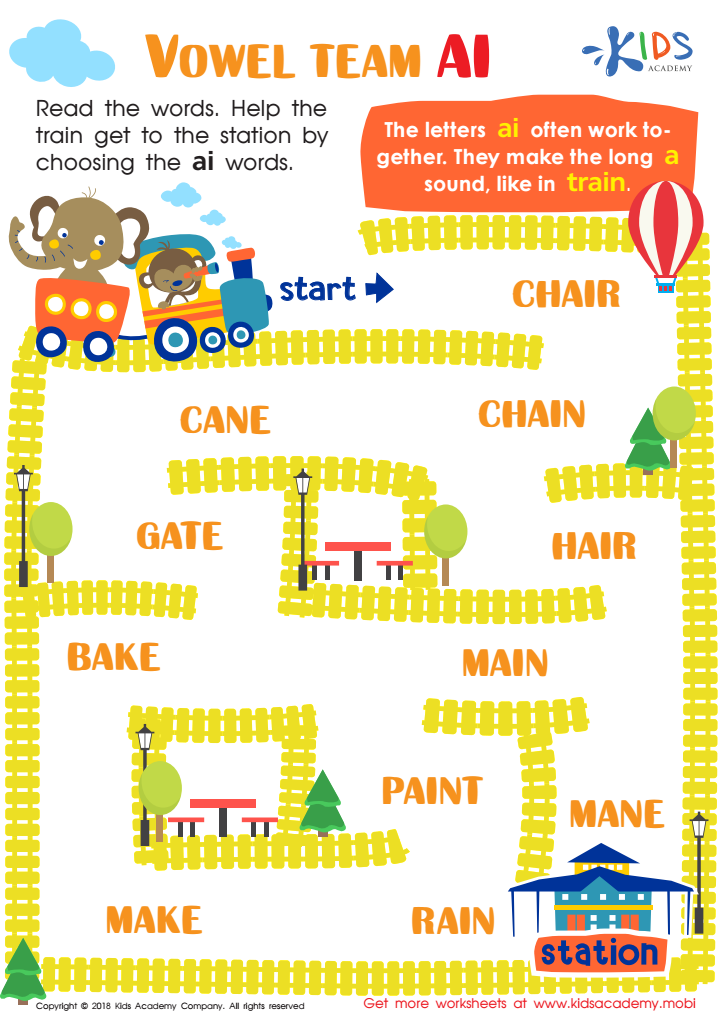
Vowel team ai Worksheet
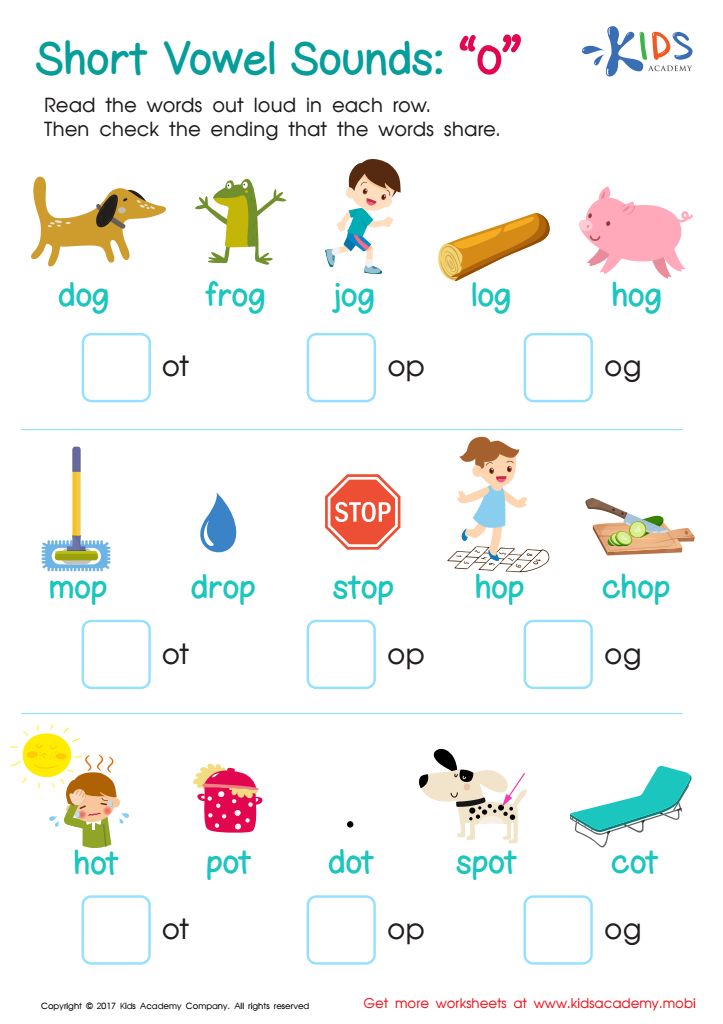
Short vowel Sounds "o" Spelling Worksheet
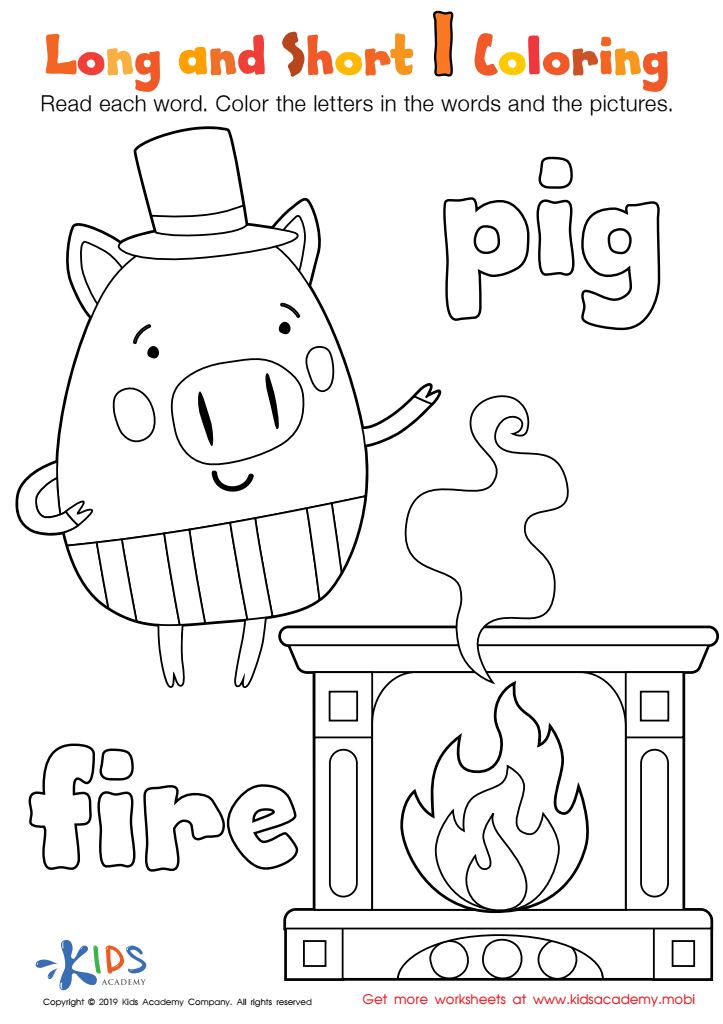
Long and Short I Worksheet
 Assign to My Students
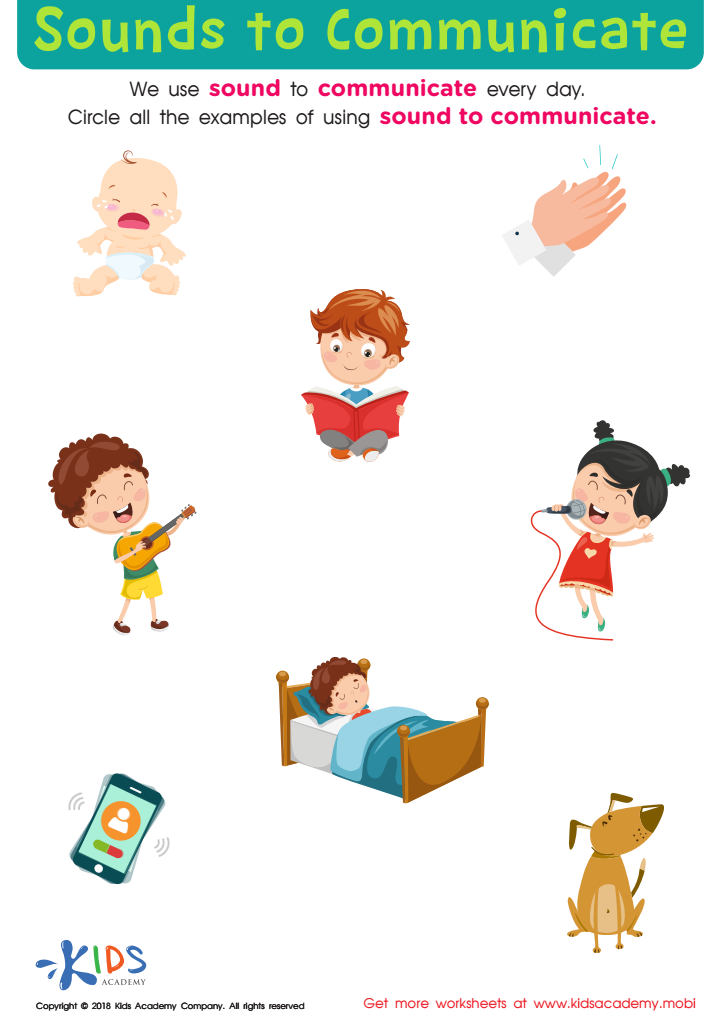
Sounds to Communicate Worksheet
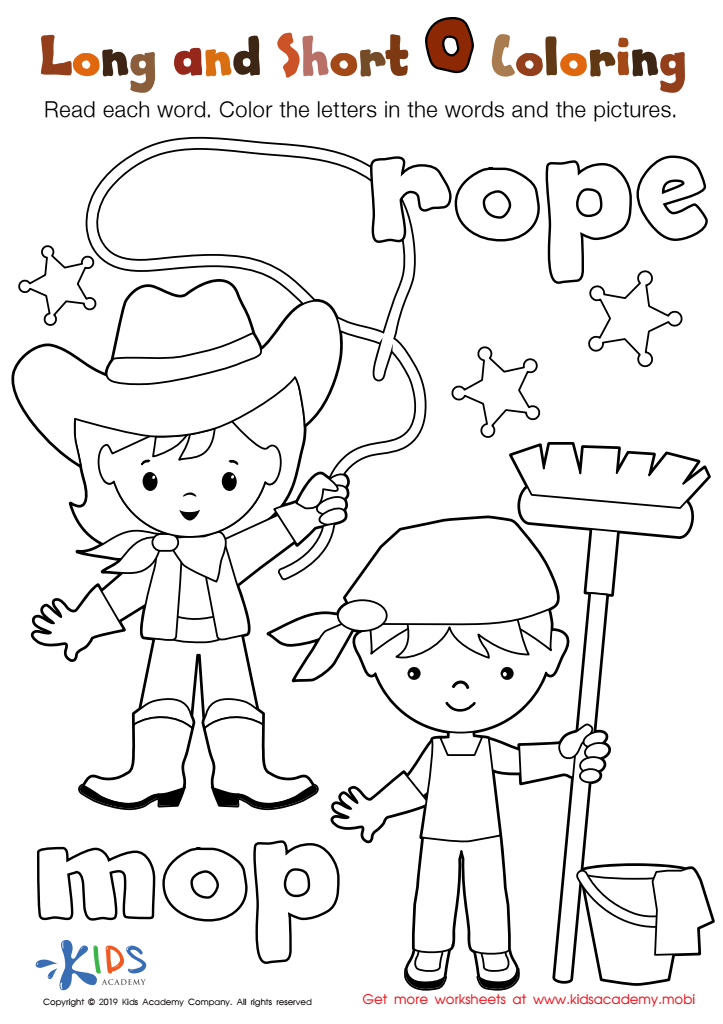
Long and Short O Worksheet
Assign to My Students







Developing phonics skills in children aged 6-9 is crucial for their early literacy and overall academic success. Phonics is the relationship between letters and the sounds they represent. Understanding this relationship enables children to decode new words, enhancing their reading fluency, comprehension, and spelling.
Firstly, strong phonics skills provide a foundational basis for reading. As children learn letter-sound associations, they become capable of sounding out words, which is critical for independent reading. This not only improves their confidence but also fosters a love for reading.
Secondly, phonics development significantly impacts spelling. When children understand how letters combine to form words, their spelling skills improve, aiding them in their writing tasks across various subjects.
Moreover, early phonics instruction boosts language development. Proficiency in reading contributes to a richer vocabulary and better grammatical understanding, essentials for effective communication.
Additionally, literacy is the cornerstone of the entire educational journey. Children who struggle with reading often face challenges in other subjects that require reading for understanding instructions and content. Thus, strong phonics skills translate to better academic performance overall.
Finally, early intervention is key. Mastery of phonics at this young age sets the stage for future academic achievements and prevents potential reading difficulties. Therefore, parents and teachers should prioritize phonics skills development to support children's educational and personal growth.








