Practicing subtraction Worksheets for Ages 6-9
5 filtered results
-
From - To
Discover the joy of learning with our Practicing Subtraction Worksheets for Ages 6-9! Designed to enhance mathematical skills, these engaging worksheets focus on building a strong foundation in subtraction while making learning fun. Children will explore various subtraction problems, from simple calculations to more challenging scenarios, ensuring they develop confidence and proficiency in this essential math concept. Each worksheet is thoughtfully crafted to cater to different learning styles, with colorful visuals and interactive exercises. Perfect for independent practice or classroom use, our resources are a great way for kids to sharpen their abilities and prepare for future math challenges. Start subtracting today!
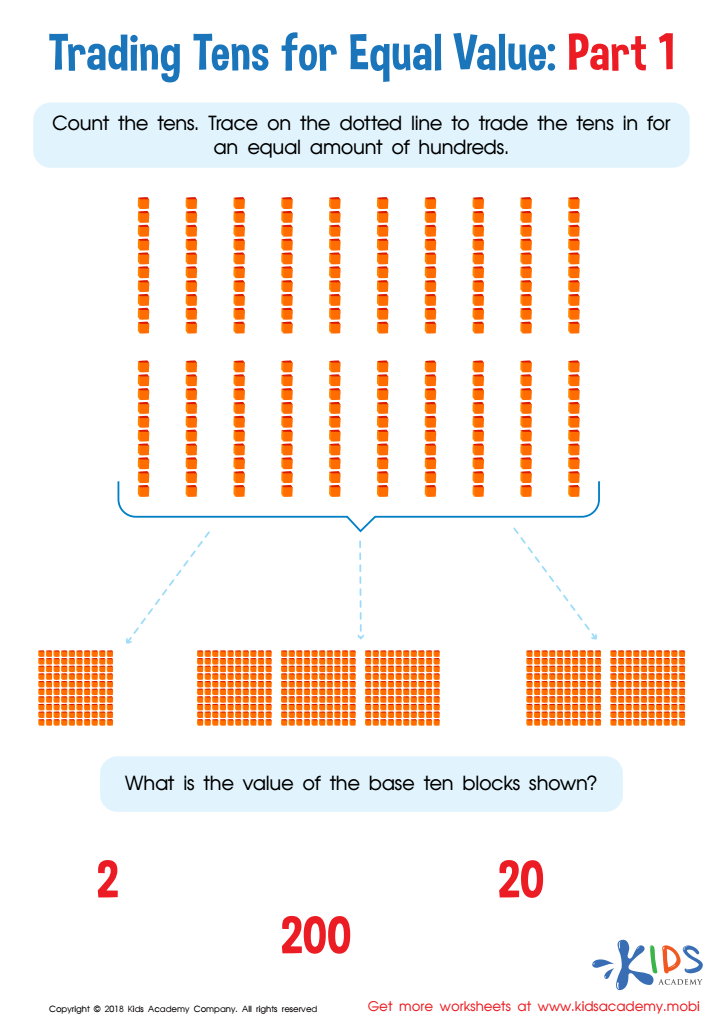
Trading Tens for Equal Value Worksheet: Part 1
 Assign to My Students
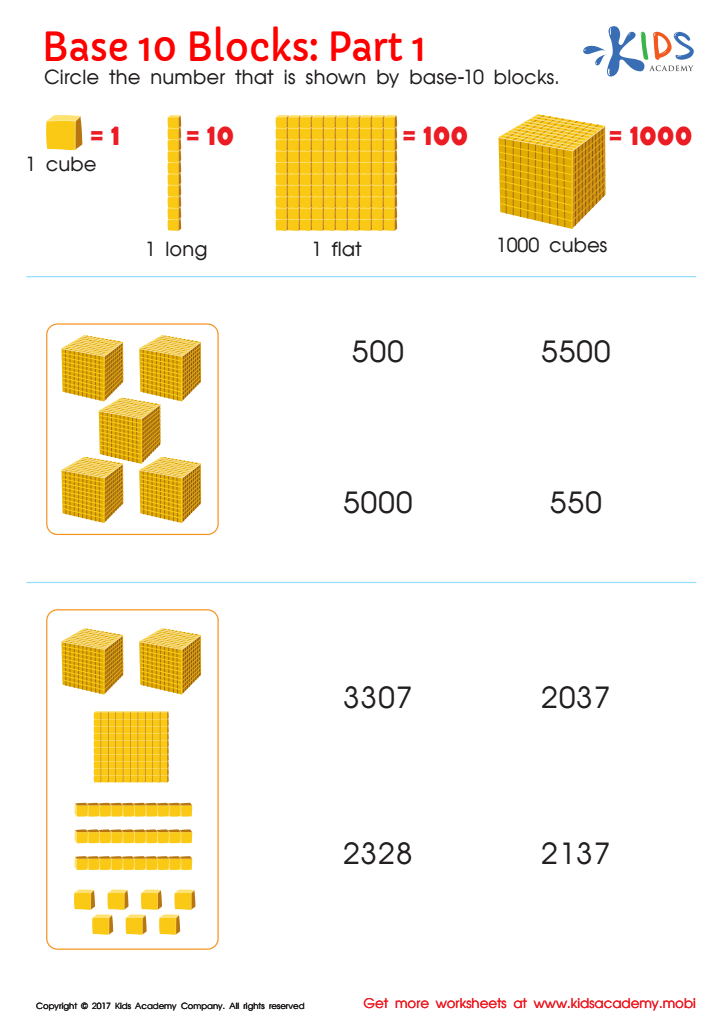
Place Value Thousands Worksheet
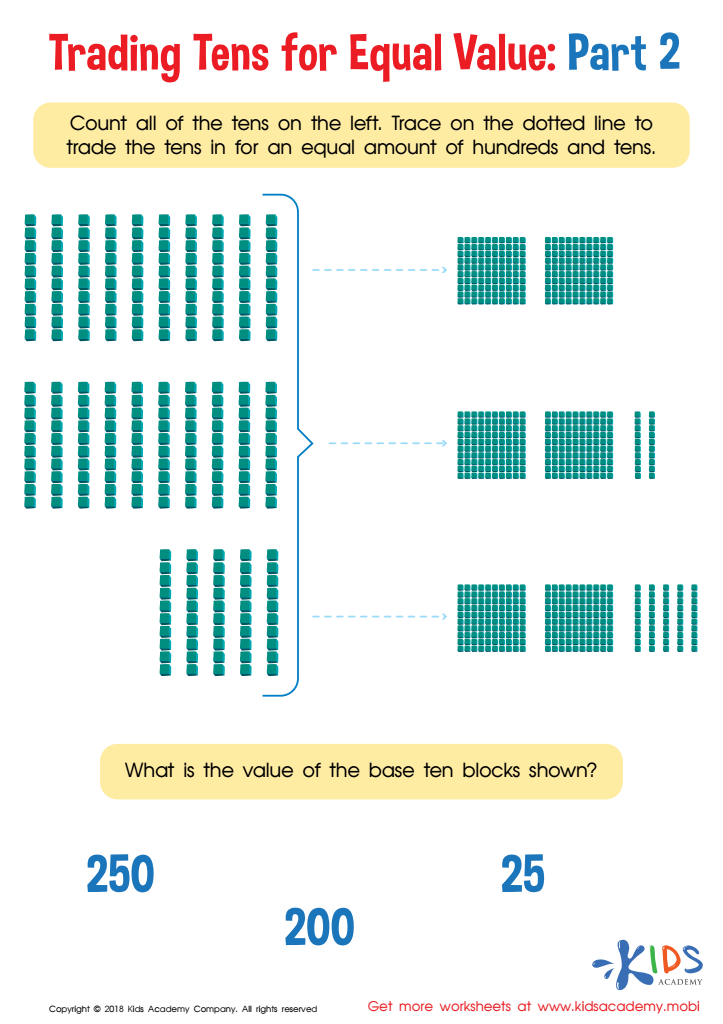
Trading Tens for Equal Value Worksheet: Part 2
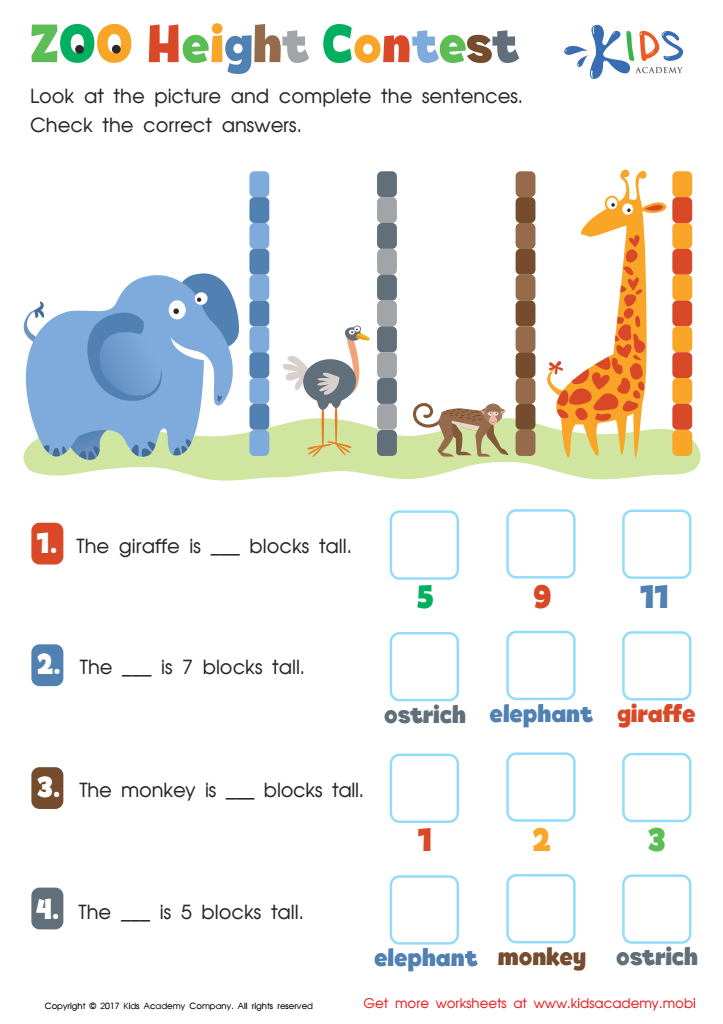
Zoo Height Contest Worksheet
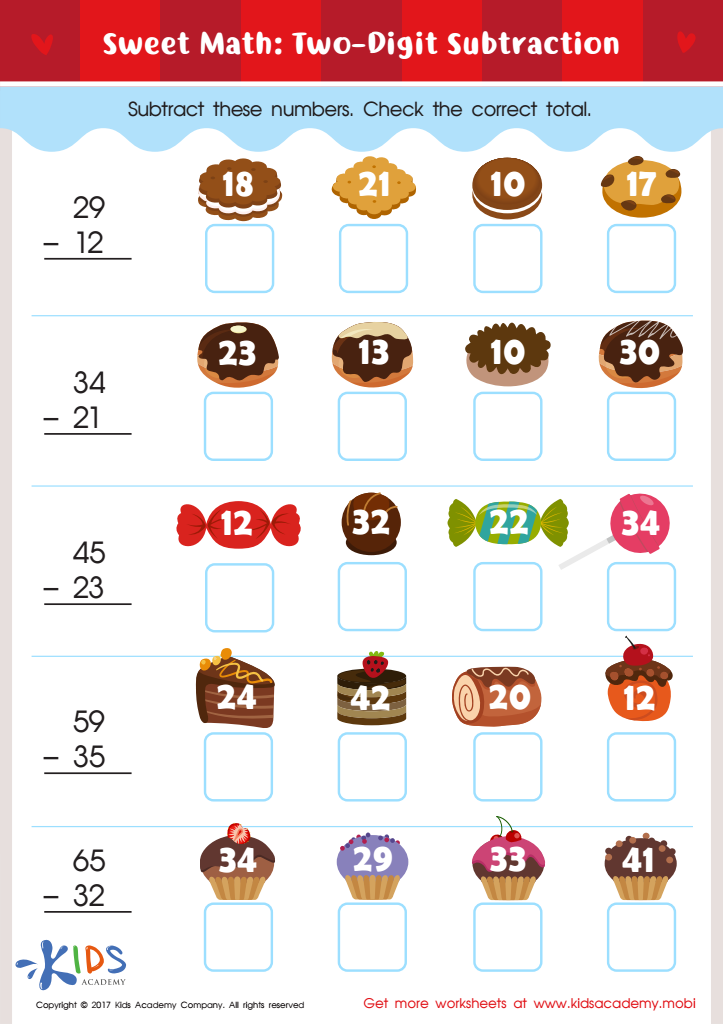
Two Digit Subtraction Worksheet








Practicing subtraction is crucial for children aged 6-9, as it lays the foundation for their mathematical understanding and problem-solving skills. At this age, students begin to transition from concrete to more abstract thinking, making it an ideal time to solidify their grasp of basic operations. Mastering subtraction enhances their ability to interpret and manipulate numbers confidently, which is essential for later mathematical concepts, including addition, multiplication, and division.
Learning subtraction not only helps improve numerical fluency but also fosters critical thinking and analytical skills. As children practice subtraction, they learn to approach problems systematically, an ability that is transferable across subjects and real-life situations. Furthermore, proficiency in subtraction boosts self-esteem and academic confidence, encouraging a positive attitude toward learning.
Parents and teachers should prioritize subtractive practice through engaging and interactive methods, such as games, puzzles, and real-world applications. They can turn daily activities, such as cooking or shopping, into valuable learning experiences, reinforcing the importance of subtraction in everyday life. Ultimately, consistent practice in subtraction during these formative years equips children with the skills necessary to navigate future challenges in mathematics and beyond. It is an investment in their educational journey and overall cognitive development.








