Recognize numbers Worksheets for Ages 6-9
3 filtered results
-
From - To
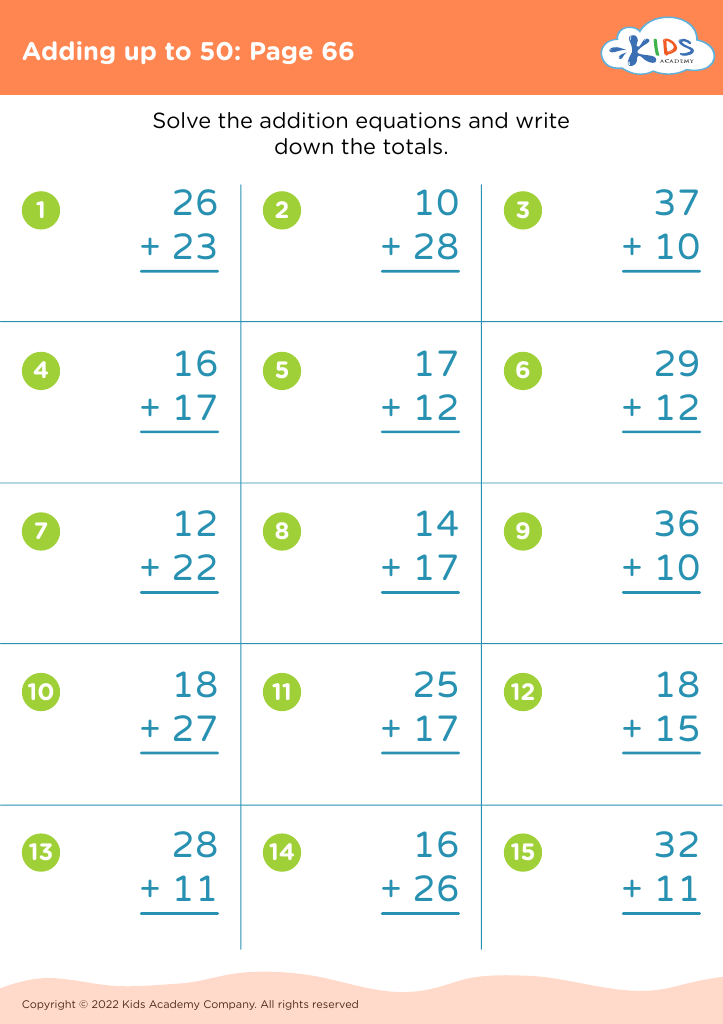
Boost your child's numerical skills with our "Recognize Numbers Worksheets for Ages 6-9"! Specially designed for young learners, these engaging printable worksheets turn number recognition into an exciting adventure. Filled with colorful graphics, fun activities, and interactive exercises, our resources help kids identify and understand numbers from 1 to 100. Through a variety of tasks, such as counting, matching, and sequencing, children build a solid foundation in numeracy. Perfect for at-home learning or classroom use, these worksheets support the development of essential math skills in a fun and effective way. Make learning numbers enjoyable and effective today!
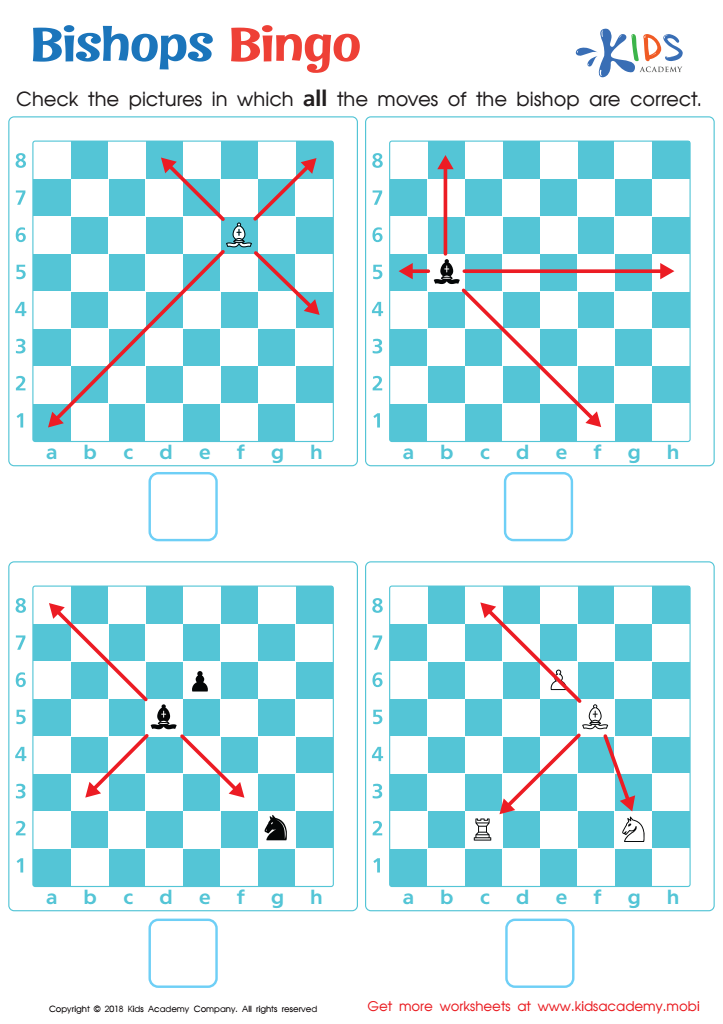
Bishops Bingo Worksheet





%20(1).jpg)


Recognizing numbers is a crucial foundational skill for children aged 6-9, as it sets the stage for their future success in mathematics and related subjects. During these formative years, children develop cognitive abilities that are essential for numerical comprehension and application. By recognizing numbers, children not only learn to identify numerical symbols but also begin to understand their value and relationship to real-world quantities, which is fundamental in daily tasks such as telling time, handling money, and measuring objects.
Furthermore, early number recognition enhances a child's ability to perform basic arithmetic operations like addition and subtraction, which are integral components of more complex math problems. This foundational knowledge serves as a stepping stone for advanced mathematical concepts, fostering analytical thinking and problem-solving skills that are valuable in all areas of life.
Parents and teachers play a vital role in this developmental stage. By actively supporting a child’s number recognition, they can make learning an engaging and positive experience, promoting a love for math that will motivate the child to persist even when challenges arise. Early intervention and support in numerical literacy can help identify and address any learning difficulties, ensuring children have the tools they need to succeed both academically and in their everyday lives.








